![A Tale of Two Resorts: Antigua [Part 1]](https://thediscerningtravelers.com/wp-content/uploads/2025/02/dsc08238-topaz.jpeg?w=700&h=430&crop=1)
There is nothing more alluring in the dead of a Canadian winter than flying off to a dreamy Caribbean island. Over the years, we’ve had the good fortune to have travelled to many. In fact, when we did a recent inventory of our Caribbean adventures, we discovered we had missed very few. Bonaire and Hispaniola (Haiti and the Dominican Republic) are the only ones.
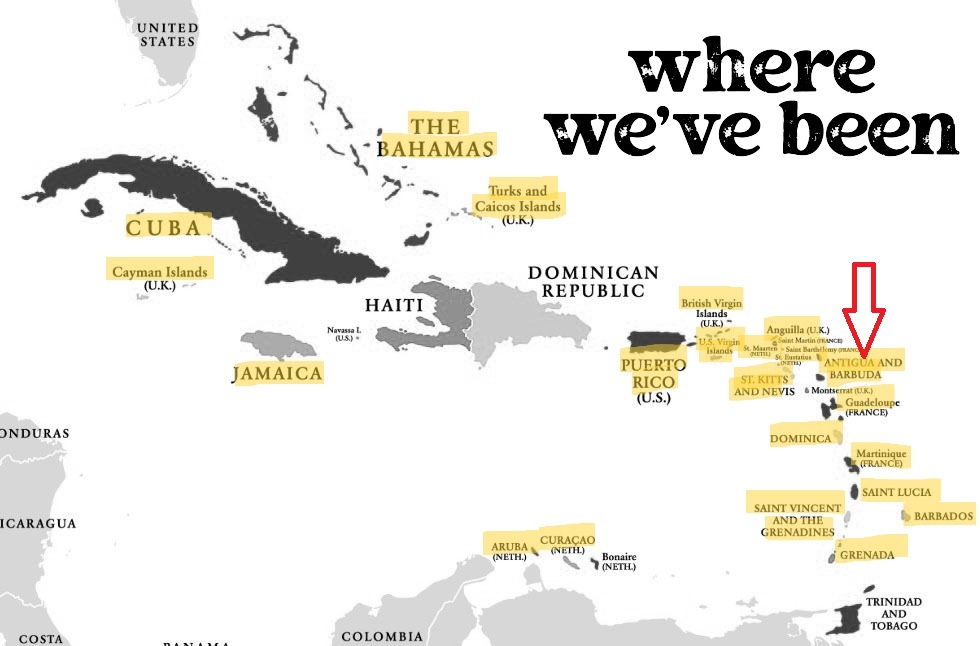
This year, though, we chose to return to an island we’d spent time on twenty years ago and returned to more times than we can recall for port stops on cruises. That island is Antigua and Barbuda.
Our first taste of the island came on a stop-over when we were making a connection from St. Kitts and Nevis. At the time, there were no direct flights to St. Kitts, where Art’s medical school class was having a reunion (because one of his classmates hailed from St. Kitts and wanted to have the reunion there to show off his island—not a bad plan). Someone had arranged for a three-hour island tour while we waited for our connection so that we didn’t have to sit in the airport. We fell in love with it and promised ourselves we’d return for a more extended visit. We did that the following year.
The following winter, we flew to Antigua with great anticipation, only to find that our plane was unable to land. Evidently, the old airport had rudimentary landing capabilities, and it was a foggy night. Given that the runway is between hills, it was tricky. Our pilot tried three times and gave up, taking us to Guadeloupe to refuel before trying again. Still unable to land, we ended up spending the night in Barbados but had success the following morning. Twenty years later, we landed in Antigua at their brand-new airport. This one even has air conditioning! So began our latest adventure from which we have just returned.
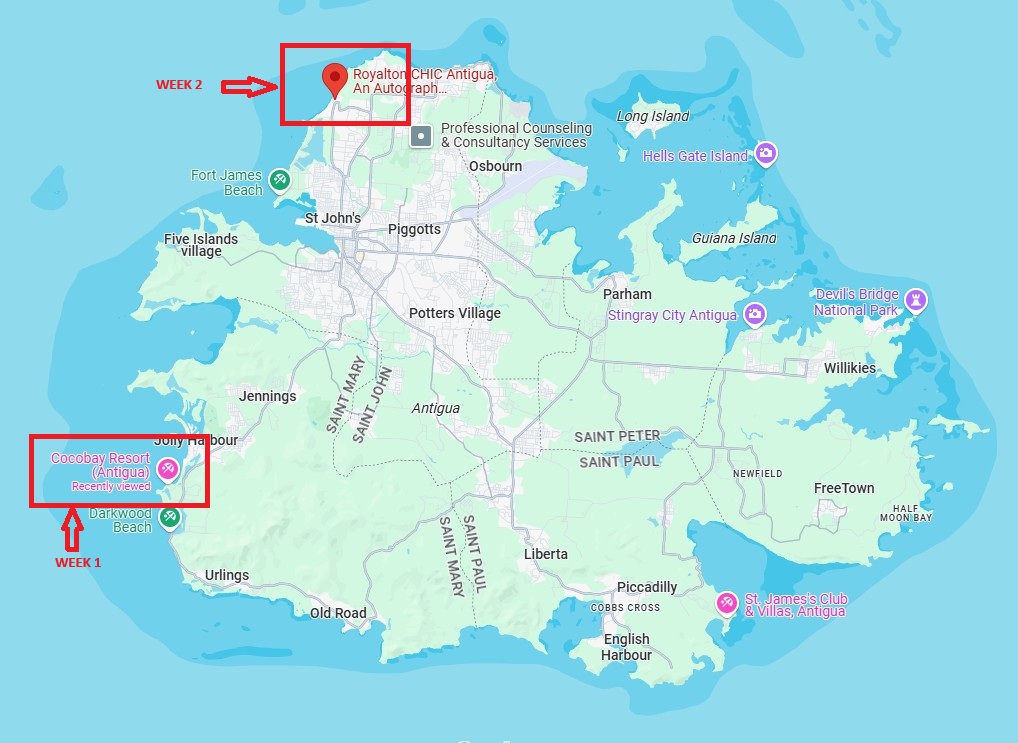
We had two weeks on the island. We have never been fans of staying put on a single resort for more than a week, so, like two years ago, when we spent a week in Barbados, followed by a week in St. Lucia (read about that trip here), we wanted two different experiences—this time on one island. So, we set up our criteria for selecting resorts.
First, they had to be adults-only. We’re grateful that there are places for families (we’ve been there and done that), but at this stage of our lives, being around other people’s children (or grandchildren) is not our idea of fun in the sun. This was a must, and we were delighted to find that Antigua has an excellent selection of adult-only places. However, when reading the fine print on several of them, we discovered that some of them permit children during school break time. We couldn’t risk it, so those ones were off the table.
We finally landed on two wildly differing experiences. The first one we chose was Cocobay, which bills itself as the “most romantic” resort on the island. We also chose their “Starfish Experience,” which gave us one of their best cottages (they have only cottages) at the water’s edge with a large veranda that included a private plunge pool. The second week, we decided to try a Marriott property because we’ve been loyal Marriott guests for years and have significant status. We chose their adults-only offering on the island—the Royalton Chic. To make it the kind of experience we would want, we chose a Diamond Club Presidential Suite. We have so much more to say about that one. That’s the topic of the next post, so stay tuned. But let’s talk about a week in Cocobay.
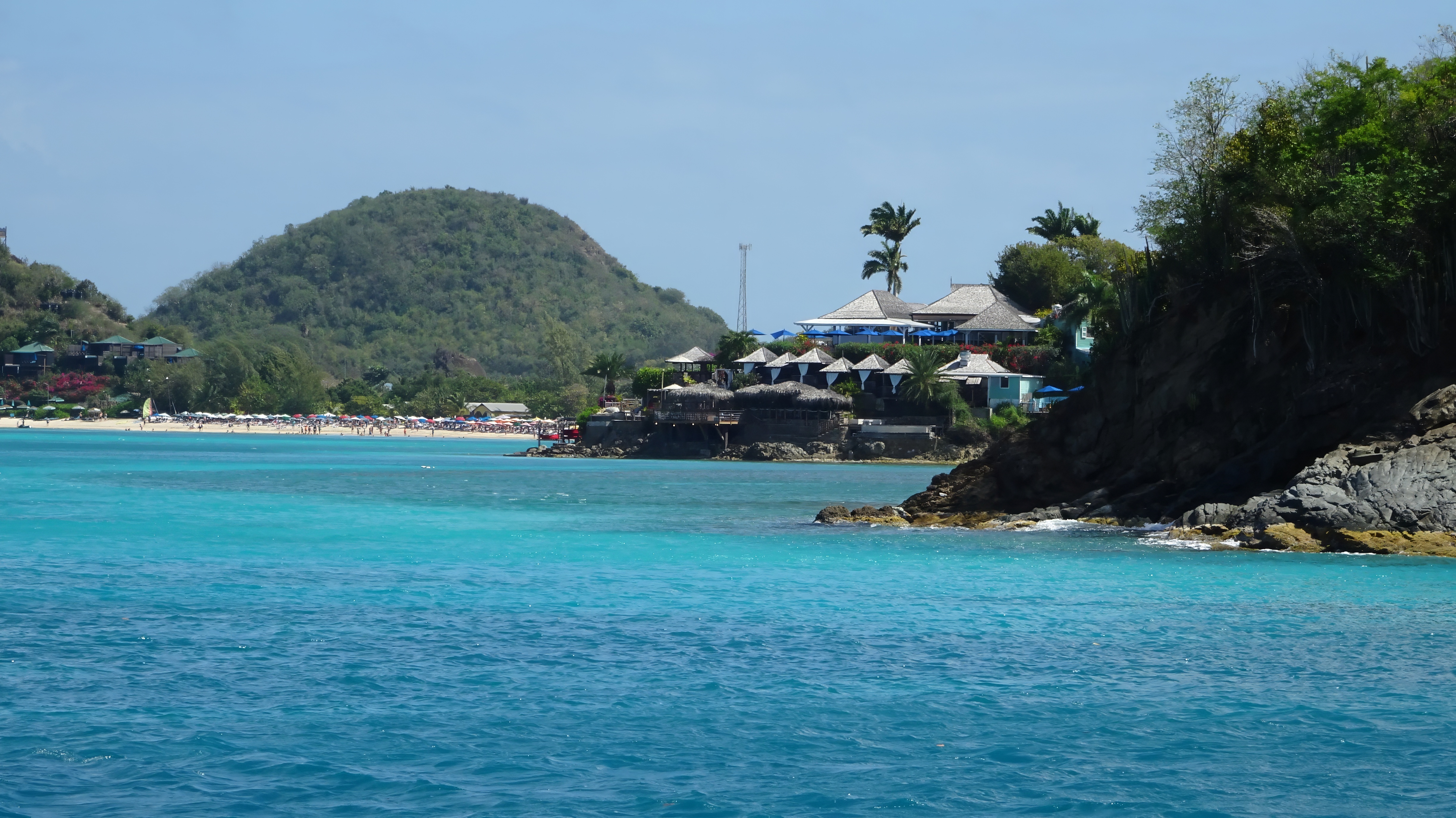
Located on the southwest coast of the island, the 65-cottage, adults-only resort is situated between two beaches five minutes from Jolly Harbour Marina. The property is one that includes everything from accommodation to meals and drinks, so some might call it an all-inclusive. The problem with that label is what it conjures. We wish there were categories of these properties. The fact that it includes everything in no way should conjure the images of the typical March break, all-inclusive. The place is quiet and dignified. Need we say more?
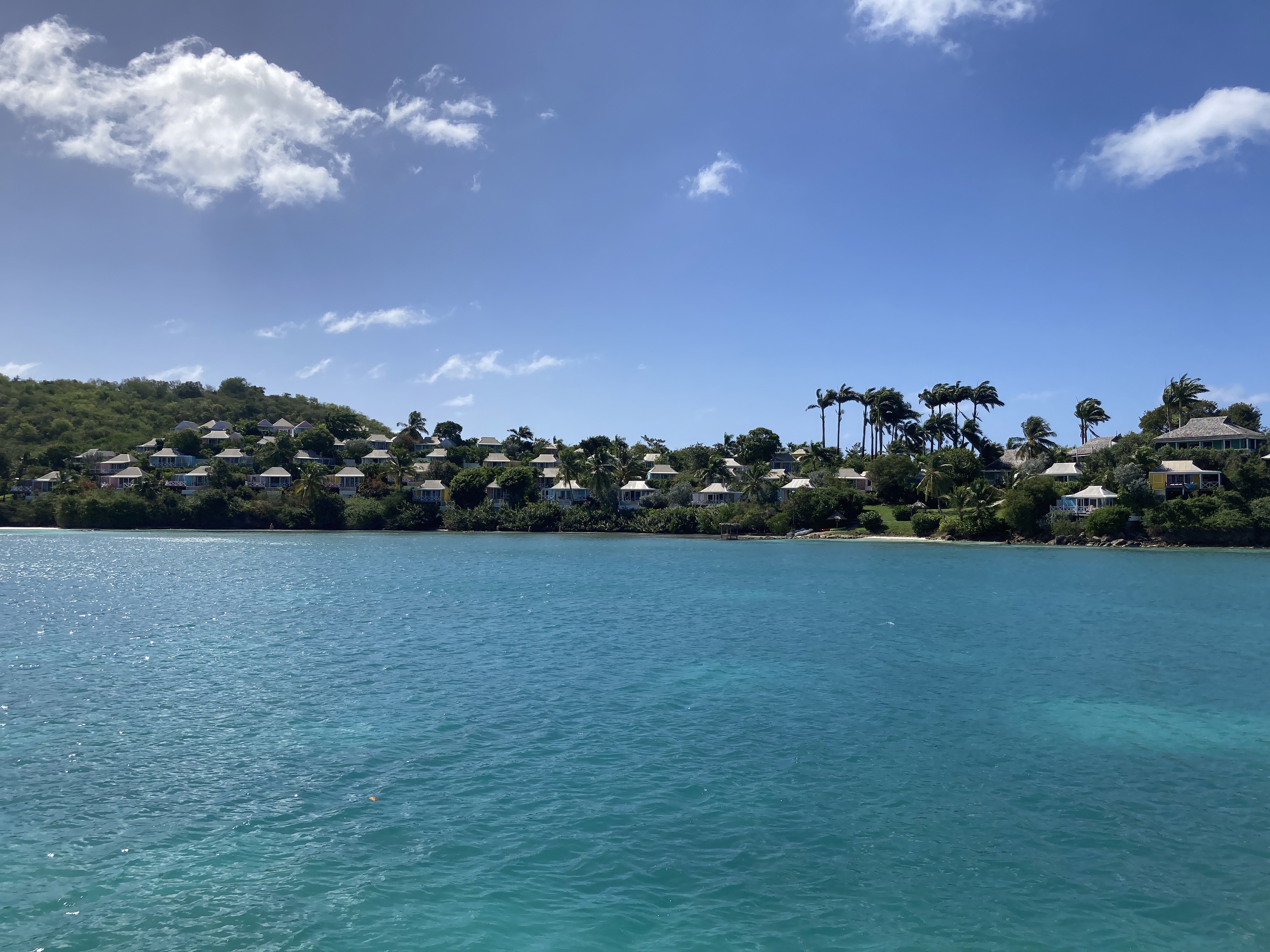
When we arrived at the property, our airport transfer (included in our “Starfish Experience” package) dropped us off outside a small, island-style lobby. Our personal concierge wasn’t immediately available—we were told we’d meet her in the morning. She turned out to be a lovely, personable young woman who ensured that everything about our stay was as we liked it.
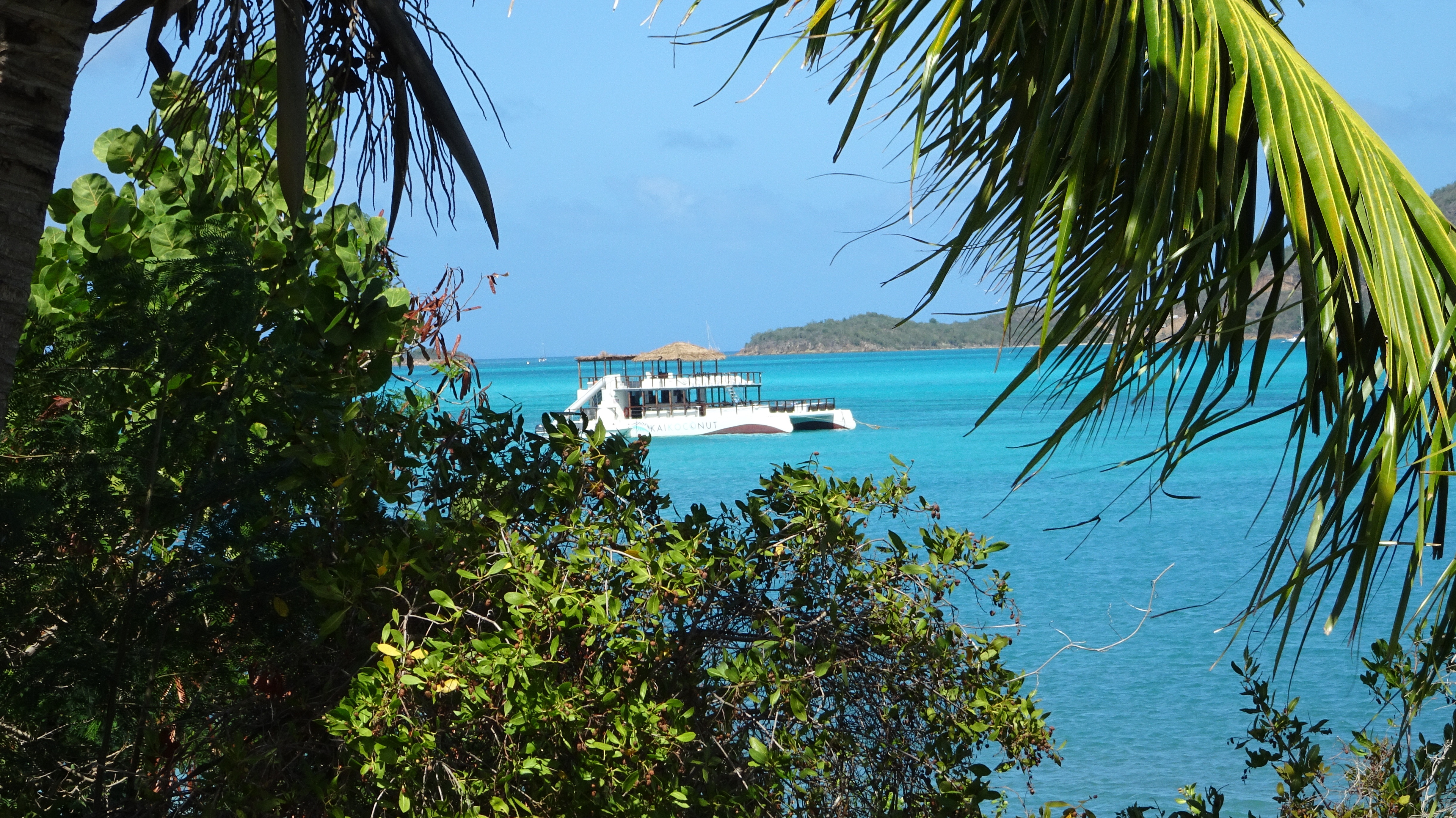
When we got to our cottage, we found ourselves in a quaint—slightly rustic—cottage that we came to see as a notch up from so-called “glamping.” The promotional literature for the resort refers to the cottages as cozy and charming. They are, however, bordering on shabby. For the price, we expected better bathrooms and possibly more cleanliness. With the original dark wood floors and all that rusticness, it was hard to tell. The two main problems with the cottage for the (high) price we paid were the bathroom, which was just short of disgusting and had dreadful lighting, and the severe lack of closet and storage space.
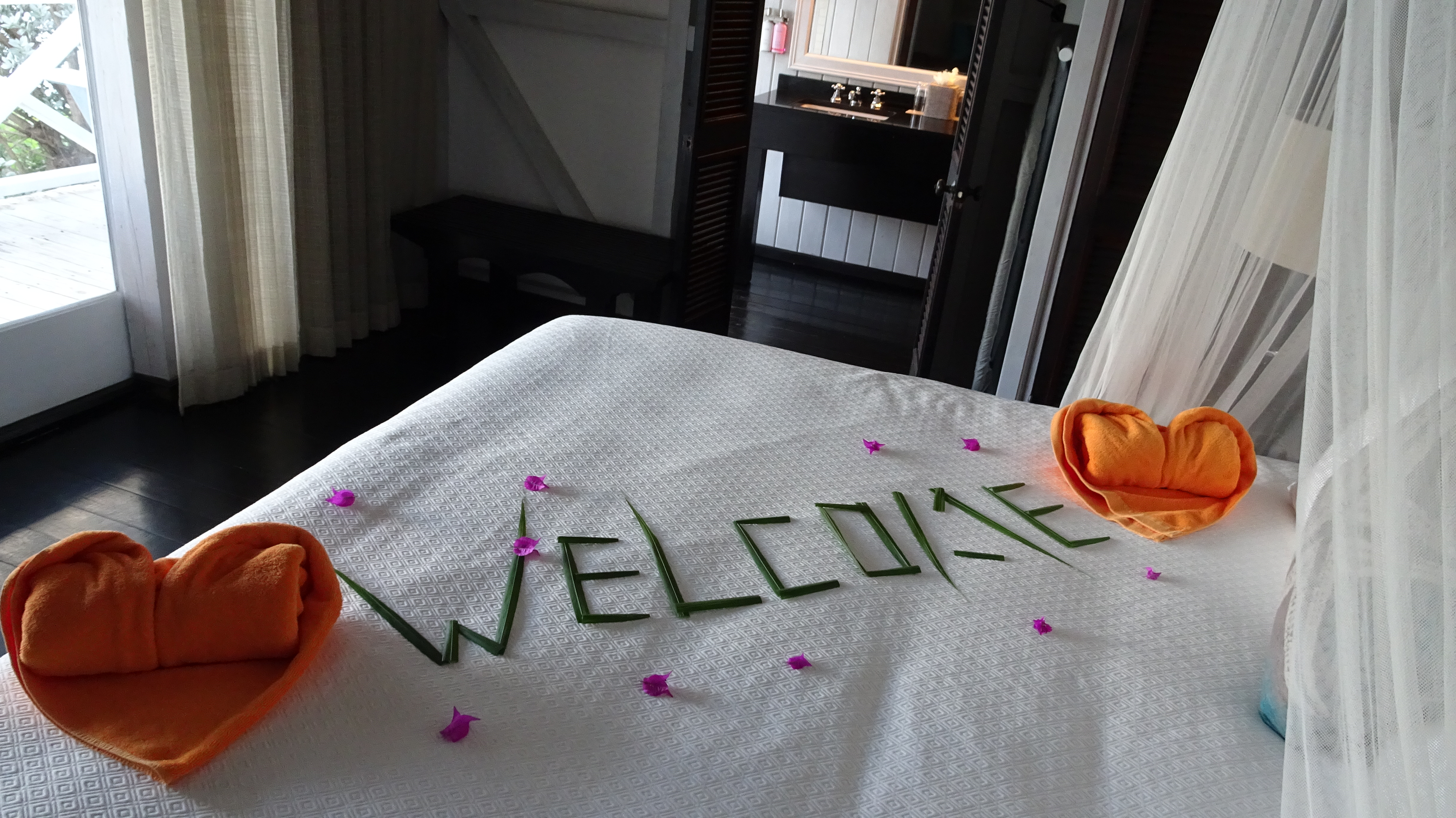
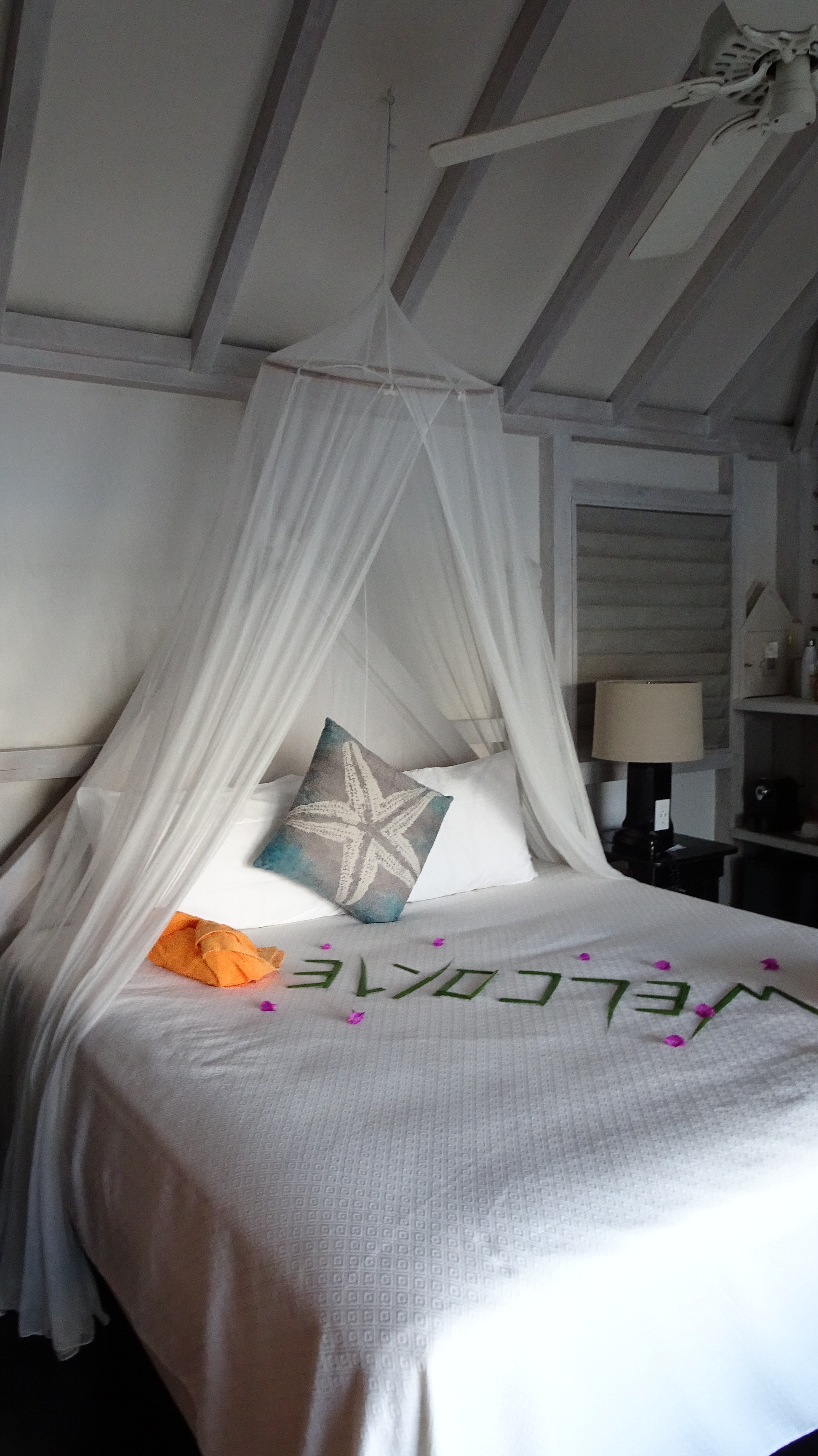
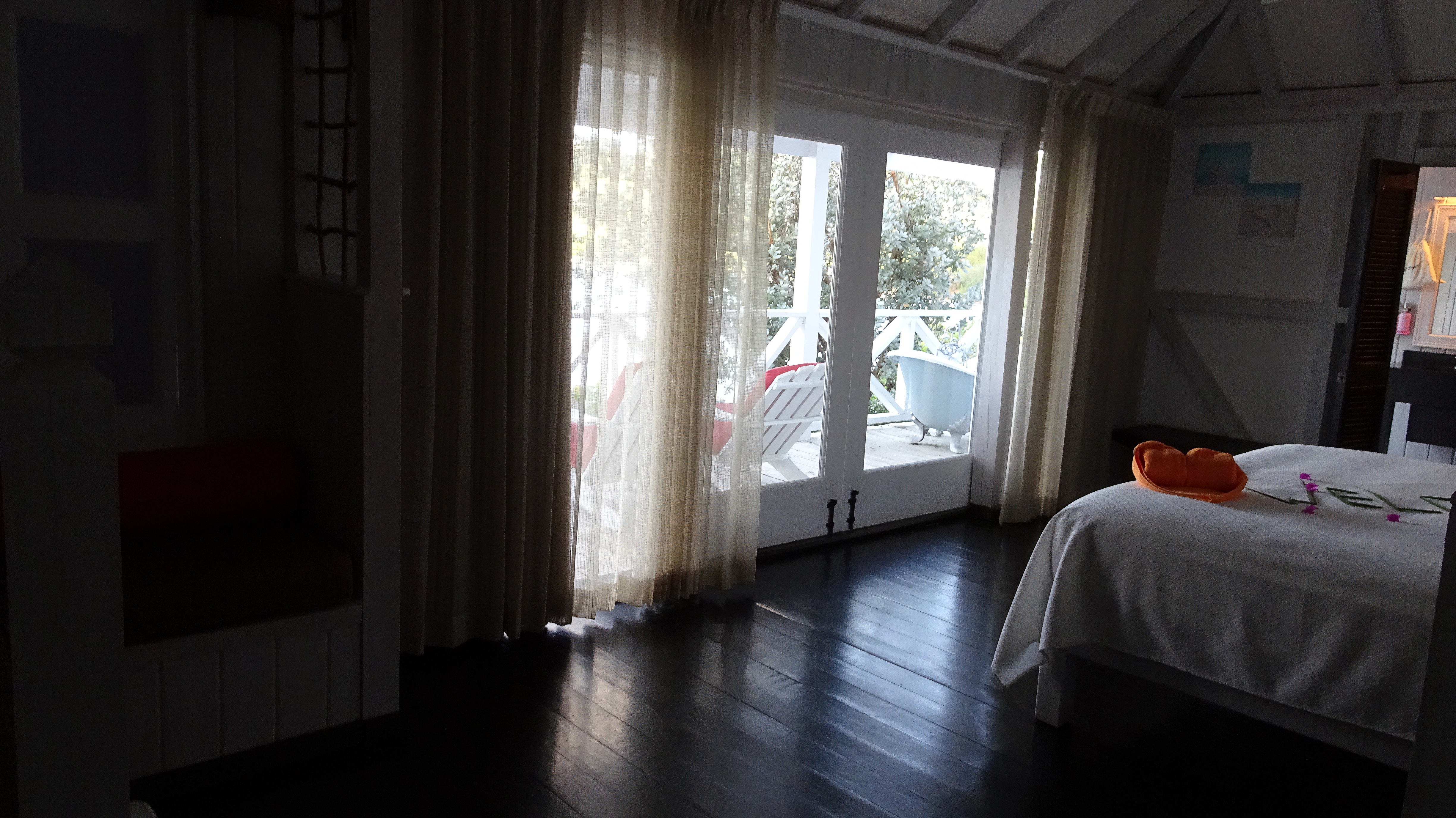
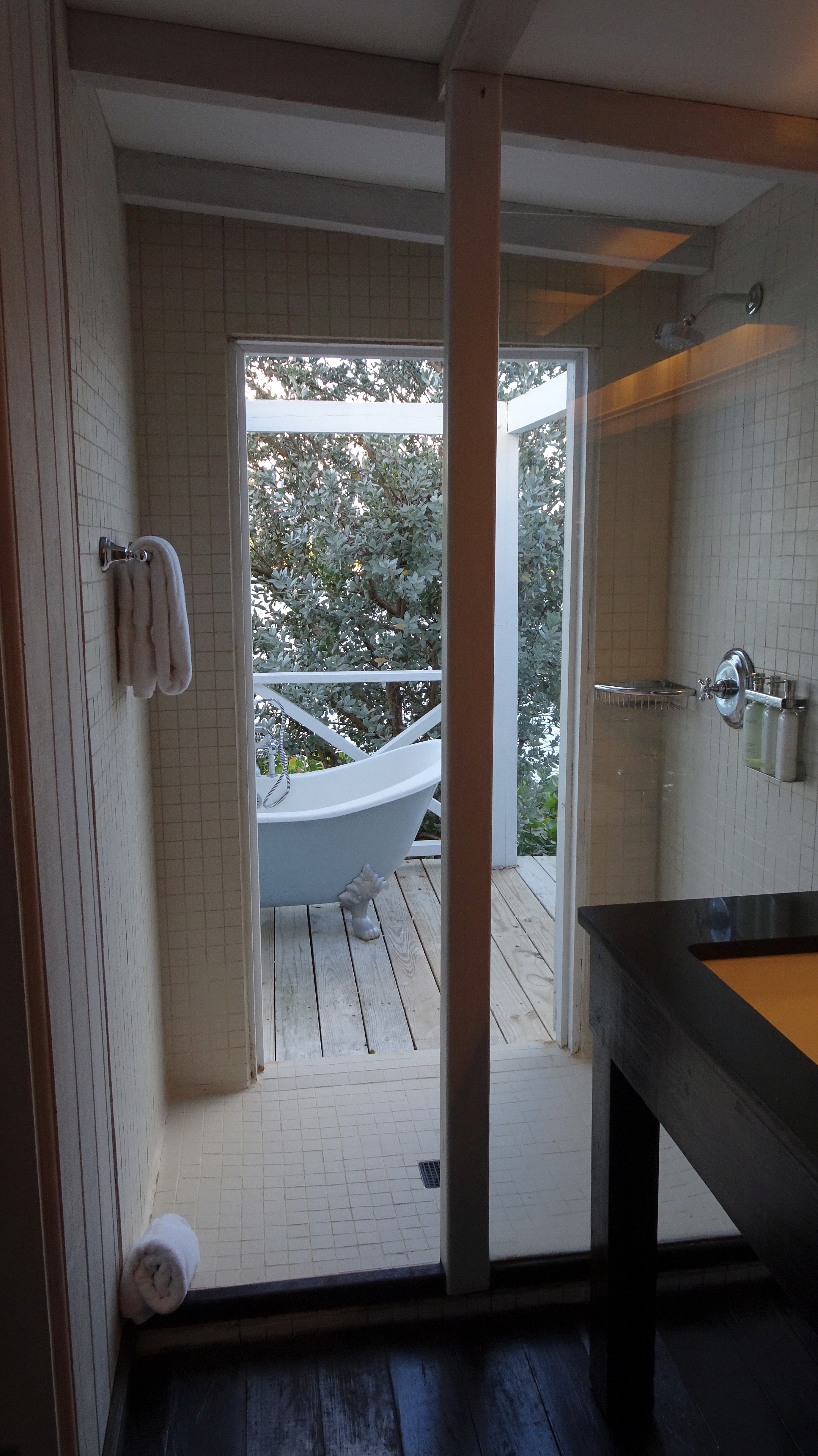
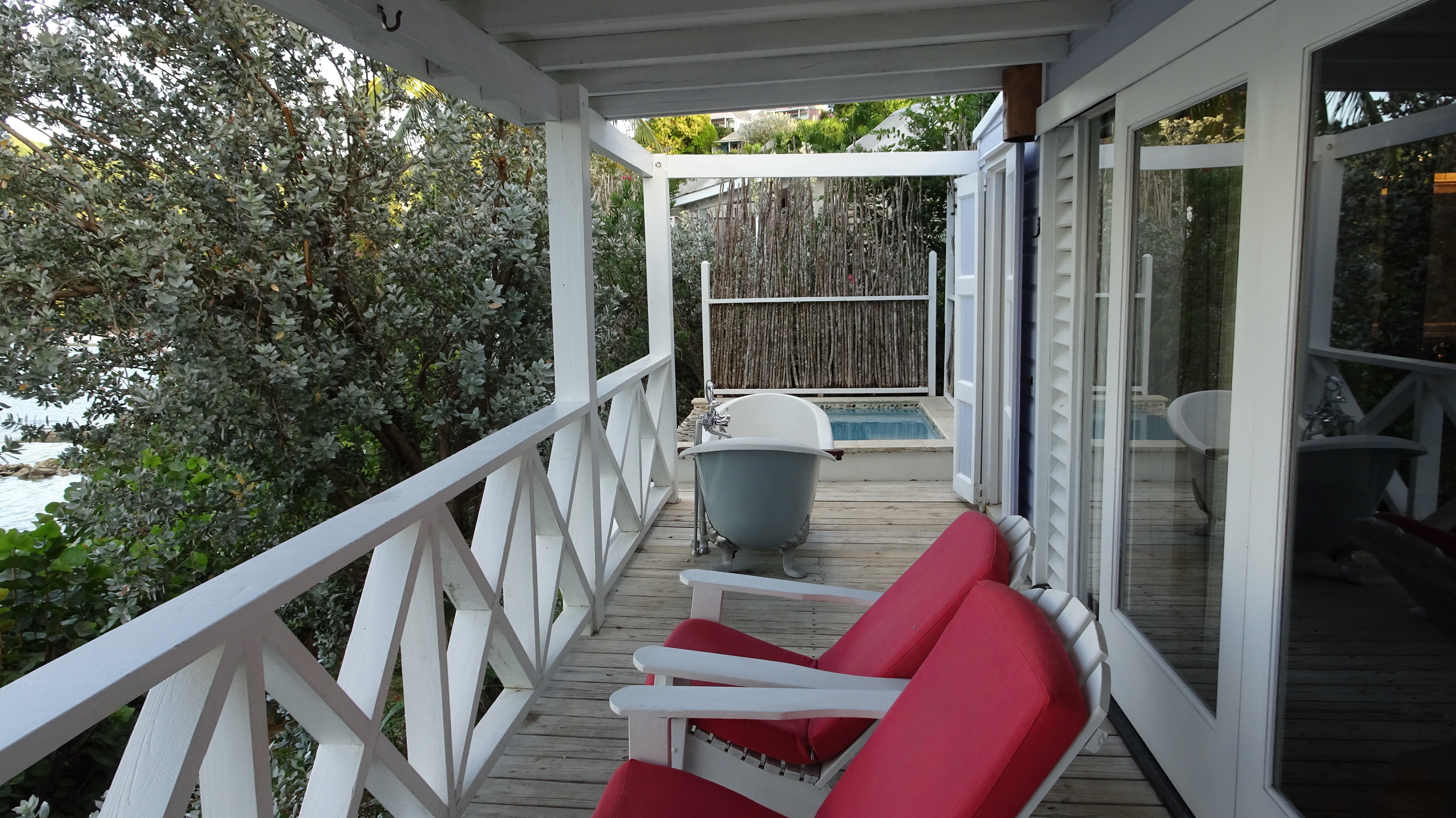
The cottage had a built-in corner banquette that was severely wasted space. The tiny closet wasn’t even deep enough for hangers to hang properly. There wasn’t a single drawer in the place. But then there was the veranda.
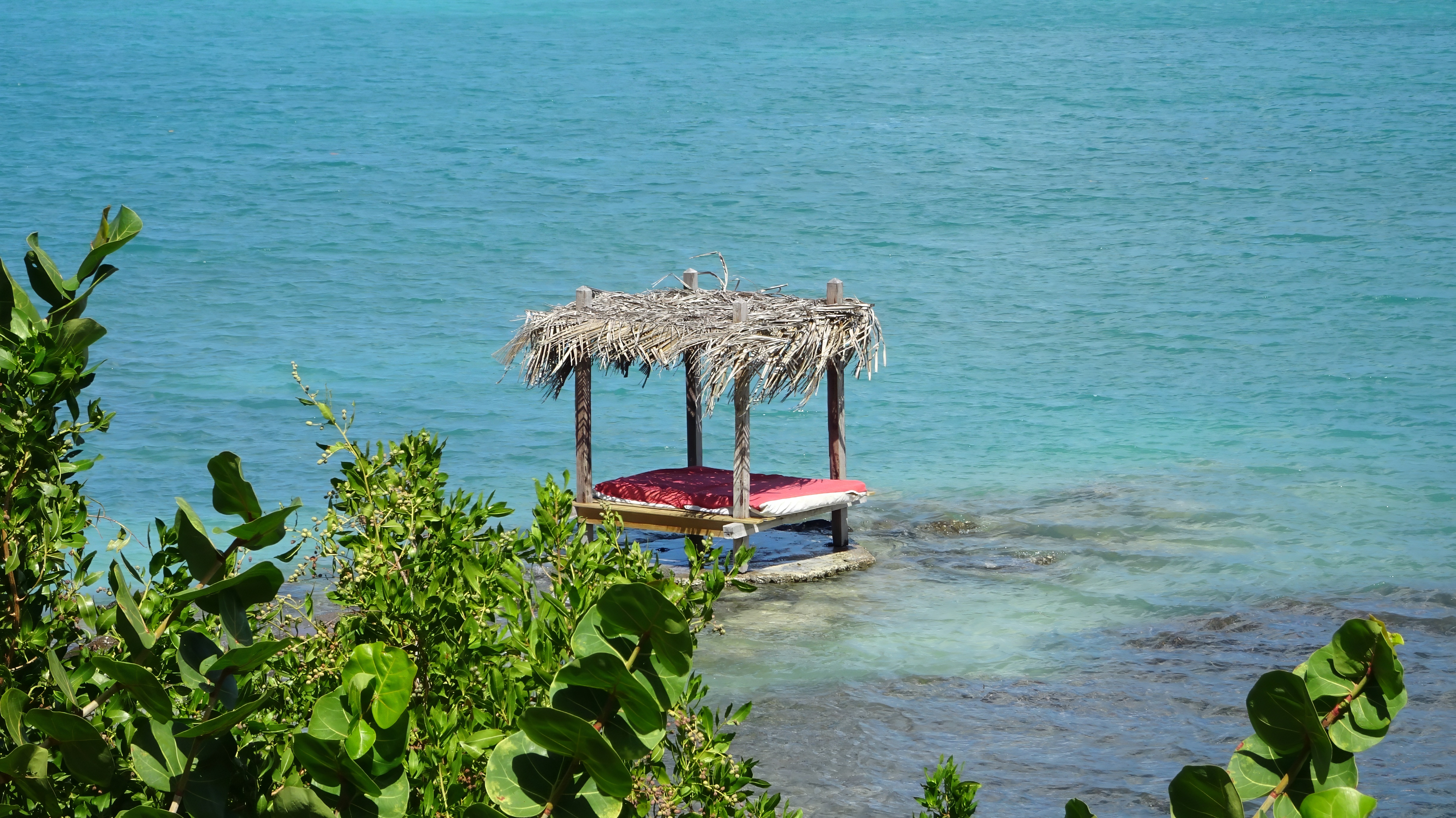
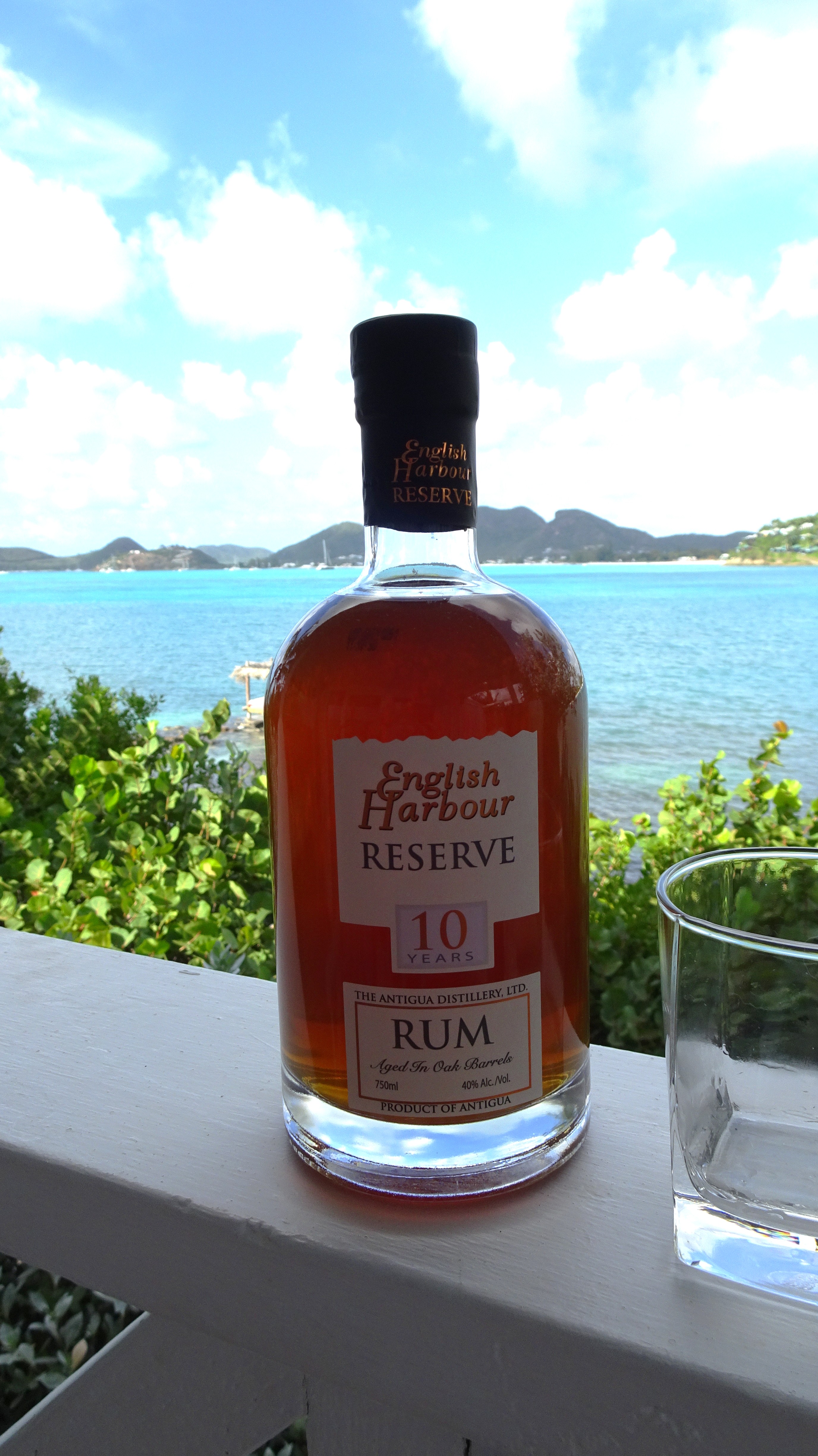
The highlight of the cottage—and of the week, to be honest—was that lovely, large verandah hanging at the water’s edge with its comfortable seating and plunge pool. To tell you the truth, though, the pool was ice cold, and Patty plunged only twice. Art begged off. It was quiet and private and we spent many an hour there relaxing in the hammock or on the Bali bed, listening to the wind in the trees. Oh, and drinking Antigua rum.
The week was relaxing, and the food was surprisingly good for such a small place. The highlight of the food was lunches at Cliffside. This was a small (cliffside) spot with only five or so tables for people who had purchased that “starfish experience.” The food was made teppanyaki style and presented beautifully. Although the service was spotty (we almost left one day because the bar staff/server failed to show up), the experience was fabulous overall.
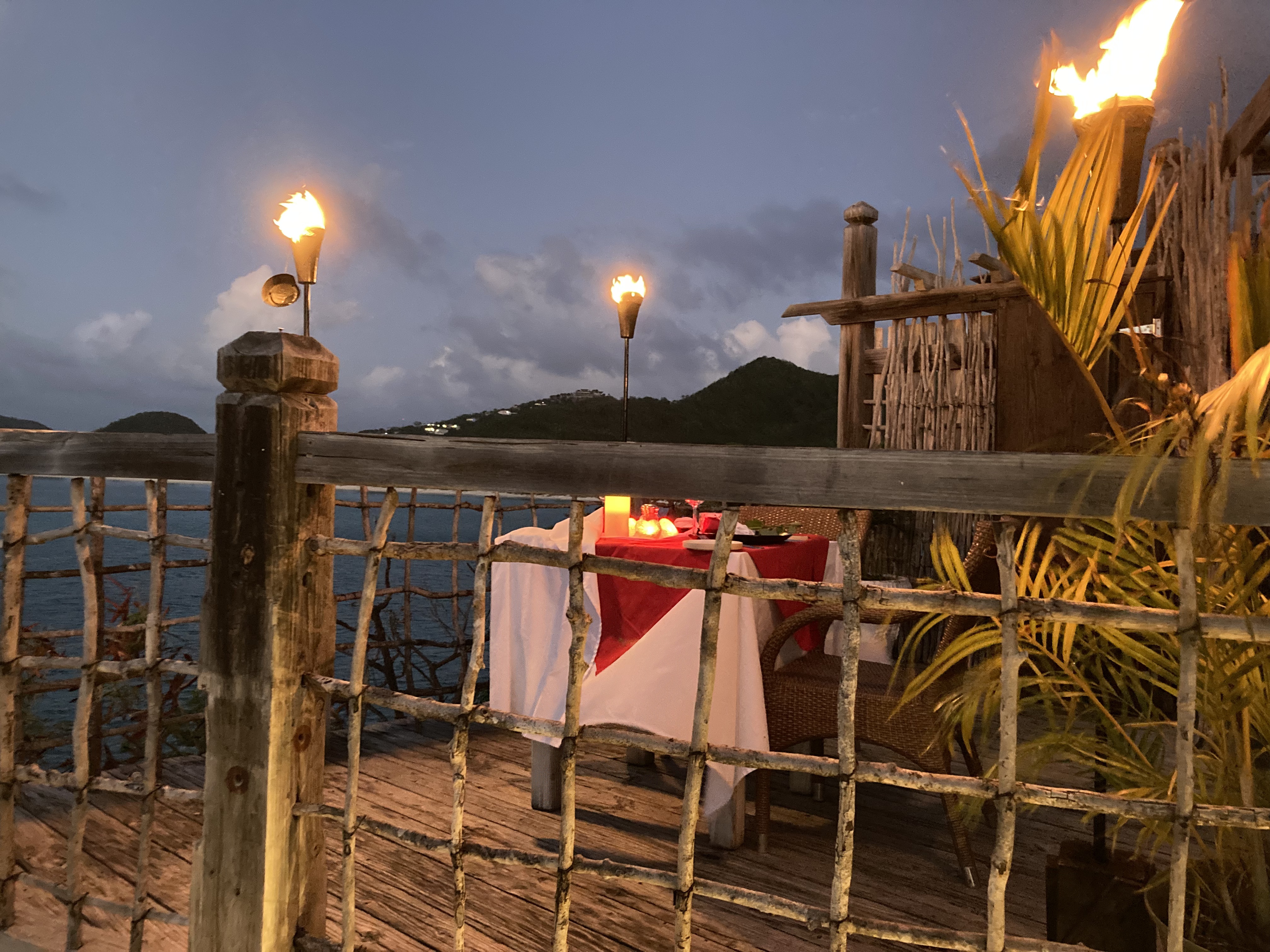
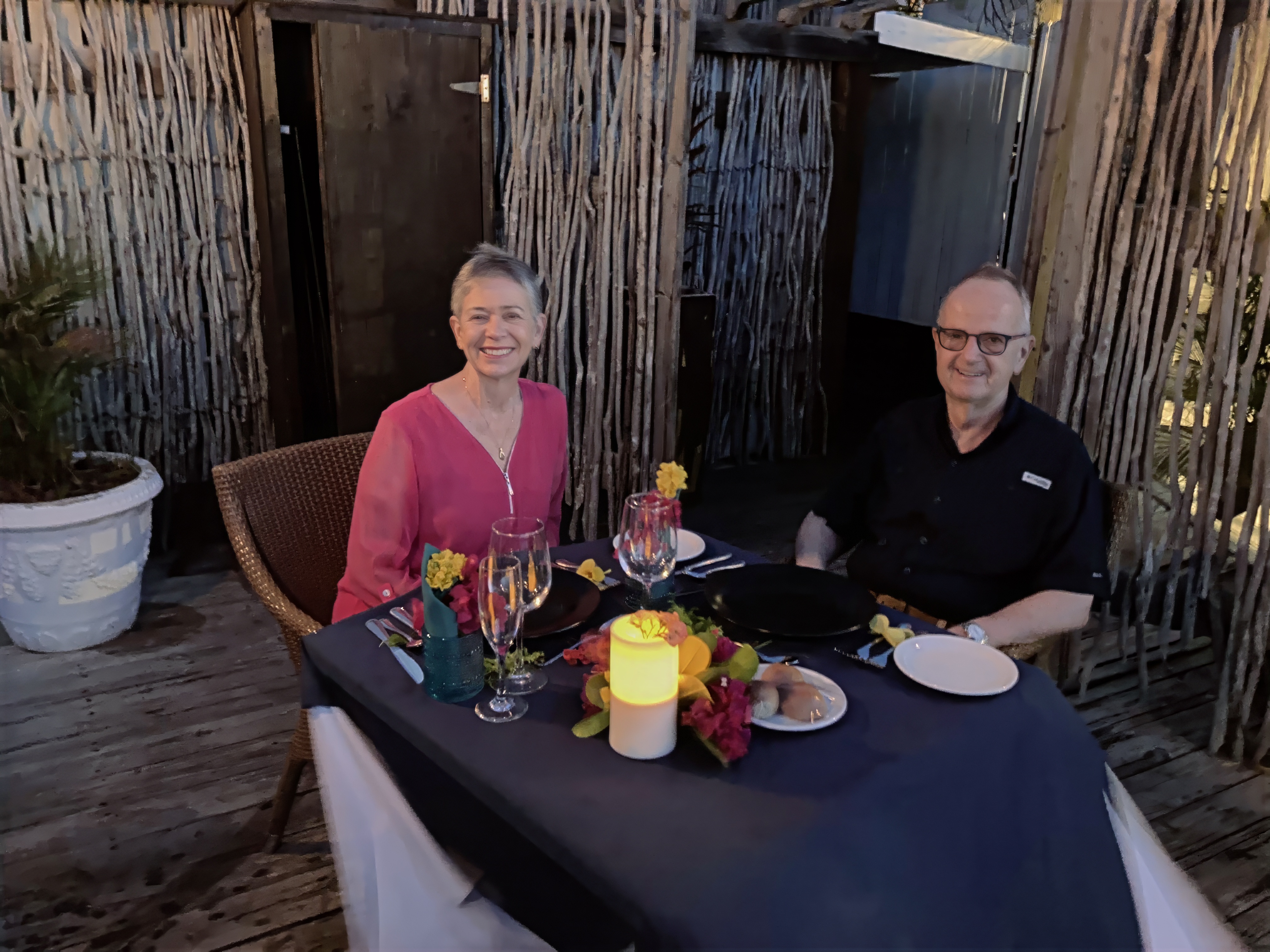
A highlight of the week was the private dinner we had as part of the “Starfish Experience.” Replete with tiki torches and lots of flowers festooning the table set on a private spot at the water’s edge, the dinner was served by a private server. A romantic interlude, indeed!
The beach was small …
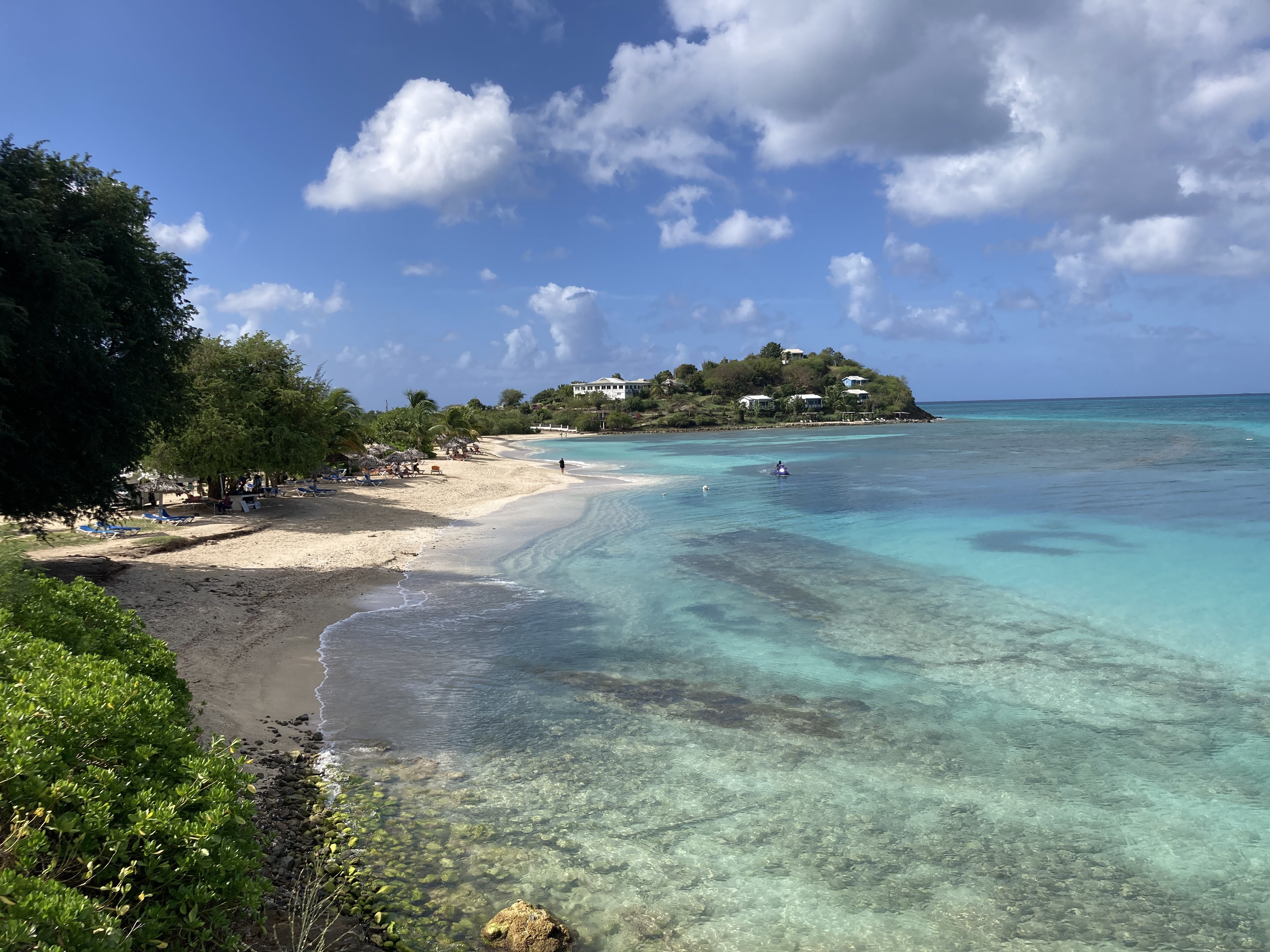
… but two larger beaches were a short walk away. We do love a beach walk, so we did venture to the two others. One of them is where they bring boatloads of cruisers from the port of St. John’s for the day, so it is to be avoided, but Big Ffrye’s Beach was worth the walk.
As we like to do, we couldn’t spend a week there without chartering a boat for a day. Our concierge arranged it for us, and we were off to explore the island from the ocean side (this was the first of two such events over the two weeks). We’ll tell you about that wonderful day in another post. And part 2 of the resort story is yet to come—we spent the second week at a much larger resort, the Royalton Chic. Stay tuned.
In the meantime, in case you’d like to tour Cocobay with us …
Link to Cocobay: https://cocobayresort.com/


 The Discerning Travelers
You must be logged in to post a comment.