Rio de Janeiro: One for the Bucket List

Rio de Janeiro: One for the Bucket List

Part 2 of The Discerning Travelers Marvellous Adventure in Brazil and the Amazon series

Have you ever seen a movie or watched an online video and thought, “I have to visit that place before I die?” Art had kept an image of the statue of Christ the Redeemer in his mind for decades, always hoping that circumstances might one day propel him to visit it for himself. That image was one of the driving factors behind our bucket-list trip that started in São Paulo.

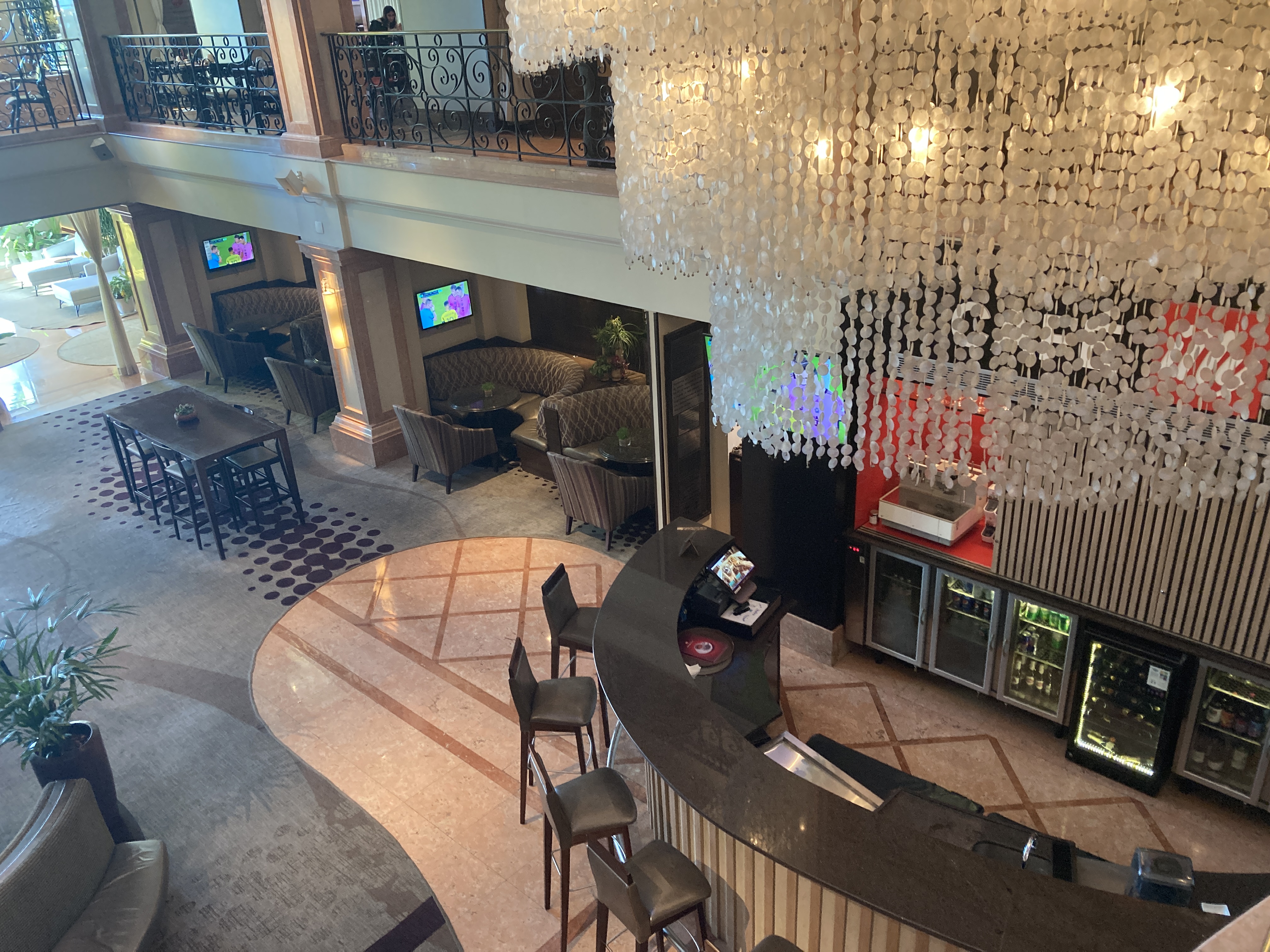
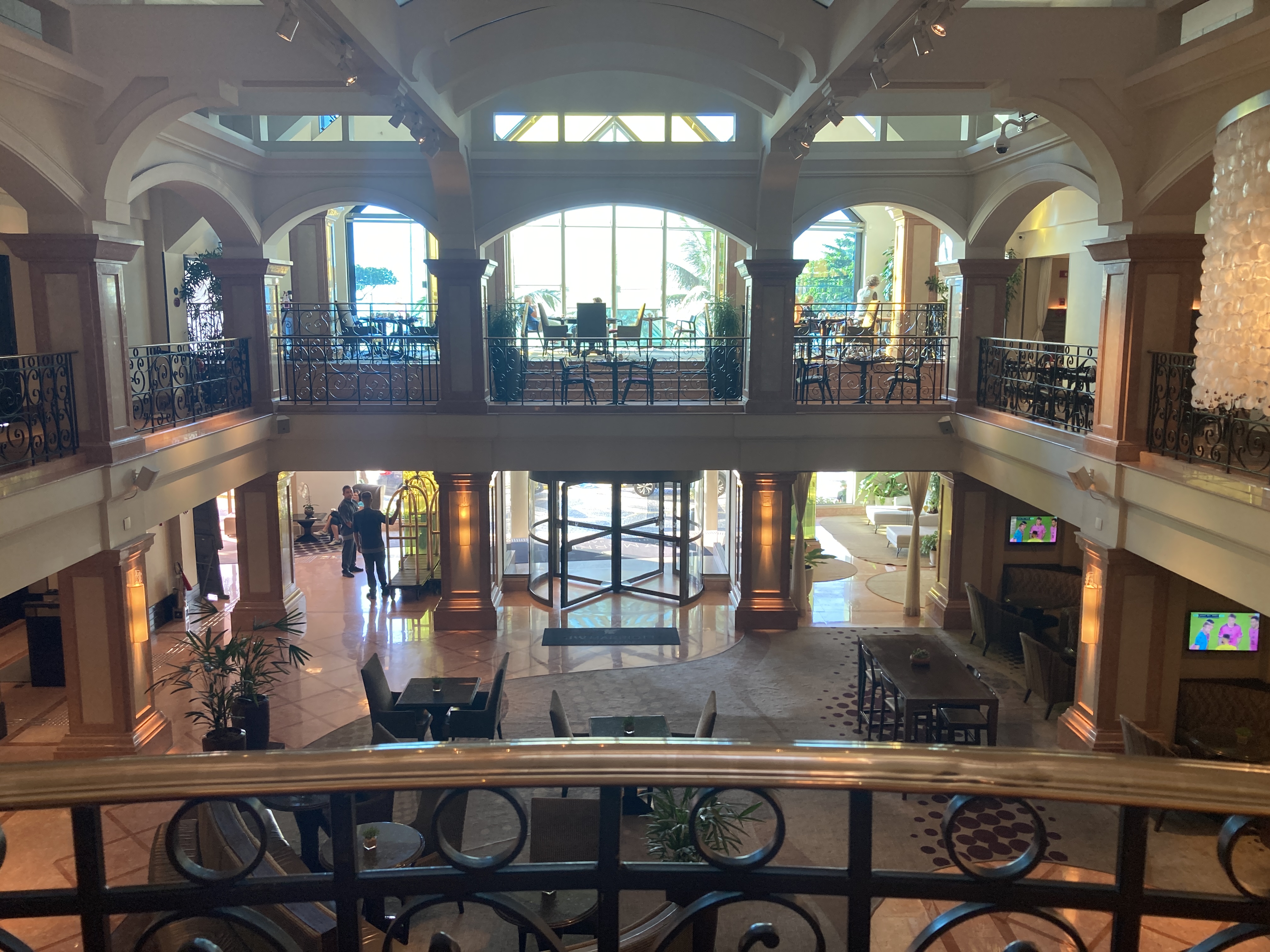
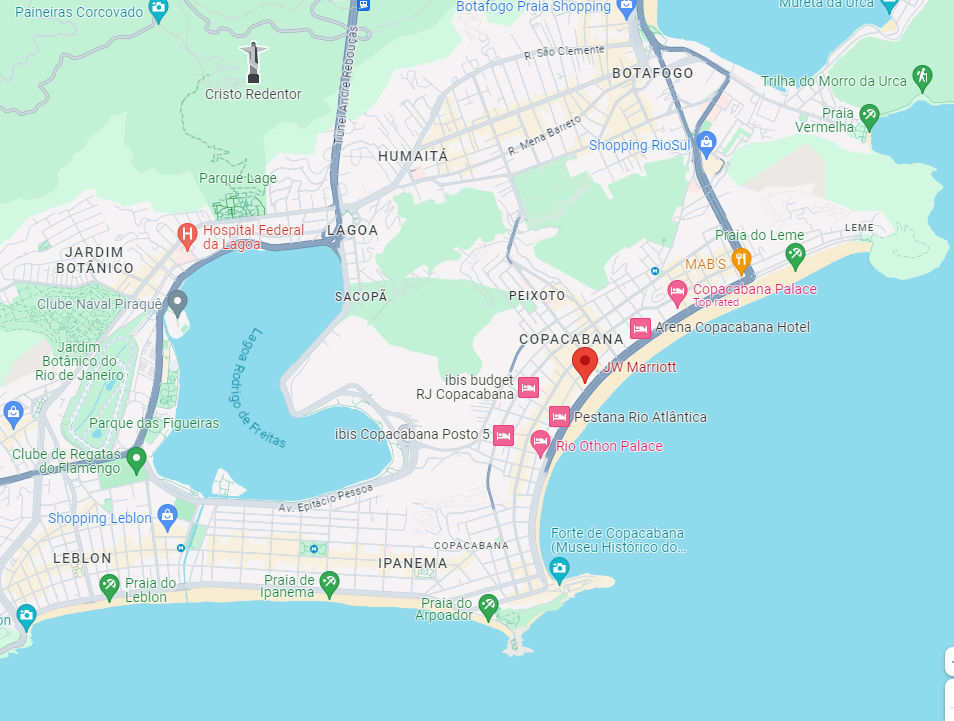
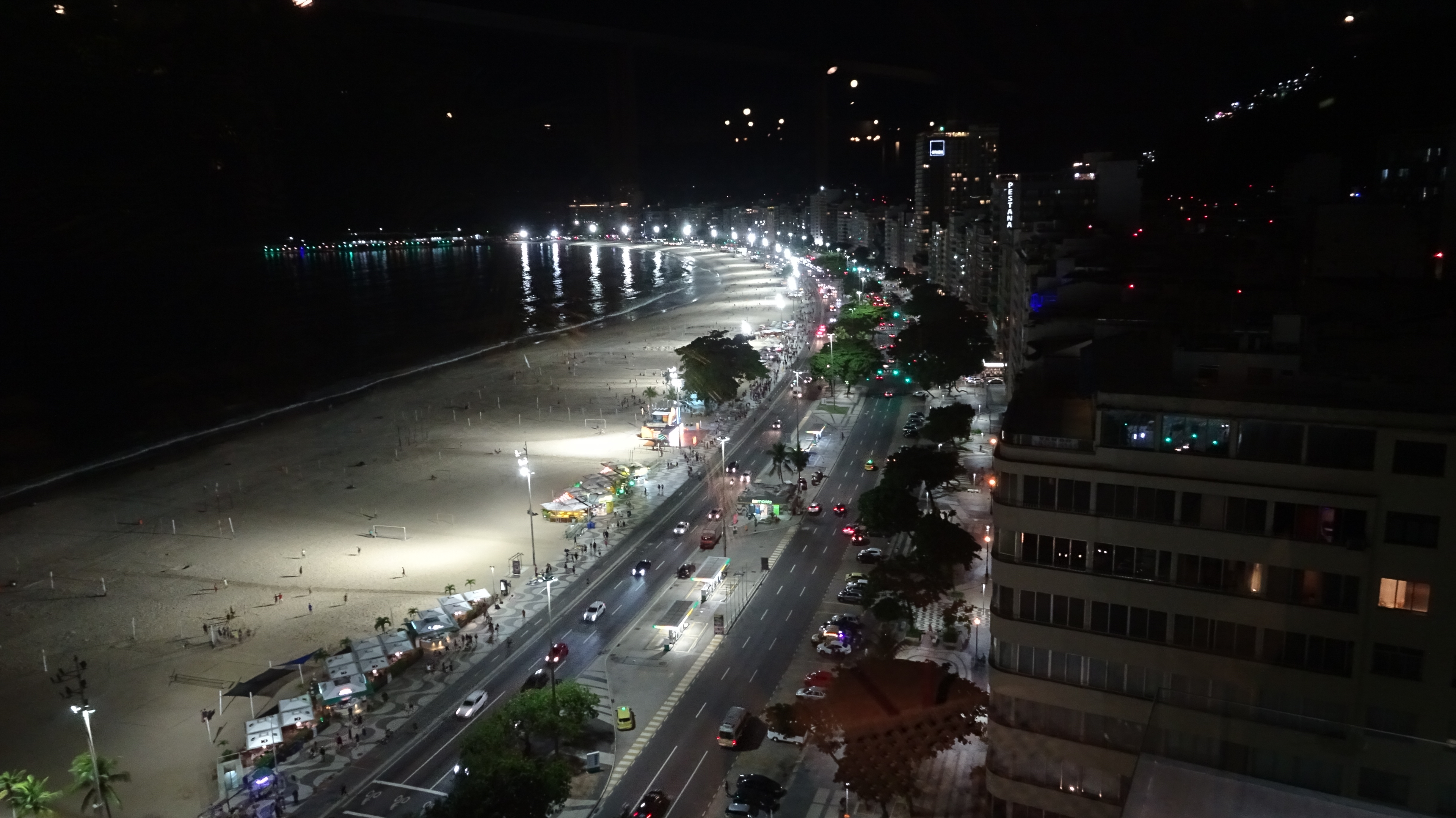
After two days in that megalopolis and a road trip along the south coast of Brazil (you can read about that leg of our journey here), we arrived after dark in Rio de Janeiro to see the twinkling lights along Copacabana Beach, where we checked into our hotel, the J.W. Marriott Copacabana, to begin a couple of days of memory making before embarking on a cruise that would take us into the Amazon and beyond.
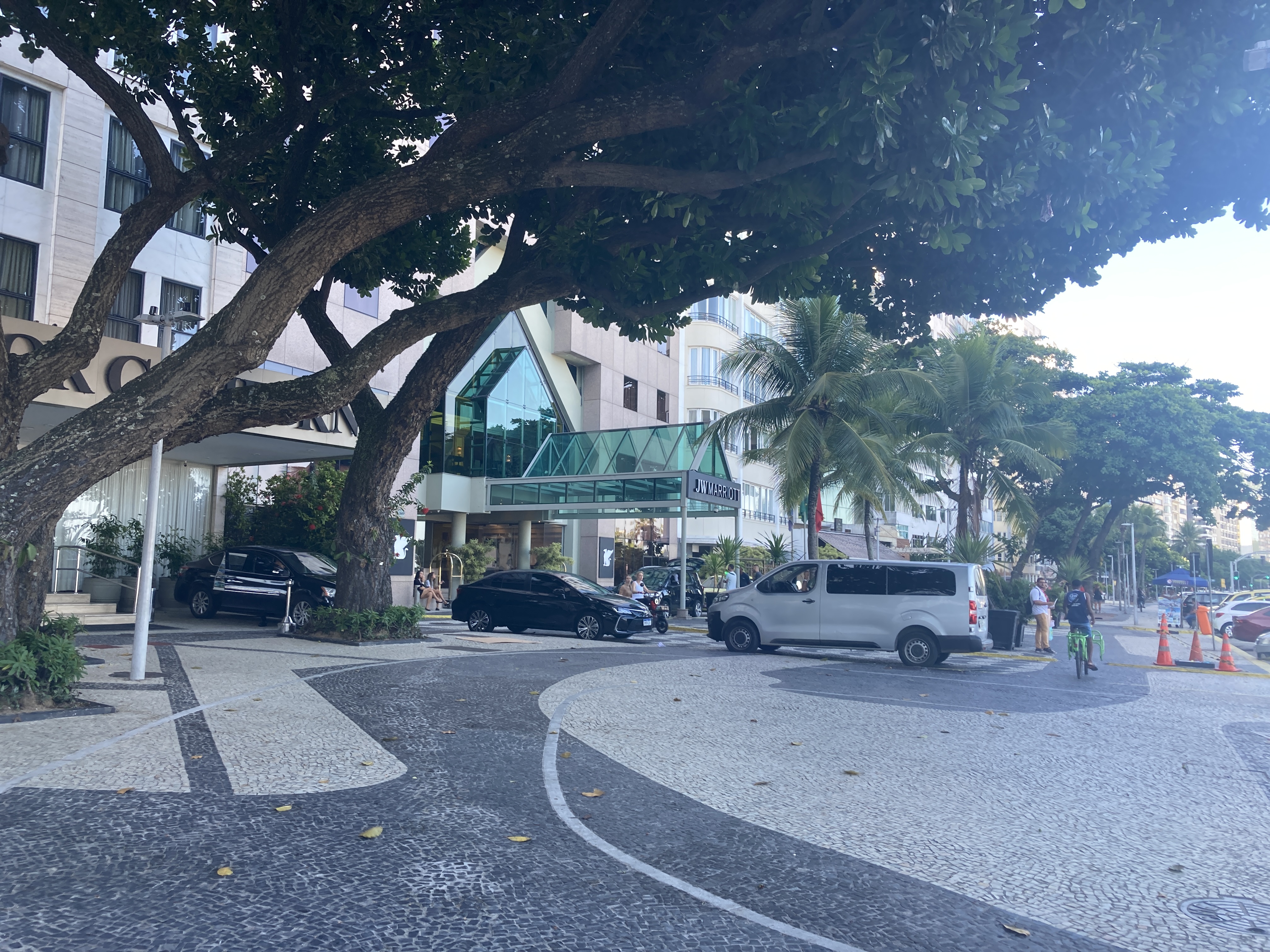
When the sun rose the following morning, we were finally able to take in the breathtaking beauty of the city. You can almost feel the beats of the samba and bossa nova as you meander through this city, which is one of the most visited cities in the southern hemisphere.

We were up bright and early to meet Michael, our private guide, for a full-day tour of the highlights. When you don’t have a lot of time, you must pack a lot into a day or two. We would spend a day seeing tourist sites with our guide and then a day exploring on foot on our own.

We began our tour with the crème de la crème. According to Michael, early in the morning is the best time to see Christ the Redeemer (before the crowds), so we made our way to the ticket booth and boarded the tramway train car to get to the top of Corcovado Mountain, home to this impressive and iconic statue.
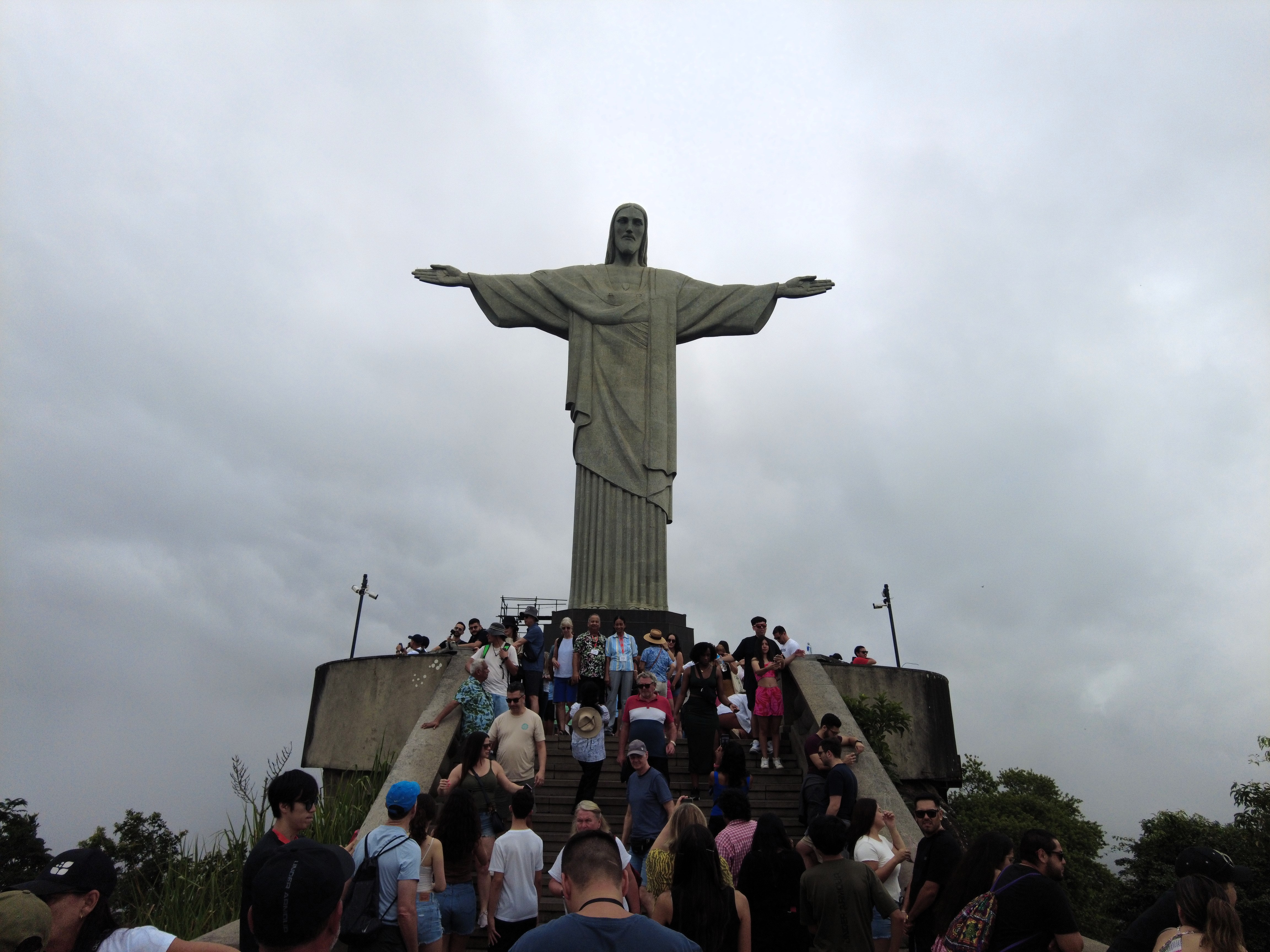
Michael was a bit concerned as we made our way to the top that it might, as it had been in recent days, shrouded in fog. We were lucky that day. The massive face of Christ moved in and out of the mist as our morning visit progressed. It was very atmospheric.

Opened in 1931, the Art Deco statue is 30 metres (98 feet) high, and Christ’s outstretched arms span 28 metres (92 feet).
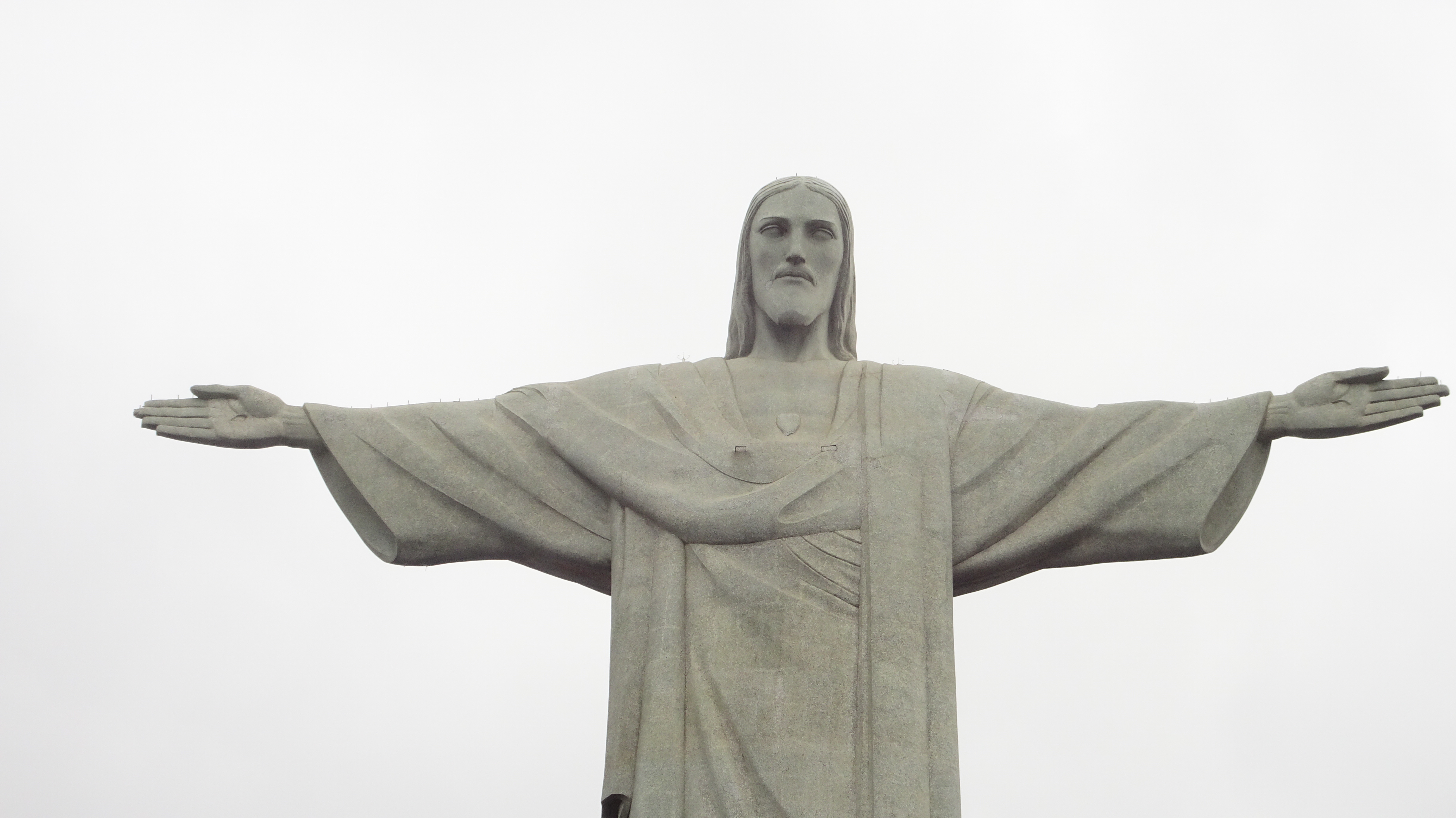
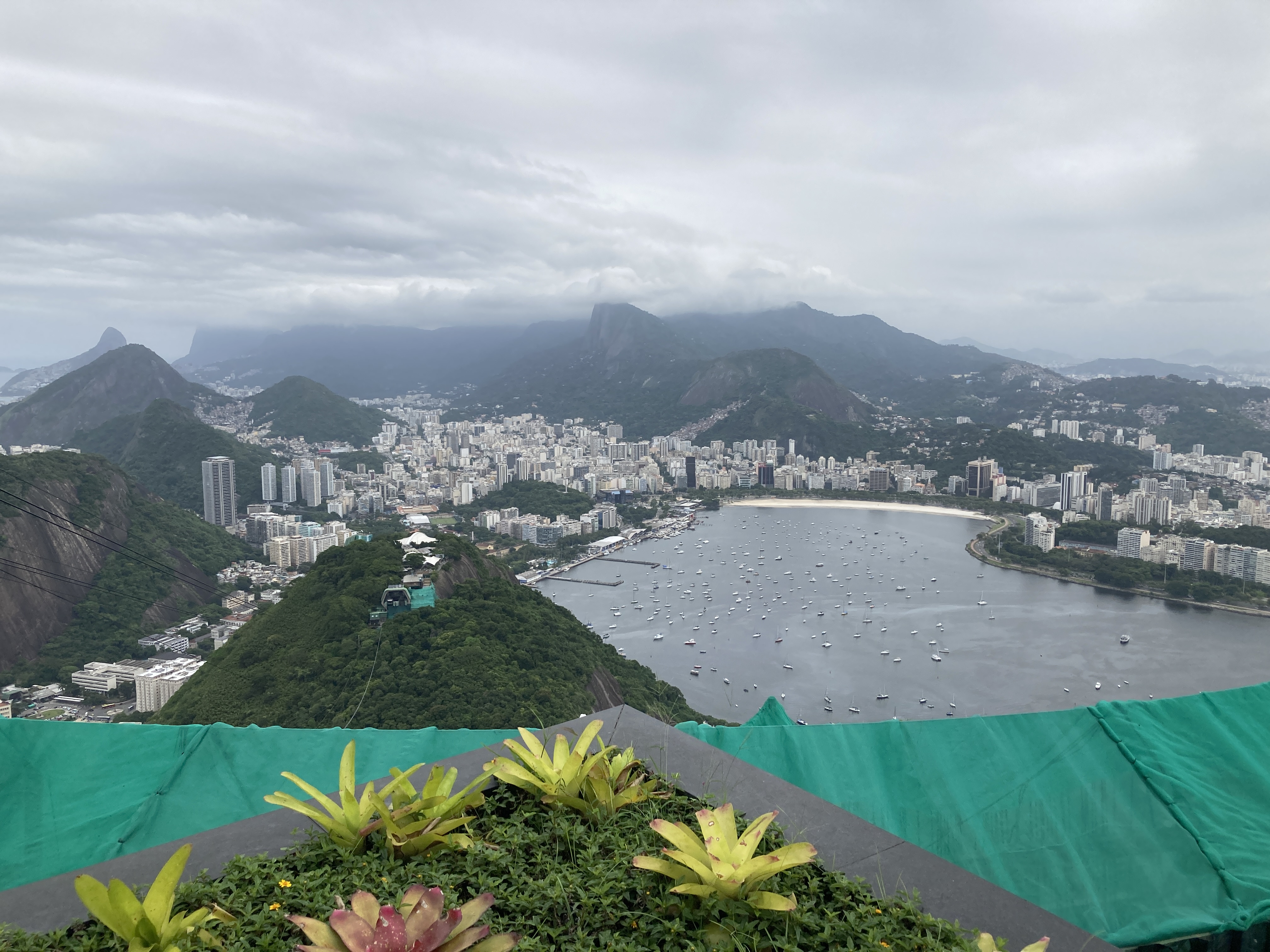
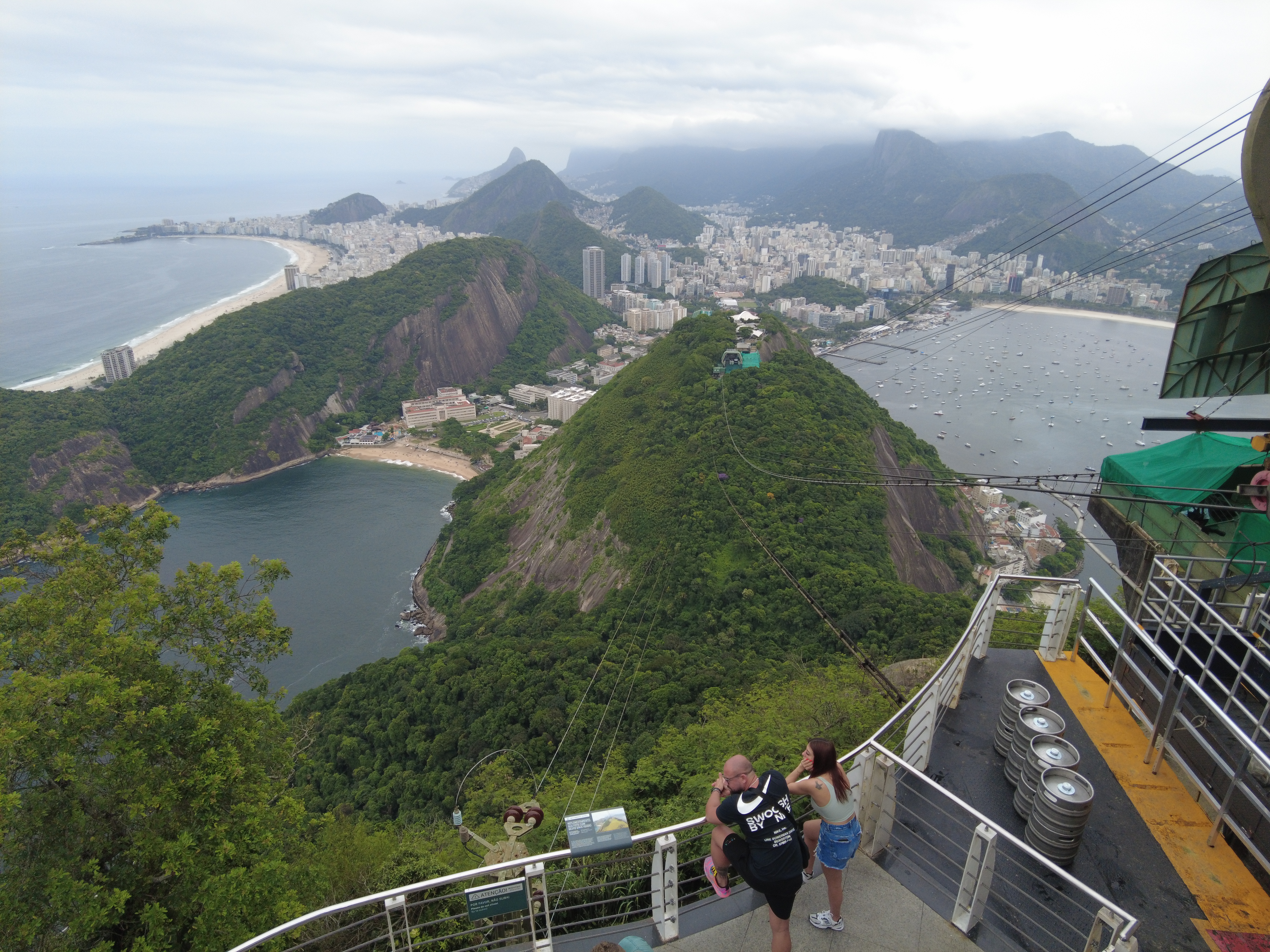
Despite the early hour, the crowds on the top of the mountain were already beginning to gather. Once we had seen the monument from every possible angle, it was time to get back on the tramway train and go back down so we could reach the top of the other icon that makes Rio so recognizable in photos: Sugarloaf Mountain.

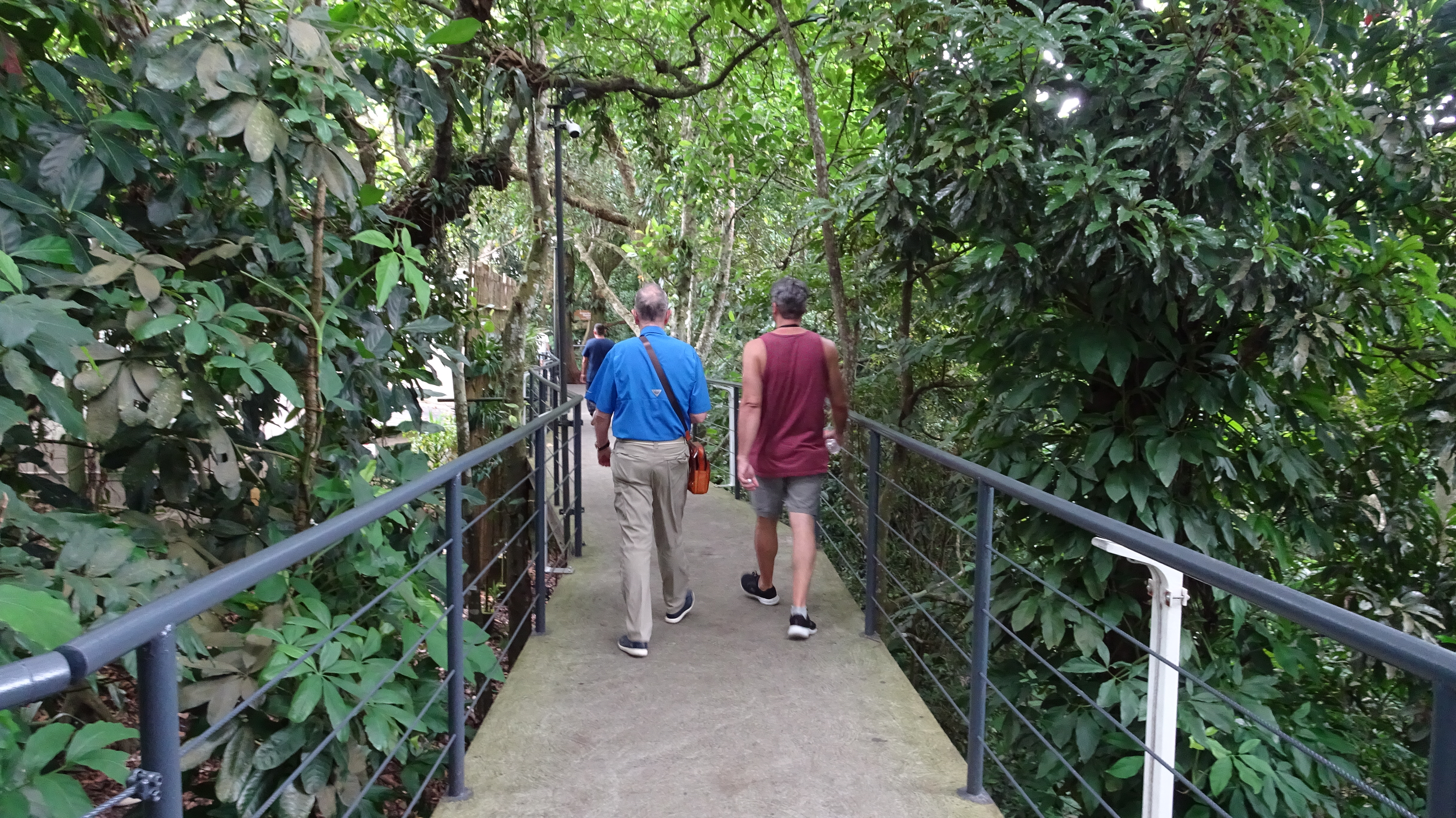
Getting to the top of Rio’s Sugarloaf is a two-stage trip on two gondolas. What we would have missed if we hadn’t been with a private guide was the stop halfway up. Instead of immediately boarding the next gondola, we took a walk through the lovely garden. We were able to appreciate the views from there before ascending to even more spectacular views of the beautiful city.
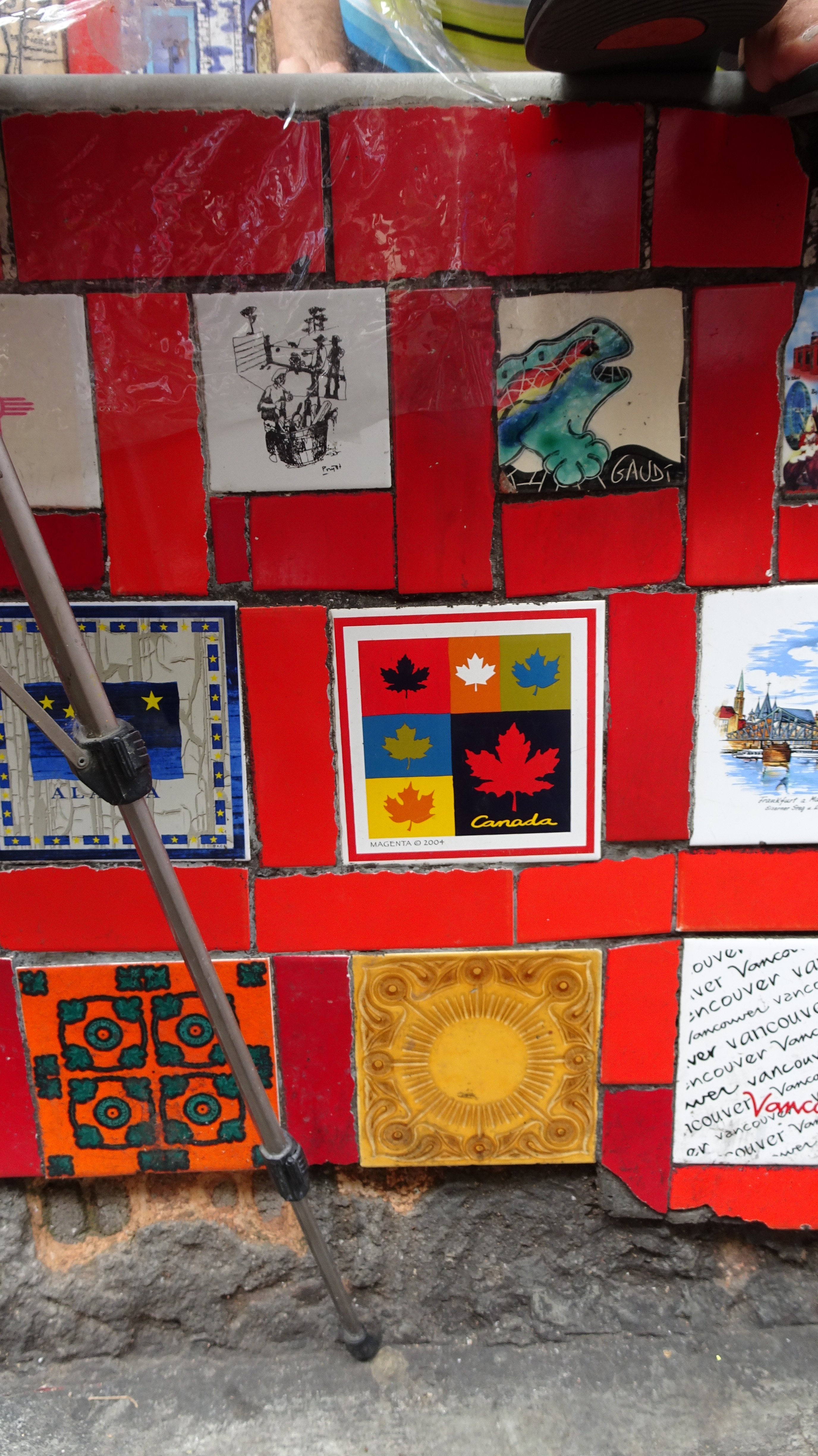
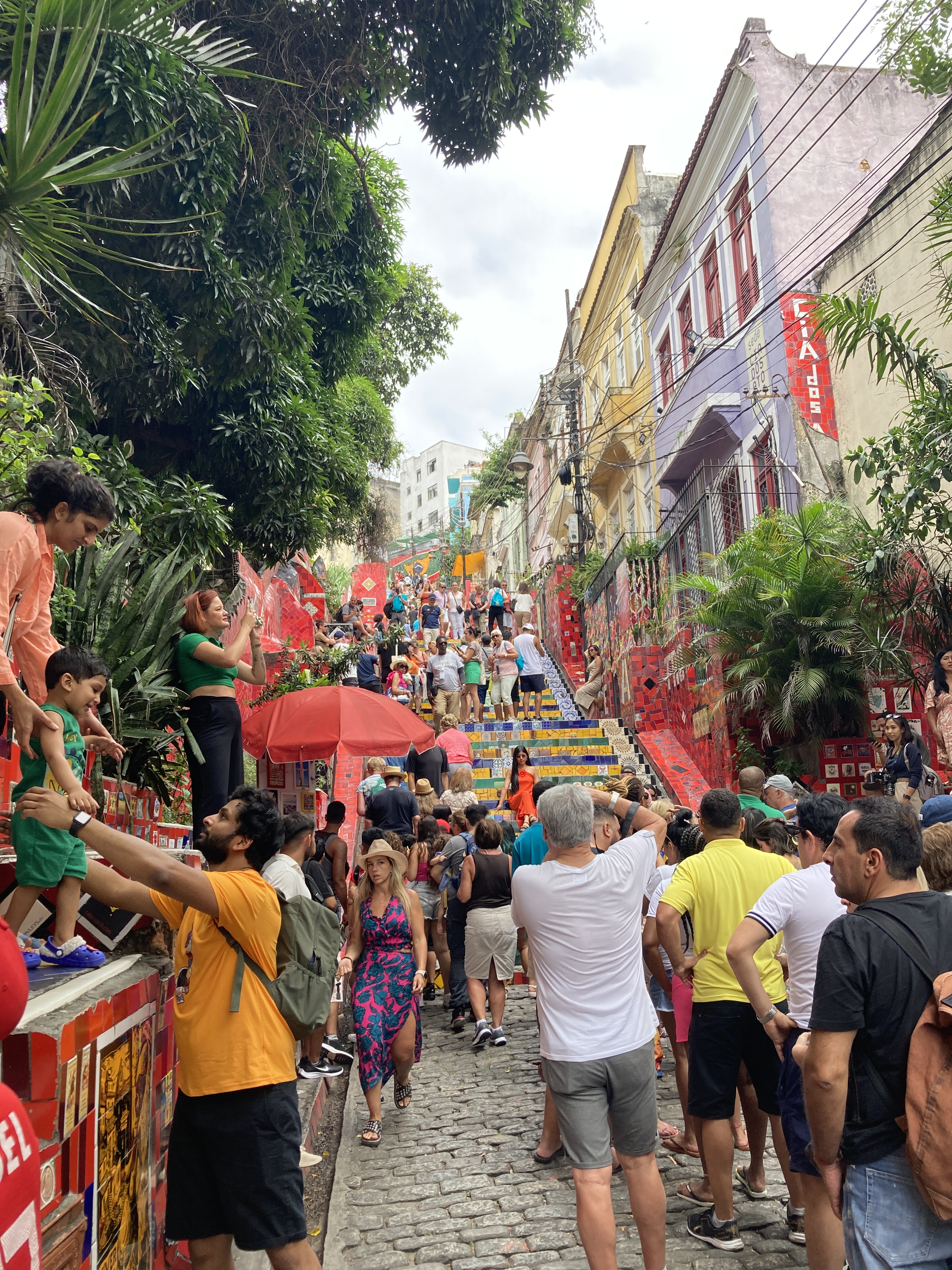
Once back at sea level, Michael took us to another site he suggested was a must-see: the Escadaria Selarón—a set of steps covered with tiles. He insisted we weather the crowds and see the Canada tile. Well, we did, and we found it odd. If anyone were to ask us if we thought they should visit, we would have to say it was seriously underwhelming. It was hot, crowded and not particularly interesting as Brazilian sights go. But we can say we were there.
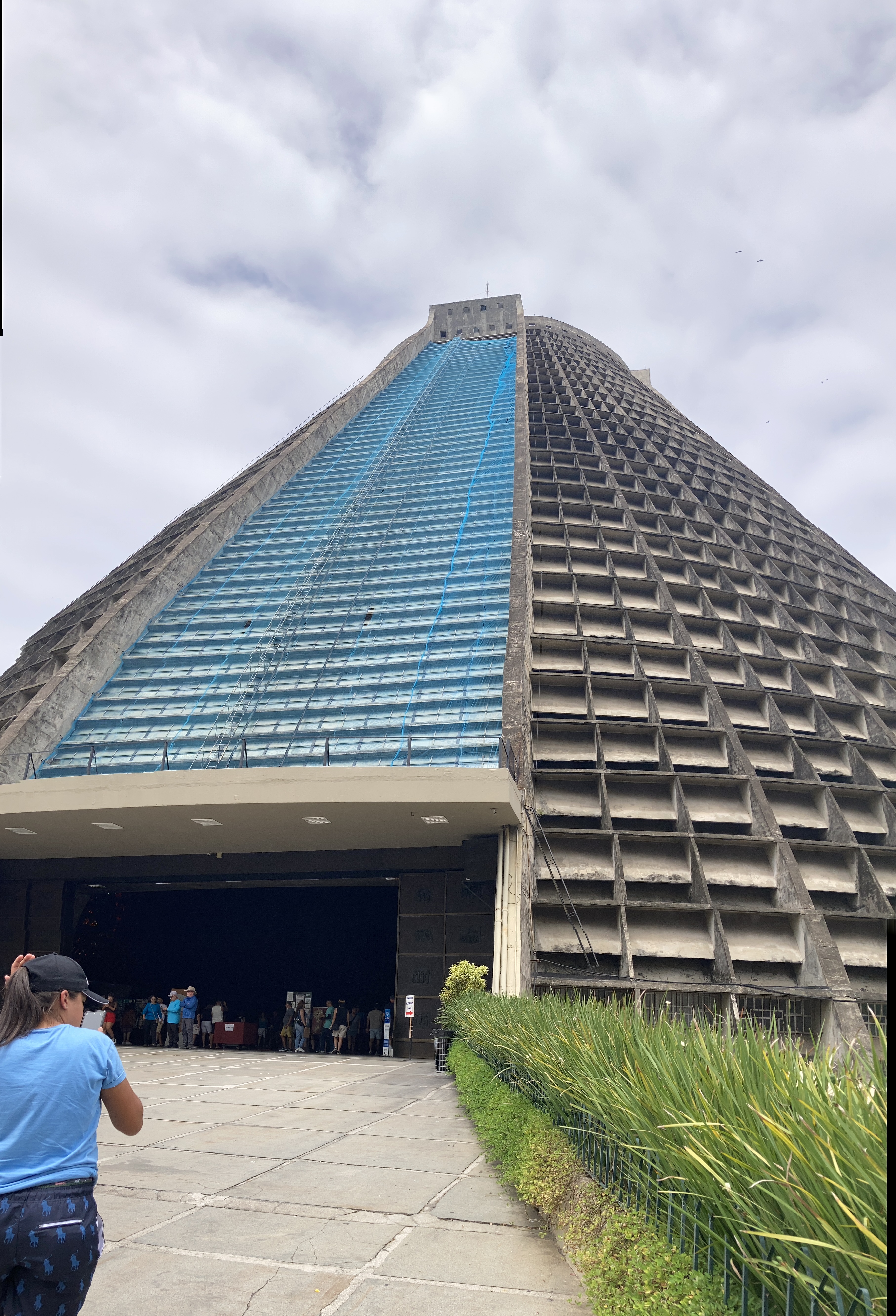
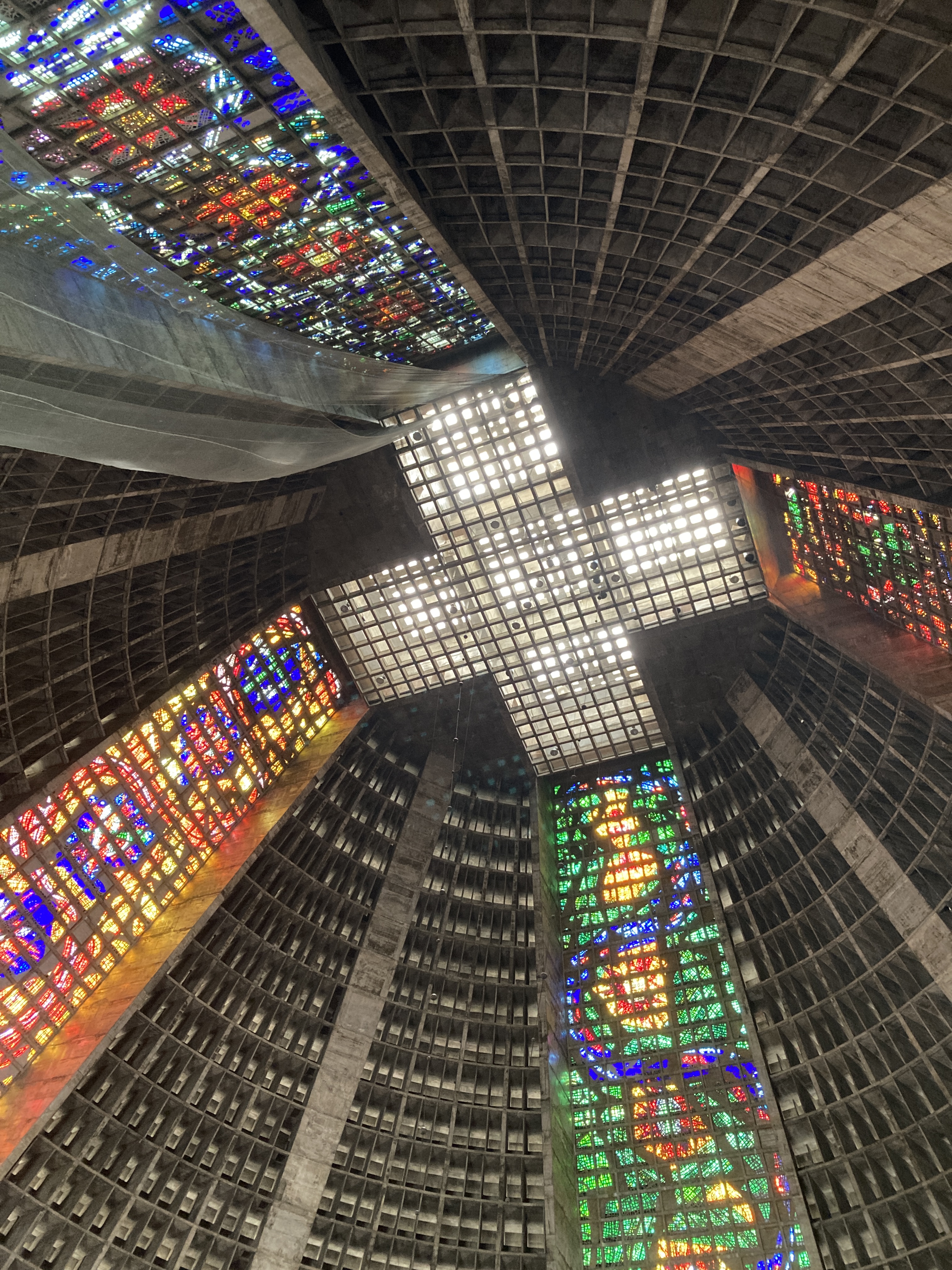
Our last stop was the Metropolitan Cathedral of St. Sebastian. Michael thought we might enjoy seeing a church that wasn’t at all what we might expect to see. It wasn’t, and it wasn’t at all like the European-style churches we would see as our Brazilian adventure continued. (Churches are not really our thing, but when in Rome… or Rio …)
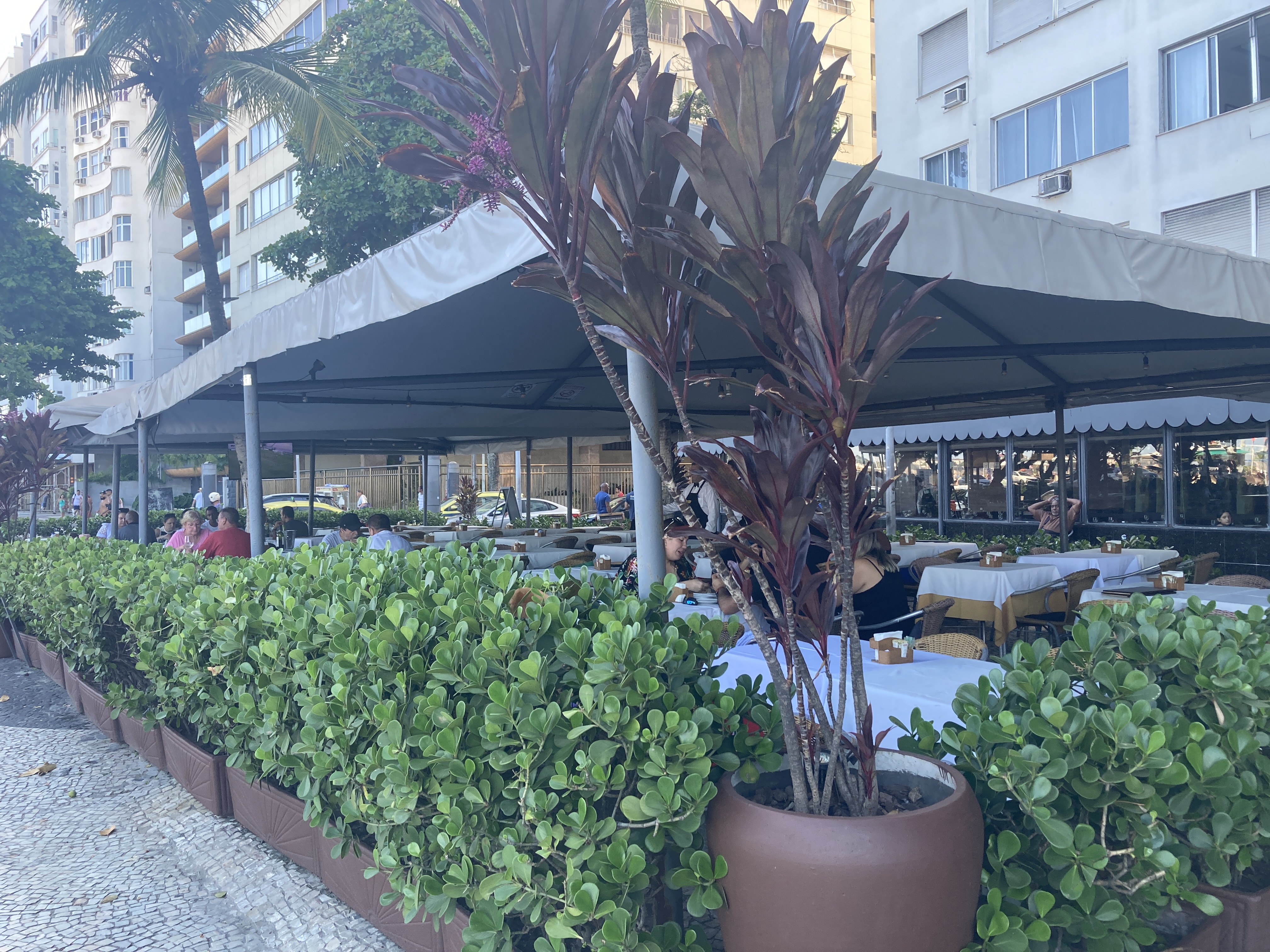
Once back at our hotel on Copacabana Beach, we wandered out into the evening buzz and found ourselves an outdoor restaurant right on the Avenida for dinner.

Dinner anyone?
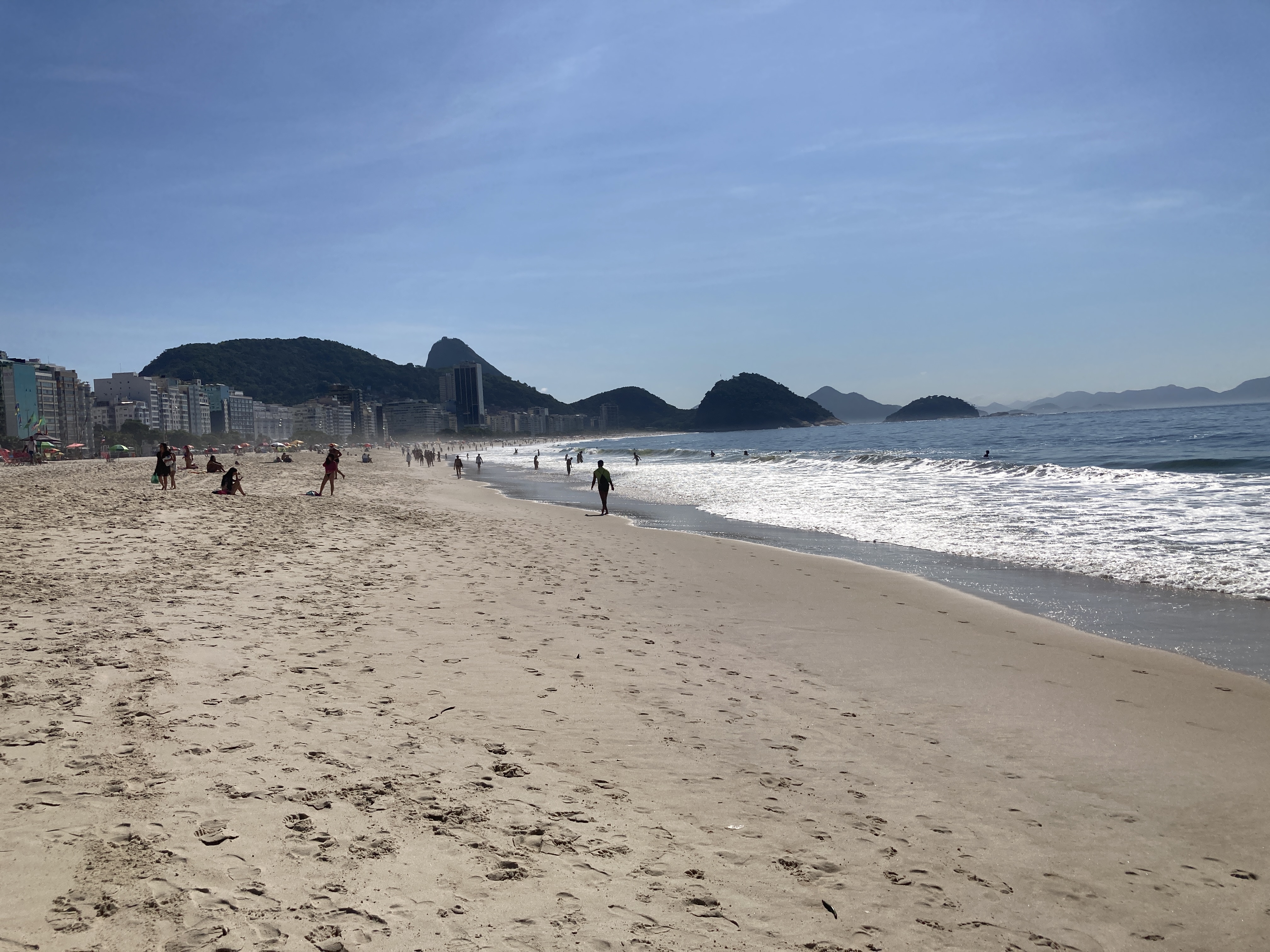
The following morning found us up and out to walk the beach to get a feel for the Copacabana vibe, after which we took a walk into Ipanema to search for that girl—and a Brazilian bathing suit for Patty!

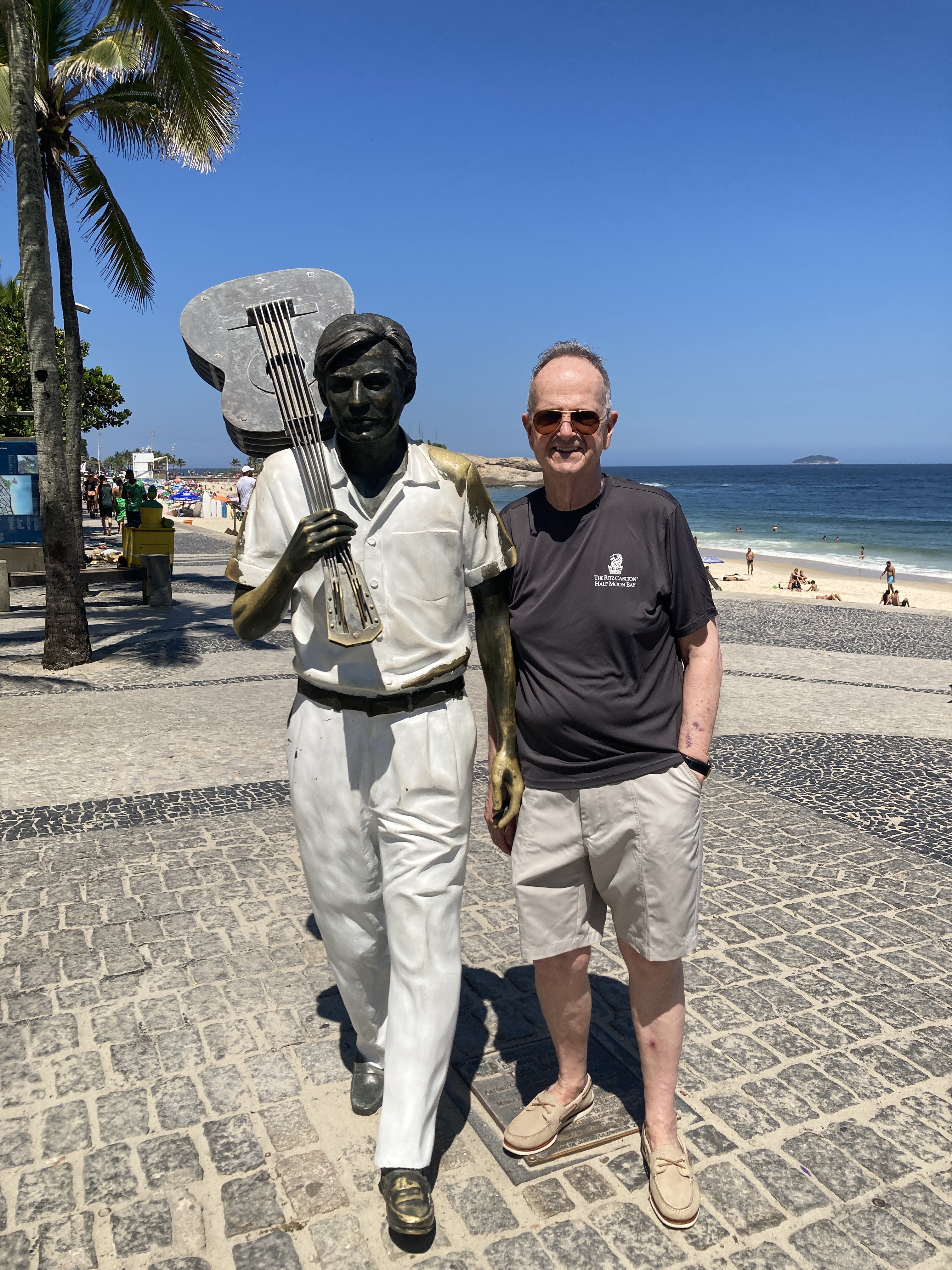
Art, ever the musician, had a chance to walk with guitarist and composer Antônio Carlos Jobim, who wrote “The Girl from Ipanema,” that iconic song, and we both concluded that we liked the vibe on Copacabana Beach better. Ipanema is much smaller, although if you’re a surfer, that’s the beach for you.

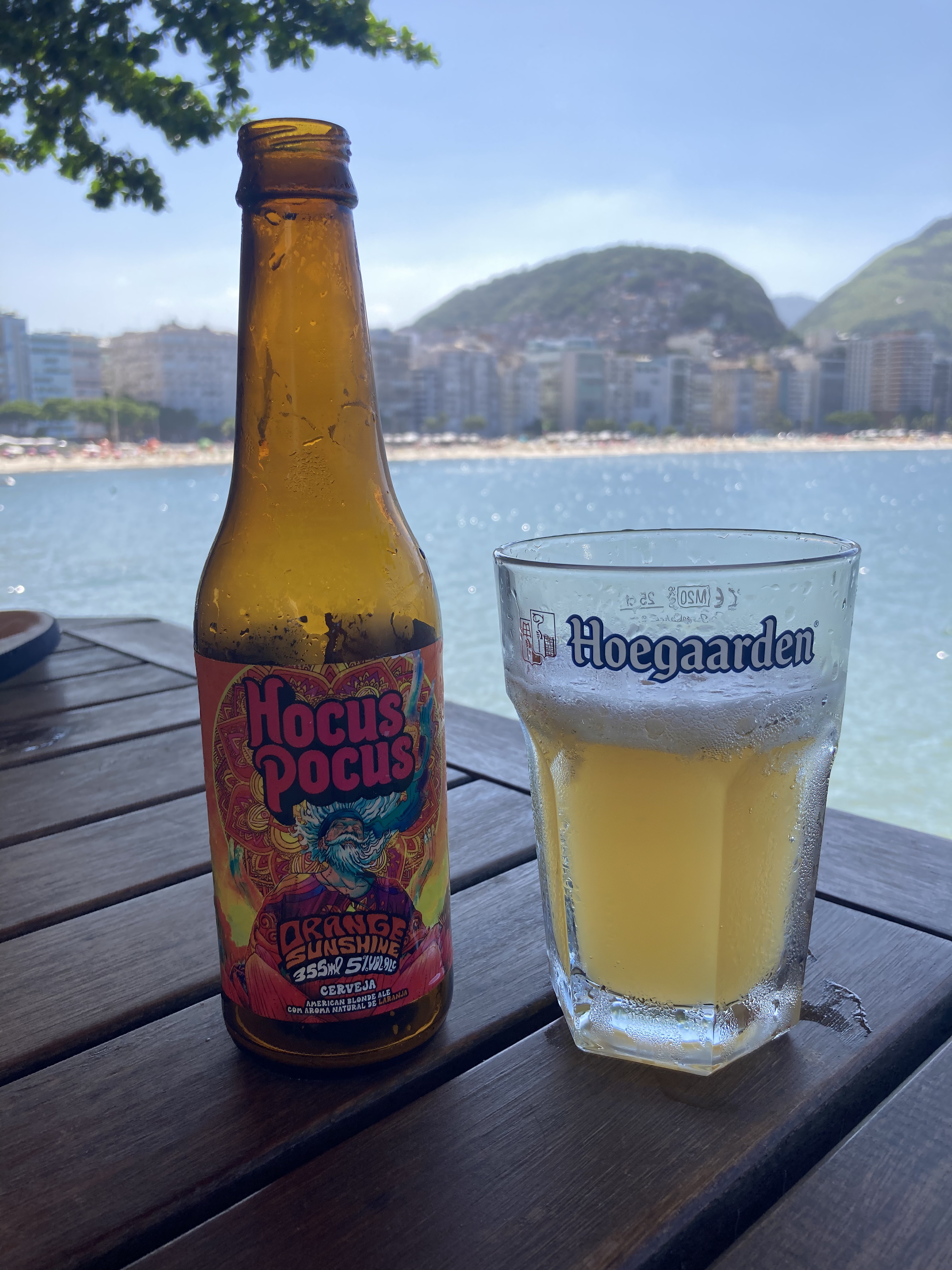
It was a hot day, so we went to a restaurant at Fort Copacabana, an old military establishment with a to-die-for view of the beach and two restaurants. We were ready for a local beer—Hocus Pocus.
We had only three nights (and two full days) in Rio before we boarded the Oceania Marina to head north along the Atlantic Coast and into the Amazon. That’s a story for part three!

If you want more of a taste of our days in Rio, here’s a little video.

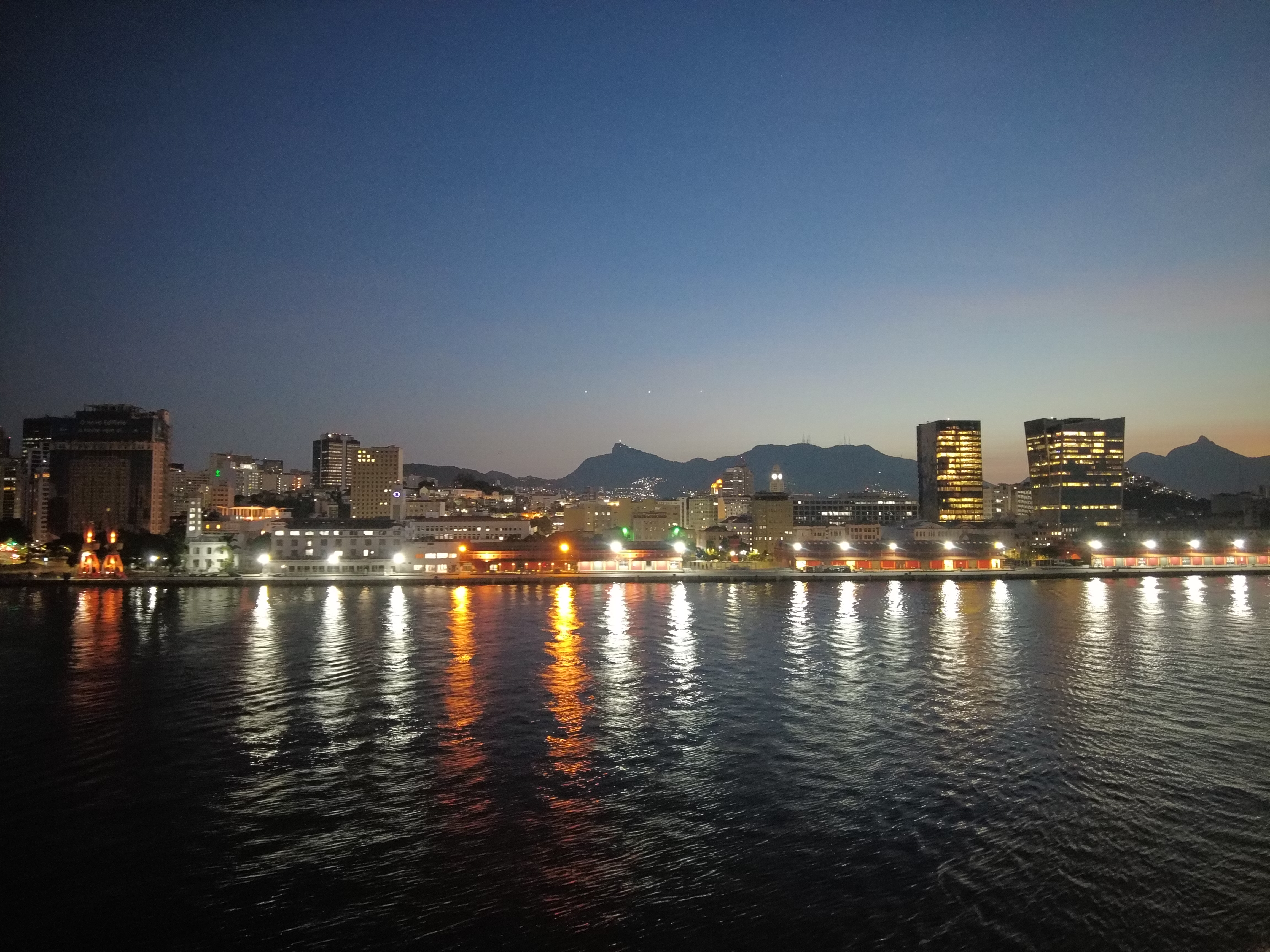
Saying goodbye to Rio as we sail away to the Amazon River. Stay tuned.
On the Road: São Paulo to Rio

On the Road: São Paulo to Rio

Part 1 of The Discerning Travelers’ Marvellous Adventure in Brazil and the Amazon series

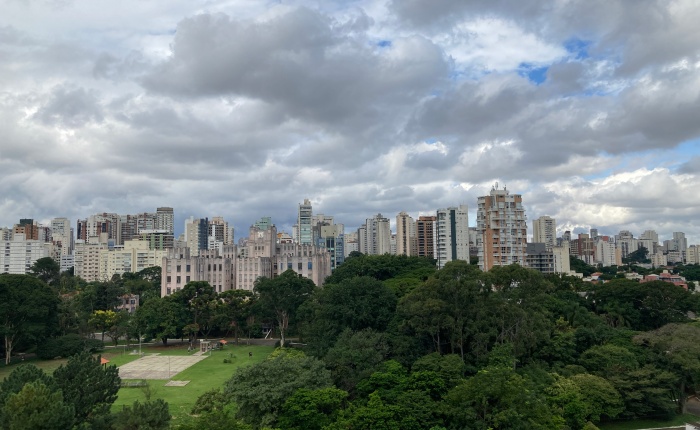
After all these years, you might think there were no places left on our travel bucket list. You would be wrong. Art had always wanted to do two things: visit the Christ the Redeemer statue soaring high over the city of Rio de Janeiro and take a cruise into the Amazon River. We have done all of that and more. Here is where we began our most recent adventure: in the mega metropolis of Sao Paulo, the gateway to our adventure.

After a ten-hour non-stop flight from our home in Toronto to the city of São Paulo, we were ready for our adventure. As usual, we treated ourselves to Signature Class, so we began our holiday the minute we arrived at Pearson International Airport with a lovely dinner in the Signature Class Suite.

Then we settled ourselves in our pods, watched a few movies, slept, had breakfast, disembarked and were greeted in the jetway by a host from AssistAnt, the international company we’ve used before to whisk us through customs and immigration in major international airports. Well worth the $$$.

We had arranged with Tours-by-Locals, our go-to tour company for day trips, to have a guide pick us up at the airport on the morning of our arrival and give us the day-long tour of the city, taking us to the highlights.

We had only two days and wanted a taste of Sao Paulo, the mega-metropolis of over 20 million people. Yes, it’s that mega.

Our guide hit the highlights, even providing us access to points where we could get a view of the spread of the city. He also introduced us to mortadella sandwiches that we enjoyed as we perched ourselves at a table in a bustling city market.

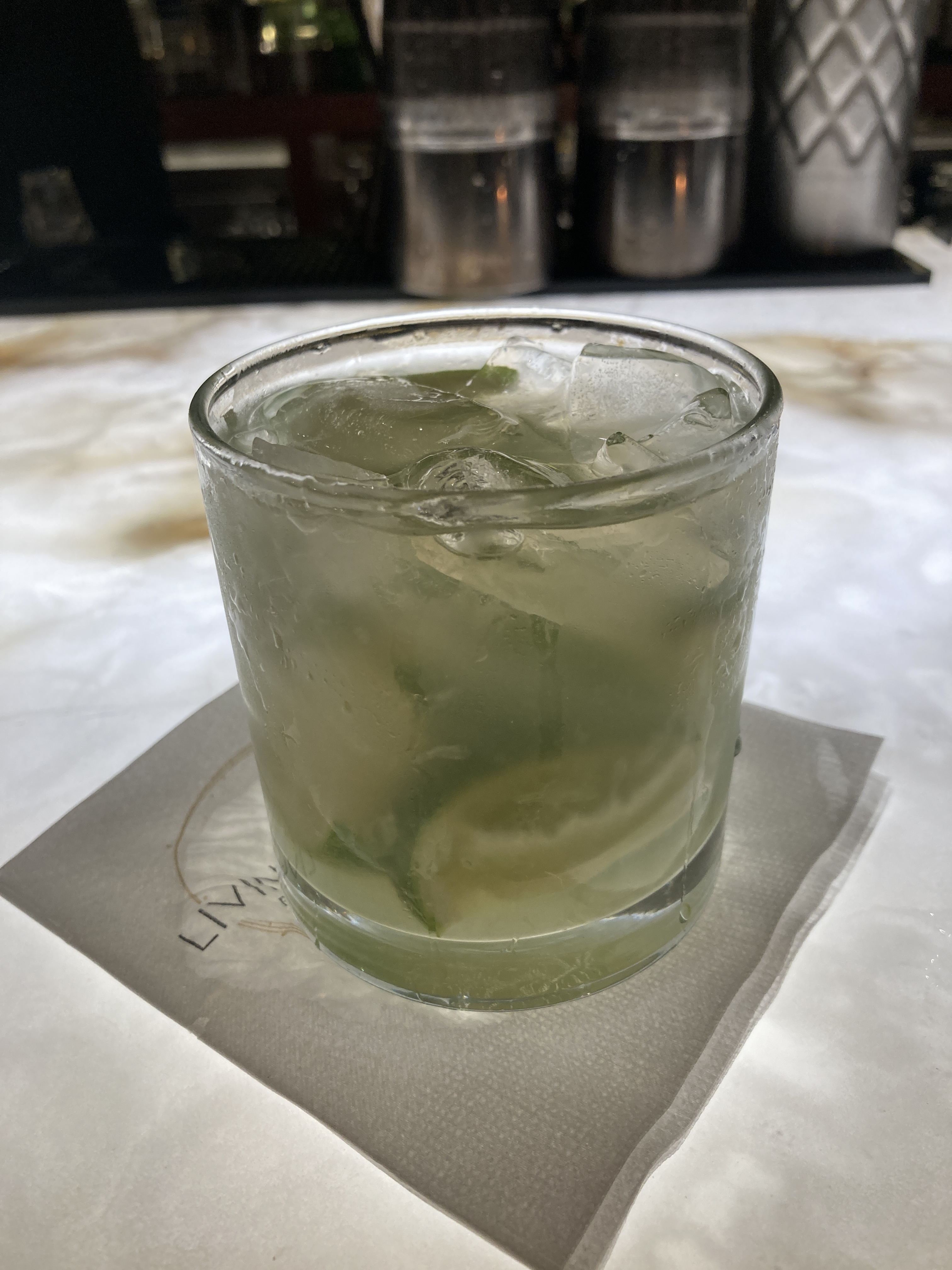
When he dropped us at the São Paulo Renaissance Hotel in the Jardins district of the city, we were ready to relax. Of course, what does one drink on one’s first night in Brazil? A Caipirinha—Brazil’s most famous drink (cachaça, lime juice and superfine sugar).

Before we‘d even left home, we’d been warned by anyone who had ever been to the cities of Brazil that we should be extra careful about safeguarding our belongings—no visible signs of money such as expensive watches, rings, jewellery, and cell phones hidden as much as possible. We also checked to see
that the district where our hotel was located was a relatively safe one. It was. And the Jardins district is a bit like what the French name says: gardens. A lovely place to walk, which we did—without jewellery or expensive watches.

Language is a bit of a barrier in Brazil since their Portuguese is so difficult for us to pronounce and understand. Patty speaks enough French to get by in a French-speaking country, and we’ve acquired a bit of travel Spanish. Brazilian Portuguese, though, was something else entirely. However, although English is not widely spoken outside the most touristy establishments like hotels, the people are warm and understanding. Patty even managed to do a bit of shopping, making herself understood by a lovely young sales associate.

On our second day, we walked—for twenty kilometres or so and saw as much as we could of the area where we were staying. The following day, another guide that we had arranged from a company called Day Trip picked us up at the hotel promptly at eight in the morning, and we began our journey to Rio de Janeiro.

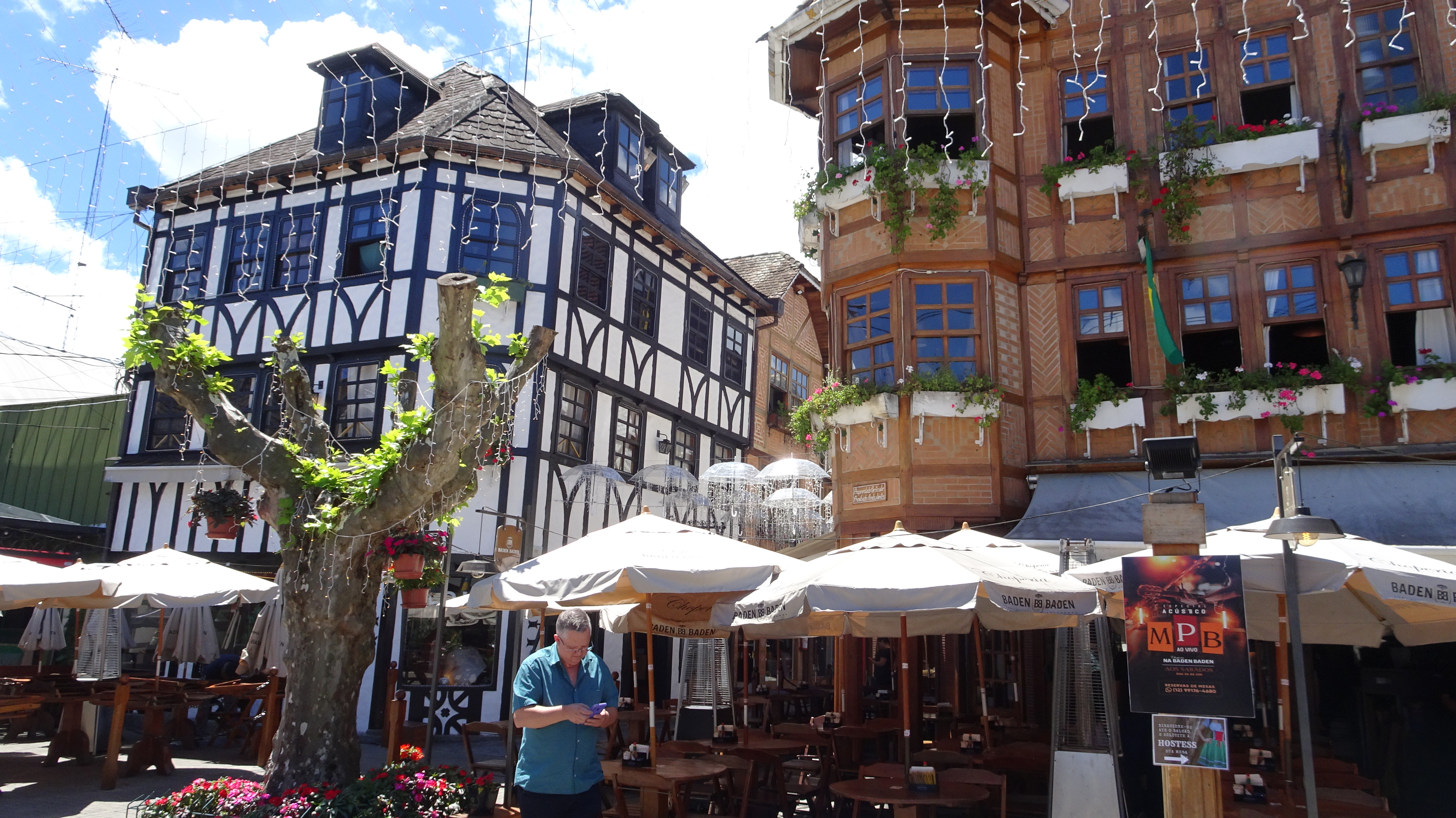
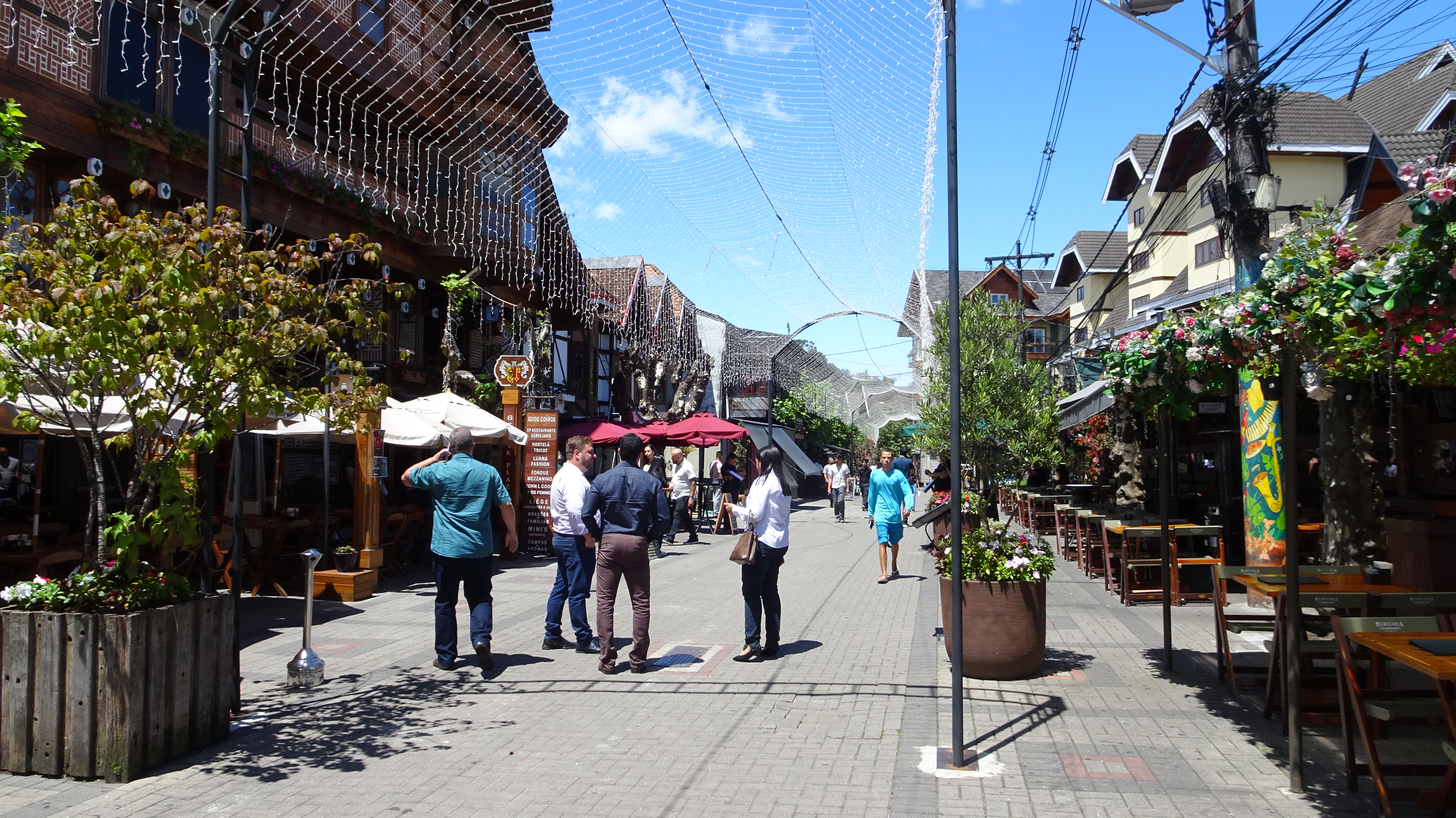
We decided that rather than go directly to Rio, we would add a trip into the mountains to a unique village called Campos do Jordão. Our driver dropped us off, and we walked around this odd little place in 35-degree Celsius heat along streets that looked like they had been plucked out of an Alpine village. The place seemed to be almost entirely made up of restaurants with massive outdoor patio areas. We were soon ready to continue on to Rio.

We arrived on the outskirts of Rio just at rush hour. Our driver pulled over on the highway to change from Waze as his GPS guide to Google Maps because, as he told it, Waze would take us through the favelas, a situation he wasn’t interested in. Darkness had already fallen when we pulled onto Avenida Atlantica.

This street in Copacabana runs parallel to the beach, which is the location of our hotel, the JW Marriott Hotel on Copacabana Beach.

Once we got settled, we took this photo from our hotel room. Copacabana at night.

We had three days ahead of us with plans to see Christ the Redeemer and go to the top of Sugarloaf Mountain.


We’ll tell you about that in Part 2 of our Brazil and Amazon River Adventure Series.

Our Resources

AssistAnt: https://assist-ant.com/airport-vip-services/gru-sao-paulo-brazil/

Tours-by-Locals: https://www.toursbylocals.com/

Day Trip (International): https://bit.ly/3X4QkIz

Postcard from Beijing and the Great Wall (Part 2)

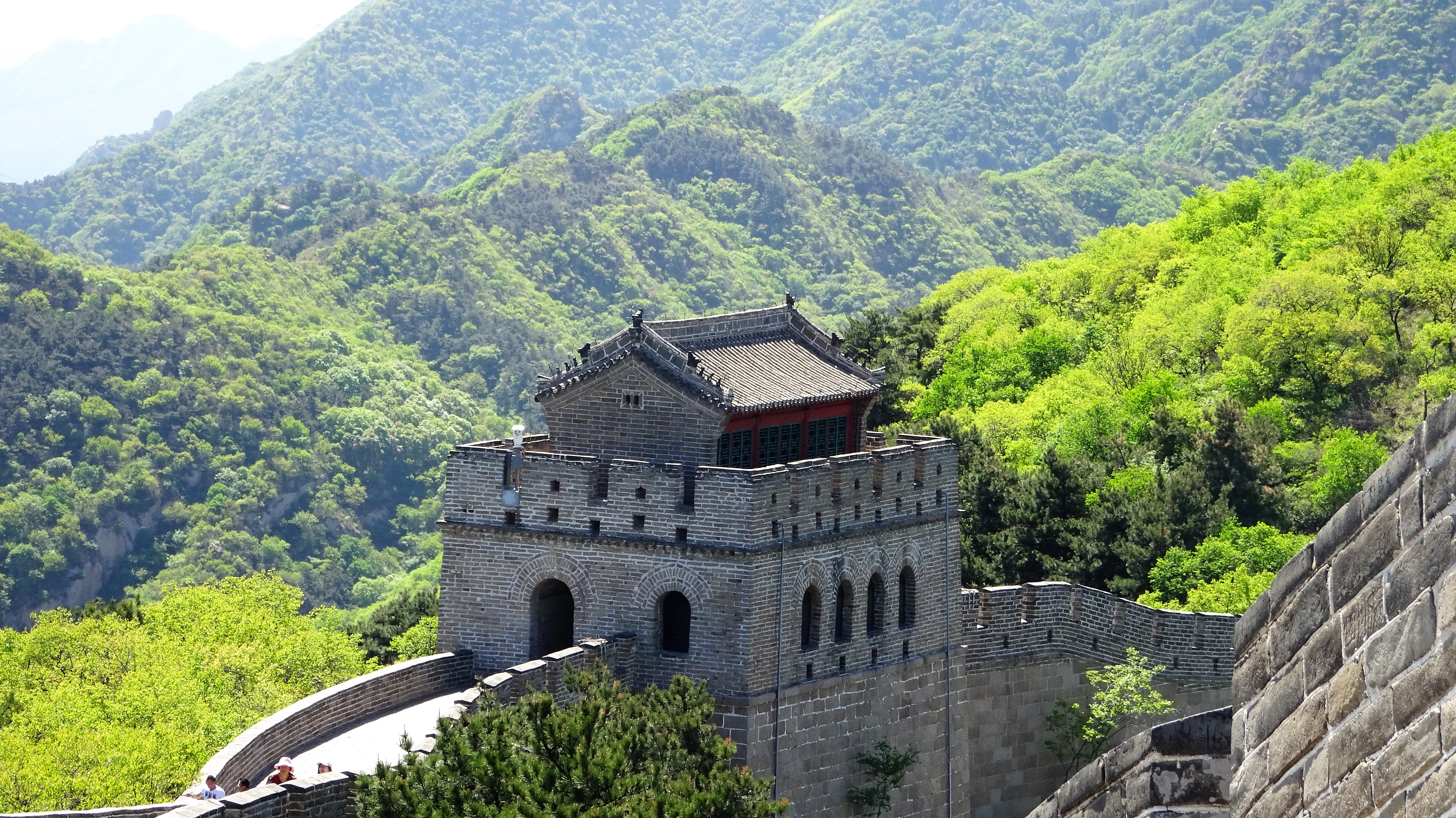
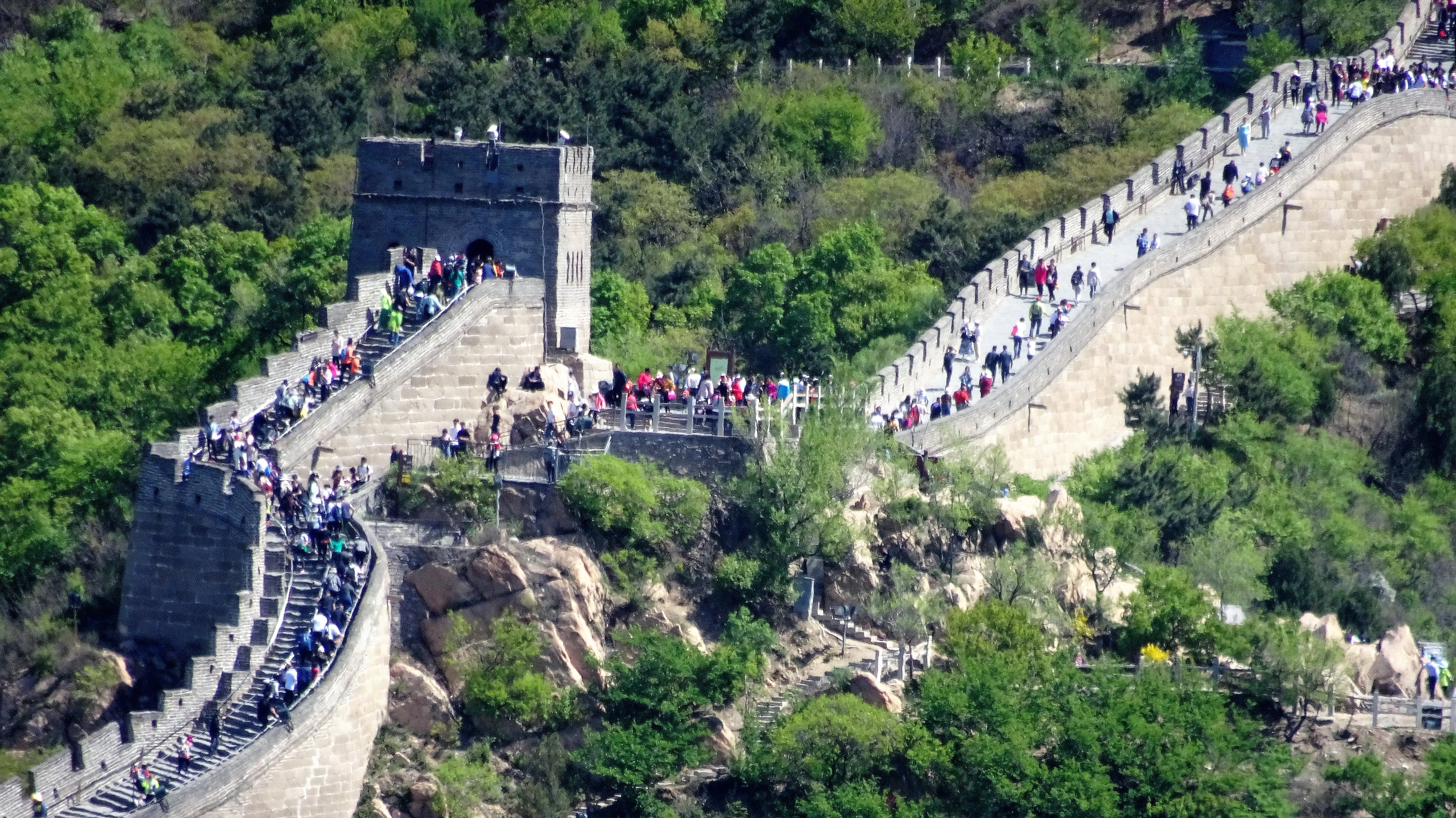
Snaking across a vast length of China, protecting an ancient border from marauding hordes from the north, The Great Wall of China, a UNESCO World Heritage site is one of the few man-made structures that, at least according to space mythology, is visible from the space station. Although it may be a cliché bucket list item, it’s one that truly ought to be on a traveler’s radar. We finally visited it this spring.

DSC03059
It was such a beautiful day, we could see for miles. 

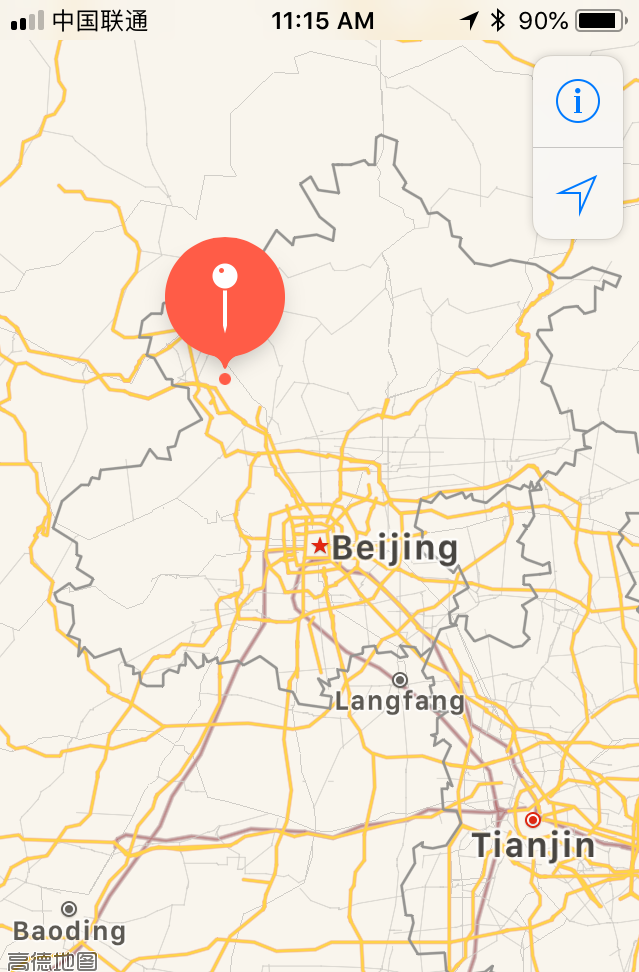
We left the marvelous Four Seasons Beijing on sunny morning heading for Badaling Great Wall Funicular, one of the points at which gaining access to the wall relies not on a half-day climb, but a shiny new funicular on the north side of the wall.


IMG_7736


The Badaling section, less than a two-hour drive from downtown Beijing, is one of the best-preserved parts of the wall and somewhat more accessible because it is not as steep as some sections.


DSC03034
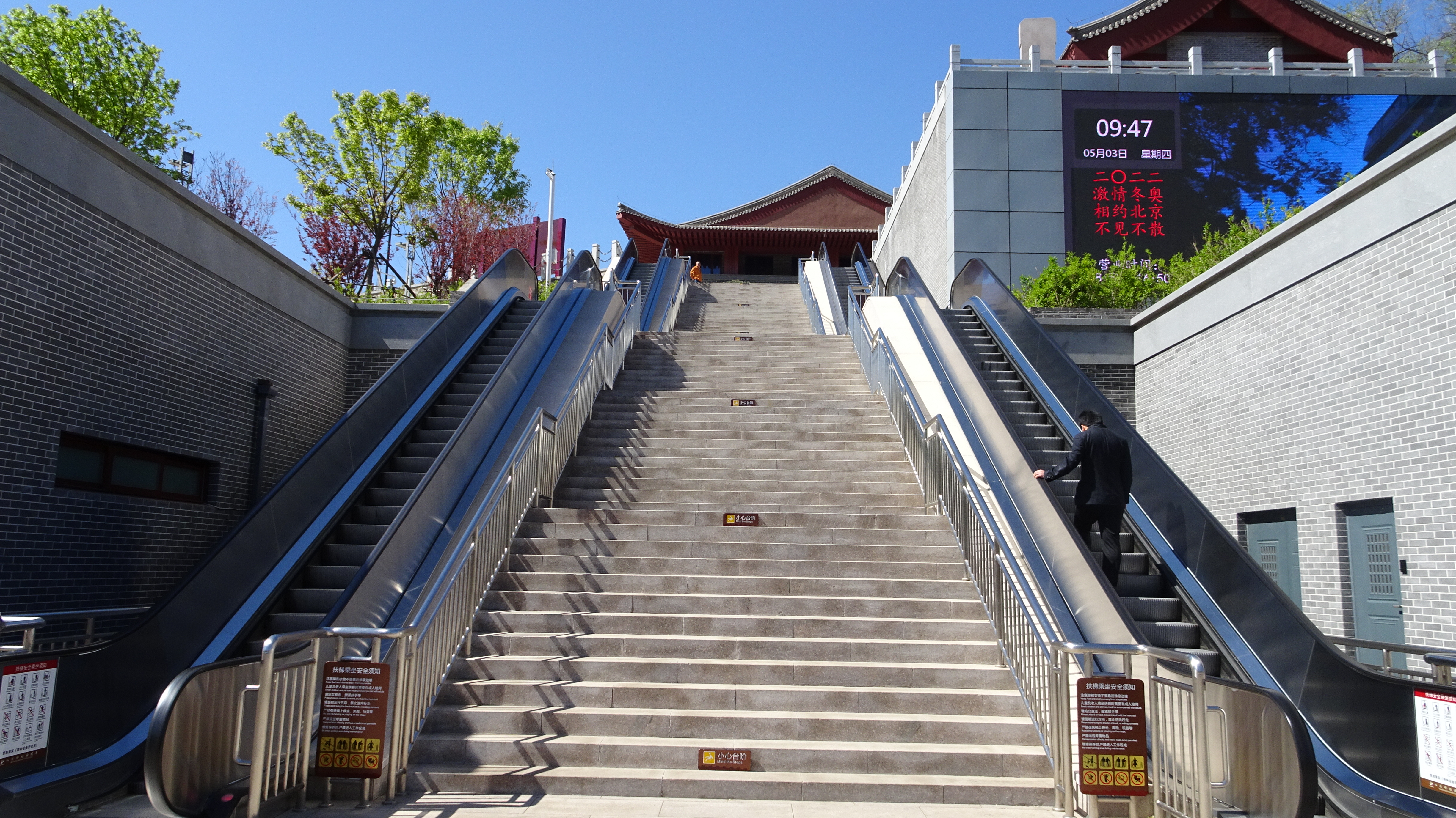
The entrance to the Badaling Funicular

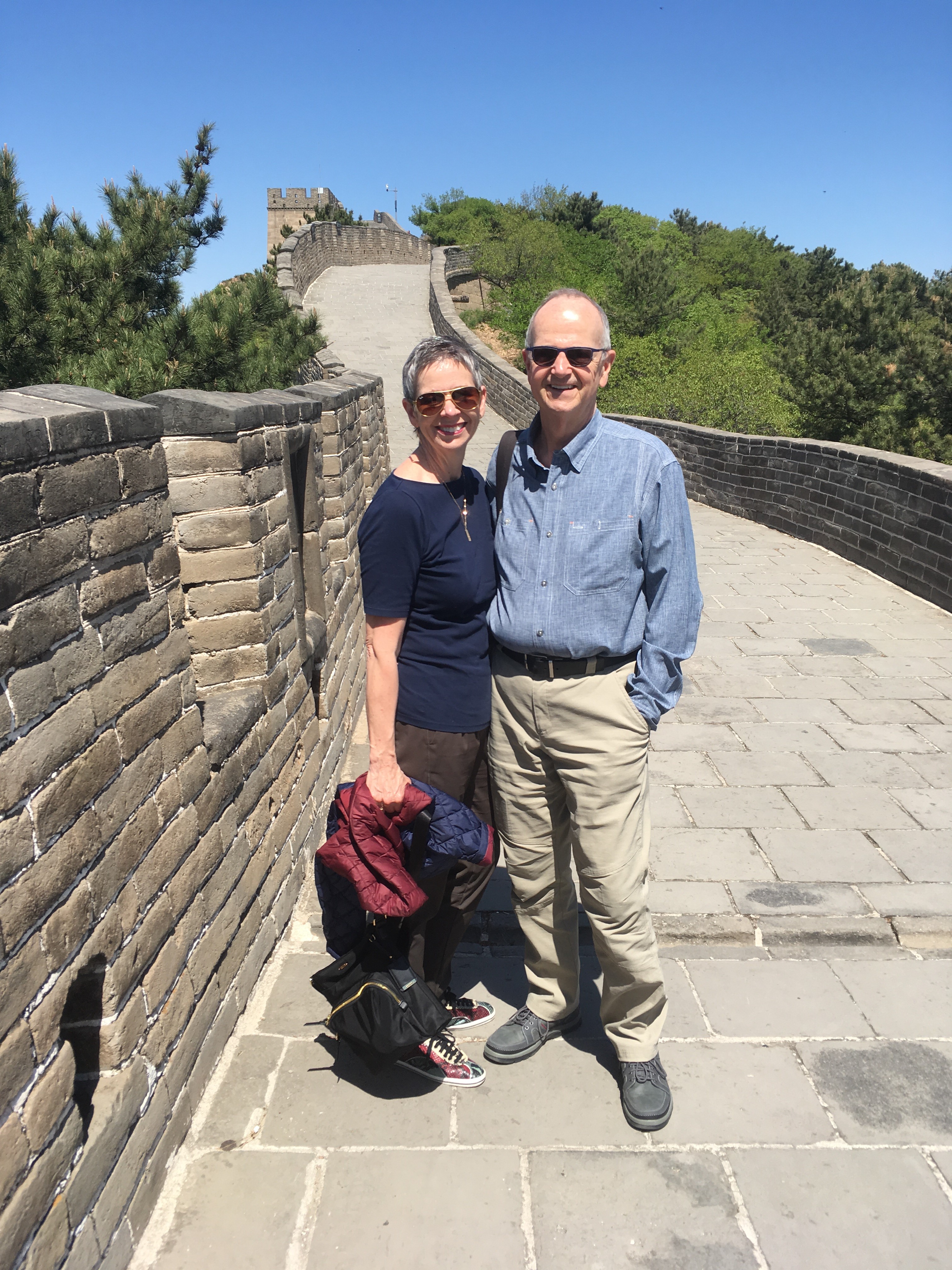
After exiting the funicular, we left our tour group to walk the wall on our own. What a beautiful day it was standing there imagining what it must have been like back in the day when the wall actually served a purpose for protection and not tourist amusement. It’s hard to fathom something so ancient that construction on parts of it began some 2700 years ago, although as you probably know, not all of the wall is that old. In fact, much of the oldest part is now in ruins. What we visit is much younger, perhaps only 600 years.

And speaking of tourists, most of the other tourists we encountered were not from foreign countries; rather they were Chinese nationals who were visiting the wall for the first time themselves. And the young ones could not get enough of taking selfies with us Westerners in them!

So why did our tour guide take us to the north side you may reasonably ask? After all, this funicular is more expensive than other options, Well, just take a look at a photo of the south side access…

DSC03066

Now see where we were…

IMG_7730

When you visit – because visit you must – take it slowly, and wear good walking shoes. As you look at the tower ahead of you and up at what looks like a mild incline, don’t be fooled. It’s much steeper than it looks. And hope for sunshine!


Postcard from Beijing and the Great Wall of China (Part 1)

IMG_7637Whenever you pick up a postcard on your travels (even if only to look) you’re likely to find that that postcard-worthy photograph has the following characteristics: it’s framed to show the scene from its best perspective (which includes being minus the mobs of people who might be there from time to time) and the weather – if it’s an outdoor photo – will be perfection. For most people we know who have visited Beijing and The Great Wall of China, finding that perfect-weather day where the sun is shining, the air is clear and the crowds are minimal, seems just about impossible. But we did it. We were there that day. Let’s back up…

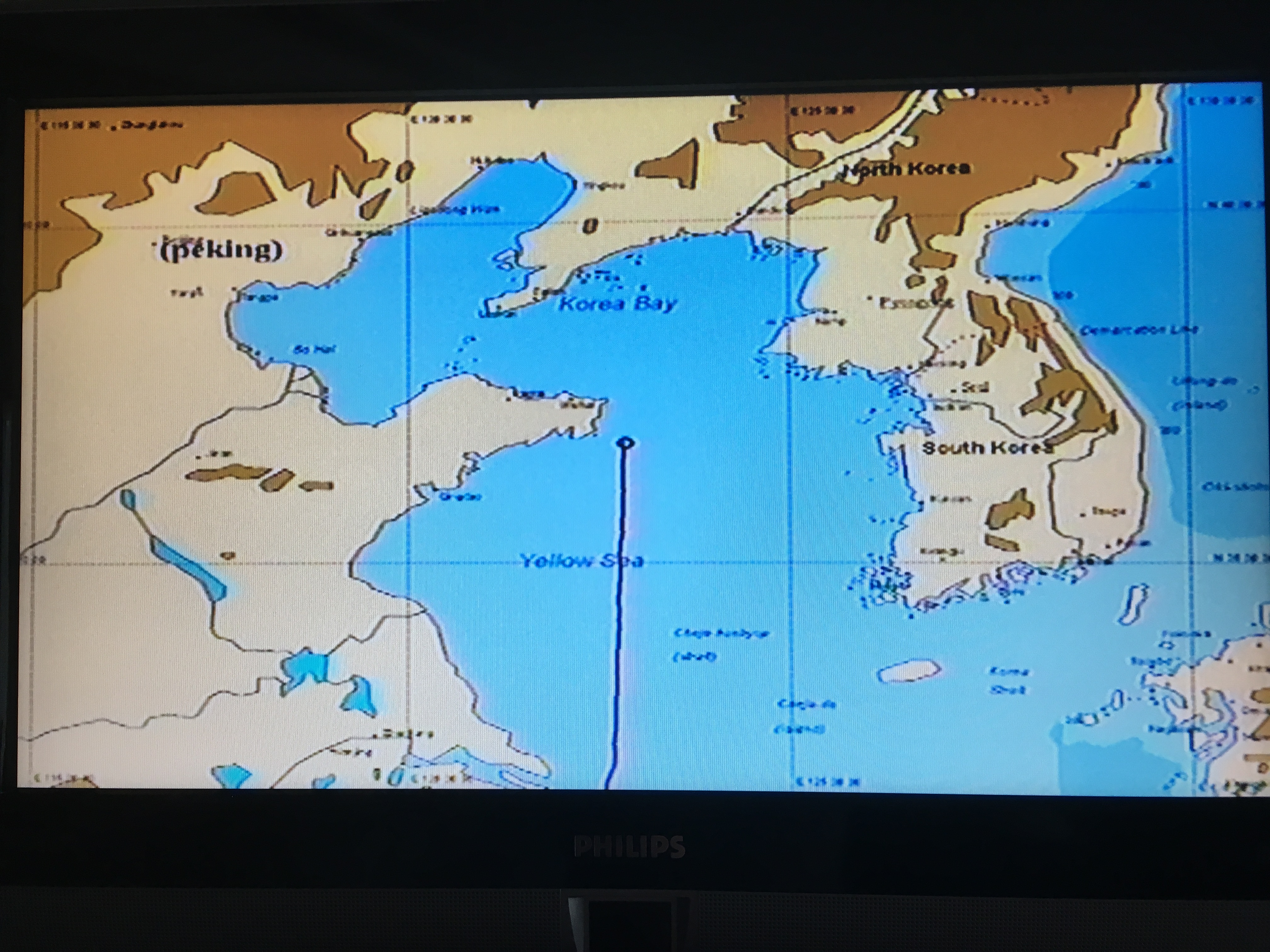
Using a small cruise ship – the Silversea Silver Shadow – as our transportation, we leave Shanghai to traverse the Yellow Sea enroute to Beijing. But Beijing isn’t on the coast, you might reasonably interject. No, it isn’t, but that won’t stop us from visiting inland. Before we left home in Toronto, we booked what Silversea calls and “Overland Journey.” This means that in mid-cruise, we will leave the ship, travel by bullet train to Beijing, tour the city, overnight in a first-class hotel, visit the Great Wall the next day, then rejoin the ship.

We arrive in the early hours of the morning to the eerily silent cruise-ship terminal in the port of Tianjin.


Steeling ourselves for the fact that this is a group tour (and everyone knows how much we love a group excursion – not!), we meet the tour guide shore-side then board a surprisingly well-appointed bus that leaves precisely on time and transports us to the Tianjin train station. It is a huge facility. Since we have a bit of time before we have to board our train, we take a walk around the terminal. It’s a peculiar feeling to be examined so closely by so many sets of eyes, as if they have never seen a people from the West, and it turns out that many of them in the station that day had seen very few.


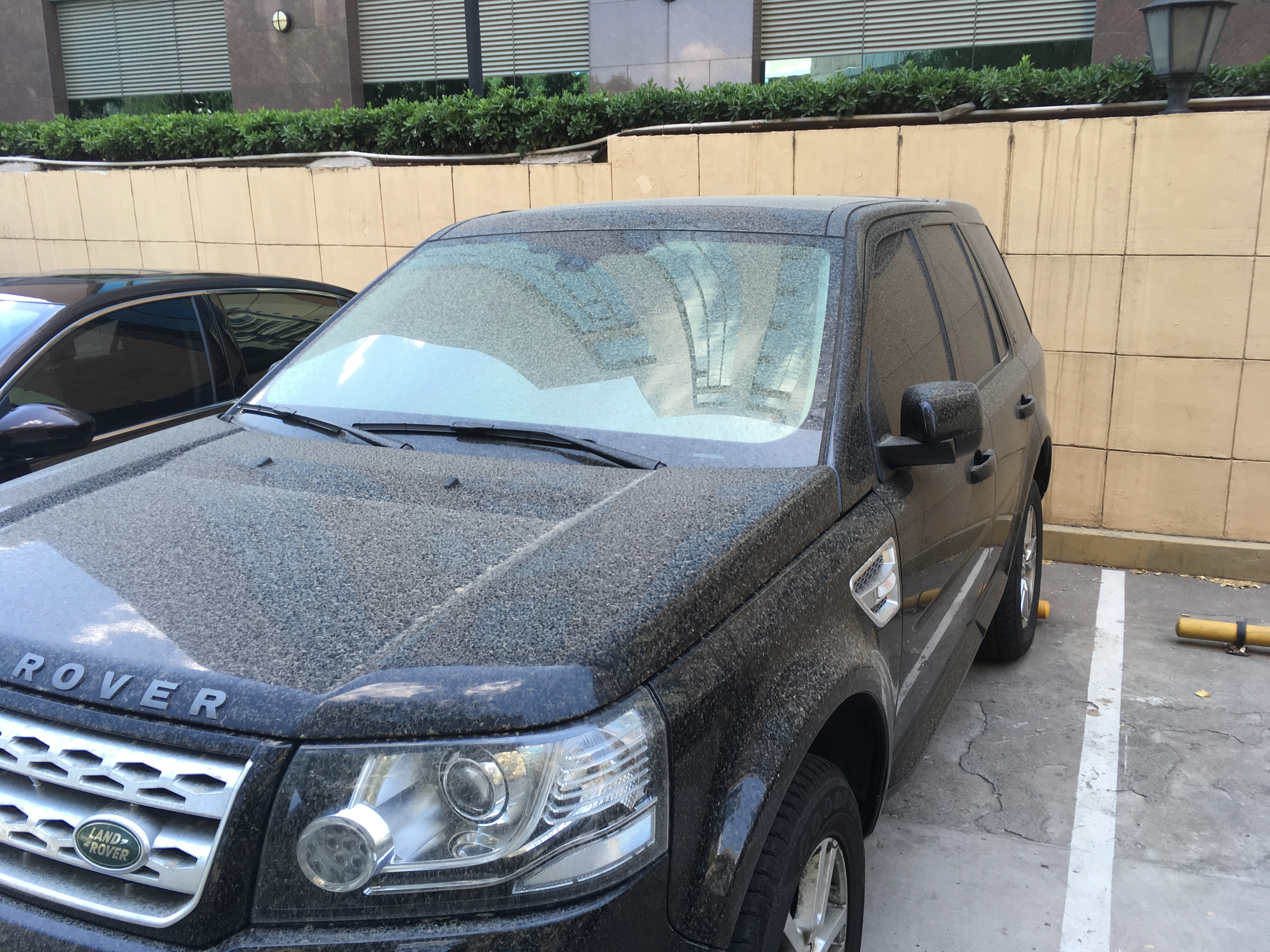
We finally board the train for the 35-minute ride to North Beijing station at a speed that reaches 297 km/hour – we know this since the speed at which the train is travelling flashes across the screen in the front of the car. If we had taken a bus a many of the other cruise-ship passengers did, it would have taken upwards of two hours to get there. We arrive in Beijing. Despite the expectation that we will suffer from the smog, we marvel at the clear sky and sunshine. Our guide explains to us that it rained heavily the night before and the ever-present pollution is now spattered on every car, window and leaf. We notice. Then we are off to visit the Forbidden City.

IMG_7650
It’s hard to miss the evidence of the previous evening’s smog-rain!

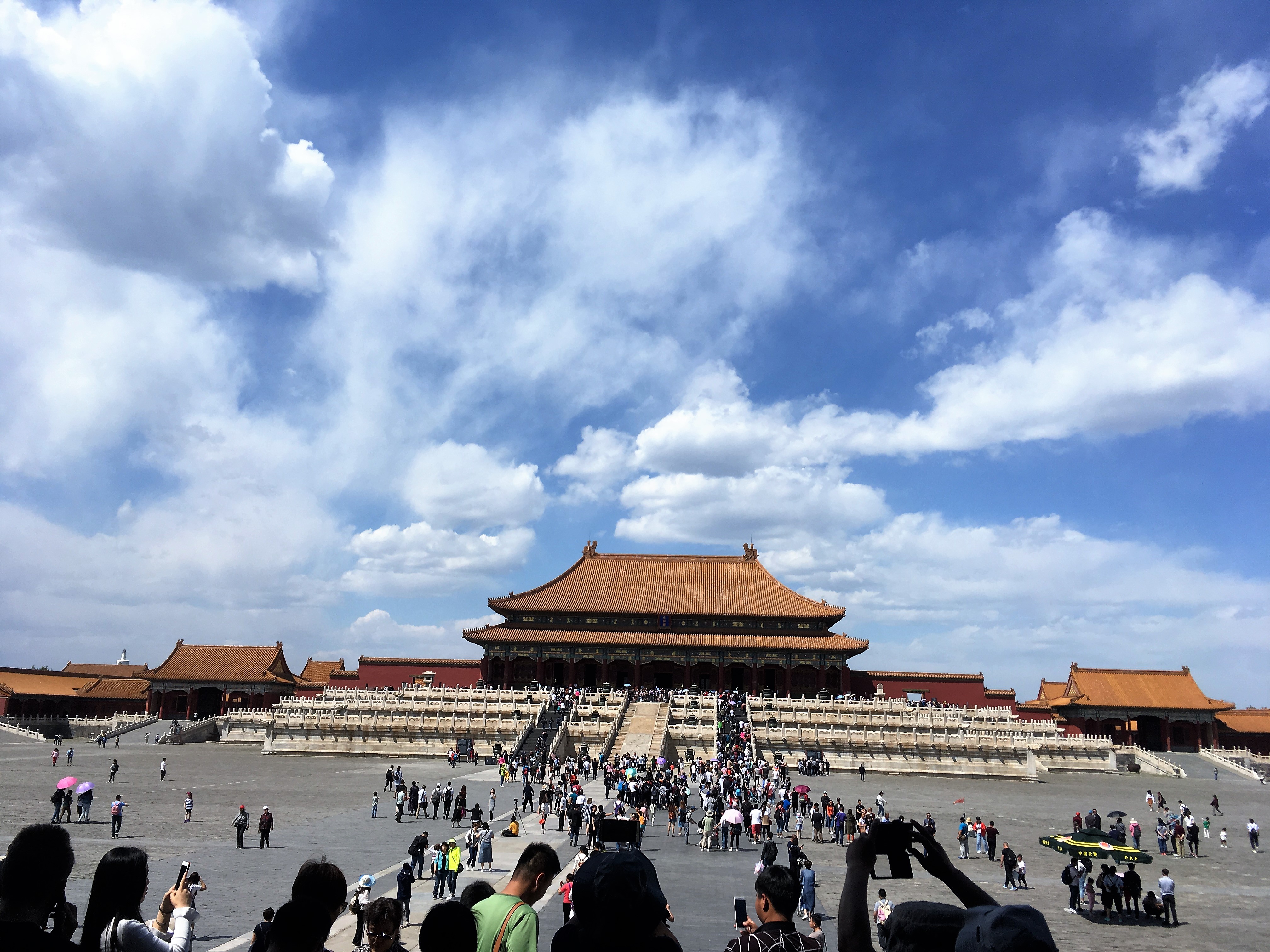
The largest imperial palace in the world, The Forbidden City is truly the heart of Beijing. It was constructed in the fifteenth century through the efforts of over 1 million workers over a period of 20 years during the Ming Dynasty and was the imperial home of 24 Emperors of China for over 400 years. It comprises some 980 buildings and almost 9000 rooms! Forbidden to the common Chinese for centuries, it ceased being the seat of Chinese power in 1912 with the abdication of the last emperor of China. (Have you seen the film The Last Emperor? It was filmed here.) Of course, now it is known as the Palace Museum, because that’s what it is. According to our guide, it’s not very busy today. We beg to differ.

IMG_7658
Entering the outer courtyard of The Forbidden City

We spend time getting to the heart of the city through a series of courtyards and are mildly disappointed that you can’t actually go into the buildings. Even the throne room must be viewed from afar. But the architecture! Amazing. Tiananmen Square is next on the agenda.

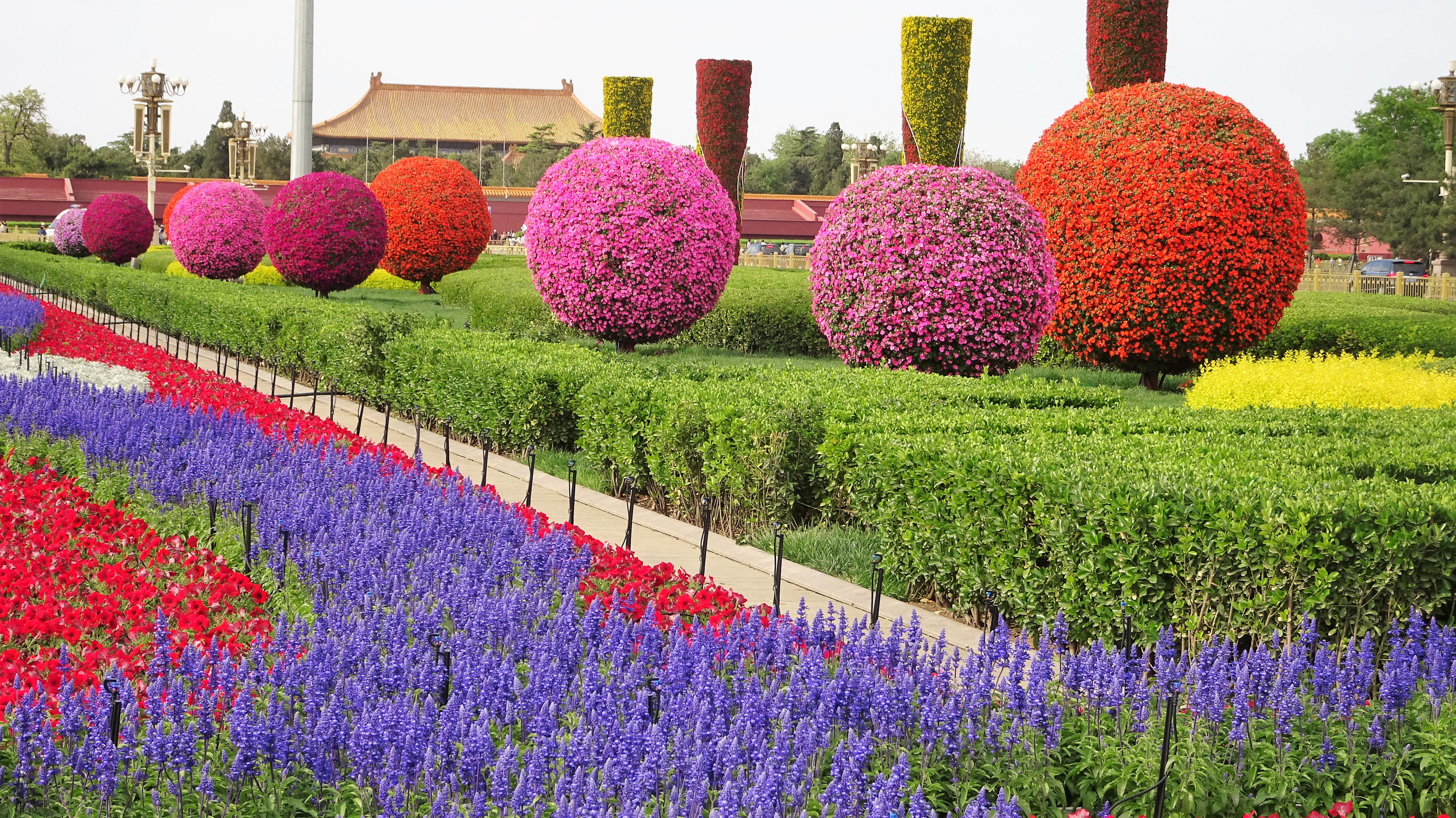
The square itself seems smaller than it looks on television news reports. We are all old enough to be remembering the infamous Tiananmen Square massacre in 1989, odd since the word Tiananmen is the name of the gate at the north end of the square that means “Gate of Heavenly Peace.” The two of us break off from our tour group (nothing new in that!) and walk the entire square taking in the buildings and monuments: The Great Hall of the People, the Monument to the People’s Heroes, he National Museum of China, and of course, the mausoleum where Mao’s body still lies in state (we didn’t get inside). But we also see beautiful gardens and more security cameras than we have ever seen in our lives – even in Monaco! It’s an extraordinary juxtaposition of the political and the aesthetic.


We notice that one thing is missing: city noise. According to our guide, sirens and other loud nose is forbidden in the area surrounding the square. It is oddly peaceful.

DSC02948
Extraordinary gardens around the square.

It has now been a long day and we check into our room at the Four Seasons Hotel Beijing. What an extraordinary property! We aren’t sure what we expected, but a five-star hotel smack in the middle of a very upscale, leafy neighbourhood of high-end shopping was not it.

The hotel has spared no detail in its amenities or décor. We choose the Asian restaurant (why would we choose North American while in Asia?) and are delighted with the ambience, the food and the service – the Chinese servers really seem to care. And even their halting English is a lot better than our Chinese, for which we are truly grateful.


We have only one night at this wonderful, surprising hotel and would like to spend longer enjoying a night cap in the beautiful bar, but tomorrow we are visiting The Great Wall and have to be up early. So, good night from Beijing.