Taking That Bucket List Cruise: The Amazon River

Taking That Bucket List Cruise: The Amazon River

What do you think of when someone says Amazon River? Words like mysterious, wild, natural and untamed beauty come to mind. The Amazon is more than a river, though. It’s something of a world unto itself. And for many of us, it’s kind of a bucket-list thing. But what’s the best way to experience it? That was the question on our minds a while ago when we started planning our adventure.

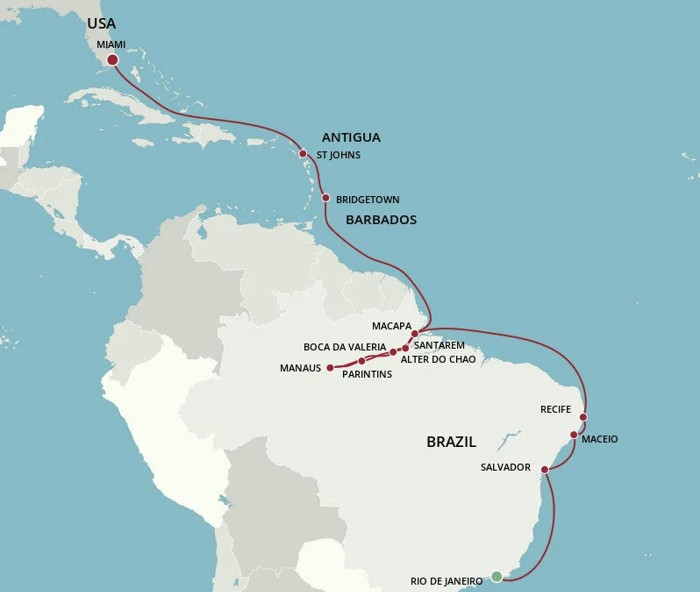
First, we considered flying into Manaus, the city 1500 kilometres from the Atlantic and the spot beyond which you can travel only in a small riverboat. In the end, we decided to book a cruise out of Rio (so we could visit Rio before the cruise), up the coast of Brazil and into the river to Manaus. It then turned around and travelled back, ending in Miami three weeks later.
So, how did it go?

The day our ship turned left from the southern Atlantic Ocean into the Amazon River, the heavens opened up, and the rain started to fall. The rain was so intense for a while that the decks of the chip were almost ankle-deep in water. Once the rain stopped, we were left with a stultifying, leaden humidity along with the searingly hot temperatures.

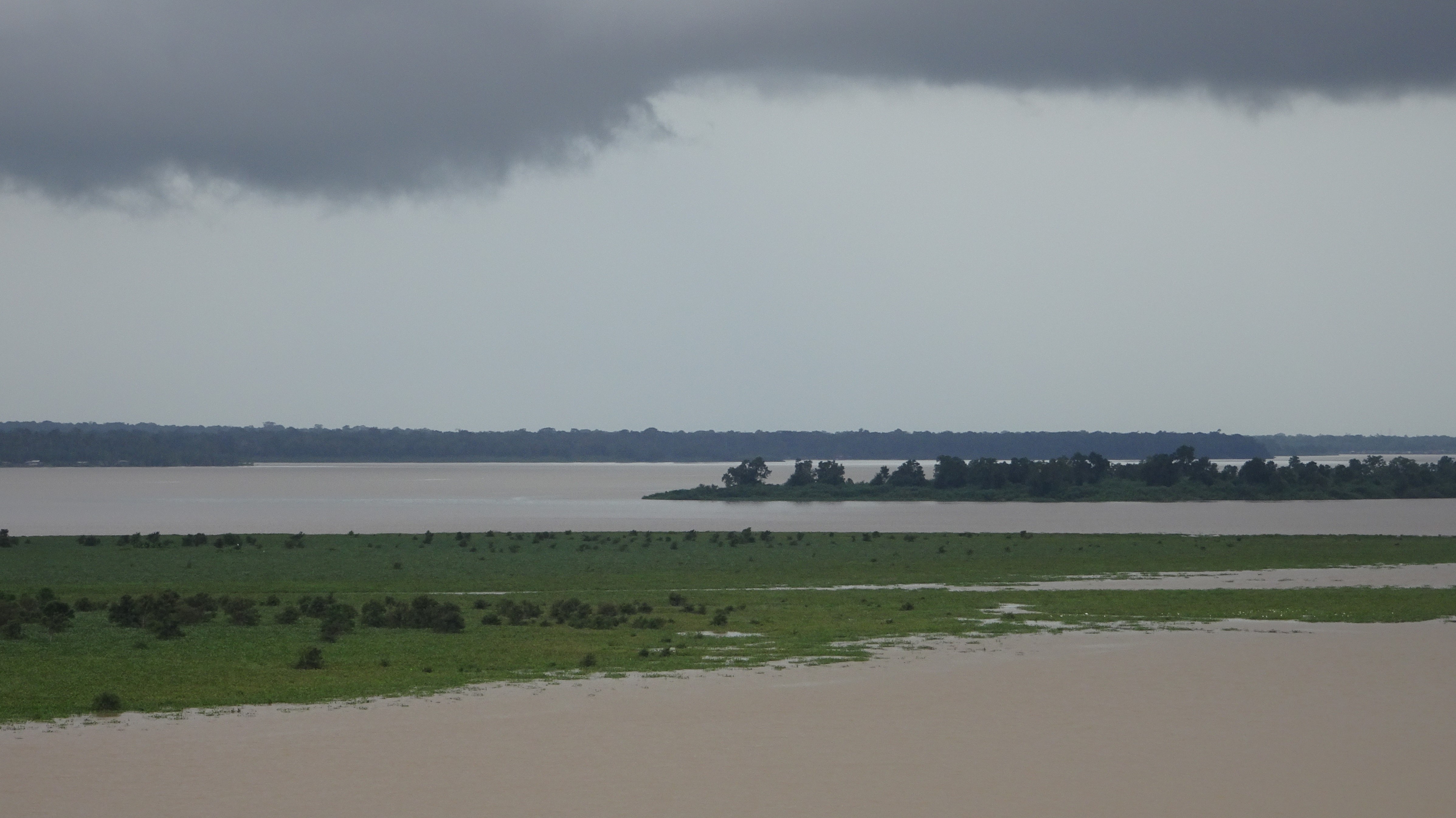
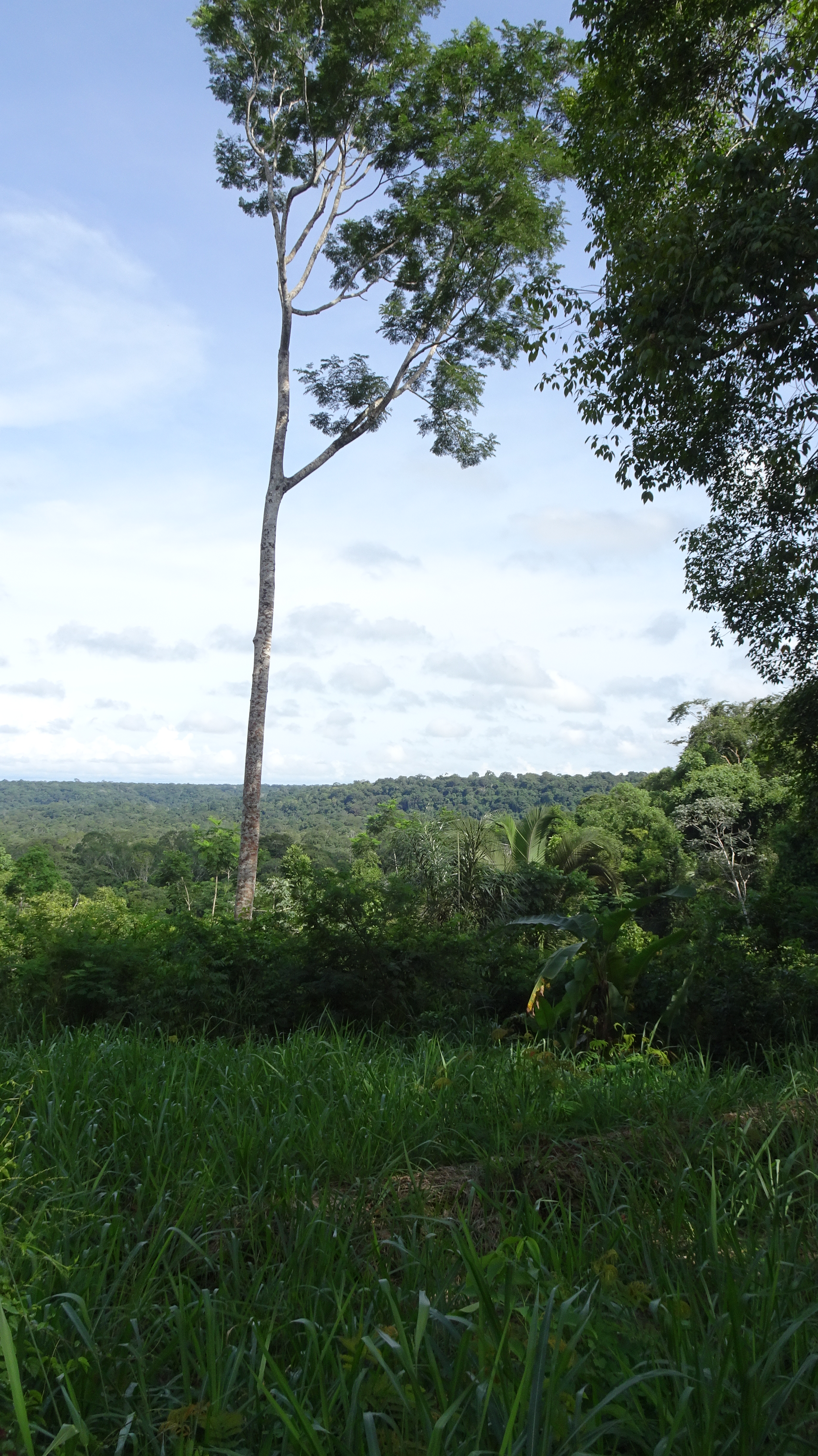
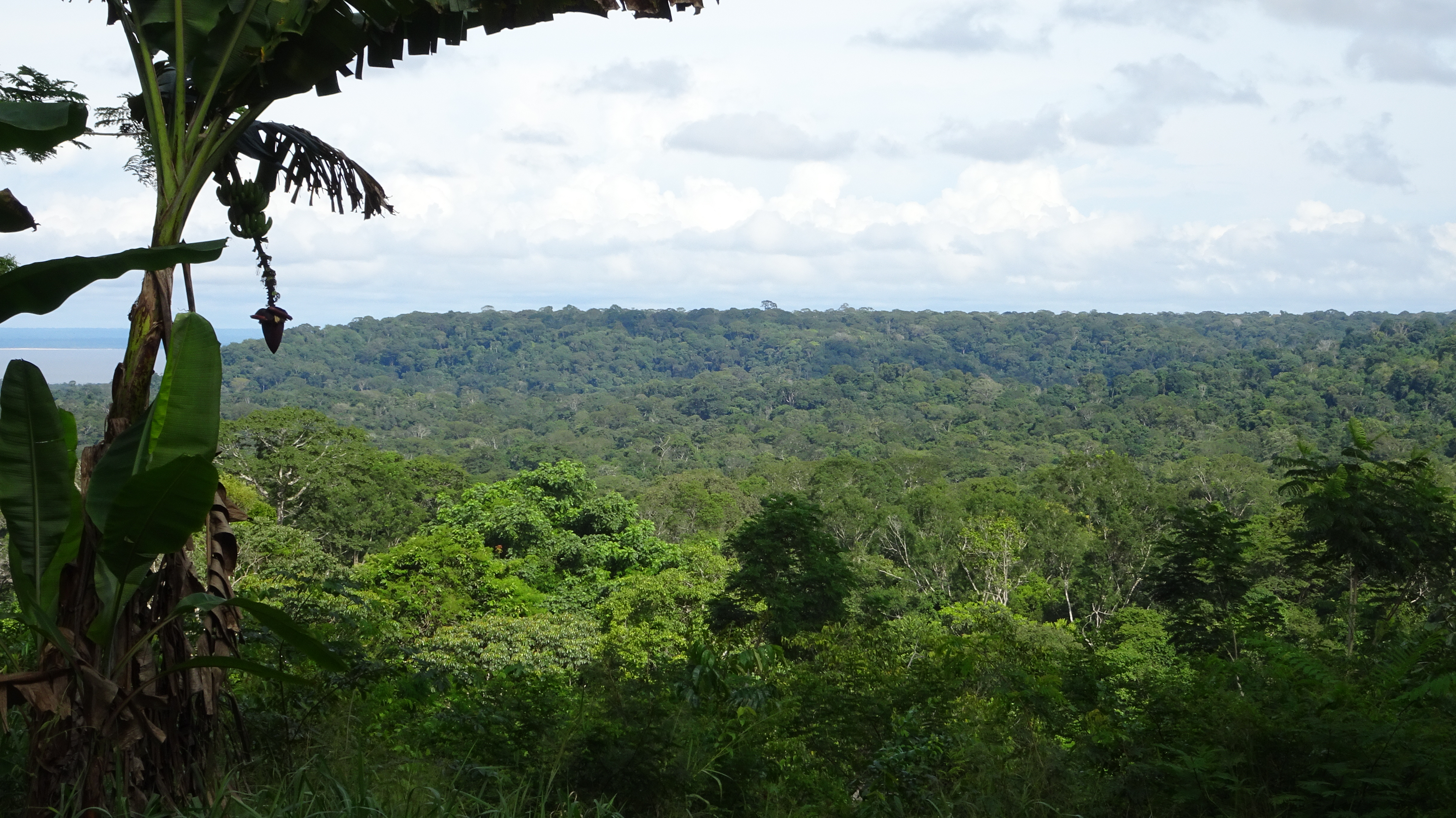
As we slowly made our way into the river (which is miles wide at this point), we passed hundreds of kilometres of shoreline showing dense rainforest—or, to be more precise, the tops of the trees of the rainforest canopy. Although the river was not extraordinarily high at that time, it was still high enough that we saw only the canopy as we glided by.
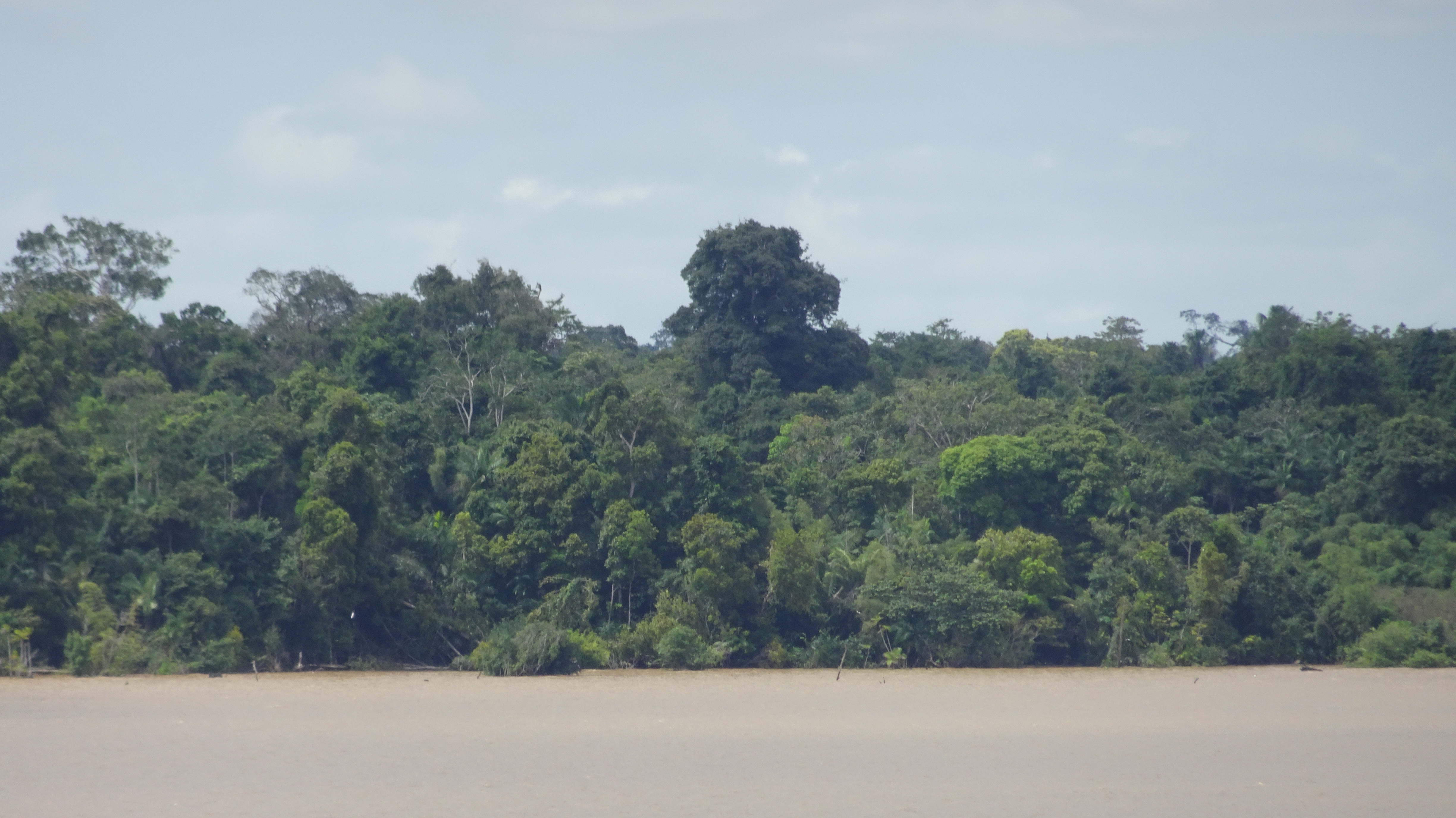
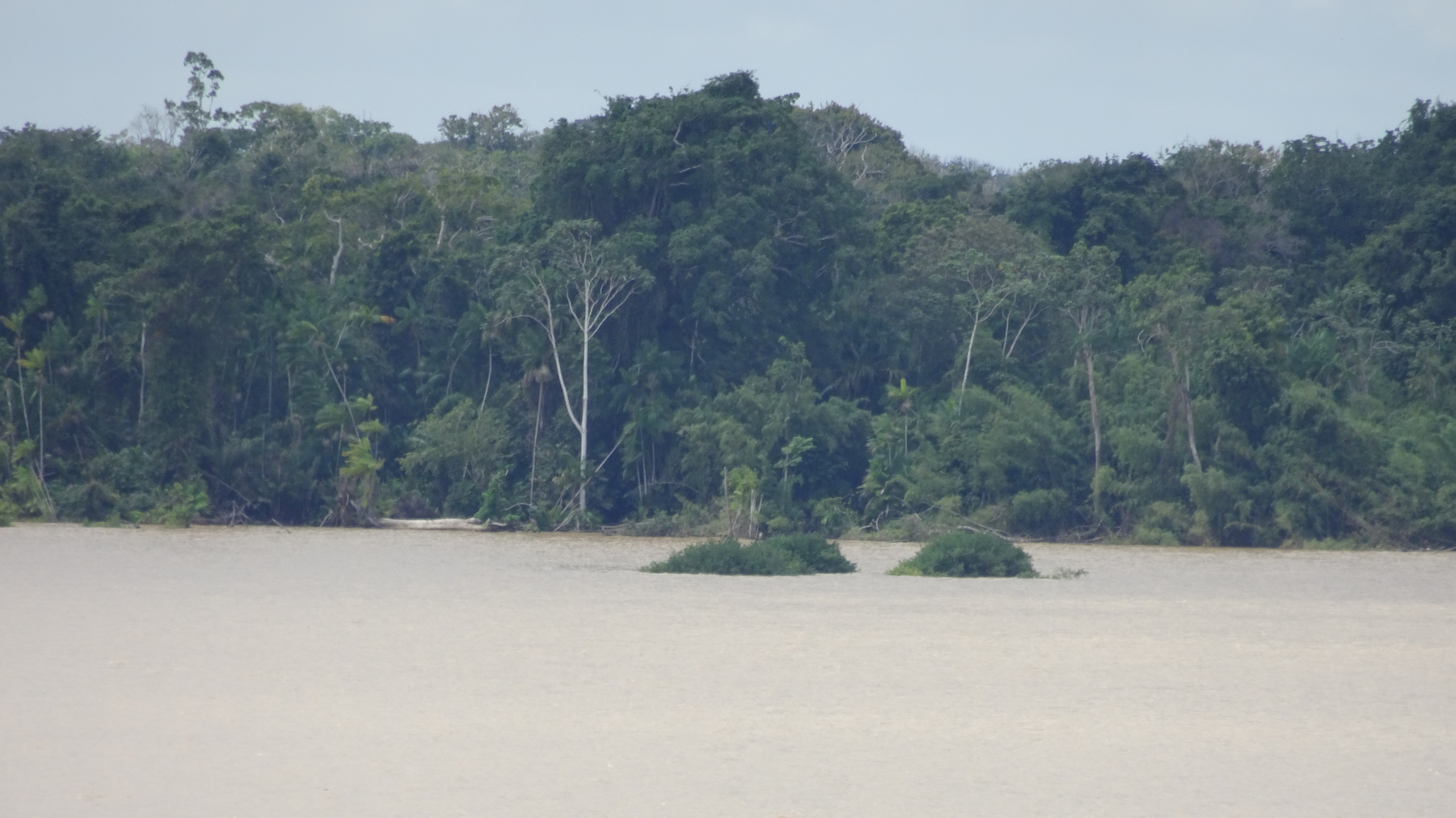
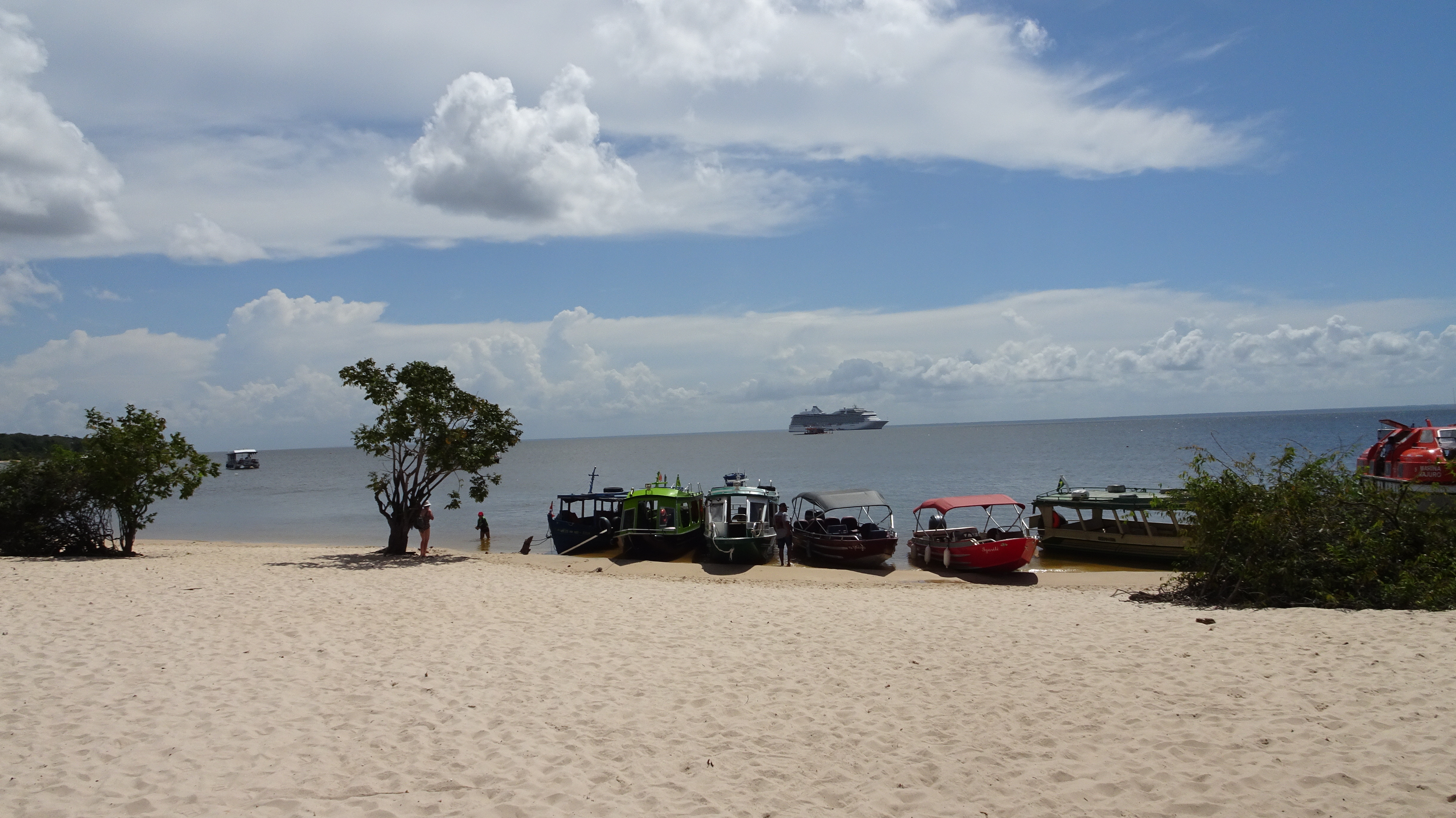
Our first stop on the river was the village of Alto de Chao. This stop gave us a real sense of the kinds of beaches along the river. Although the river water, owing to its colour, doesn’t look suitable for swimming, we were assured that it is clean.
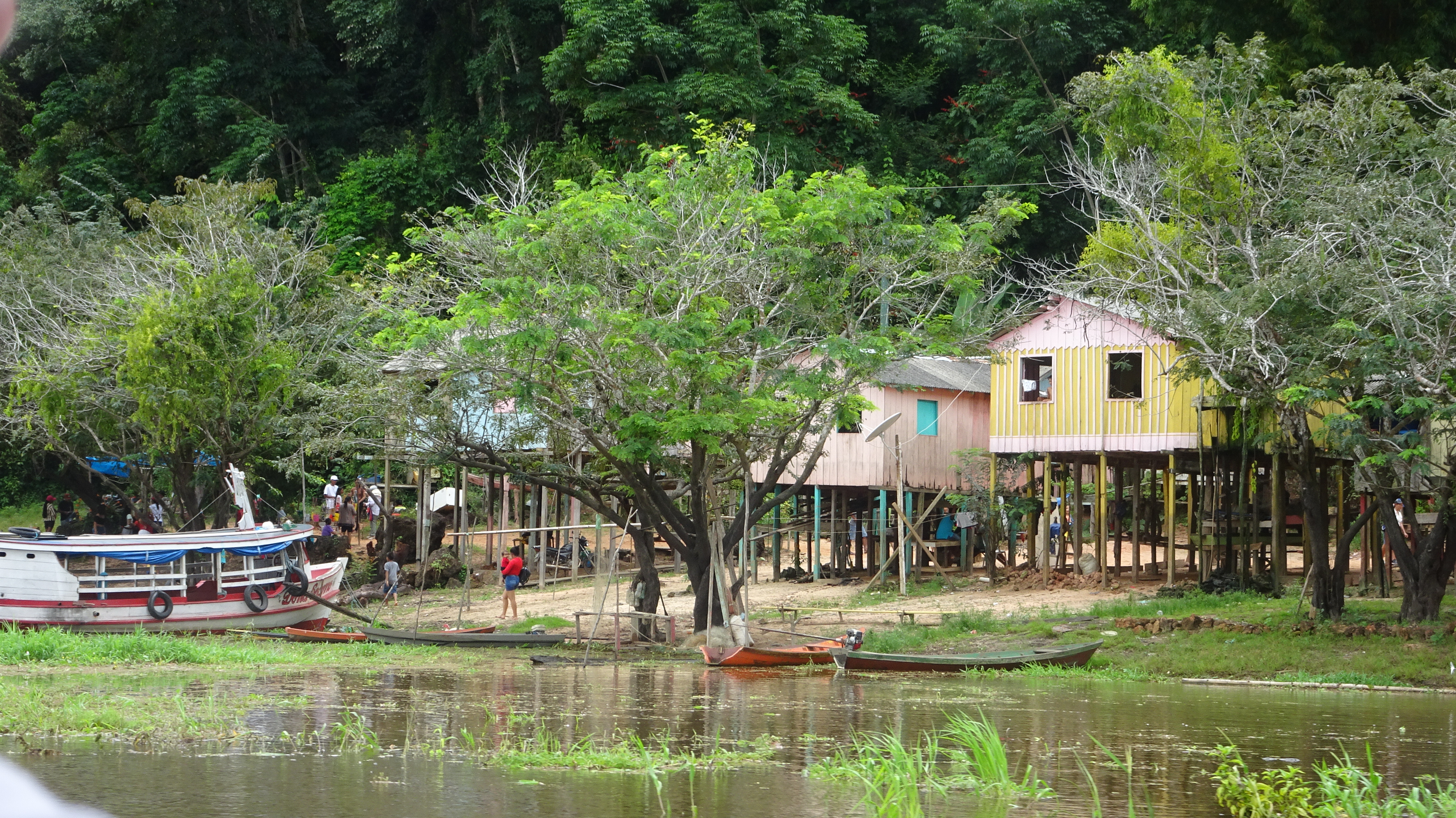
The following day, we got a better sense of how the local people live in the village of Boca de Valeria. We took the tender from the ship to the heart of the village, where the local children were the greeters. Each one offered something: an opportunity to hire them as guides, a photo op with a young girl in traditional dress, or a chance to get up close and personal with a pet toucan or sloth. We chose the toucan.

The village was small, with houses built on stilts to withstand the vagaries of the rise and fall of the river height. It didn’t take long for us to tour the entire space.
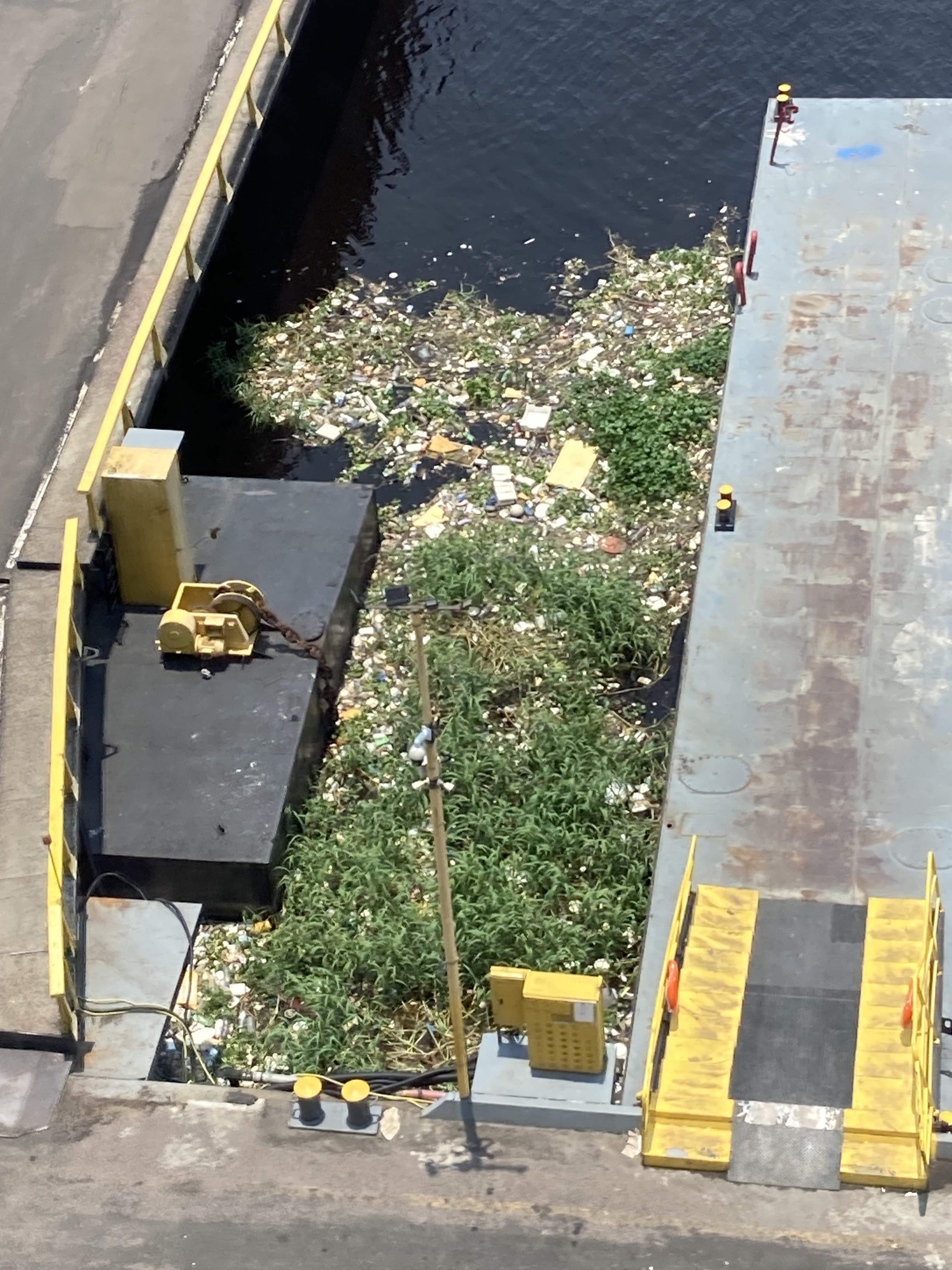
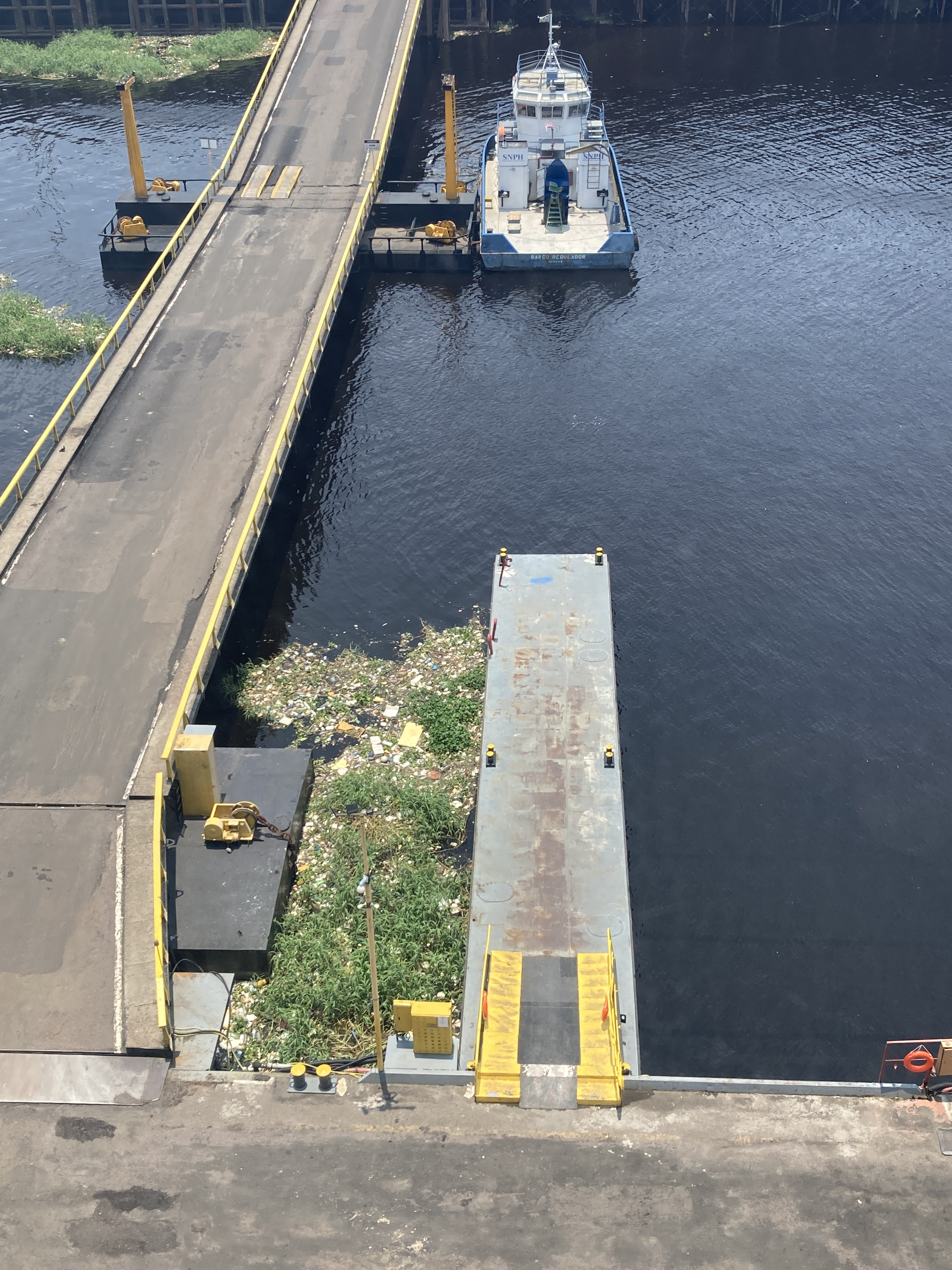
After 1500 kilometres of river cruising, we reached the port of Manaus. The port of Manaus, which is actually located on the banks of the Rio Negro near where it meets the Amazon River itself, is a vital hub in the heart of the Amazon rainforest. As the largest city in the region, Manaus acts as a gateway to the rainforest, and its port reflects the unique blend of urban life and wilderness. The first thing that stuck with us, though, was the extraordinary amount of industrial development and the massive amount of garbage that floated in the river near our dock. It was shocking.
During the rubber boom of the late 19th and early 20th centuries, Manaus flourished as a wealthy trade center, and its port became a symbol of that prosperity. The city itself has a wide variety of colonial buildings that speak of a much more prosperous era in the past. It even has an opera house.

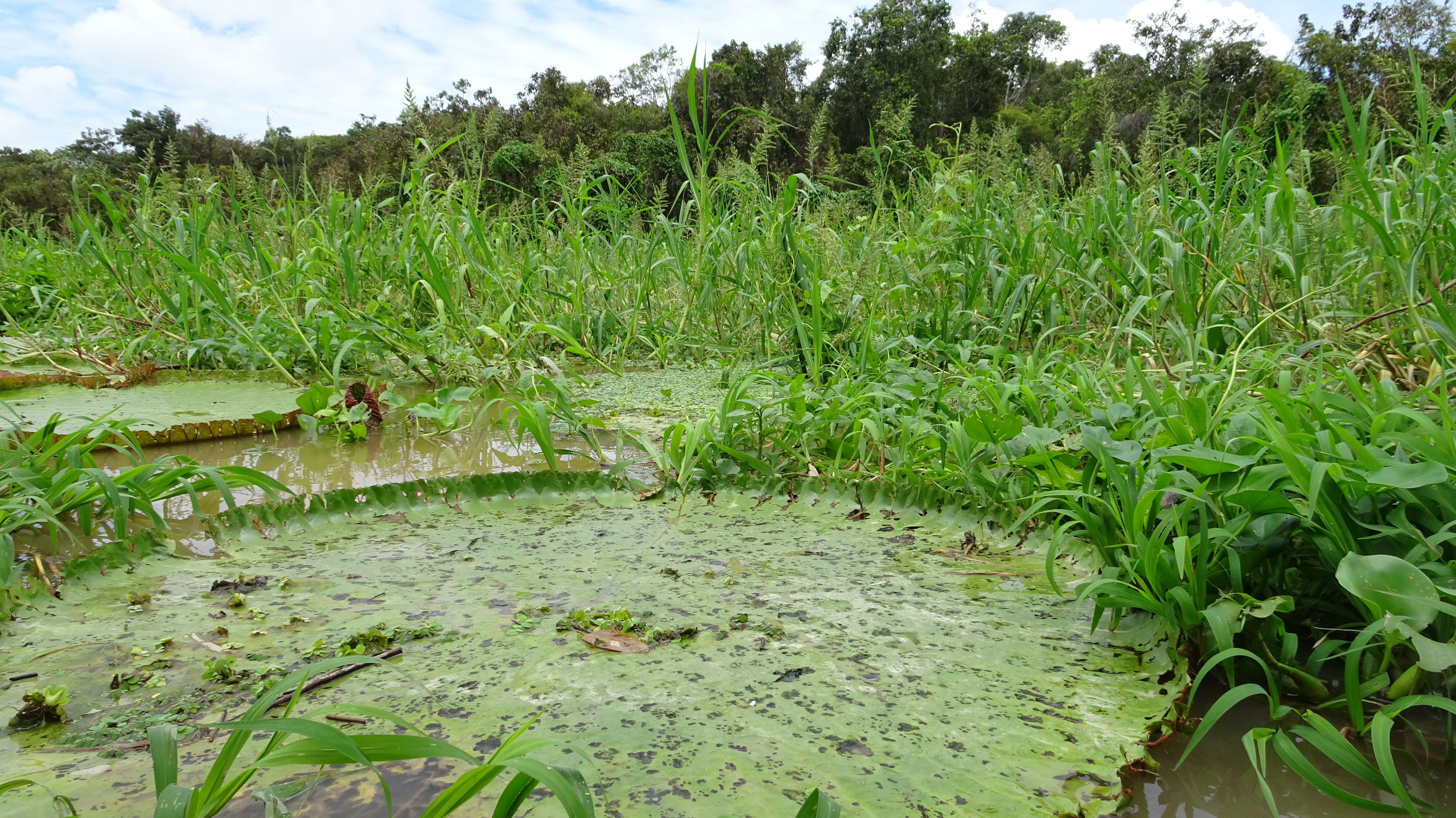
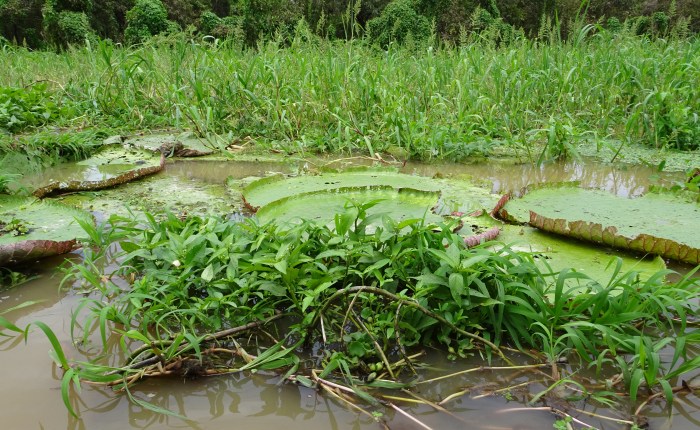
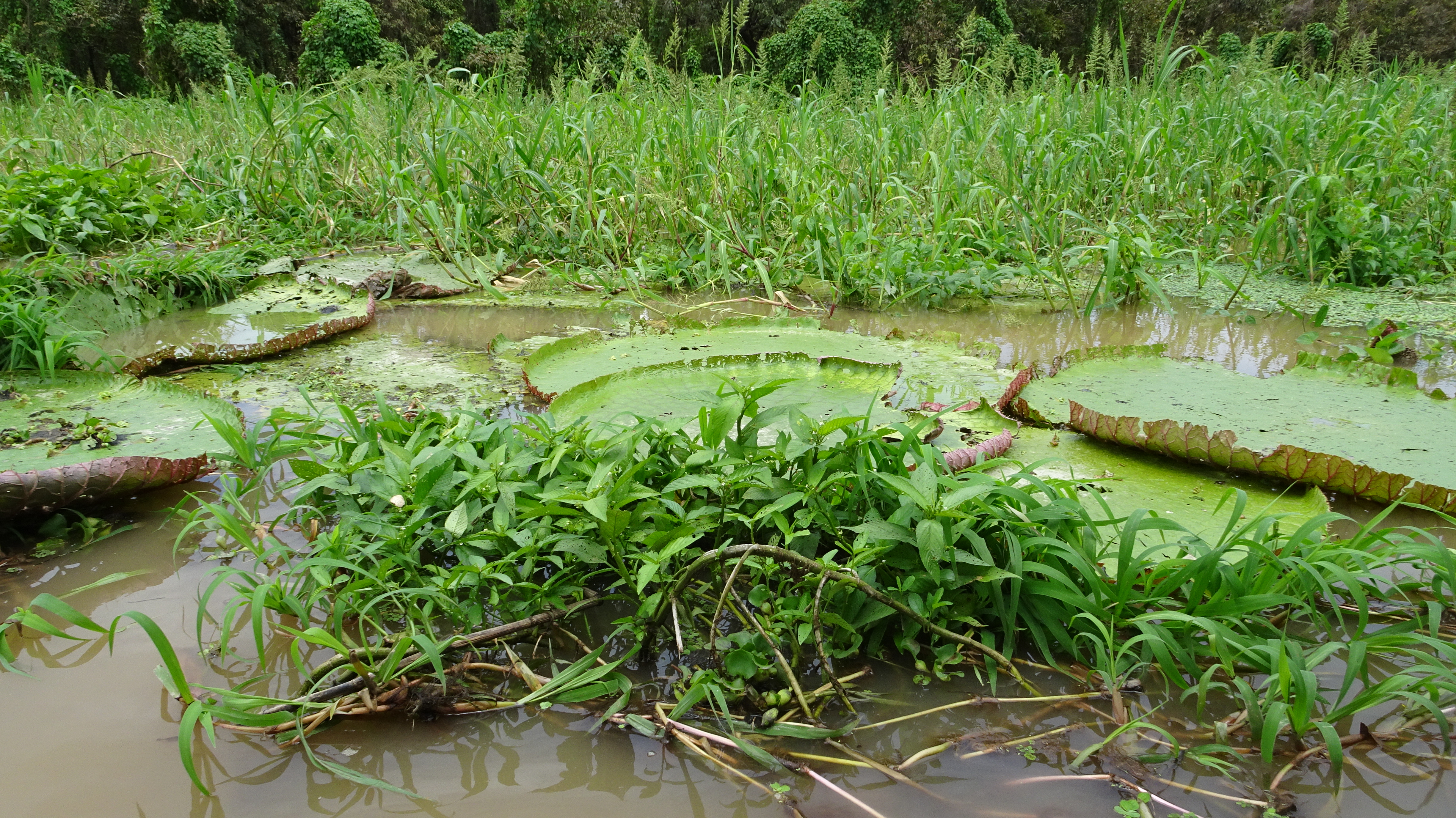
Since we were in Manaus for two days, we had a chance to have several experiences. First, we took a riverboat to January Lake, an eco-reserve, where we sped through the grasses in a motorized canoe to see the giant water lilies. We hoped to see wildlife, but other than a few egrets, we saw none. On our way back to the port, we were treated to “the meeting of the waters,” where the dark water of the River Negro reaches the murky brown of the Amazon and travels that way for six kilometres before mixing.
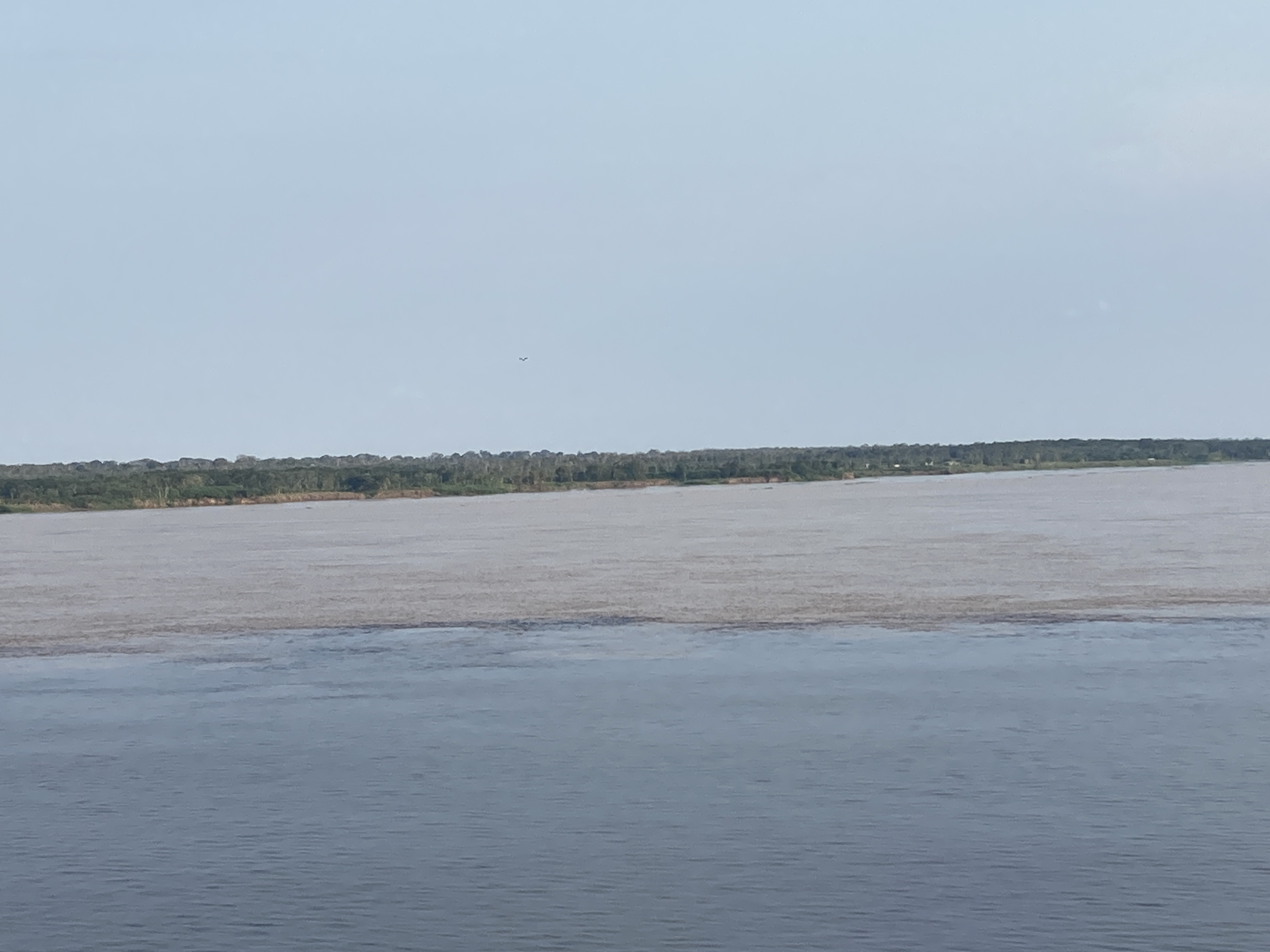
The ‘meeting of the waters” where you can clearly see the demarcation between the water of the River Negro and the Amazon River

Differences in temperature and composition keep them apart for that distance. It was an interesting phenomenon.
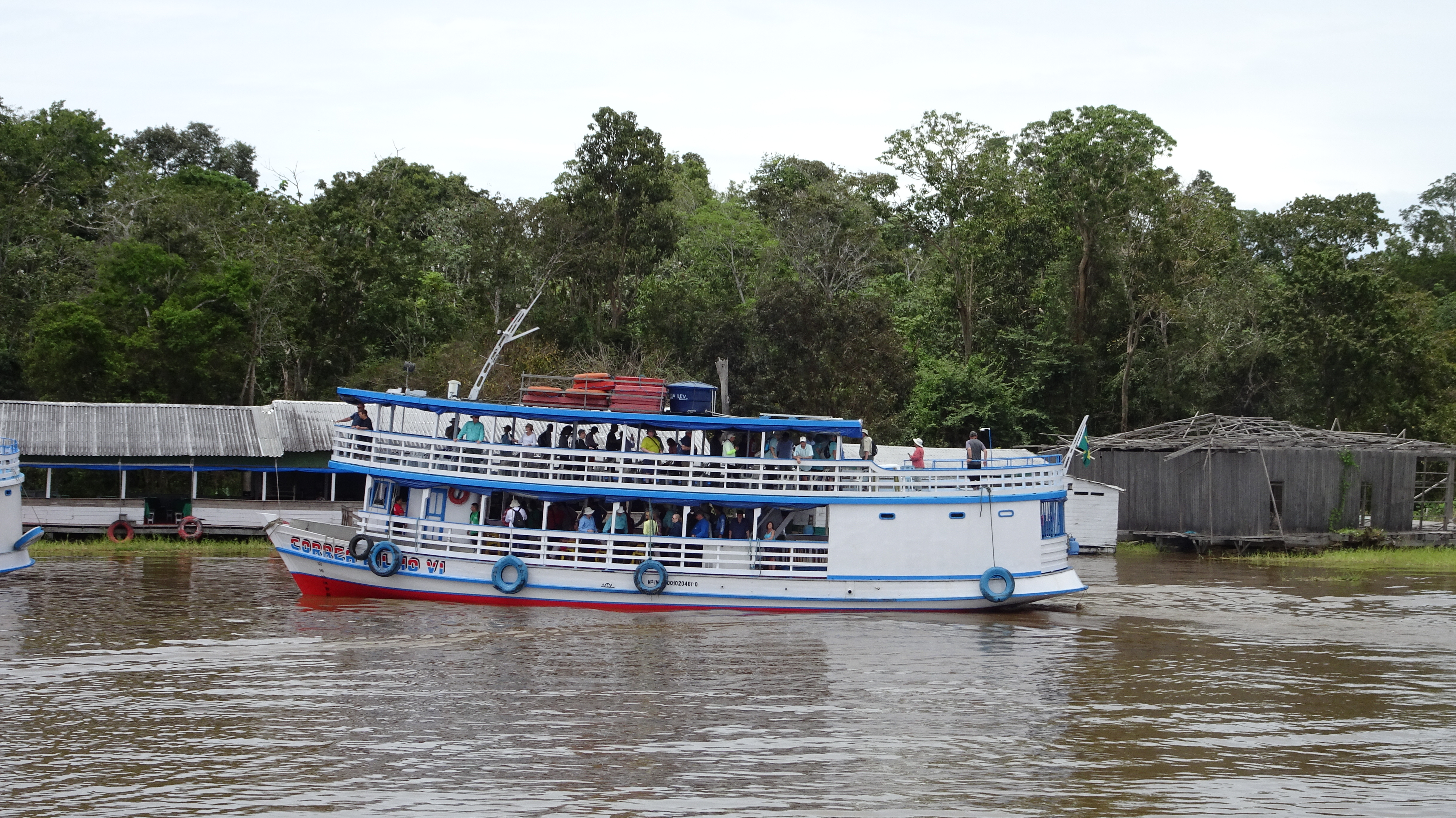
The following day, we toured the city on foot by ourselves. It would have been easy to get lost among the myriad streets where vendors sold everything from Chinese-made cosmetics to housewares and clothing to (obviously stolen) smartphones. We were told to keep our valuables hidden and our phones close to the body. We did.  
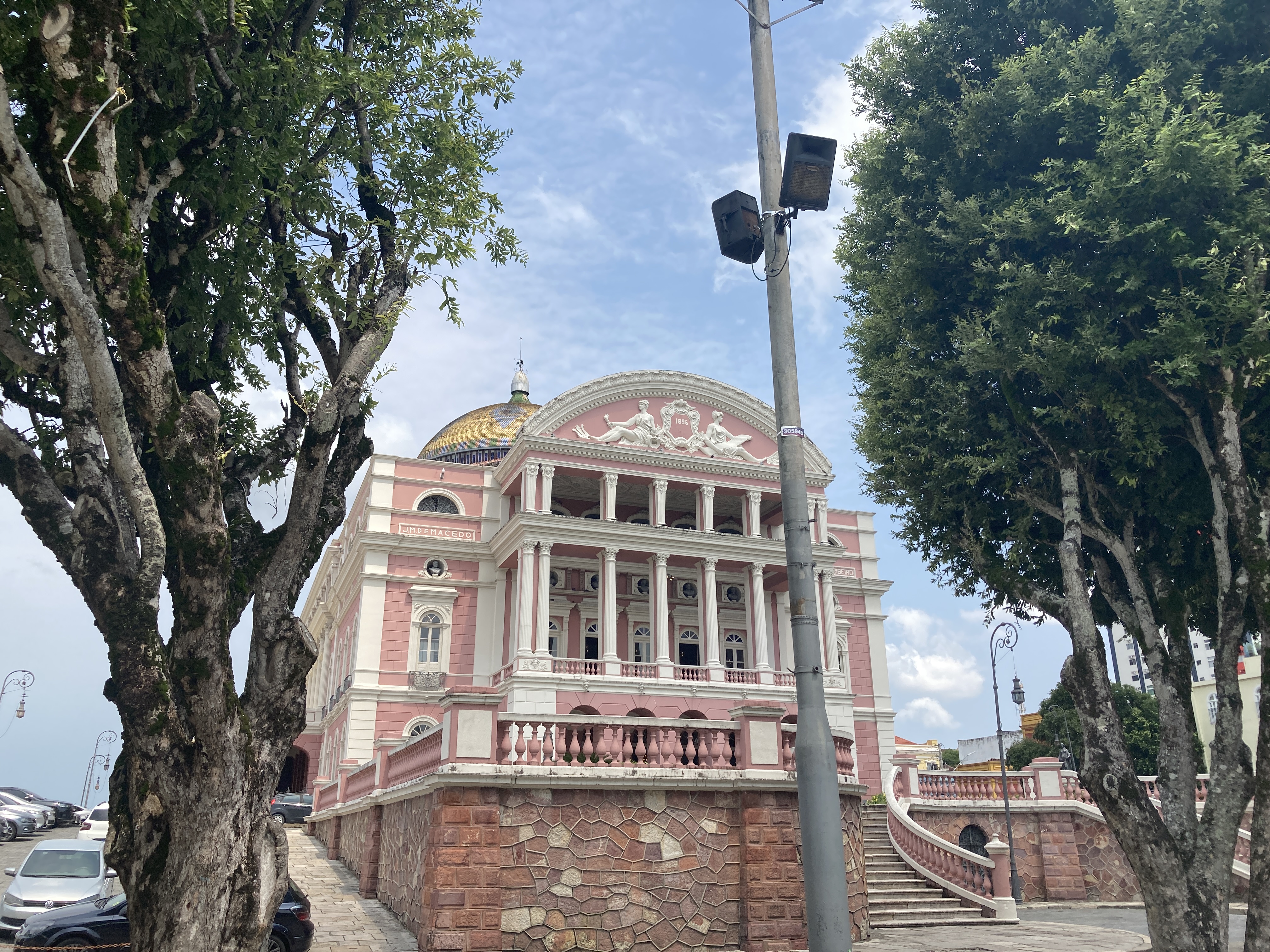
Opera House in Manaus

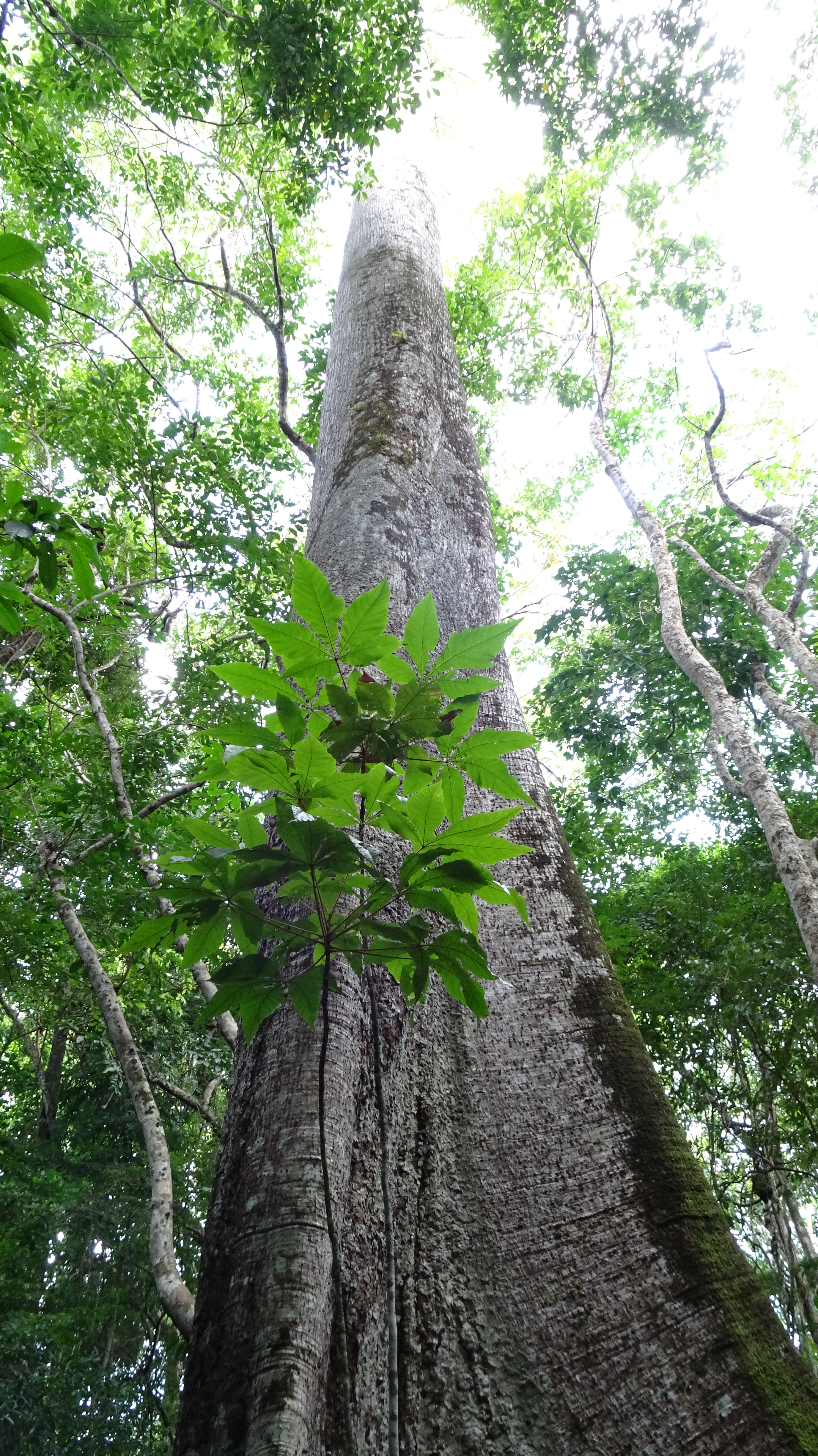
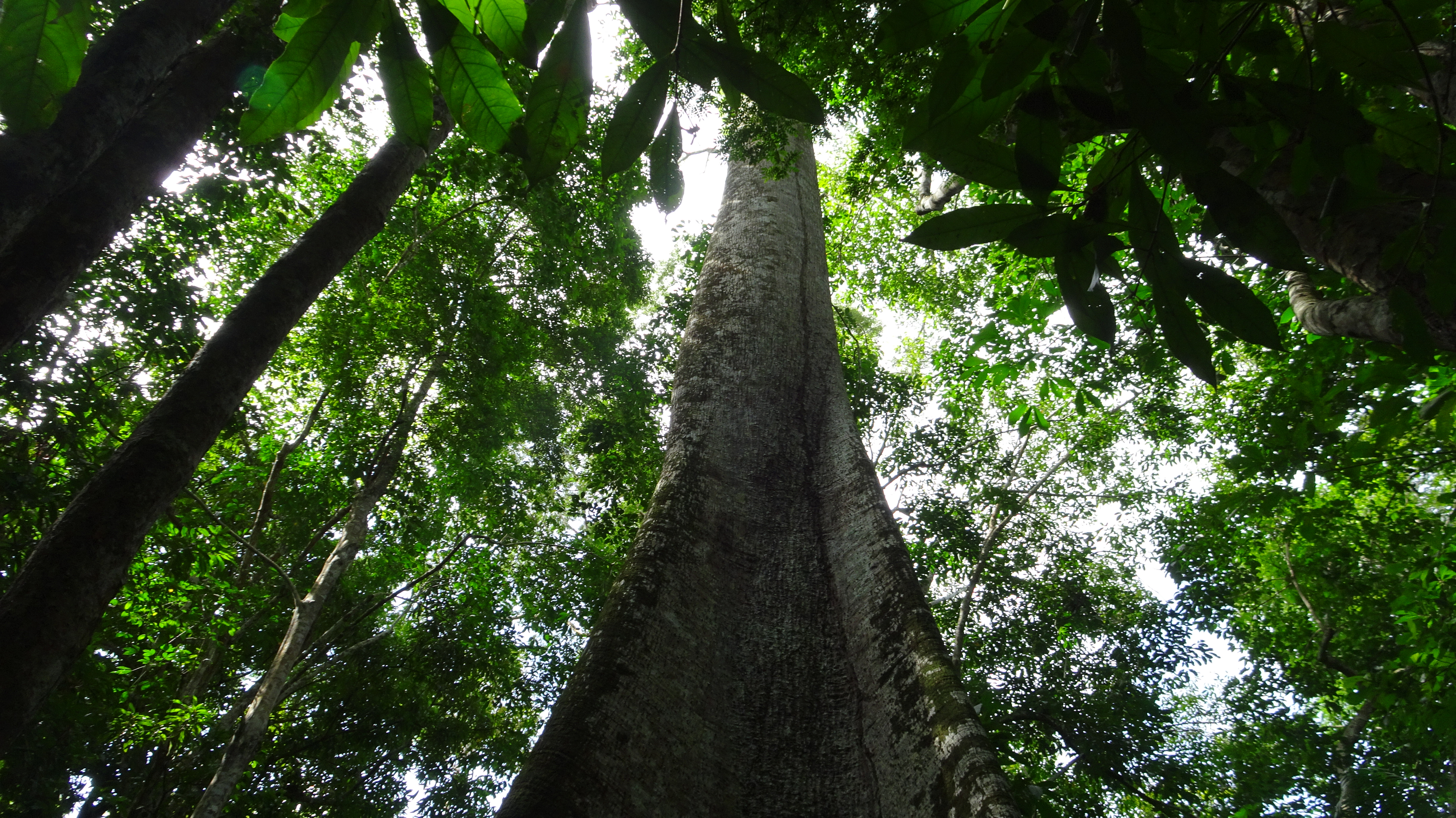
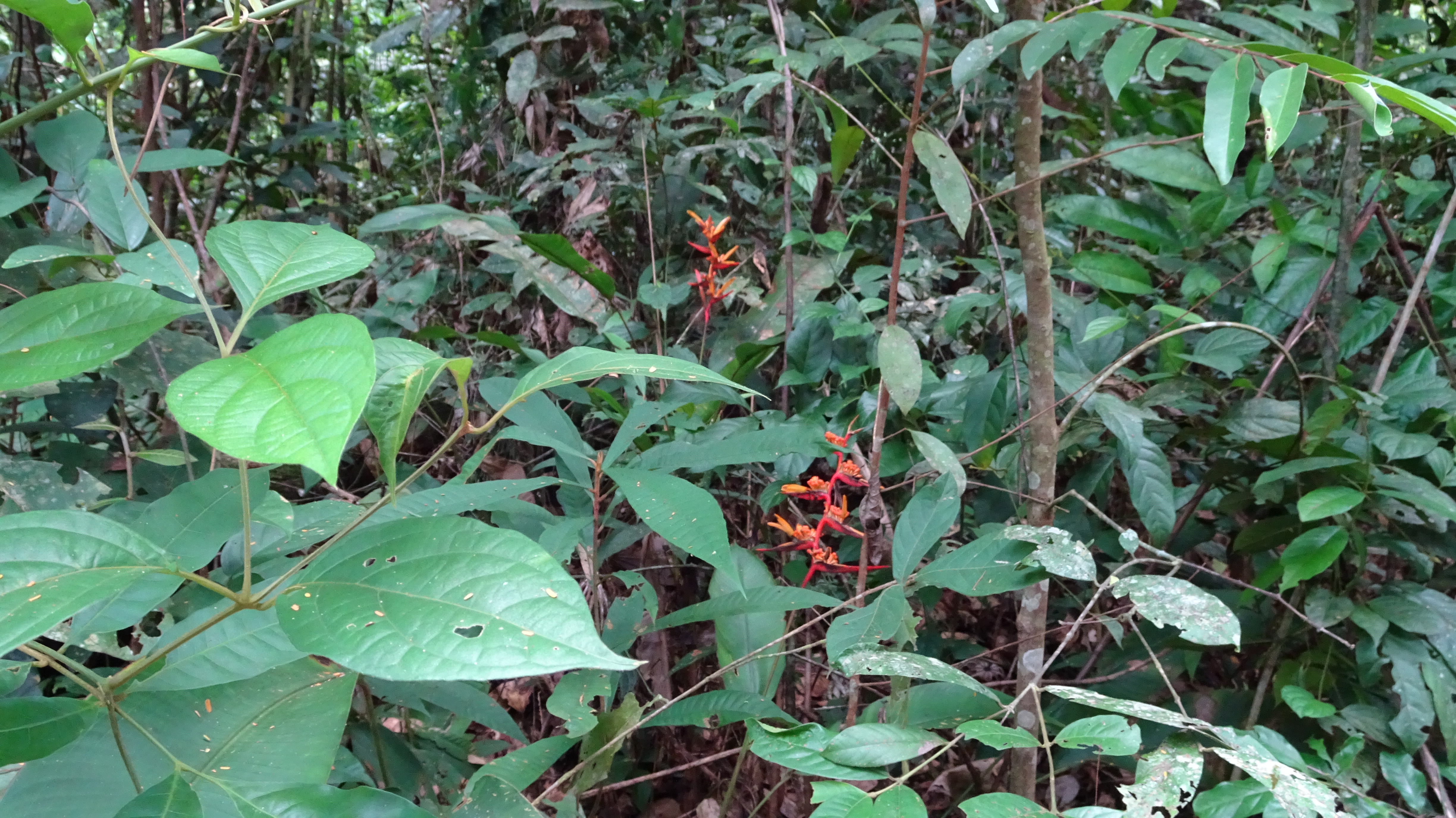
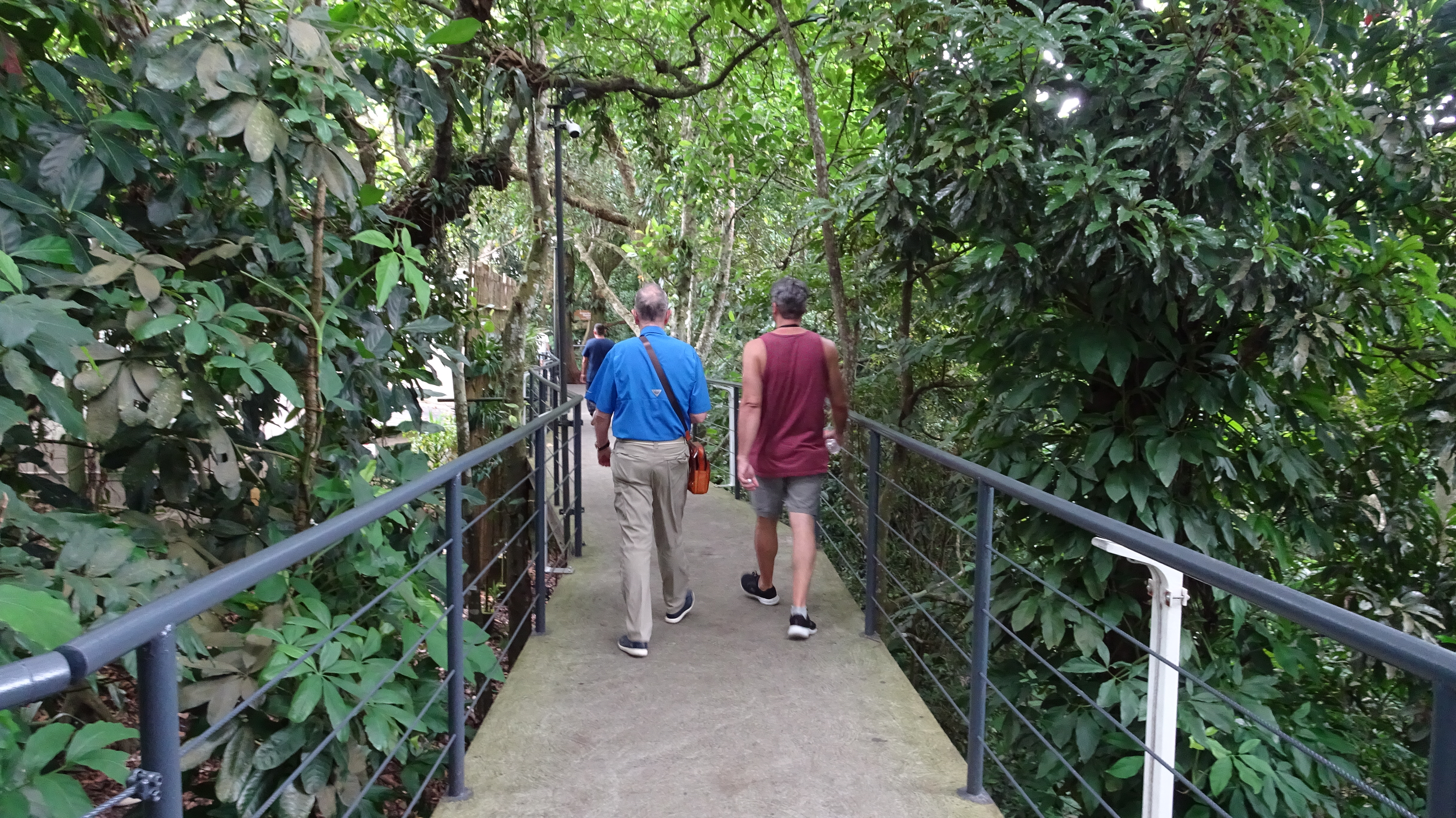
On our way back out of the river, we stopped at the port of Santarem. There, we boarded a rattle-trap repurposed (but not refurbished) city bus with no suspension or air conditioning for the hour-and-a-half drive to the Tapajos Rainforest. Once there, we made our way into the rainforest on foot for an hour-and-a-half hike. It was incredible and worth dodging the extraordinary volume of ants. Again, we saw no wildlife, but we learned how rubber is harvested from rubber trees.
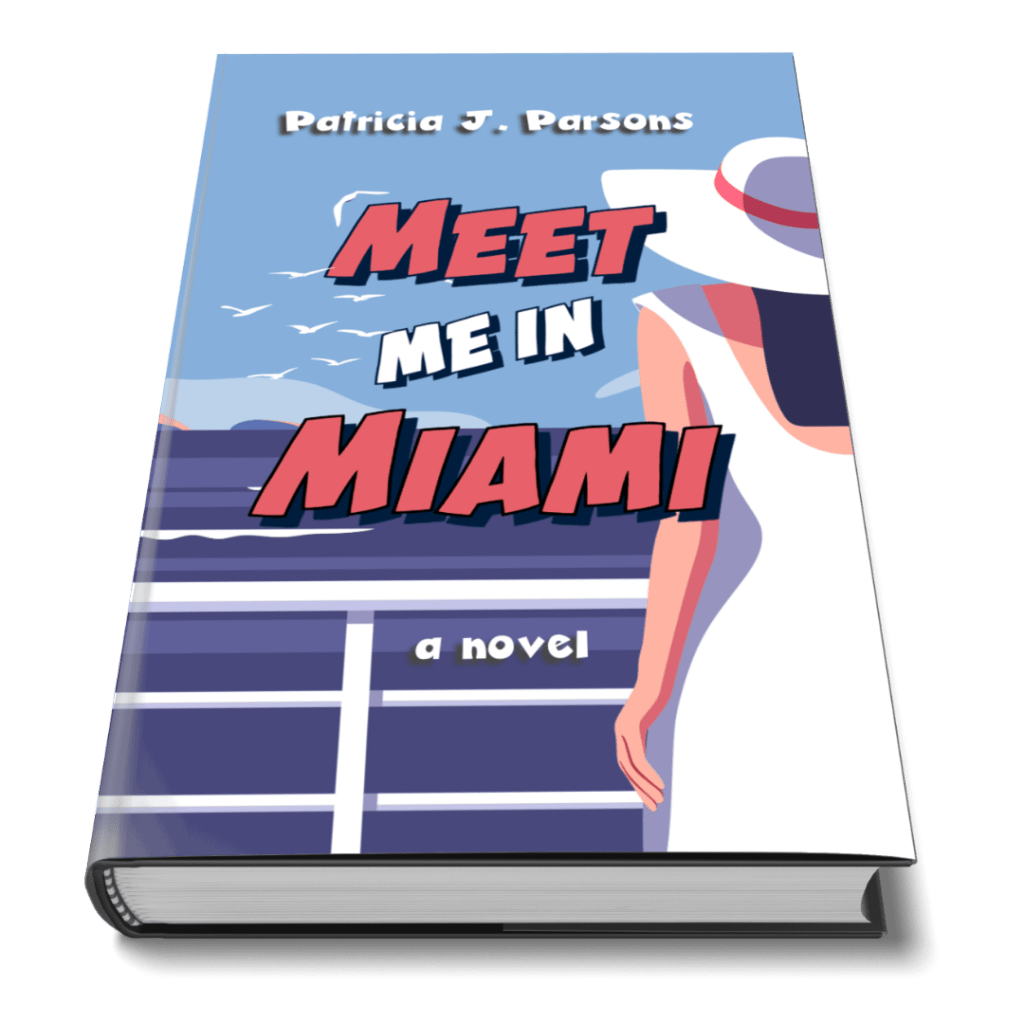
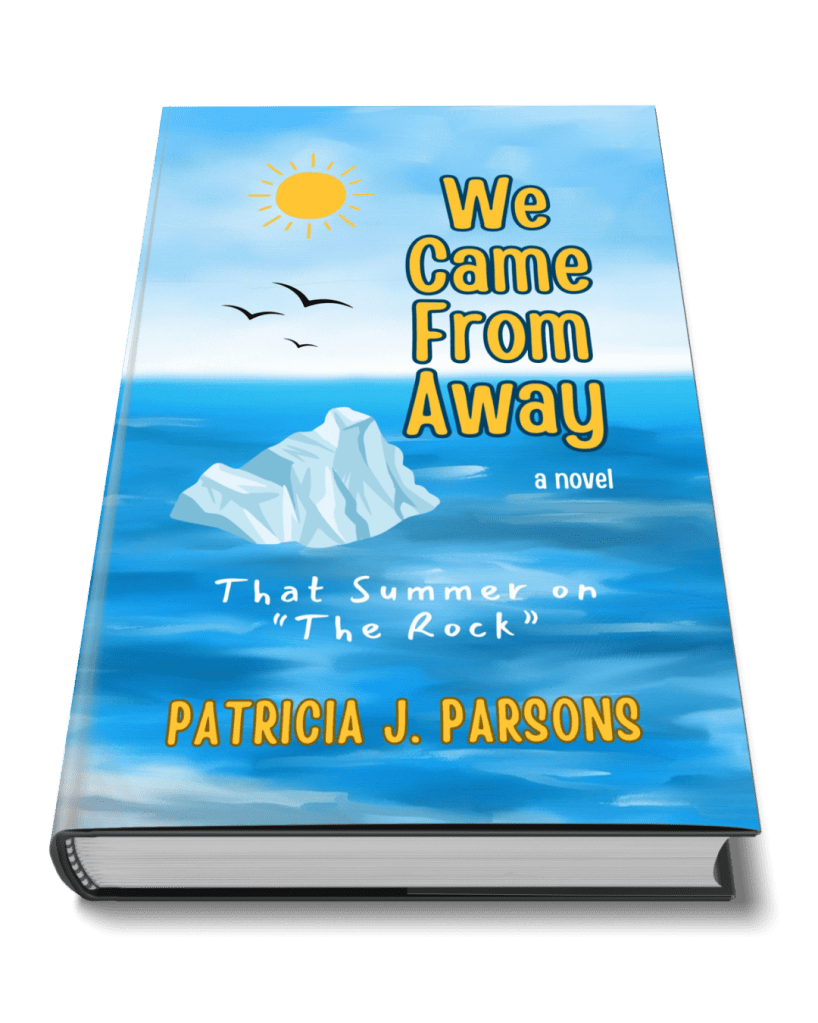
The experience was nothing if not inspirational. In fact, when we got home, Patty began writing the sequel to last year’s book We Came from Away. If you were to pick up Meet Me in Miami, you’d get the luscious details of that Amazon River cruise—armchair travel at its best, along with a story of second chances for the characters.
Oh, and you can get an even greater sense of it by watching our video. Happy travelling.  
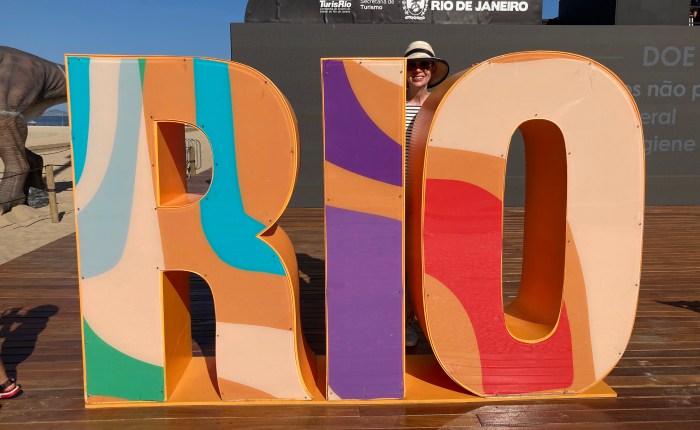
Rio de Janeiro: One for the Bucket List

Rio de Janeiro: One for the Bucket List

Part 2 of The Discerning Travelers Marvellous Adventure in Brazil and the Amazon series

Have you ever seen a movie or watched an online video and thought, “I have to visit that place before I die?” Art had kept an image of the statue of Christ the Redeemer in his mind for decades, always hoping that circumstances might one day propel him to visit it for himself. That image was one of the driving factors behind our bucket-list trip that started in São Paulo.

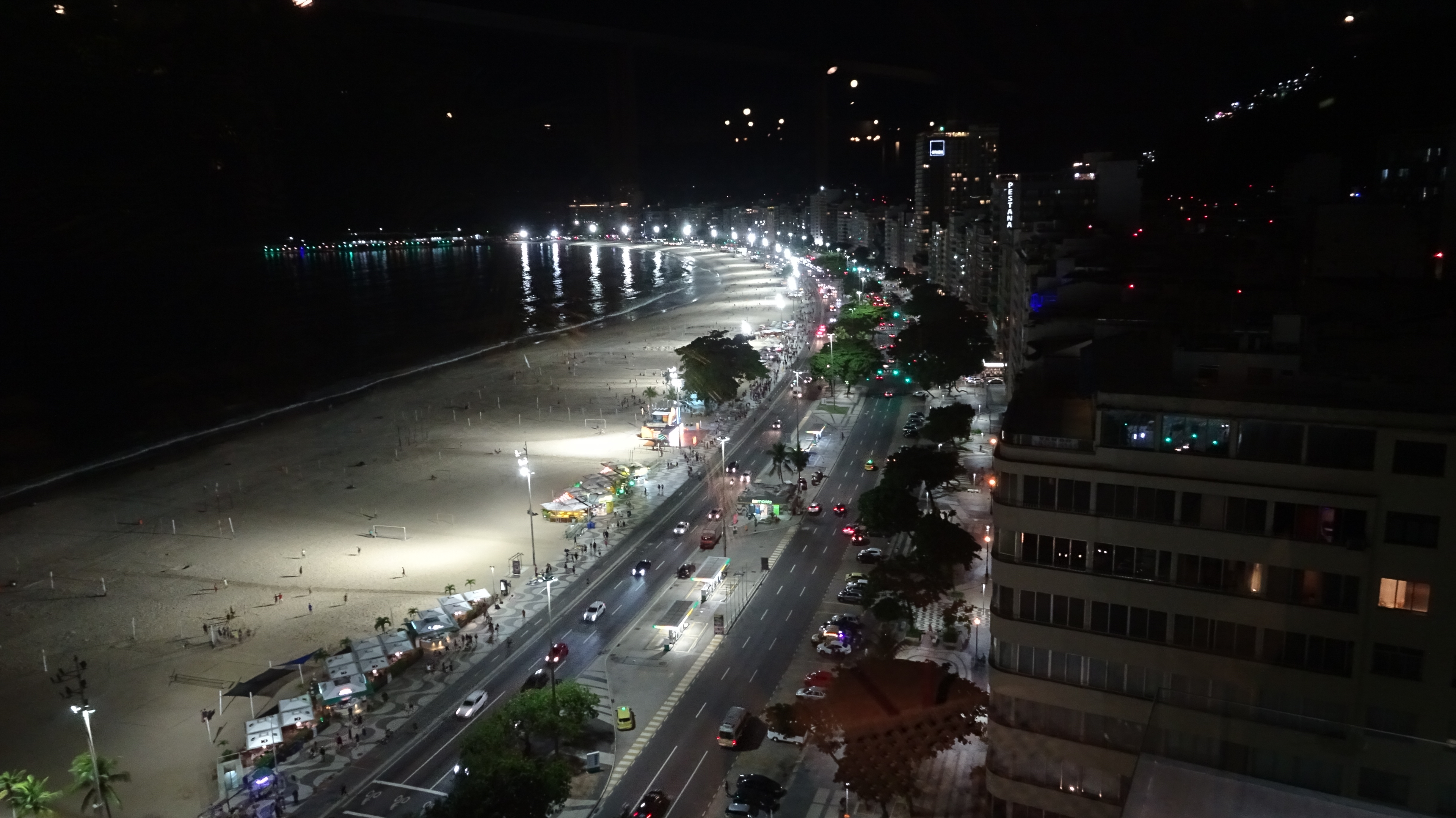
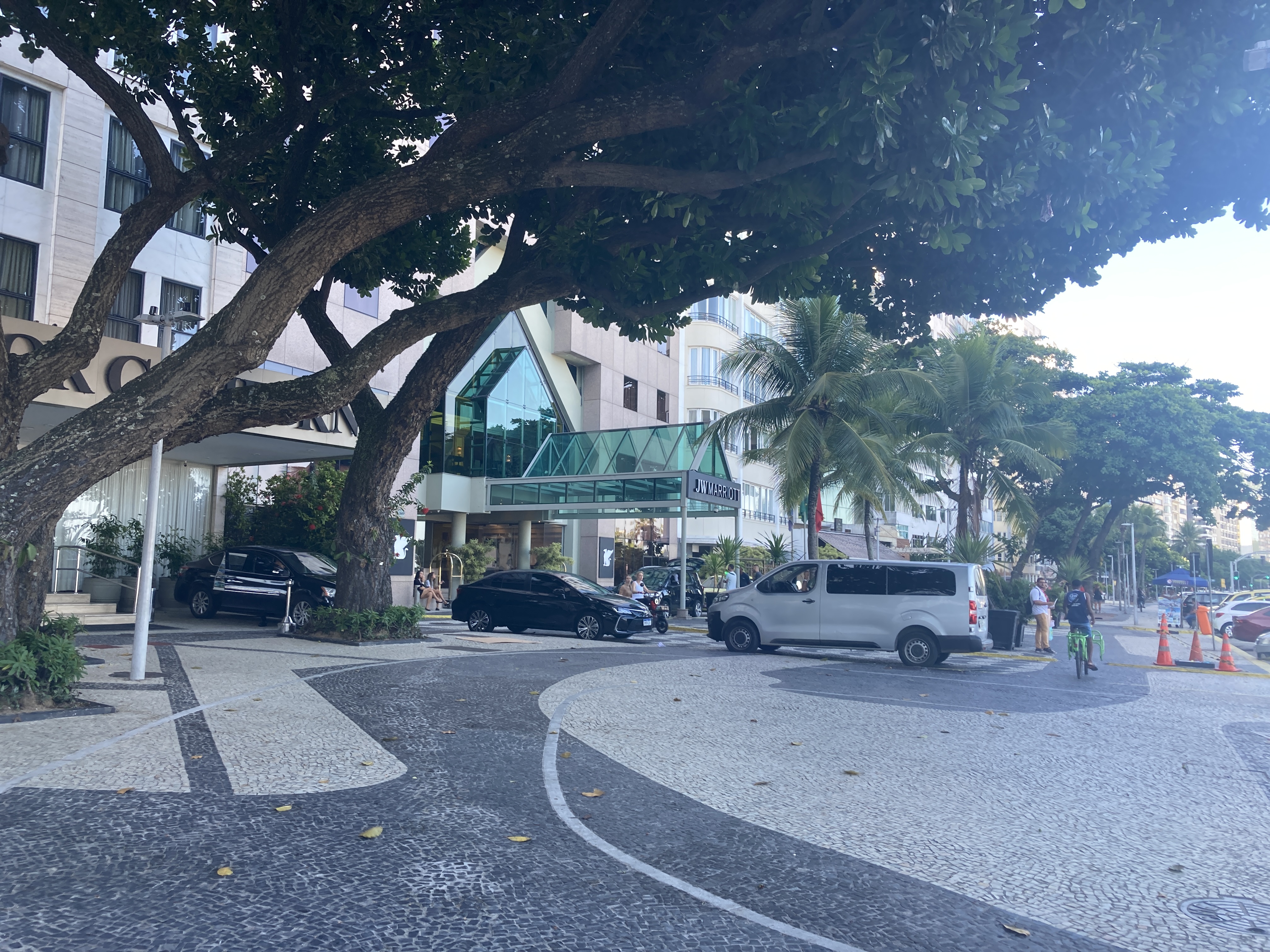
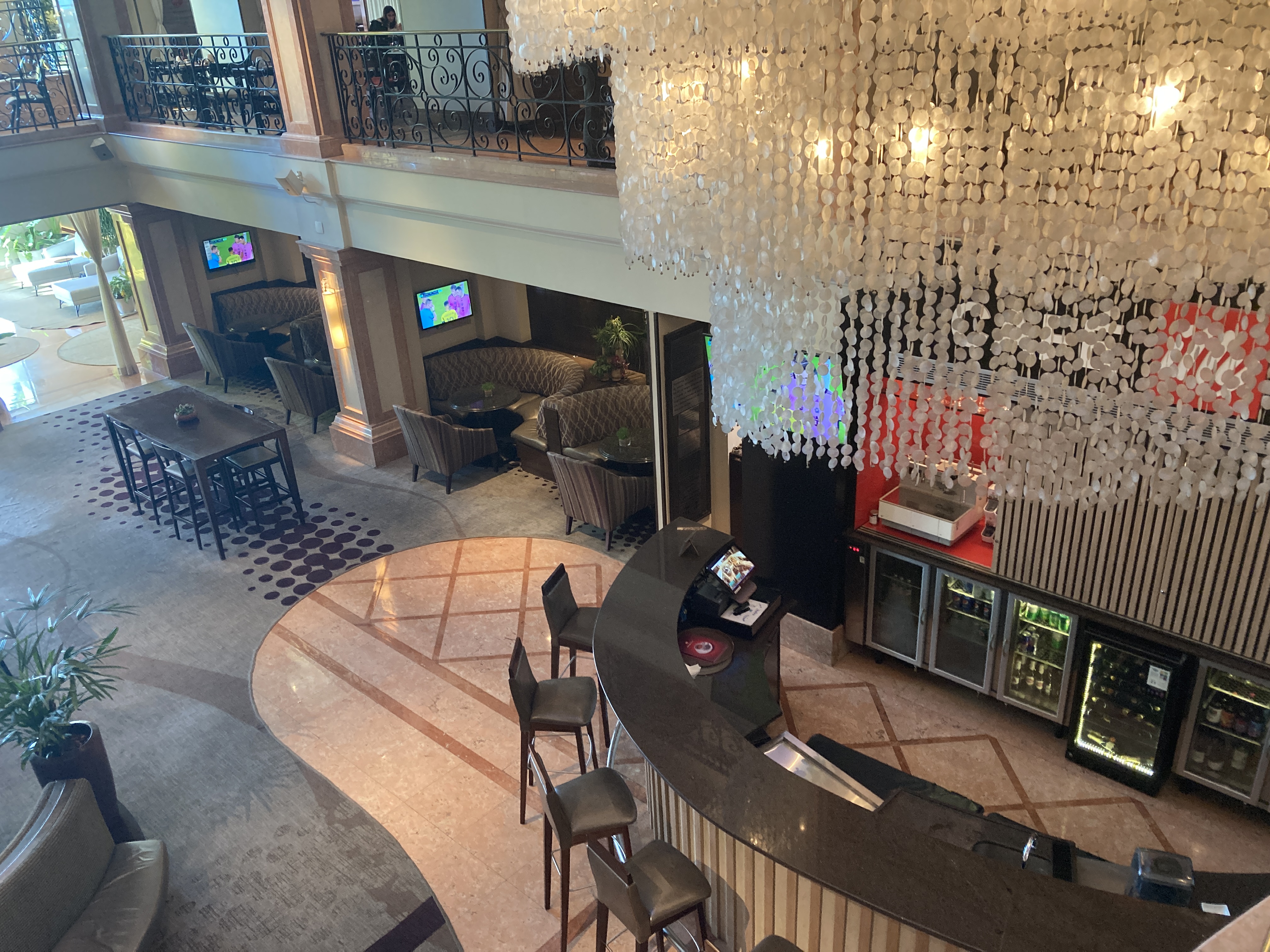
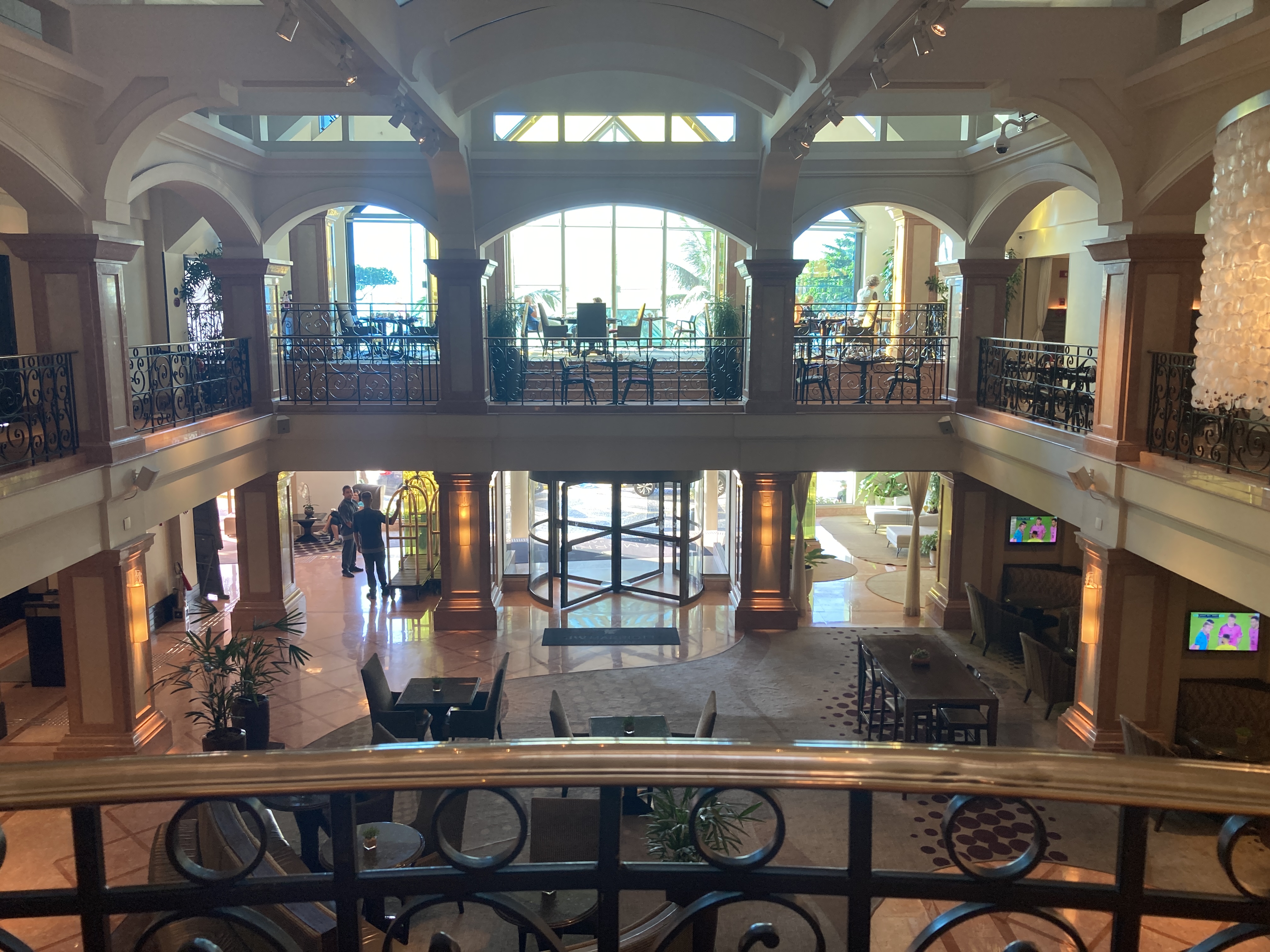
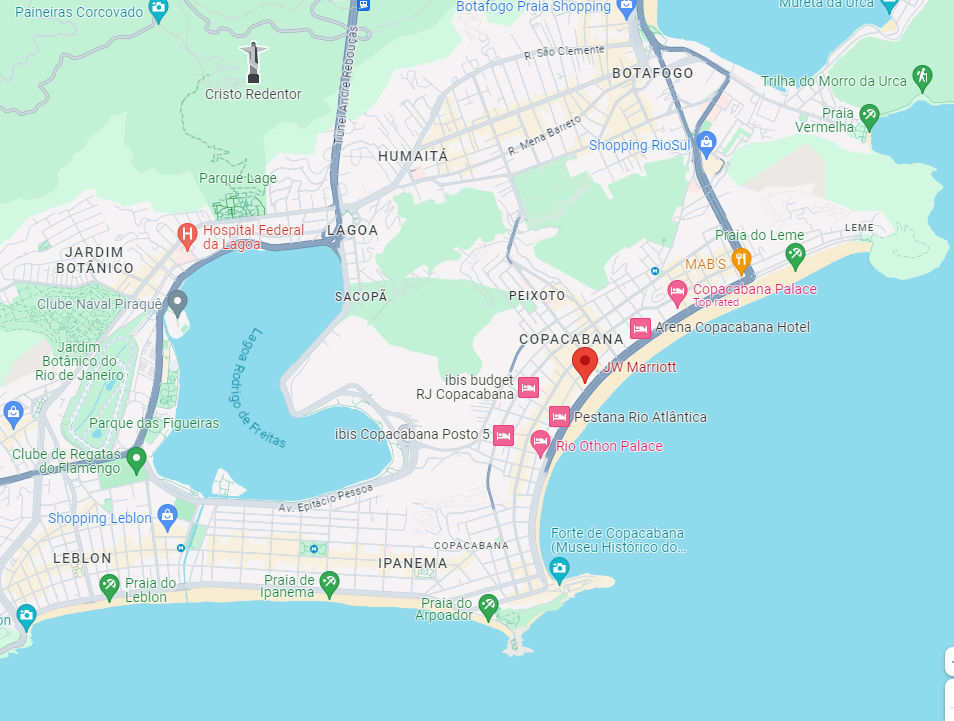
After two days in that megalopolis and a road trip along the south coast of Brazil (you can read about that leg of our journey here), we arrived after dark in Rio de Janeiro to see the twinkling lights along Copacabana Beach, where we checked into our hotel, the J.W. Marriott Copacabana, to begin a couple of days of memory making before embarking on a cruise that would take us into the Amazon and beyond.

When the sun rose the following morning, we were finally able to take in the breathtaking beauty of the city. You can almost feel the beats of the samba and bossa nova as you meander through this city, which is one of the most visited cities in the southern hemisphere.

We were up bright and early to meet Michael, our private guide, for a full-day tour of the highlights. When you don’t have a lot of time, you must pack a lot into a day or two. We would spend a day seeing tourist sites with our guide and then a day exploring on foot on our own.

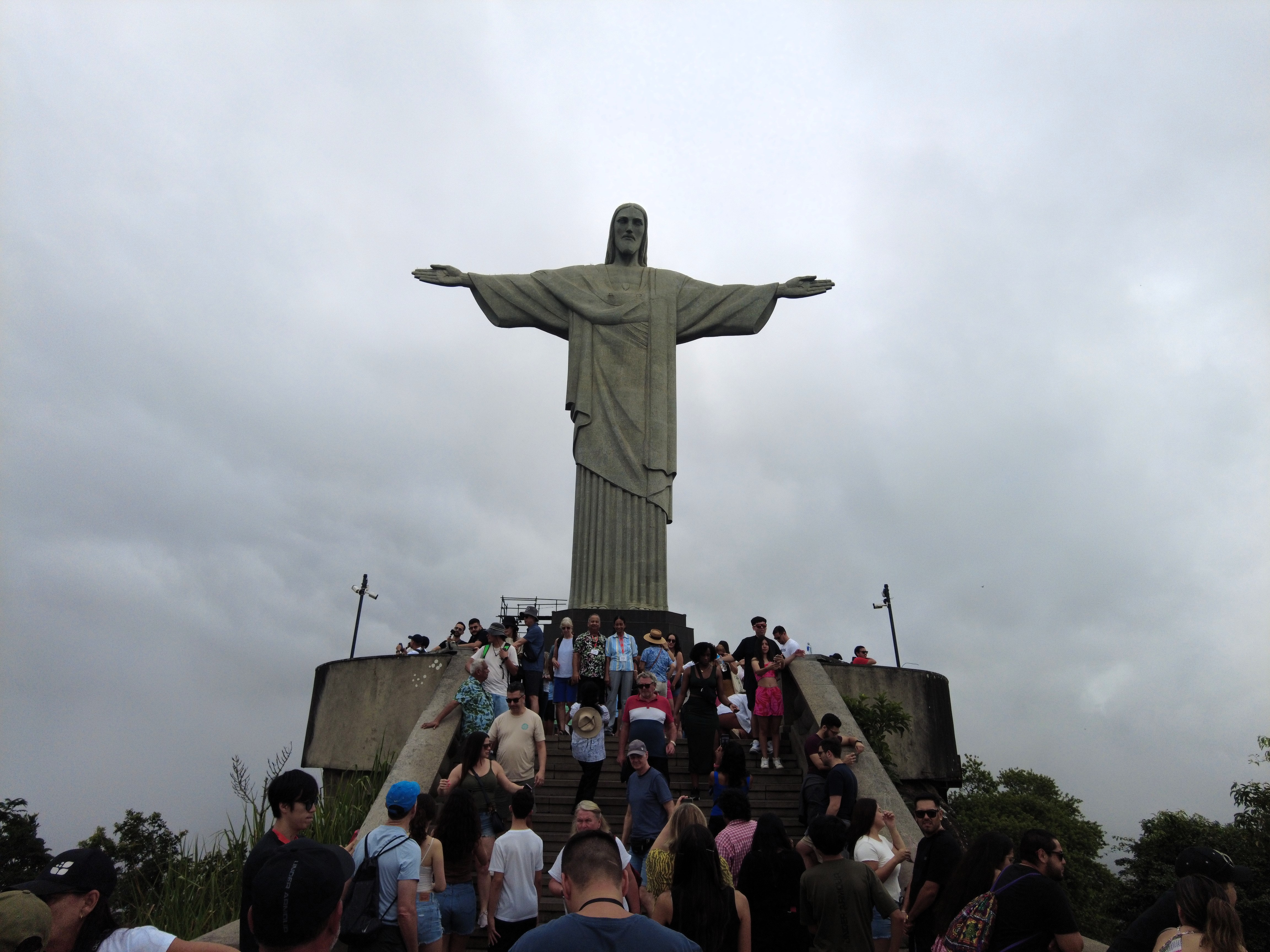
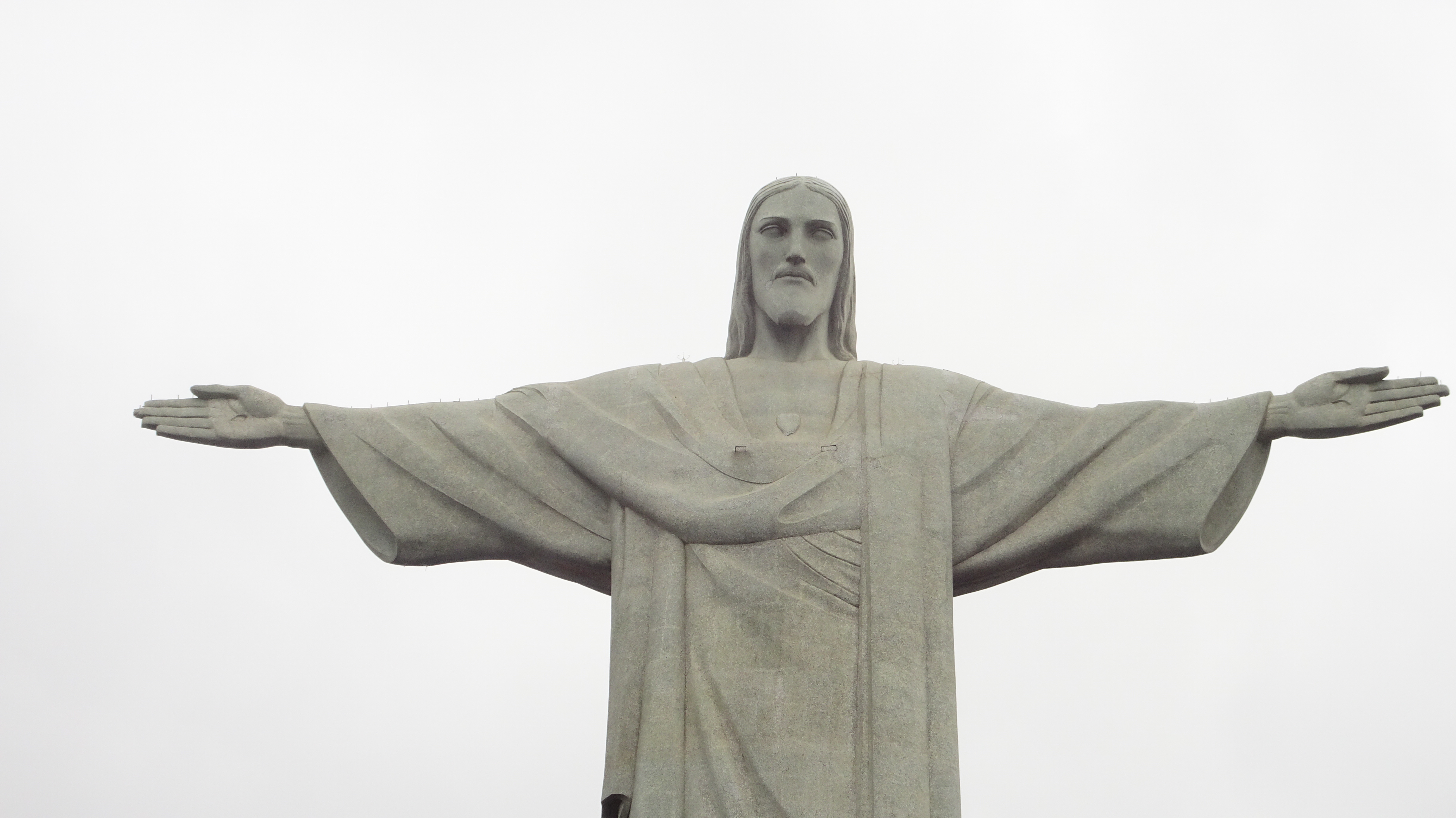
We began our tour with the crème de la crème. According to Michael, early in the morning is the best time to see Christ the Redeemer (before the crowds), so we made our way to the ticket booth and boarded the tramway train car to get to the top of Corcovado Mountain, home to this impressive and iconic statue.

Michael was a bit concerned as we made our way to the top that it might, as it had been in recent days, shrouded in fog. We were lucky that day. The massive face of Christ moved in and out of the mist as our morning visit progressed. It was very atmospheric.

Opened in 1931, the Art Deco statue is 30 metres (98 feet) high, and Christ’s outstretched arms span 28 metres (92 feet).

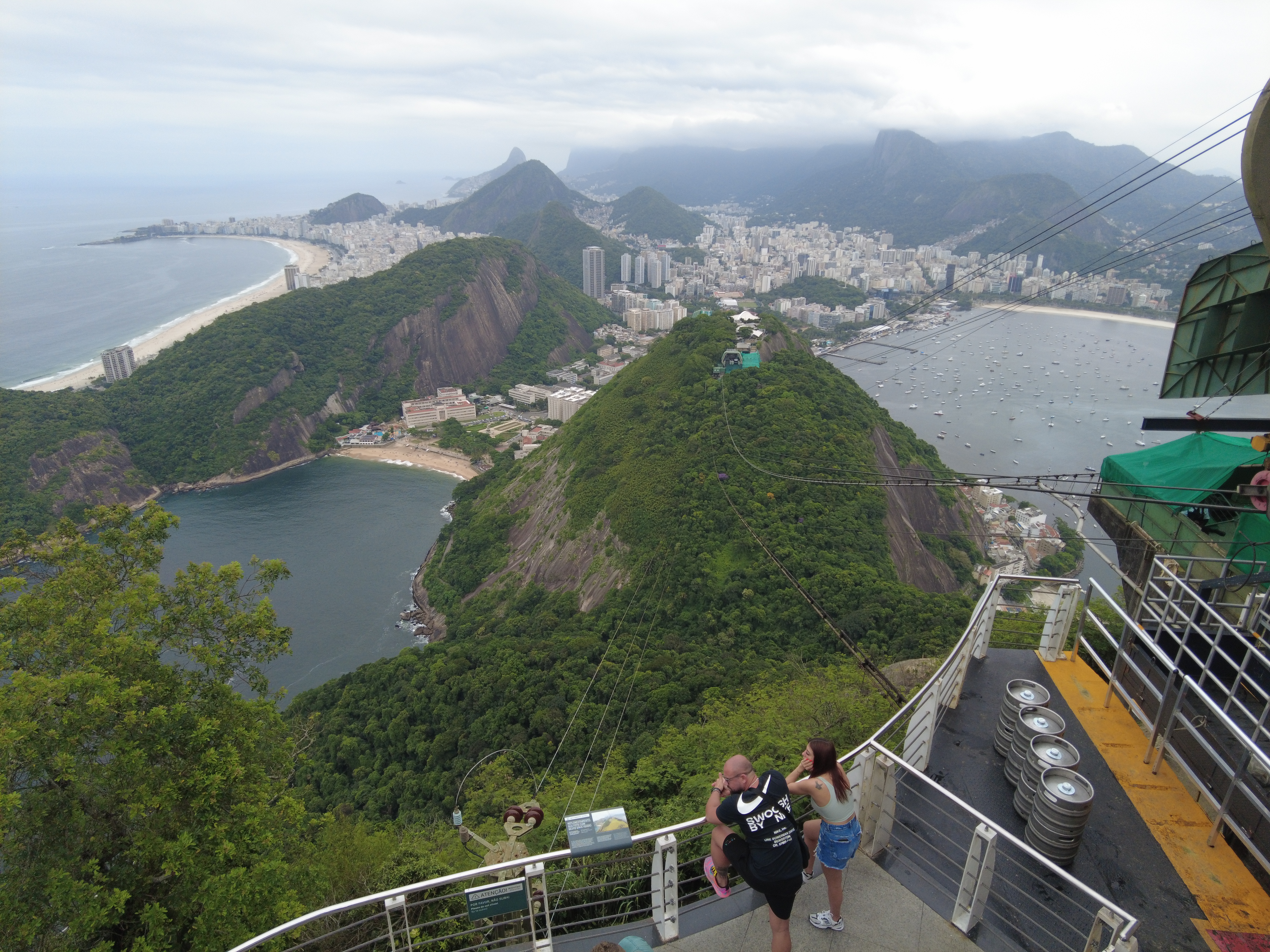
Despite the early hour, the crowds on the top of the mountain were already beginning to gather. Once we had seen the monument from every possible angle, it was time to get back on the tramway train and go back down so we could reach the top of the other icon that makes Rio so recognizable in photos: Sugarloaf Mountain.

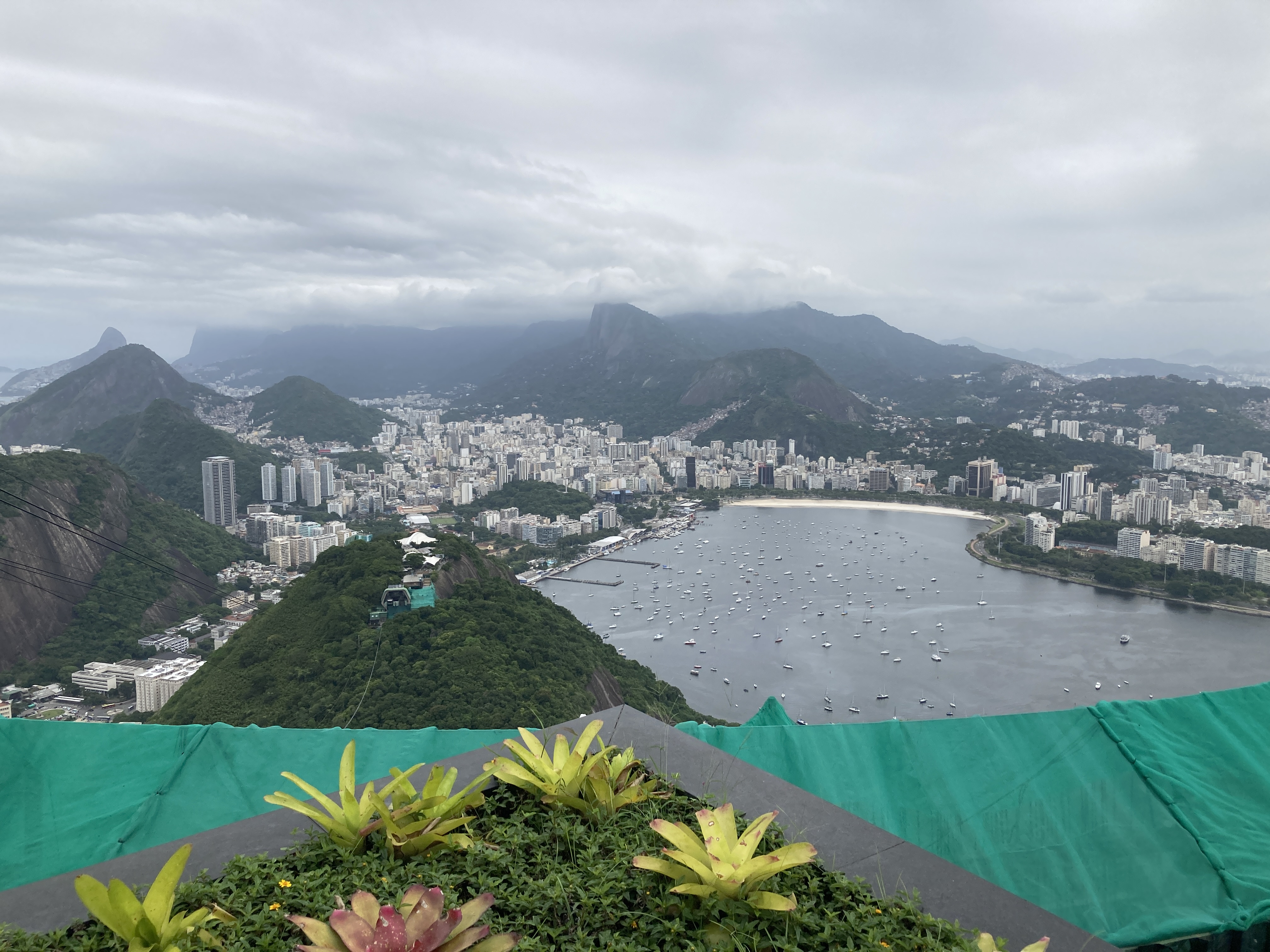
Getting to the top of Rio’s Sugarloaf is a two-stage trip on two gondolas. What we would have missed if we hadn’t been with a private guide was the stop halfway up. Instead of immediately boarding the next gondola, we took a walk through the lovely garden. We were able to appreciate the views from there before ascending to even more spectacular views of the beautiful city.

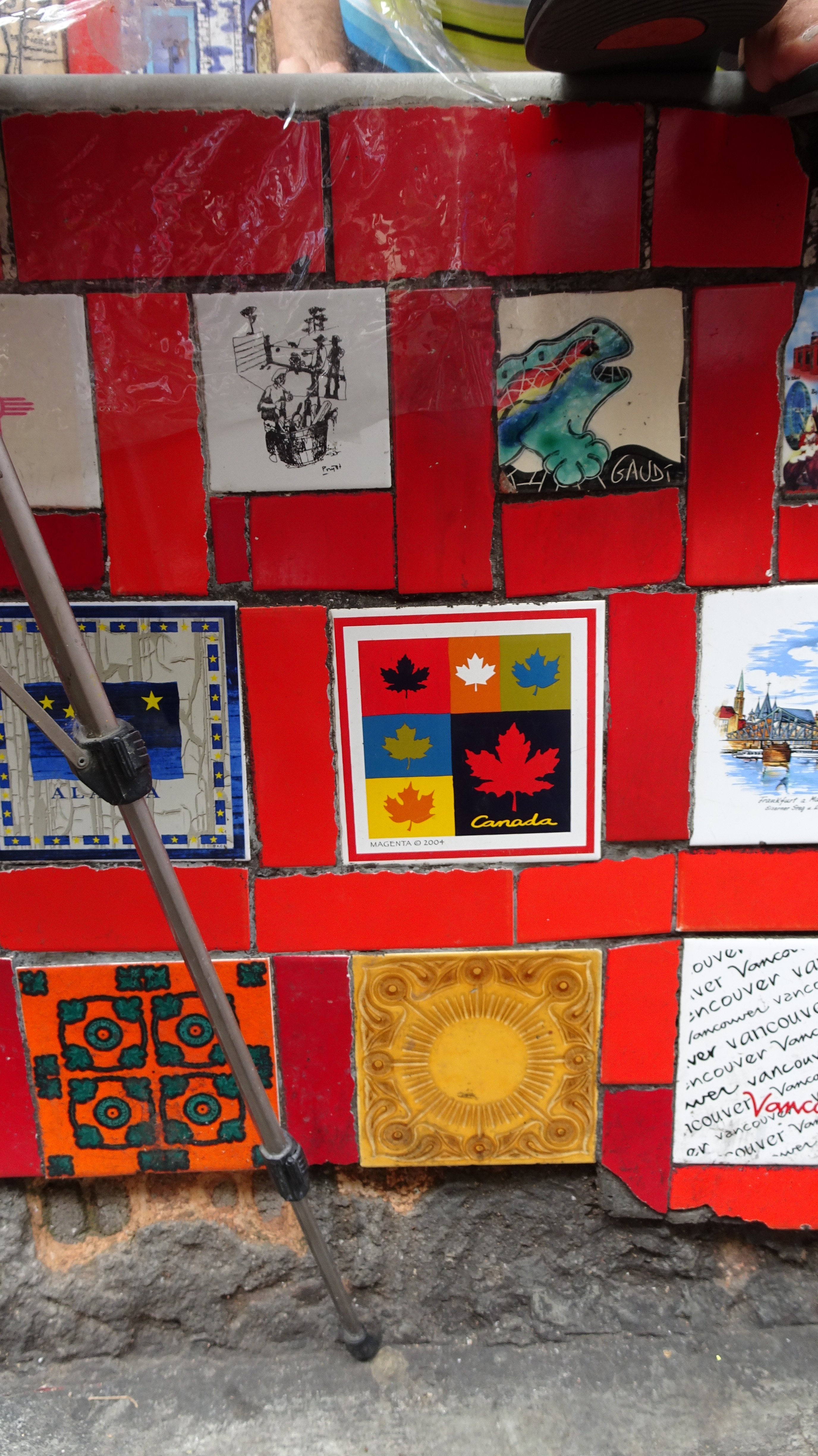
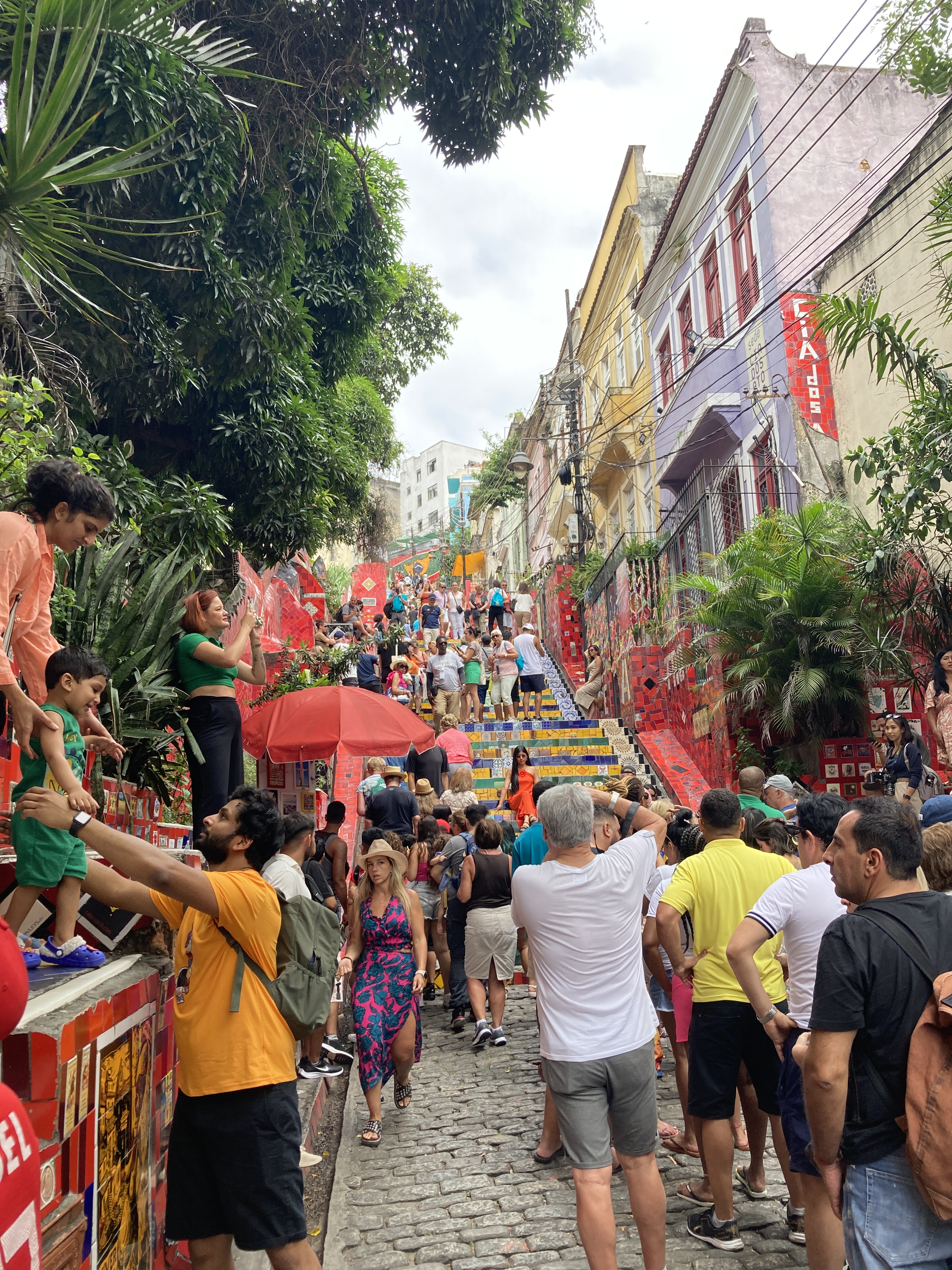
Once back at sea level, Michael took us to another site he suggested was a must-see: the Escadaria Selarón—a set of steps covered with tiles. He insisted we weather the crowds and see the Canada tile. Well, we did, and we found it odd. If anyone were to ask us if we thought they should visit, we would have to say it was seriously underwhelming. It was hot, crowded and not particularly interesting as Brazilian sights go. But we can say we were there.

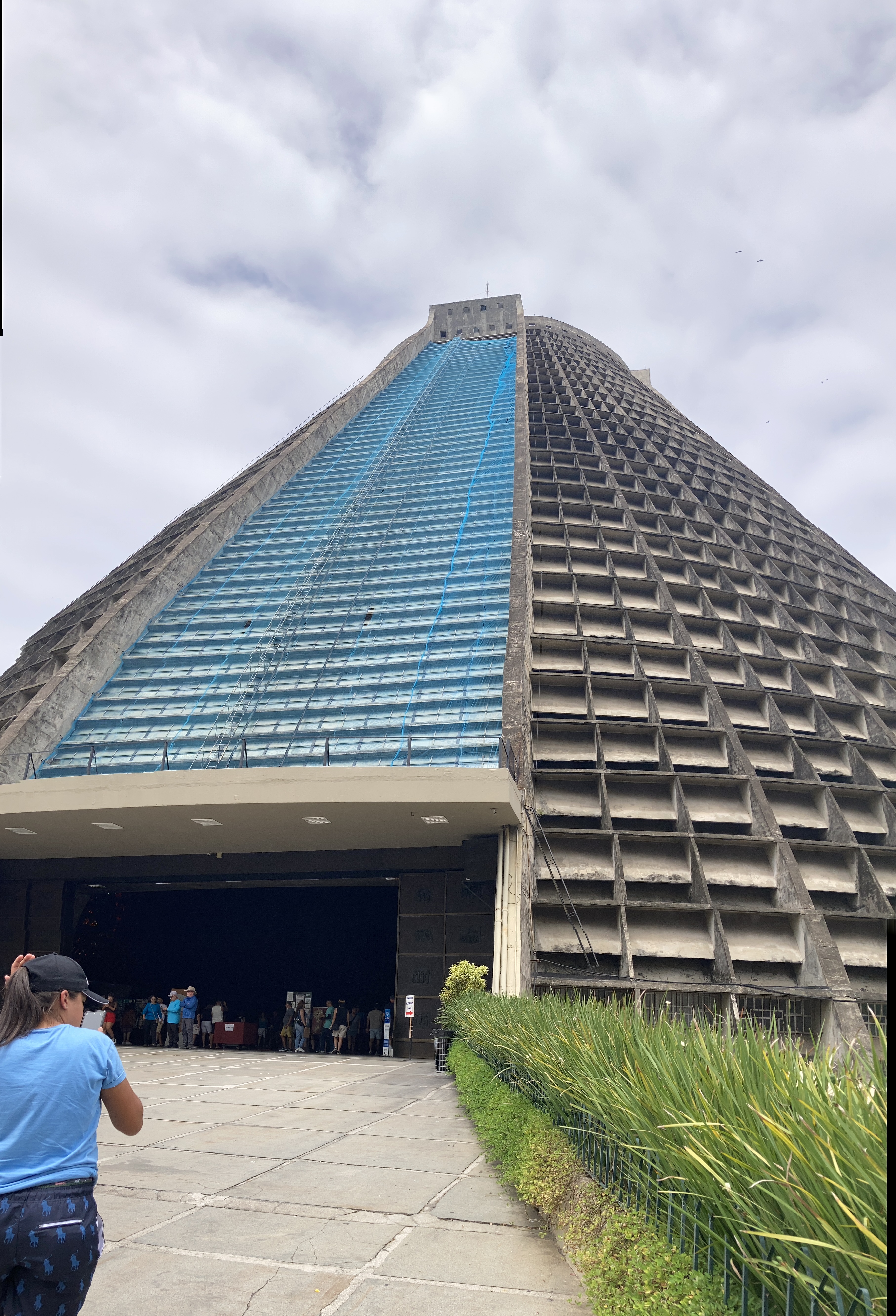
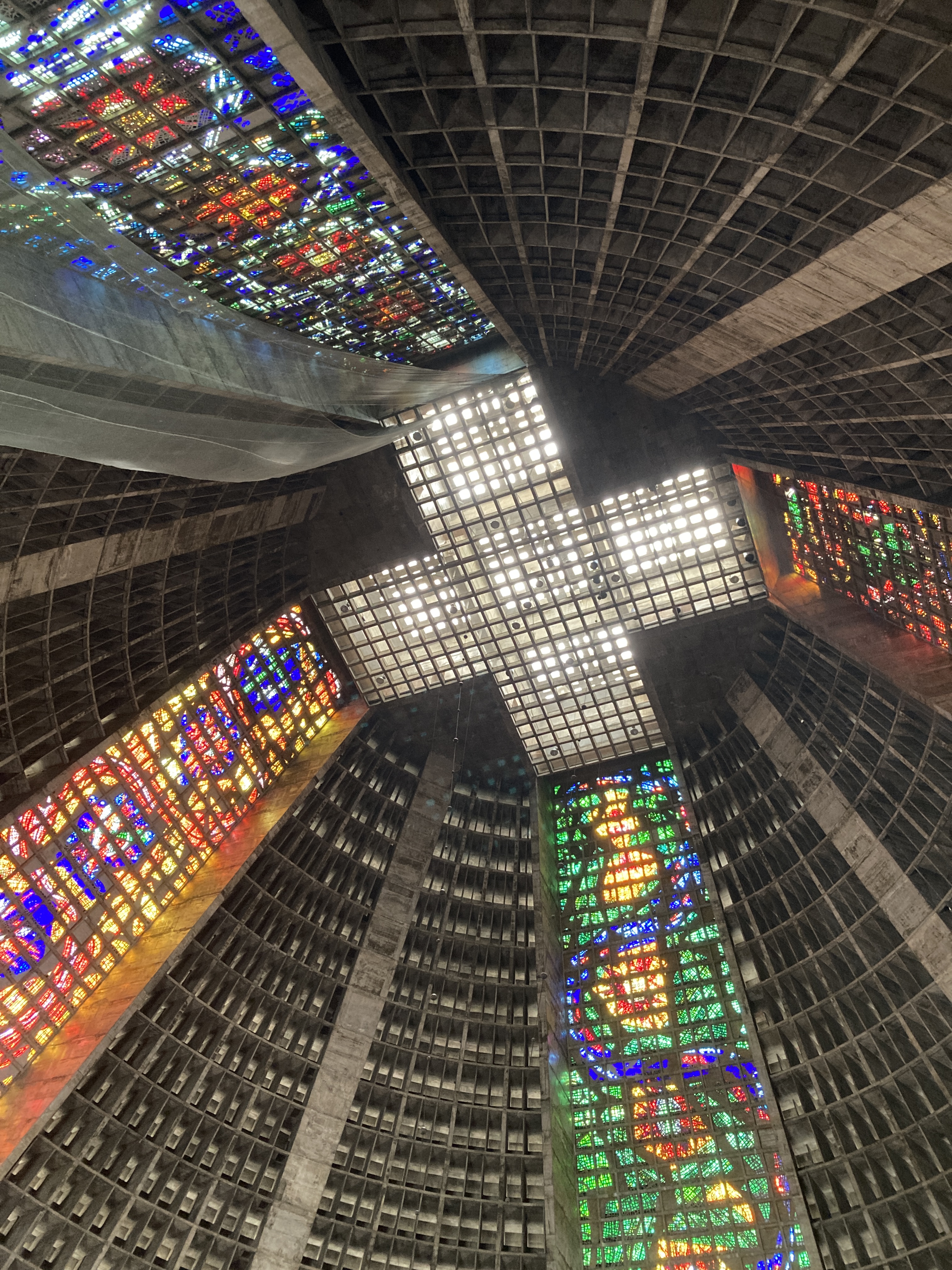
Our last stop was the Metropolitan Cathedral of St. Sebastian. Michael thought we might enjoy seeing a church that wasn’t at all what we might expect to see. It wasn’t, and it wasn’t at all like the European-style churches we would see as our Brazilian adventure continued. (Churches are not really our thing, but when in Rome… or Rio …)

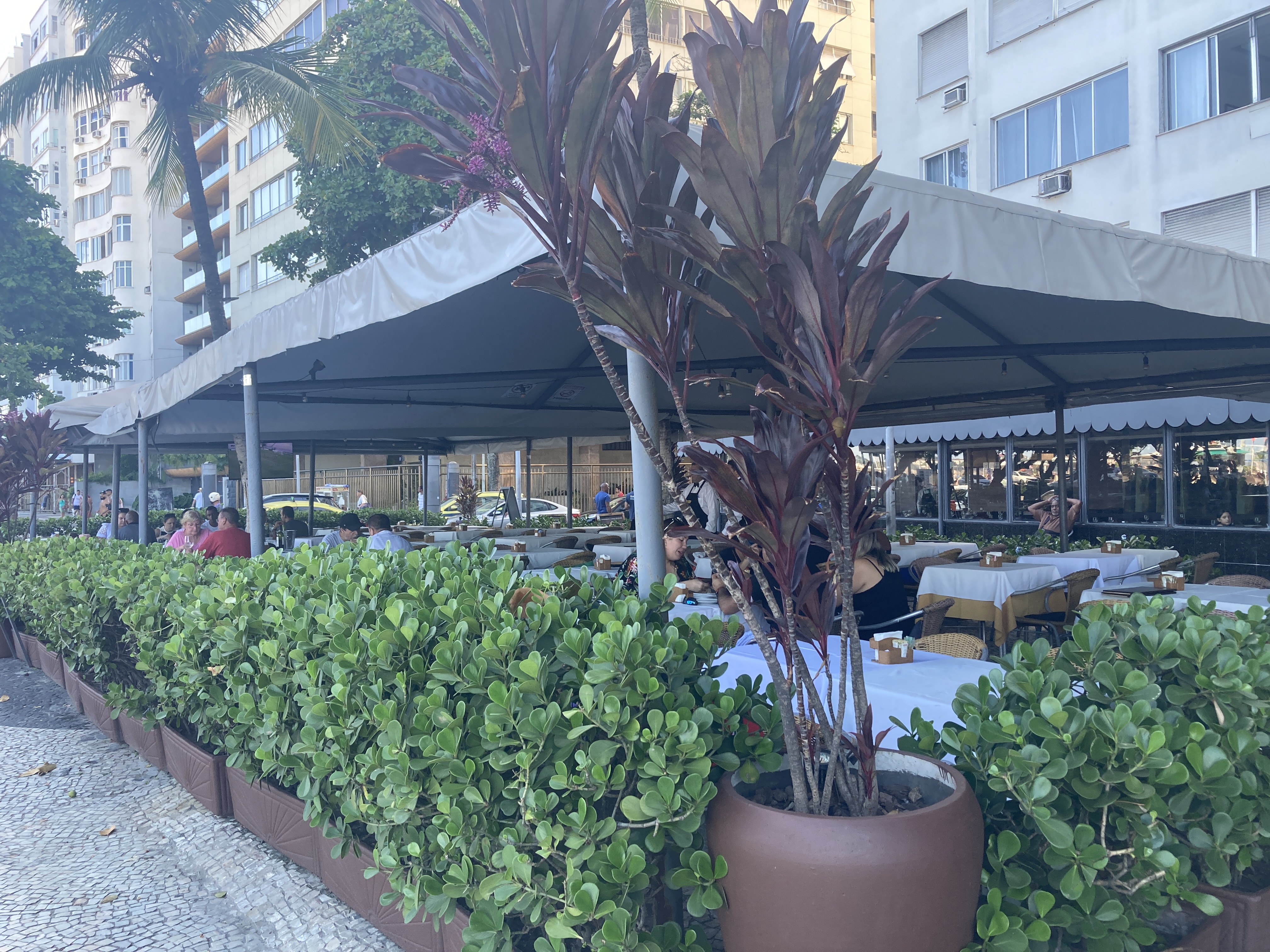
Once back at our hotel on Copacabana Beach, we wandered out into the evening buzz and found ourselves an outdoor restaurant right on the Avenida for dinner.

Dinner anyone?

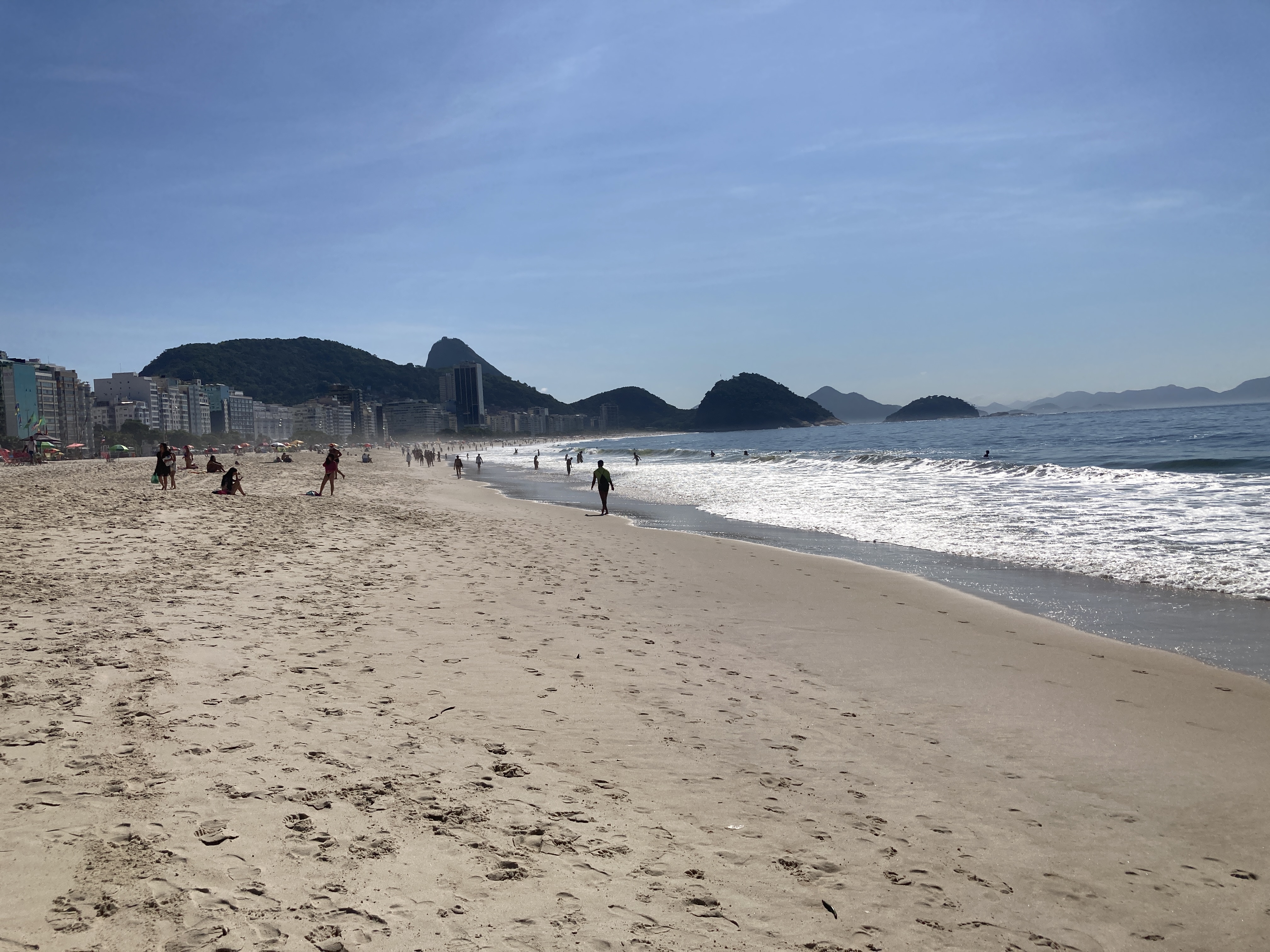
The following morning found us up and out to walk the beach to get a feel for the Copacabana vibe, after which we took a walk into Ipanema to search for that girl—and a Brazilian bathing suit for Patty!

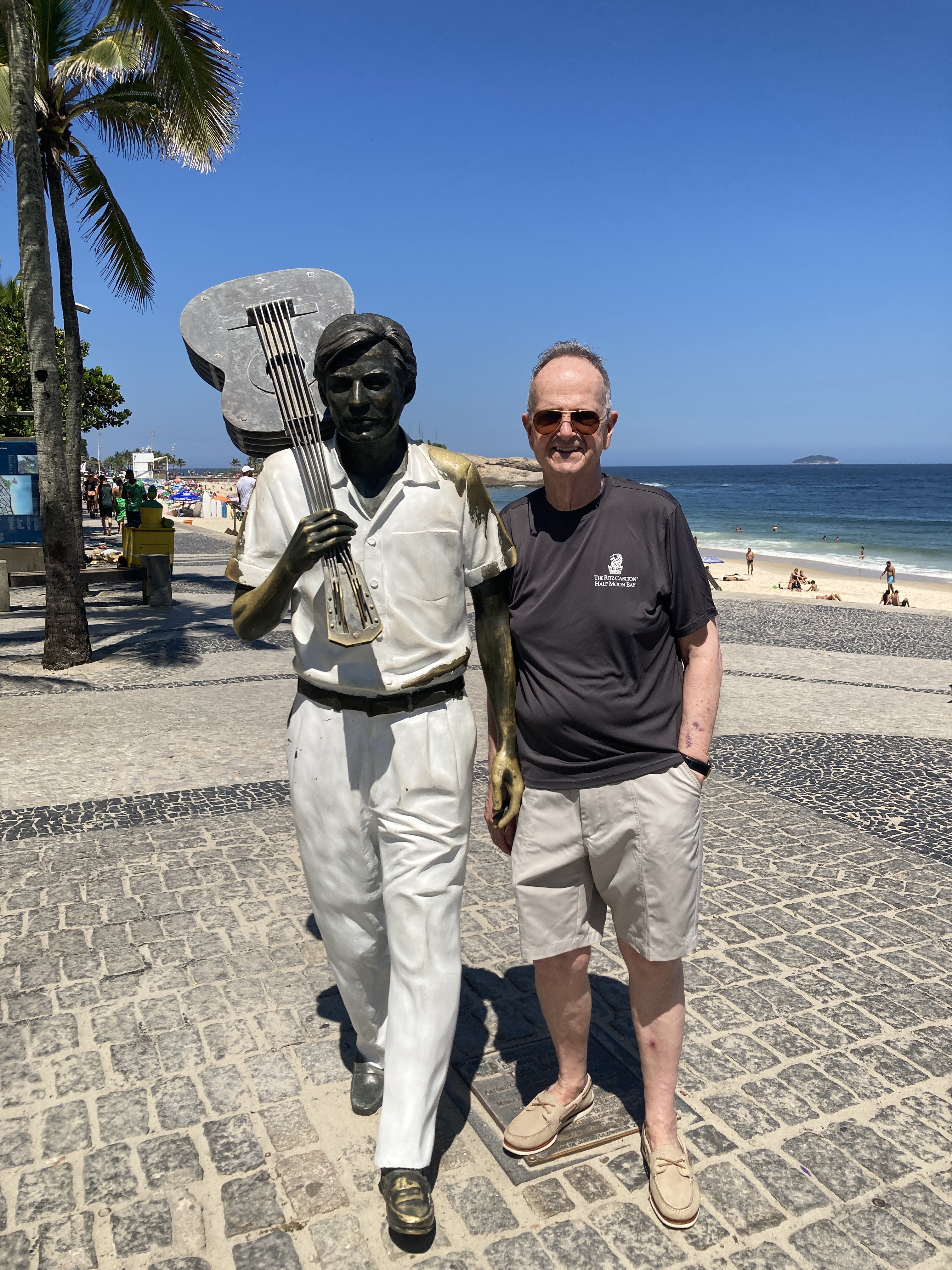
Art, ever the musician, had a chance to walk with guitarist and composer Antônio Carlos Jobim, who wrote “The Girl from Ipanema,” that iconic song, and we both concluded that we liked the vibe on Copacabana Beach better. Ipanema is much smaller, although if you’re a surfer, that’s the beach for you.

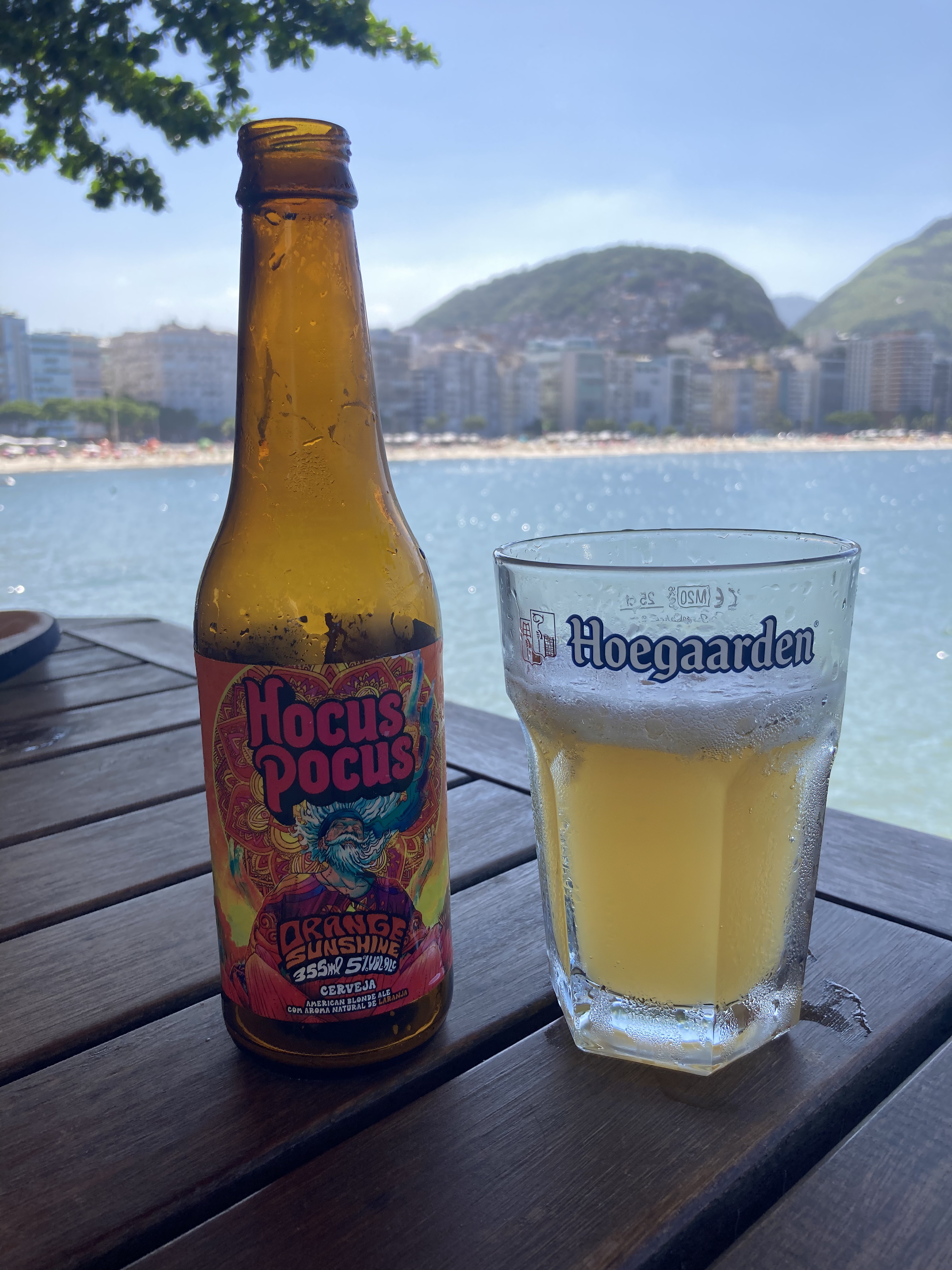
It was a hot day, so we went to a restaurant at Fort Copacabana, an old military establishment with a to-die-for view of the beach and two restaurants. We were ready for a local beer—Hocus Pocus.

We had only three nights (and two full days) in Rio before we boarded the Oceania Marina to head north along the Atlantic Coast and into the Amazon. That’s a story for part three!

If you want more of a taste of our days in Rio, here’s a little video.

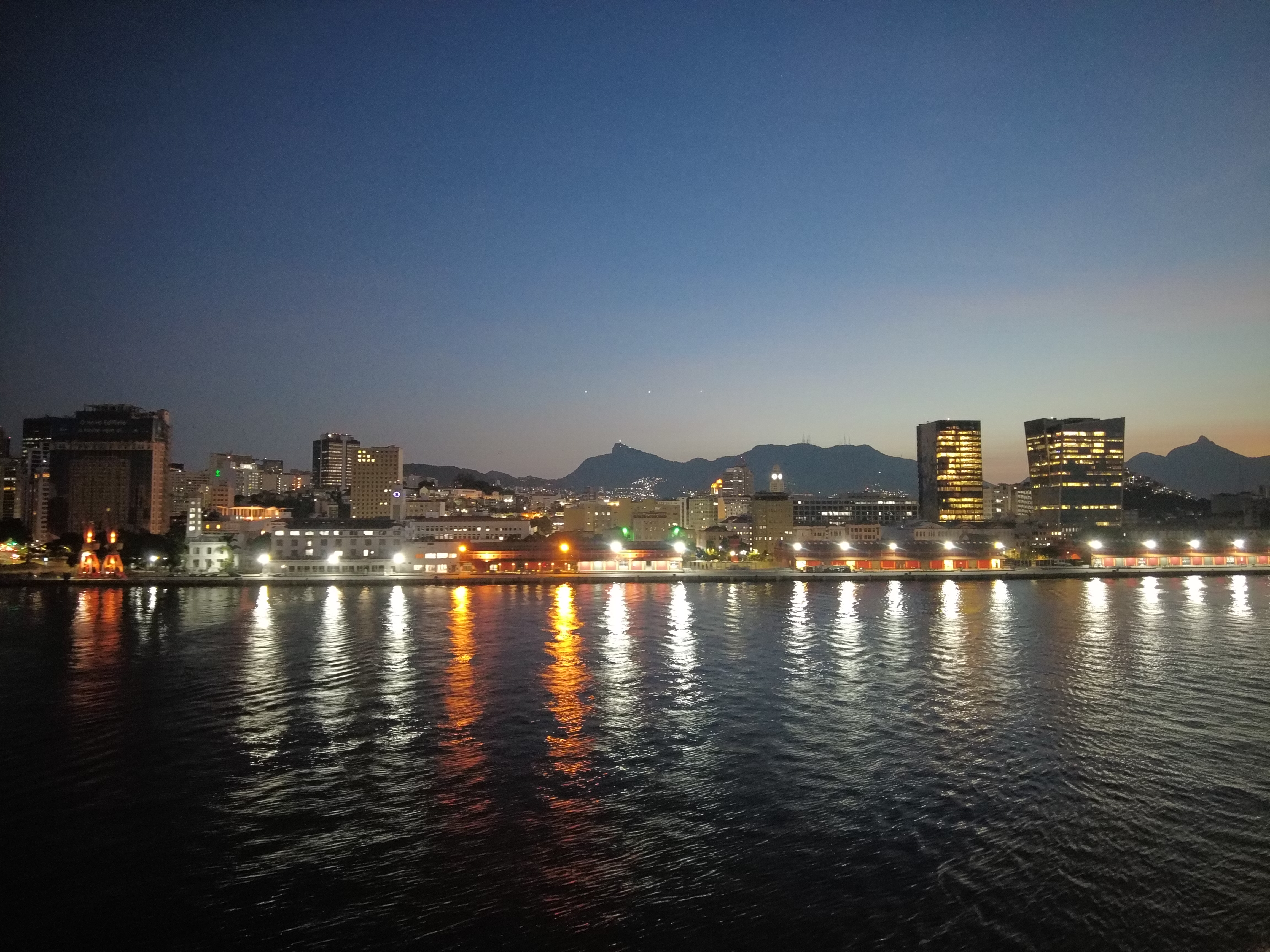
Saying goodbye to Rio as we sail away to the Amazon River. Stay tuned.

On the Road: São Paulo to Rio

On the Road: São Paulo to Rio

Part 1 of The Discerning Travelers’ Marvellous Adventure in Brazil and the Amazon series

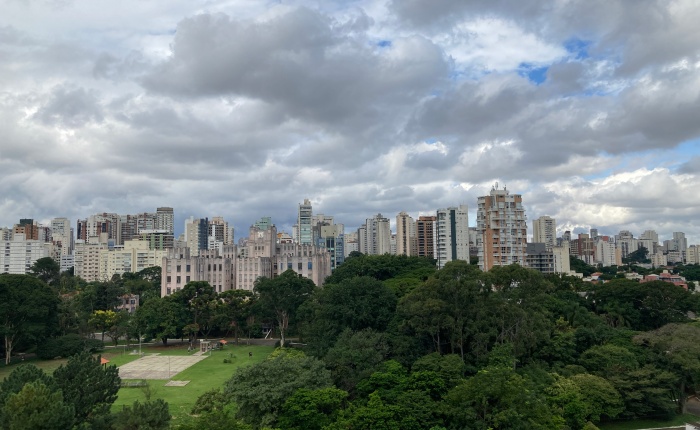
After all these years, you might think there were no places left on our travel bucket list. You would be wrong. Art had always wanted to do two things: visit the Christ the Redeemer statue soaring high over the city of Rio de Janeiro and take a cruise into the Amazon River. We have done all of that and more. Here is where we began our most recent adventure: in the mega metropolis of Sao Paulo, the gateway to our adventure.

After a ten-hour non-stop flight from our home in Toronto to the city of São Paulo, we were ready for our adventure. As usual, we treated ourselves to Signature Class, so we began our holiday the minute we arrived at Pearson International Airport with a lovely dinner in the Signature Class Suite.

Then we settled ourselves in our pods, watched a few movies, slept, had breakfast, disembarked and were greeted in the jetway by a host from AssistAnt, the international company we’ve used before to whisk us through customs and immigration in major international airports. Well worth the $$$.

We had arranged with Tours-by-Locals, our go-to tour company for day trips, to have a guide pick us up at the airport on the morning of our arrival and give us the day-long tour of the city, taking us to the highlights.

We had only two days and wanted a taste of Sao Paulo, the mega-metropolis of over 20 million people. Yes, it’s that mega.

Our guide hit the highlights, even providing us access to points where we could get a view of the spread of the city. He also introduced us to mortadella sandwiches that we enjoyed as we perched ourselves at a table in a bustling city market.

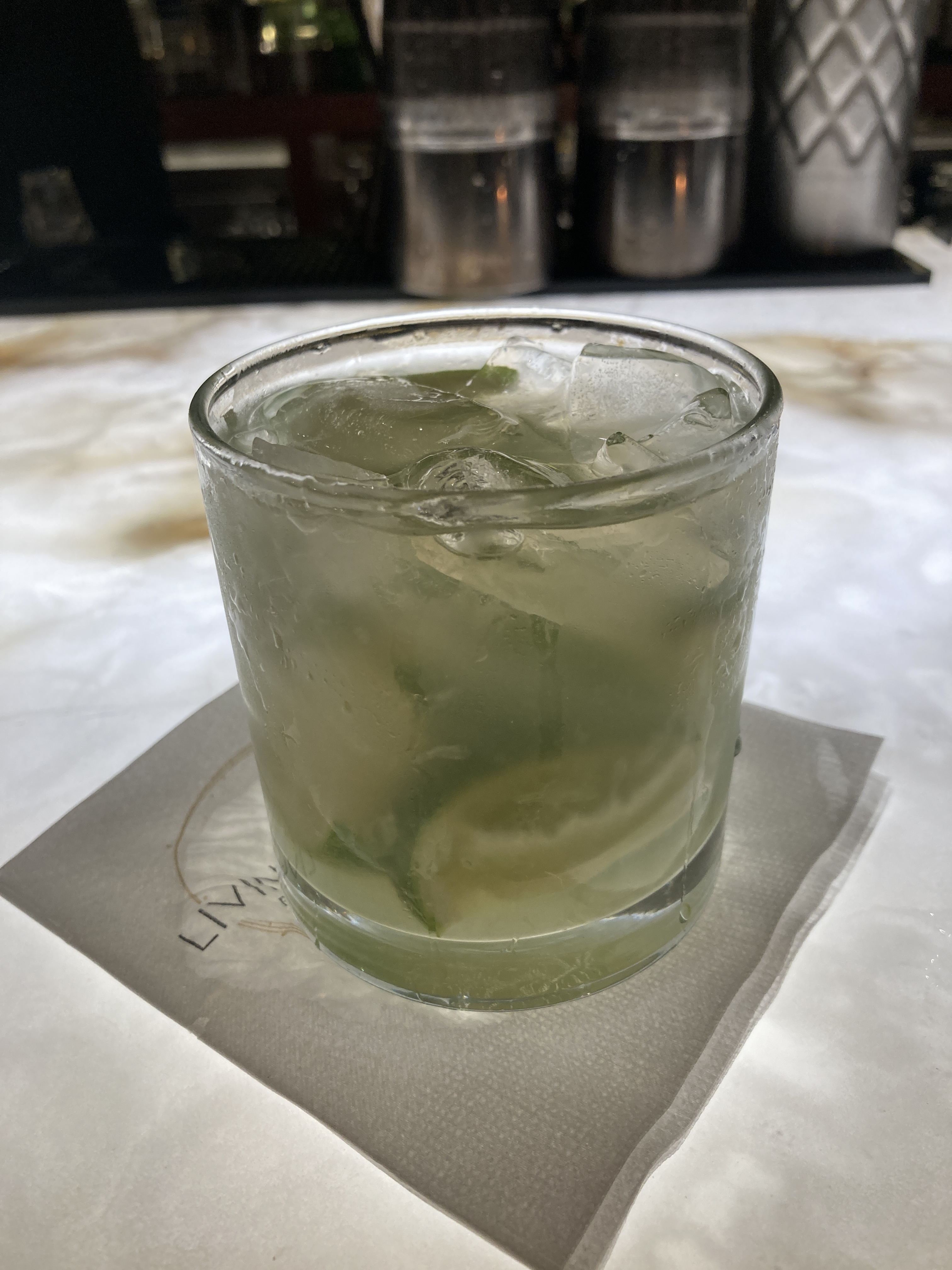
When he dropped us at the São Paulo Renaissance Hotel in the Jardins district of the city, we were ready to relax. Of course, what does one drink on one’s first night in Brazil? A Caipirinha—Brazil’s most famous drink (cachaça, lime juice and superfine sugar).

Before we‘d even left home, we’d been warned by anyone who had ever been to the cities of Brazil that we should be extra careful about safeguarding our belongings—no visible signs of money such as expensive watches, rings, jewellery, and cell phones hidden as much as possible. We also checked to see
that the district where our hotel was located was a relatively safe one. It was. And the Jardins district is a bit like what the French name says: gardens. A lovely place to walk, which we did—without jewellery or expensive watches.

Language is a bit of a barrier in Brazil since their Portuguese is so difficult for us to pronounce and understand. Patty speaks enough French to get by in a French-speaking country, and we’ve acquired a bit of travel Spanish. Brazilian Portuguese, though, was something else entirely. However, although English is not widely spoken outside the most touristy establishments like hotels, the people are warm and understanding. Patty even managed to do a bit of shopping, making herself understood by a lovely young sales associate.

On our second day, we walked—for twenty kilometres or so and saw as much as we could of the area where we were staying. The following day, another guide that we had arranged from a company called Day Trip picked us up at the hotel promptly at eight in the morning, and we began our journey to Rio de Janeiro.

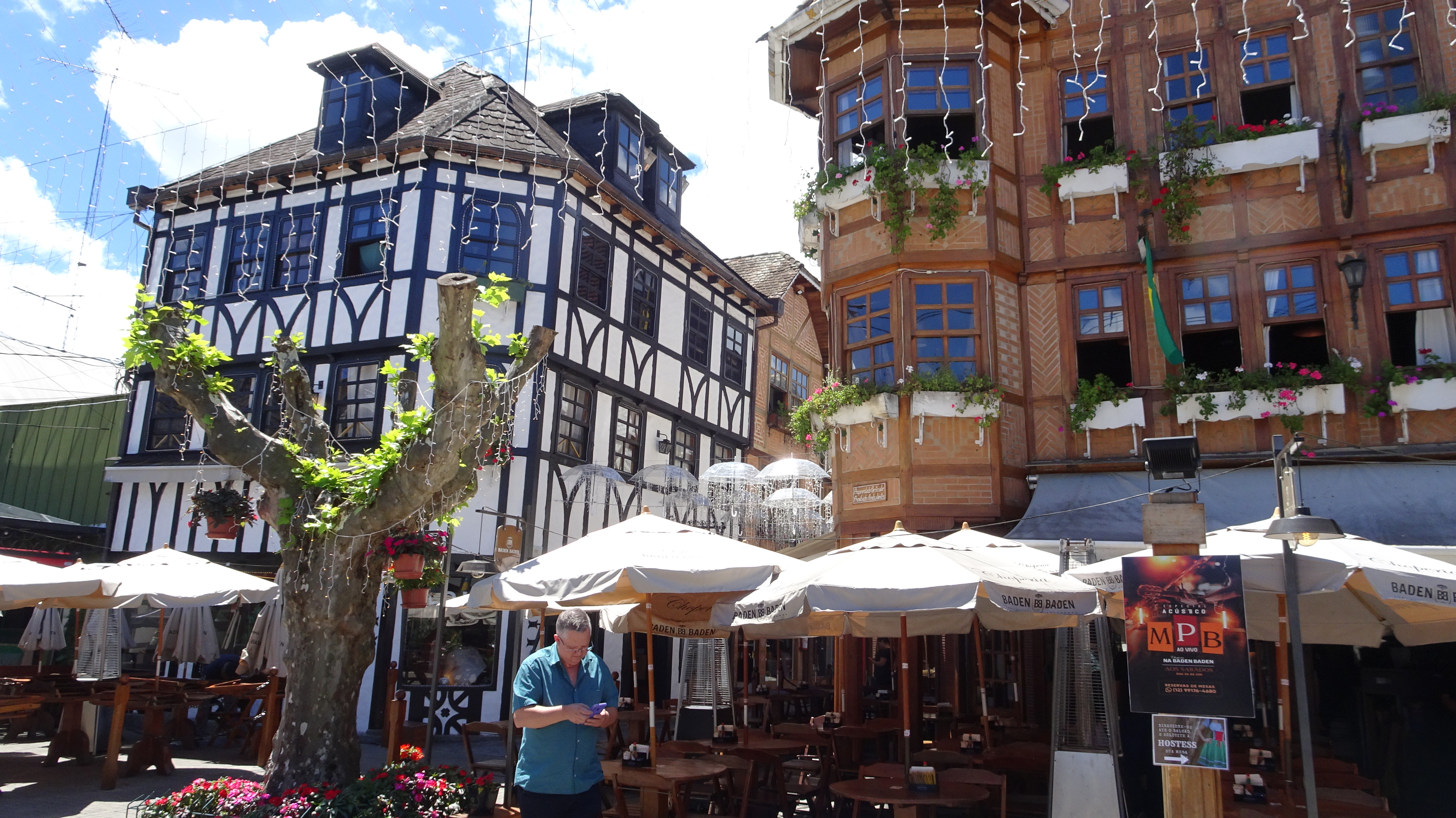
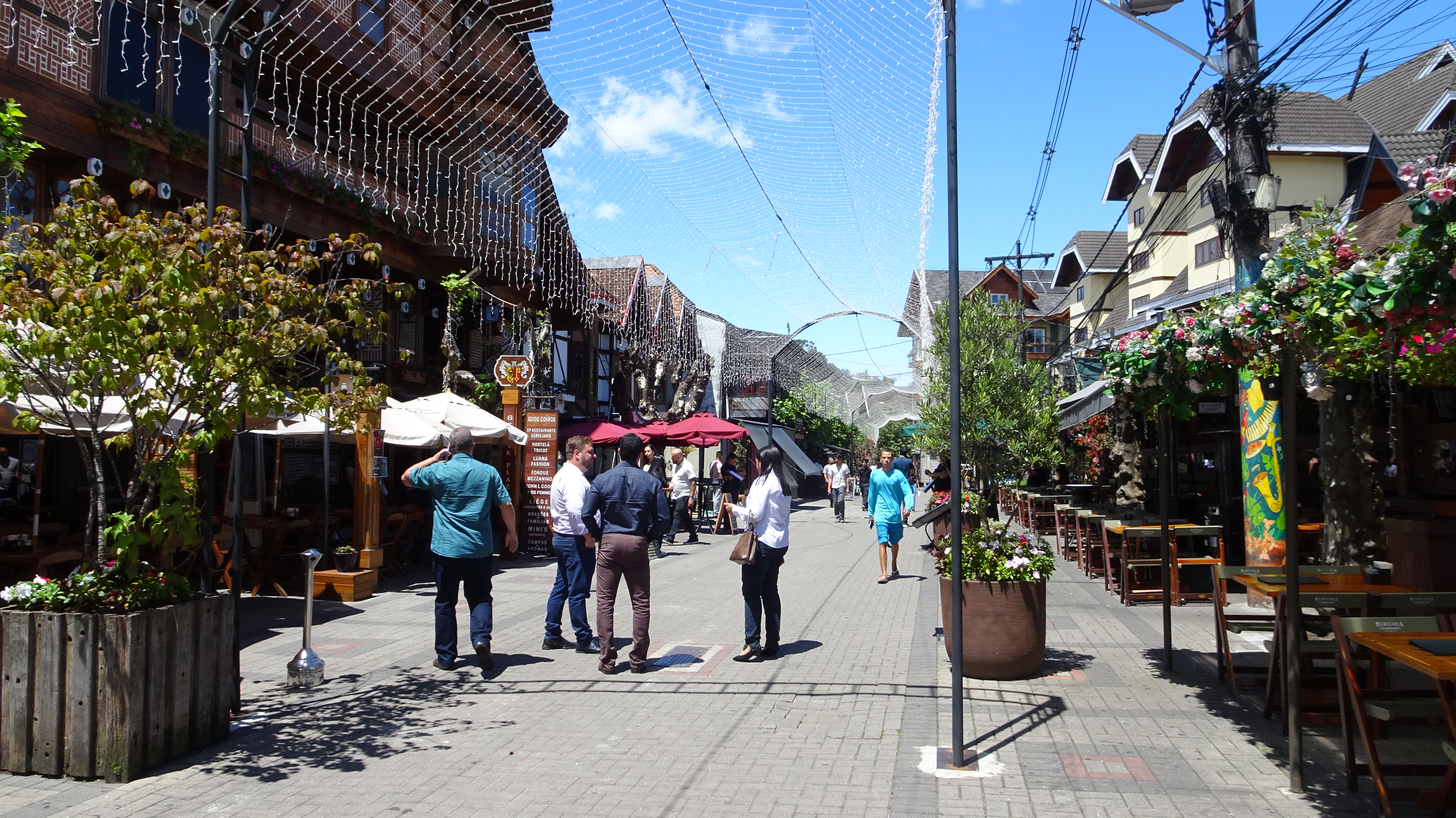
We decided that rather than go directly to Rio, we would add a trip into the mountains to a unique village called Campos do Jordão. Our driver dropped us off, and we walked around this odd little place in 35-degree Celsius heat along streets that looked like they had been plucked out of an Alpine village. The place seemed to be almost entirely made up of restaurants with massive outdoor patio areas. We were soon ready to continue on to Rio.

We arrived on the outskirts of Rio just at rush hour. Our driver pulled over on the highway to change from Waze as his GPS guide to Google Maps because, as he told it, Waze would take us through the favelas, a situation he wasn’t interested in. Darkness had already fallen when we pulled onto Avenida Atlantica.

This street in Copacabana runs parallel to the beach, which is the location of our hotel, the JW Marriott Hotel on Copacabana Beach.

Once we got settled, we took this photo from our hotel room. Copacabana at night.

We had three days ahead of us with plans to see Christ the Redeemer and go to the top of Sugarloaf Mountain.


We’ll tell you about that in Part 2 of our Brazil and Amazon River Adventure Series.

Our Resources

AssistAnt: https://assist-ant.com/airport-vip-services/gru-sao-paulo-brazil/

Tours-by-Locals: https://www.toursbylocals.com/

Day Trip (International): https://bit.ly/3X4QkIz