Five tips for finding your perfect, private, personalized, dream tour

We all have our obsessions.  Obviously, travel is one of ours, and along with that goes our obsession with personalizing our holidays.  Gone are the days of pre-arranged group shore excursions from cruise ships, and gone are the days of European bus tours with 42 other well-intentioned travelers for us (but we did have a wonderful time all those years ago on a whirlwind tour of Europe with a ten-year-old  – maybe we’ll tell you about it sometime!).

In our quest for personalization, we’re becoming experts on finding tour operators who specialize in bespoke experiences, and finding those tour companies online – a tricky and anxiety-inducing prospect as you lighten your wallet by a considerable sum before even setting foot in the country to which you are traveling.  For what it’s worth, then, we offer you our five tips for finding that perfect (for you), private, personalized dream tour.  First, the story of how we discovered these tips.

It all started a few months before when we began our search for a bespoke tour of the countryside outside Paris.  That search led us to À Paris Travel and a wonderful woman named Sue Lillie.  With considerable trepidation, we had started an online search for tour companies specializing in European travel, and soon found that there were too many to wade through with any degree of certainty about their quality.  So we narrowed our search to specialists in visiting France and stumbled on this wonderful company.  But we didn’t know that it would be wonderful at that time.

We decided that we’d focus on one of our obsessions – champagne – and more specifically in Patty’s case Veuve Clicquot champagne.  This led us to create a tour of the champagne district that would include a visit to the Veuve caves and a champagne tasting or two.  Before we were willing to pay the complete upfront amount, however, rather than conducting all of the transactions through email and the web site, we decided that a chat with the proprietor might put our minds at ease.  And so it did.  After a very pleasant conversation with US-based Lille (late of Montreal as it turned out), we felt quite comfortable paying in advance for the tour (which is required for most of these companies).  Then all we had to do was hope that a car and driver showed up on the appointed day at the appointed time.
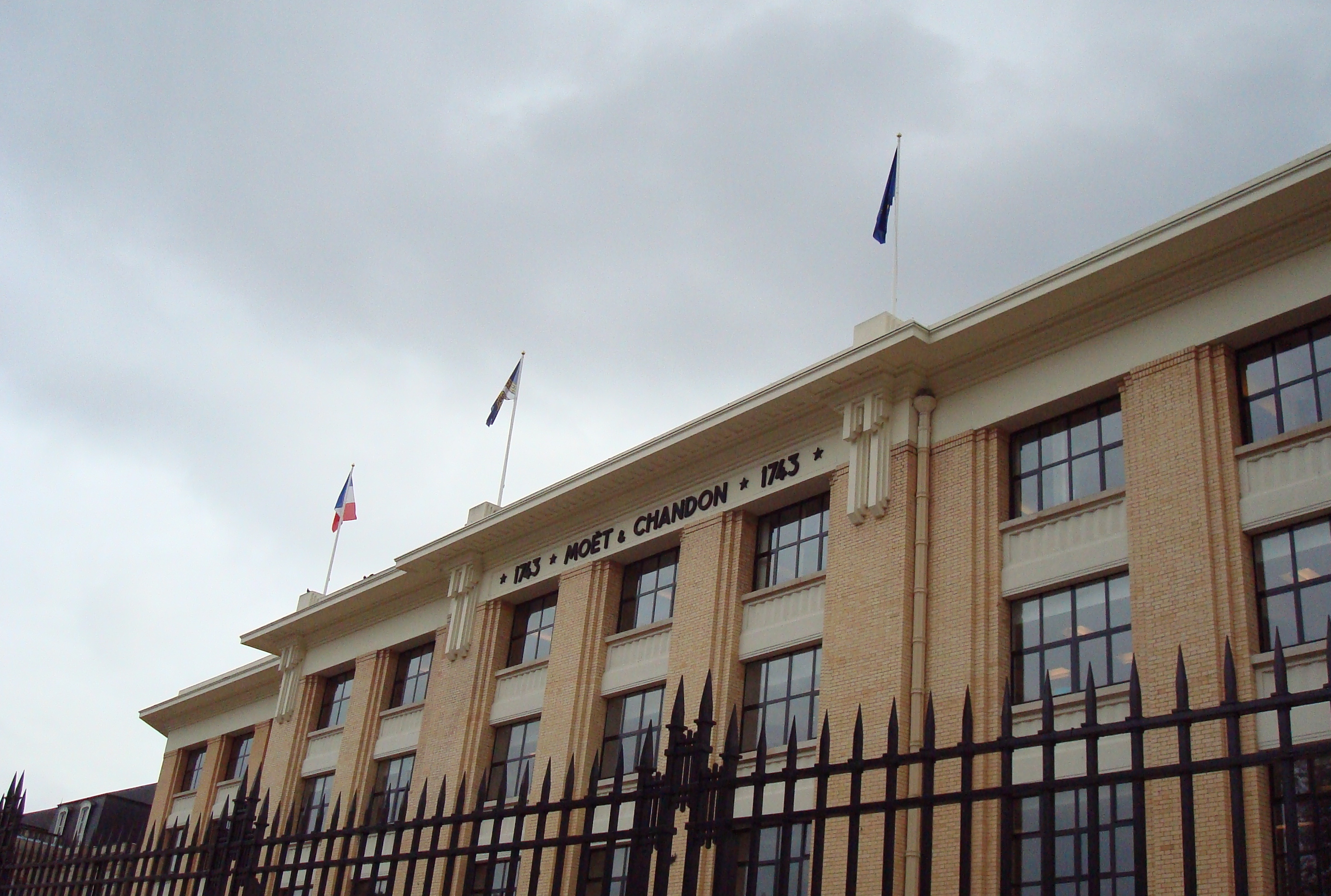
Moet & Chandon in Epernay, France.

Early one gray morning in Paris we made our way to the front door of our hotel on the Champs Elysees to find Pascale leaning against his car awaiting our arrival.  And so we were off.

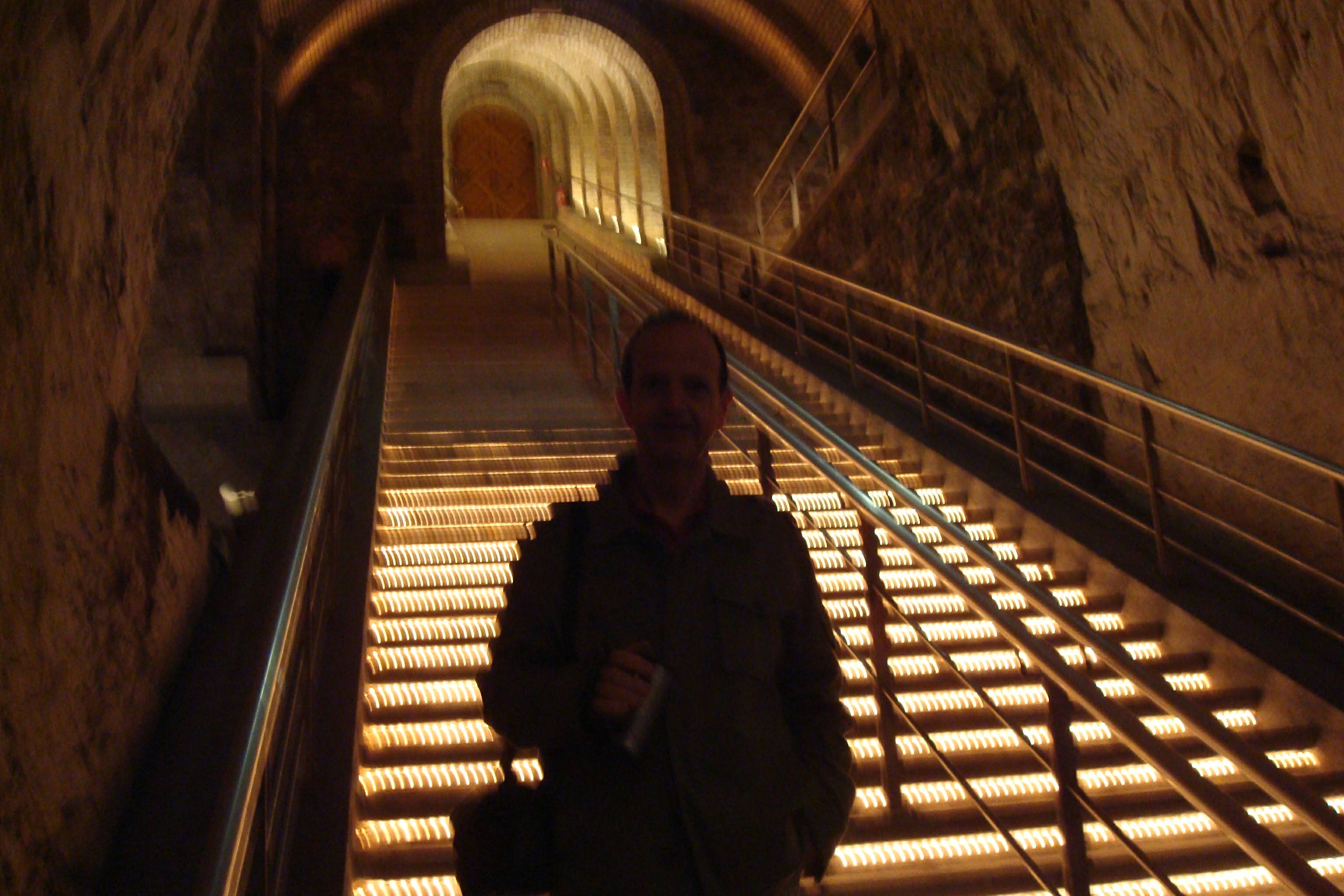
After a few brief questions about our interests, Pascale was quite sure he know just where to take us.  He’d take us to one champagne house, and then make arrangements for the other.  First, we’d visit Épernay where we would take a tour and tasting at the venerable Moet & Chandon, and then we’d venture to Reims, the largest city in the Champagne district and home to the Veuve caves.  Between the two, Pascale would drop us off at a favorite lunch spot where we’d join the locals for a bite to eat.

Patty at the champagne-tasting bar at Veuve Clicquot in Reims, France.

With just the three of us on board, we had all the freedom that a group tour just doesn’t offer.  The itinerary was ours alone and if we decided to veer off course at any point during the day, we could.  It was another of those days that you mark down in your memory as ‘perfect.’  In fact, it was so perfect that we relaxed a bit about the second tour we had booked during that trip (yes, we took a chance and booked two).  When tiny Caroline picked us up in her massive Mercedes in Villefranche on the French Riviera two weeks later, we knew that we were in for the time of our lives thanks to À Paris Travel and our willingness to take a risk.

Tip # 1: Be specific about exactly where you want the tour to take you.

We were quite clear that we wanted to visit Champagne, rather than simply saying that we’d like to take a day trip out of Paris which is the thought we had initially.

Tip #2: Decide what kind of experiences you’d like (follow your obsessions for example), and then keep an open mind.

We had other ideas when Pascale picked us up that morning, but other than the visit to Veuve, we were open-minded and let him guide us.  These kinds of open-minded approaches have led us to many wonderful experiences over the years.  And these guides are truly wonderful resources.  Use them!

Tip #3: Do your online research carefully and consider it to be part of the experience.

This is so important.  You need to do a lot of research, and you should consider not thinking of it as work; rather you might see it as part of the learning experience that travel ought to be.  We actually consider research prior to a trip a part of the trip resulting in a much longer experience than the week or three that are actually away.
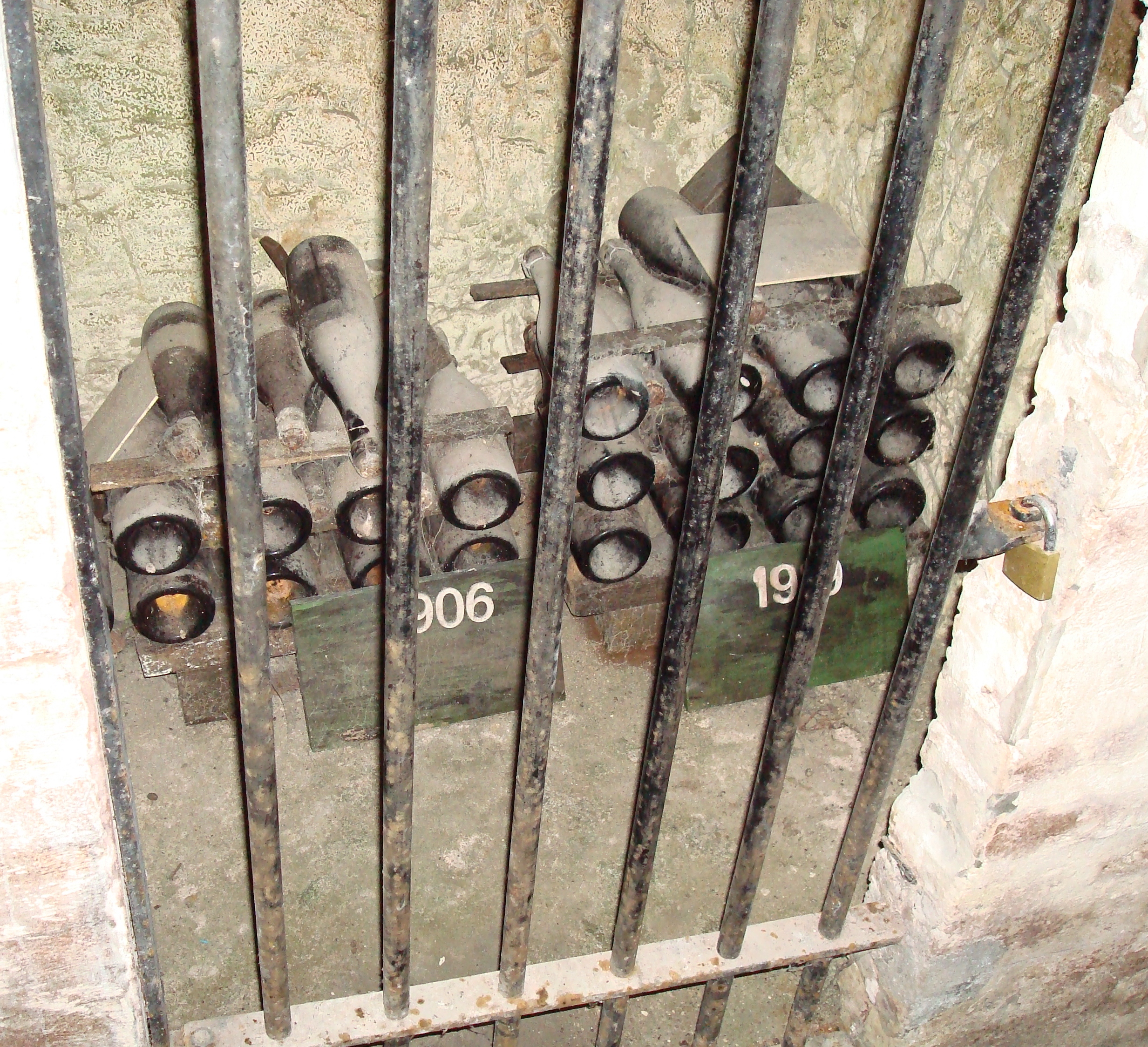
Champagne, vintage 1906, in the caves.

Tip #4: Do your due diligence.

For us that means that as often as possible, getting these tour operators on the telephone.  Even if it’s as simple as booking a limo drive from a cruise terminal, try to speak to someone in person once you’ve gathered all the information you can from the web.  You can learn a lot by that more personal contact.  If you have a gut feeling that this isn’t for you, you are very likely right.  Sue Lillie put us very much at ease as she told us about how her company had developed and her own passion for French travel.

You can also use online travel forums such as TripAdvisor (we’re contributors to this one), but remember that everyone is different.  Read the contributors’ pieces carefully and note the outliers – in other words, is it the only one that had a problem with the tour operator, or the only one that didn’t.  In either case, that one might not provide you with as helpful information as you might think.  Also, read reviews to see if they are specific, or if they are just subjective assessments (e.g. It was wonderful! Terrible!  etc. without concrete descriptions of exactly what made it so wonderful or terrible letting the reader then decide.).  In the end, a traveler review on a site such as TripAdvisor is based largely on the contributor’s expectations going in.  If we were to review some of the hotels that others find wonderful, we’d find them barely acceptable for a variety of reasons all based on what we’re looking for.

Tip #5: Make your decision, pay your money, and don’t look back.

Don’t second guess yourself.  After you make a decision, go with it.  File away other interesting information about other tour companies for the future, but don’t keep comparing what one might have offered.  You’ve made a decision, and it is very likely that if you did your homework, it will be the right one for you.

If you’ve hit on a truly terrific one, perhaps you’ll do what we did and book again with that tour operator.  We’d love to know how people make out with personalized tours.  If you have five minutes, come along with us as we follow our obsession with Veuve Clicquot from the caves in France to the Veuve bar aboard the Queen Mary 2.

Choosing a cruise: A discerning guide to getting it right!

The "fun ships" were on the agenda in the early days. Art & Ian going ashore in the Caribbean from the Carnival Triumph (back in the day).

We’re about to embark on cruise number eleven.  Eleven! In the winter of 1999 when we made a decision that our family vacation would be on a cruise ship, little did we know that we’d be hooked.  And little did we know that we’d become (if you’ll pardon the expression) cruise whores.  You see, over the years we have not been happily loyal; rather we’ve been happily jumping from one cruise line to another, every once in a while returning to an earlier favorite – but moving ever up the cruise food chain so to speak.

But, what exactly motivates a discerning traveler in making a decision about which cruise to choose?  There are lots of different reasons to choose one cruise over another, and the truth is that the priority you place on one over the other can and will change as you become more discerning in your travel planning.  The most important factors are the following:

  • Amenities
  • Itinerary
  • Price
  • Overall experience

…come along with us as we share a few stories of how these factors played into our decisions over the years.

Let’s start with amenities.  Back in 1999 we were traveling with a 10-year old.  We began our search for the perfect cruise by chatting with our travel agent.  Rule number one for cruising: Always, always, always use a travel agent.  We’ve extolled the virtue of our travel agent before, but it’s so important when you’re planning a cruise.  They have access to information that you don’t have and can be your go-between through the planning process.  They can also hold a booking for you while you decide on flights, hotels etc.  Back to the plan for the first cruise.

A young Ian poses in the (little) verandah stateroom aboard the Carnival Triumph.

“Well,” Alan our travel agent said to us at the time,” I’m going to recommend Carnival.  Now, if it were just the two of you, I would never recommend them to you.  But with a kid…”  So, Carnival it was.  A week-long Caribbean voyage on a sparkly, new ship with a recommended children’s program seemed like a good way to get our feet wet (!).  Sparkly it certainly was!  The glitz, glitter and all that neon were a bit jarring, but fun.  Ian loved the children’s program and we immensely enjoyed our verandah stateroom with the third berth.  It was tight, but we didn’t know that it could be any bigger.  Oh, how times change.

Alan was right – as he always was.  It was not a cruise that we would have gone on just the two of us.  Drunken spring breakers spent the full week on the deck, never once making it to the dining room.  Oh well, it meant that dining was a relaxing event with lots of staff to cater to our every whim.  But, would we ever go back on a Carnival cruise?  You couldn’t pay us!  All that neon, glitz and partiers are not our style.  So, amenities in the form of a great children’s program led us to begin our cruising life, but amenities as a priority decision-factor has changed over the years.

So, then there’s itinerary.  Where is the ship going?  Probably the time that this issue was most important to us was when we decided to spend our 20th wedding anniversary on a Mediterranean cruise.  So, we began by searching for a great Mediterranean itinerary.

Art & Ian celebrate our sail-away in our Queen's Grill suite aboard the Queen Mary 2.

We’d been on Holland America in the intervening years, but Celebrity was offering really interesting cruises starting in Barcelona.  So, in the end, the itinerary that would take us from Barcelona to Marseille, Monte Carlo, several stops in Italy, Corsica and Northern Africa entranced us sufficiently that we booked our celebration aboard the Celebrity Century. And we decided to treat ourselves to a Royal Suite.   As we’ve mentioned before – once you go up to a suite, there’s no going back! And so to the discussion of price…

Discerning travelers are always looking for value.  That means that we’re judicious about how we spend our money.  This means that price is not the guiding principle for us in choosing a cruise.  And perhaps you might consider putting it a bit further down your priority list as well.  Hear us out.

Your enjoyment of a cruise will never be based on its price.  Obviously, we all have to stay within our budgets, but we assure you that you’re playing Russian roulette with your holiday money if all you go on is price (that is of course unless you plan to eat and drink yourself into a stupor  so that you don’t notice anything else– in which case you could do that on your own couch in our view).  We’ve been listening and observing through the years, and we have concluded that it is safe to say that not every cruise line is for everyone.

Recently, a colleague of Art’s returned from a family cruise aboard a line that we have always avoided.  Knowing ourselves the way we do, it seems that we were right to do so.  The colleague complained that it was so laid back and casual that people even dined (in the main dining room) wearing T-shirts and ball caps.  If that’s your style, go for it – but we would not enjoy that, and neither did she.  So, you really do need to do some research – and travel agents are the best place to start.

And this brings us to the all-encompassing decision-making factor: the overall experience.  Lately, this has been our guiding principle.  What kind of ‘experience’ do we want?  We clearly chose last summer’s trans-Atlantic crossing on Cunard’s Queen Mary 2 because we wanted to experience the traditional voyage on a ship purpose-built for these kinds of crossings – we didn’t want to be on a re-positioning cruise.  Several years earlier, we chose a Holland America holiday cruise when we wanted to spend Christmas at sea en famille.  At that time, the overall experience we were seeking was Christmas at sea some place warm.  They did not disappoint!

Clearly, we do enjoy a bit of dress-up. We pose on the Queen Mary 2.

It’s hard to categorize the kinds of experiences that you want, but here are a few questions you might ask yourself before you spend your hard-earned money on the cruise of a lifetime:

  • Do you like to get dressed up once in a while, or do you prefer to wear your baseball cap to dinner?
  • Is the ship the destination for you, or are the ports more important?
  • Do you like to be surrounded by (other people’s) children, or  do you prefer the company of adults?
  • Do you need to have a place to retreat to (like your own verandah), or do you always prefer to be around other people?
  • Do you like quiet evening entertainment, or must you have a full-on, Broadway-type show?
  • Do you like glitzy extravagance, or does your personal style run more to the elegant?

Once you have answered these questions for yourself, you can take your answers to your travel agent and you’ve begun a discerning journey to a memorable (in a good way, we hope) cruise vacation.

Our own answers to these questions led us to our upcoming Puerto Rico to New York via Bermuda cruise with a revisit to a Royal suite.  We’ll let you know how that goes!

Kaua’i by helicopter: Working down that bucket list!

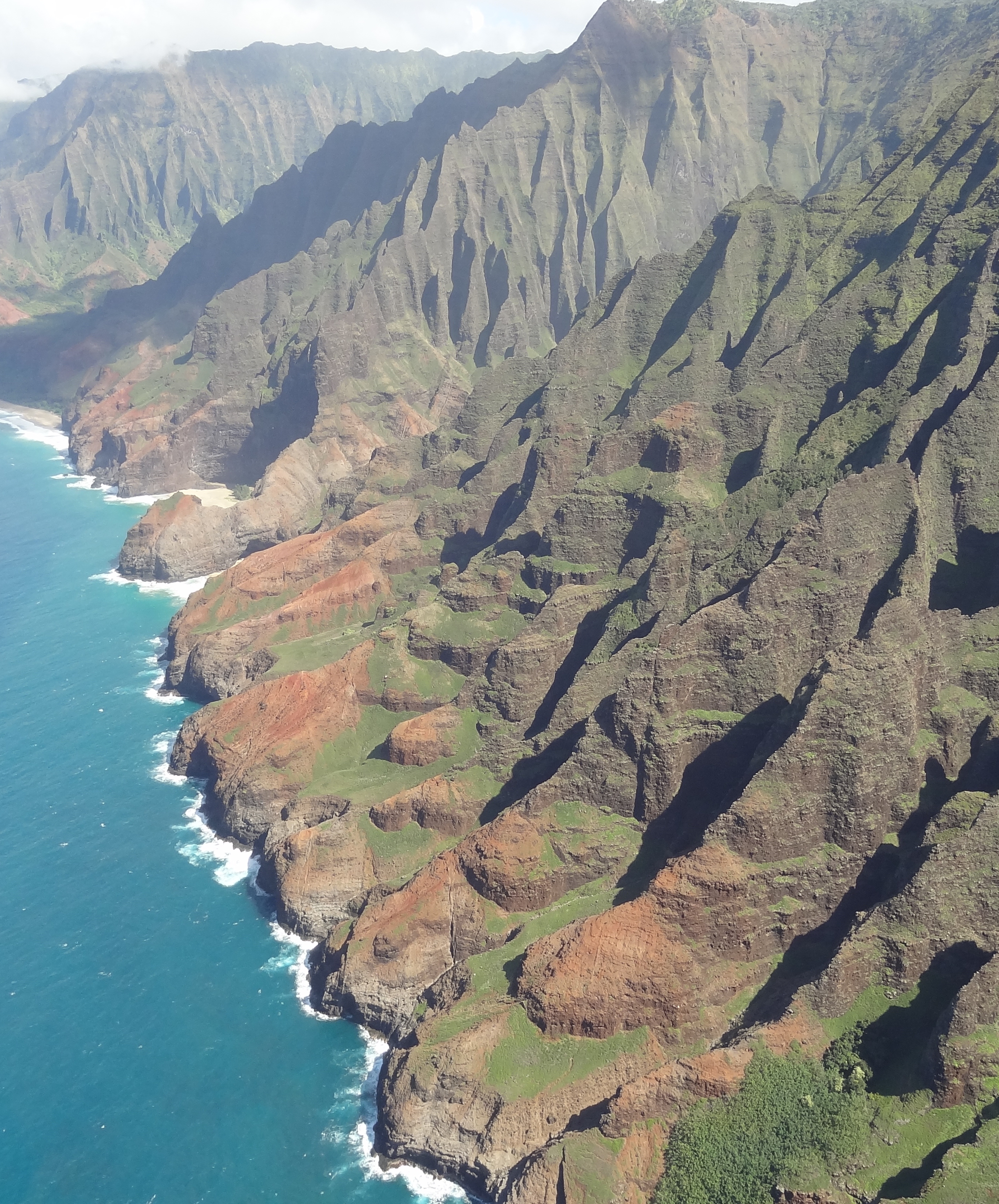
A helicopter is the only way to experience the magnificence of the Napali Coast in Kauai in this expansive way.

The lure of the Hawaiian Islands was never stronger than when Patty was nine years old.  Her grade five teacher returned from Christmas vacation with slides and stories from her Hawaii trip, and one awe-struck little girl was hooked.  So began a childhood obsession with travel advertisements and brochures.  In those days – long before we could click our way to information – Patty filled out those little forms that were invariably included in travel advertising.  In due course the brochures and posters arrived, and Patty began her collection – all the while creating a kind of childhood bucket list.  These days, as we move ever closer to those retirement years (a few years yet, though), together we’ve created our own list of places to go and things to do.  Hawaii was on Patty’s early bucket list – and seeing the islands by helicopter was on our current one.  Check off Kaua’i by helicopter!

Up in the clouds over Kauai, the 'garden island'

This was our second trip to Hawaii.  The first one was some fifteen years ago when we whisked ourselves and our then eight-year-old son Ian off to celebrate our tenth wedding anniversary.  Oahu (Waikiki and Honolulu) and Maui were our destinations then – Oahu, Kaua’i and the ‘Big Island’ (Hawaii) were on the agenda this year.

When you head to the islands, you usually have some things that are must-do’s on the list.  Fifteen years ago a luau was on the list (we accomplished that and found our little family threesome to be the only ones not on their honeymoons at a table of some 20 or so revelers that evening!).  As more seasoned and discerning travelers at this point in our lives, we decided to forego the pig roast this time in favor of a few other delights – among them was the desire to do Kaua’i and the Big Island by helicopter.

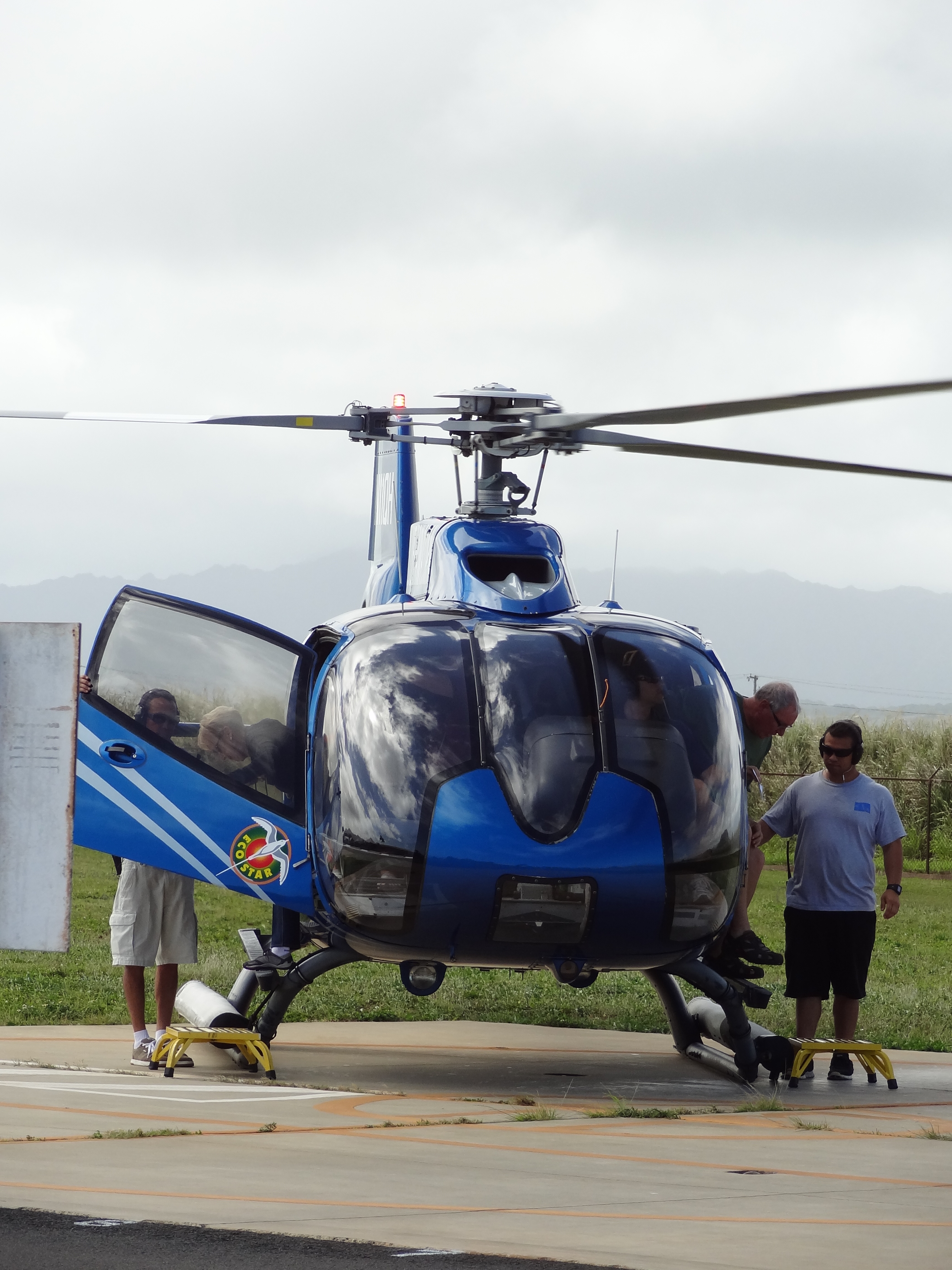
The Blue Hawaiian staff prepare the helicopter for our embarkation! Yikes, they're not even turnng off the rotors!

Art has been in the offshore medical business for almost thirty (!) years at this stage.  That means that over the years he has been required to undergo helicopter-ditching training.  Among other things, this involves being strapped into a chopper’s seat while the training cockpit simulates an emergency landing on water.  The general course of events in that kind of scenario is that when the blades touch the water, the helicopter flips so that the passengers are now under water.  The situation is simulated in the training, but the water is very real.  Art was actually required to be able to unfasten a seatbelt and shoulder harness and push open a window while the cockpit rapidly filled with dark, murky water, and then swim to the surface.  It would be enough to make most people run screaming from offshore activities all together.  But he didn’t, although he never did have to put this part of the training to use (thankfully).  He did have occasion to fly in choppers to remote locations, however.  Patty on the other hand, had never set foot inside a chopper.  Blue Hawaiian Helicopters was to provide her with her first experience.

Like a well-oiled machine (pun intended), the Blue Hawaiian folks have their system down to a science.  For us it started with buying the tickets (yes, it’s expensive) through the hotel’s concierge who asked us our weights.  “They need it to calculate fuel etc.,” said the concierge.  “Then they’ll weigh you again when you get there.  It’ll flash up on a screen…”  What horror!

She laughed and told us that she was joking.  But when we arrived at the Blue Hawaiian office a few days later, they did, indeed, weigh each of us.  It did not, however, flash up anywhere much to everyone’s relief.  We’re an odd bunch about our weight, aren’t we?  It’s a bit like asking someone how much money he or she makes – but we digress.

The weights were used to determine total weight for the individual choppers and the seating arrangements so that weight could be distributed.

We chose the bigger and nicer of the two types of choppers they offered.  We flew in an Eco-Star that takes a pilot and six passengers with individual seats rather than bench seating.  After the weigh-in, we watched a safety video and were then helped with our inflatable life vests that we were required to wear around our waists.  Then, we were off to board the helicopter.

In Kaua’i (the office is in Lihue) we were loaded into a van and driven the five minutes to the airport where we awaited the return of the helicopters and were assigned our numbers.  We would board without the helicopters even turning off their rotors and we each needed to be in the right place for boarding.   We followed the instructions and were off.

The Discerning Travelers came home from Kauai with some extraordinary memories etched in their brains!

The Blue Hawaiian pilot was extremely capable and personable as he expertly lifted the chopper from its pad and began his narration of the tour.  It was clear that he loved his job and we were the happy beneficiaries.

They call Kauai the ‘garden isle’ and as you soar above the magnificent Napali Coast the reasons are clear: breathtaking mountains, verdant valleys, awe-inspiring waterfalls.  There really is no other way to get any real sense of the island.

If you have five minutes, join us on our tour…

Two grand ladies of the sea: The original Queen Mary and Queen Mary 2

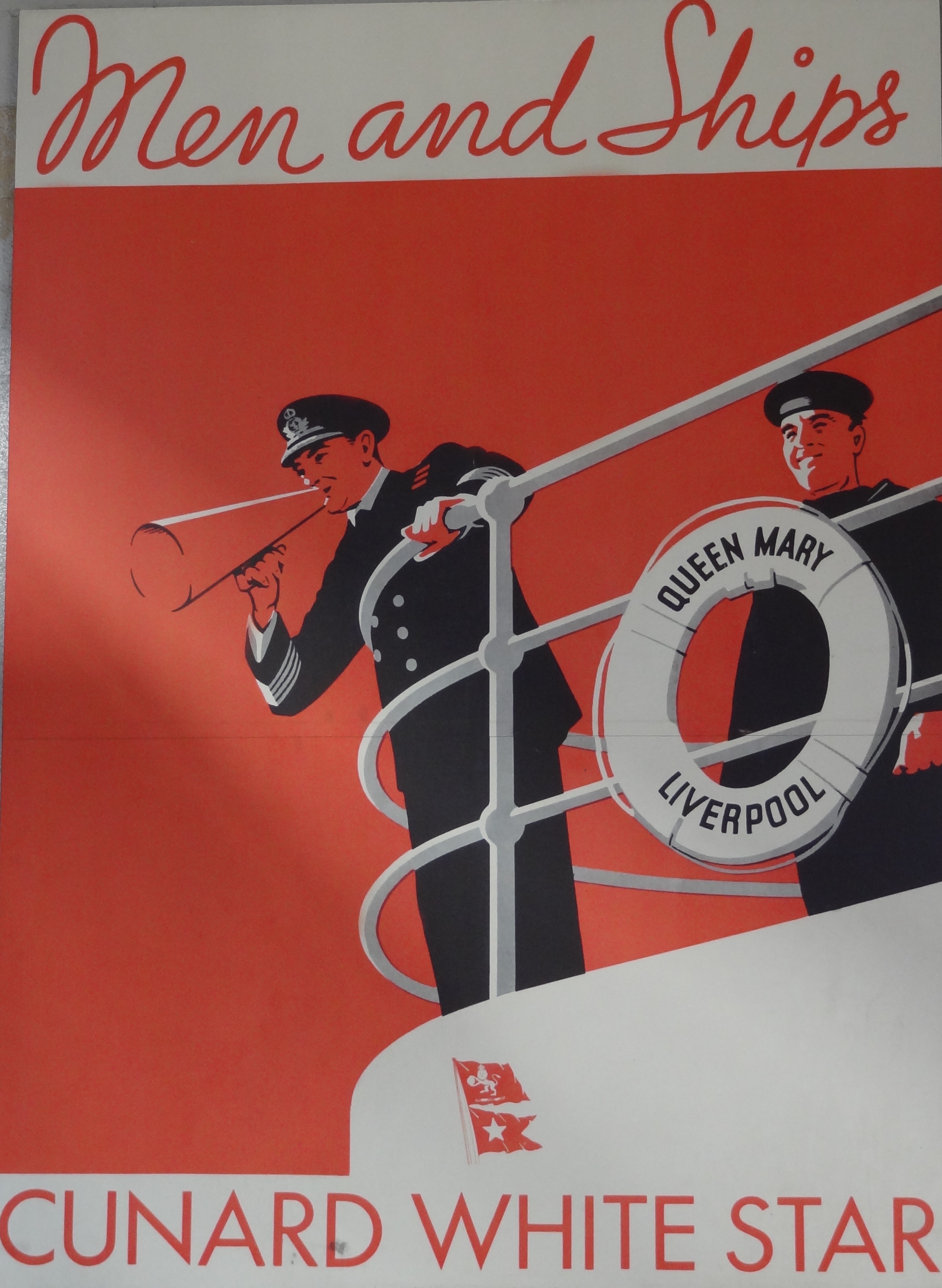
A poster for the combined Cunard White Star brand aboard the original Queen Mary.

When we crossed a trans-Atlantic voyage on a grand ocean liner off our bucket list last summer, we were hooked by the nostalgia of the grand ocean voyages of yesteryear. On board Cunard’s Queen Mary 2 with us on that voyage was a lecturer named William H. Miller (aka “Mr. Ocean Liner”) whose standing-room-only presentations that week were so mesmerizing that we bought one of his books.[1] When we read his description of the original Queen Mary as the most “beloved” of the ocean liners, we wondered whether her “daughter” the new Queen Mary 2 might in some ways resemble her earlier incarnation. Then, several synchronicities happened.

First, our son said, “I’m going to be in Los Angeles in February. Why don’t you two come and meet me before you go to Hawaii?”

Second, we started to explore activities in the LA area and discovered that the original Queen Mary is docked in Long Beach, California, a 20-minute drive from where we’d be staying in Costa Mesa.

Finally, Patty’s 89-year-old mother said, “You know, I’m sure your father came home from Europe [after fighting in WW II] on the Queen Mary.”

…so we knew we’d have to visit her…and we did.

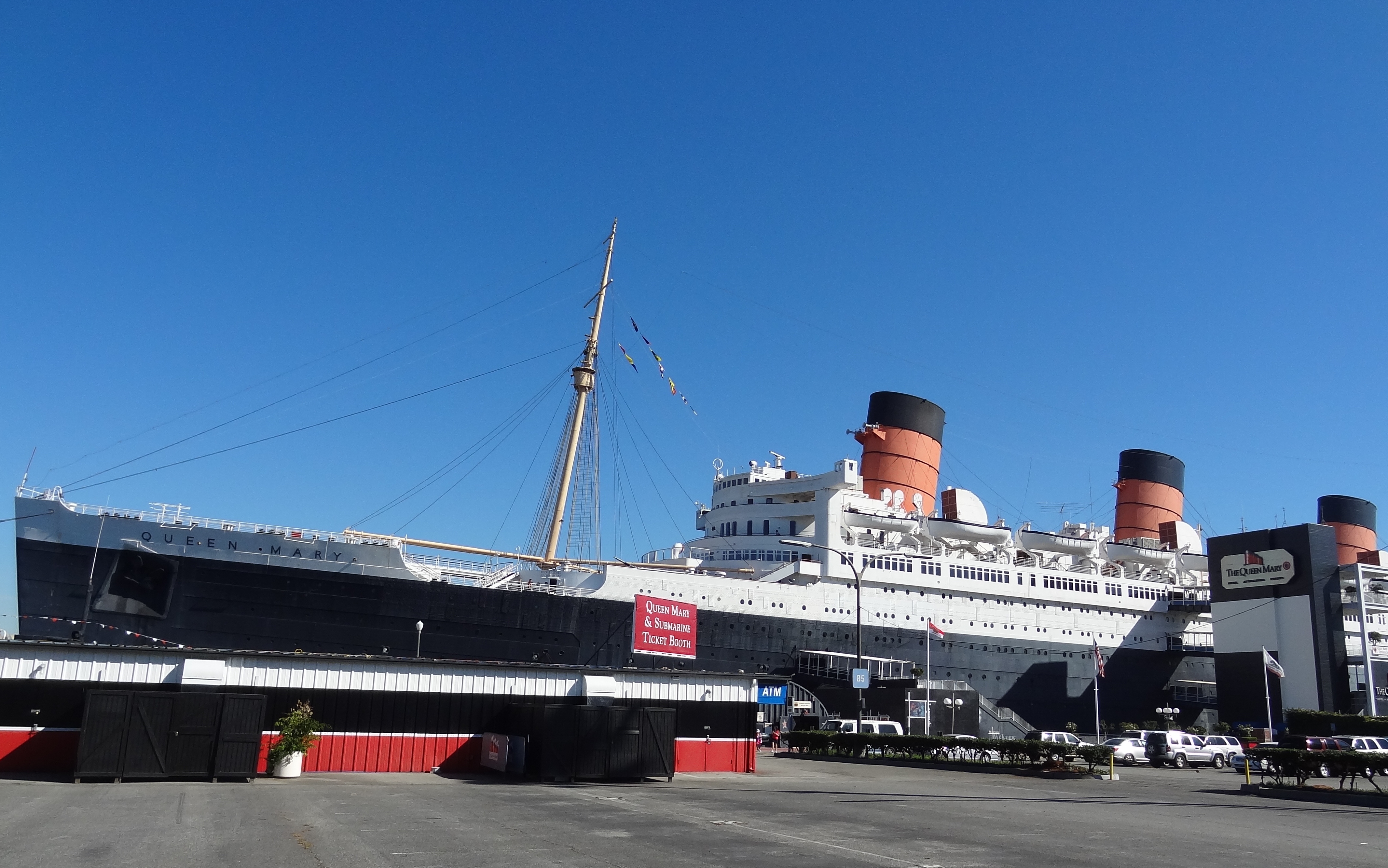
When the Queen Mary was launched in 1936, she was considered to be the grandest liner ever built, and over her long and storied career, she not only carried passengers back and forth across the Atlantic from Southampton, England to New York City, but was also refitted as a troop carrier during the second World War, ferrying some 800,000 troops from the UK, through Halifax, Nova Scotia (where Patty’s father disembarked), to NYC. Today, she’s a hotel and a point of interest if you’re ever in the Long Beach area.

The Queen Mary as she sits alongside today in Long Beach, California.

Stepping aboard the ship is like taking a walk back in time. Our visit was timed perfectly it seemed since the crowds were thin and our pre-arranged tour consisted only of three of us (Art, Patty and daughter Amanda who accompanied us to LA to see her brother dance) and two others who dropped out after the first five minutes lacking sufficient English skills to understand the guide (who was quite an actor). So we had a private tour.

Our guide explained the way the three classes of passengers were divided – a notion that has (almost) entirely gone the way of the dodo on modern cruise ships. (We explained how Cunard still maintains this partially in an earlier post). The classes were not segregated by level, such as one deck for first class, another for second etc. Rather the first-class passengers’ accommodations and public spaces were in the center of the ship – where a ship is most stable. The second-class passengers populated the stern (rear) and the poor third-class passengers were all the way forward, a portion of the ship that, as the guide explained, often took a nose-dive under the waves in bad weather. Those were the days before modern stabilization. There must have been a lot of nausea in the bow!

The QM's atrium as it is today, restored to its earlier grandeur.

As we moved through the large public spaces on the Queen Mary, we tried to imagine what those grand balls must have been like and couldn’t help but make comparisons to the Queen’s Room (the ballroom), the champagne bar and the theater on the Queen Mary 2.

Perhaps, though, it was in the engine room below decks in the stern that harbored the most ghosts. As we walked through the darkened passages, just the three of us (we did this part without a guide), we could almost hear the crew as they toiled away. Then as we walked into the cubicle that had been created through a cut-out area on the ship’s super-structure, we were confronted by the eerie underwater sight of one of the original propellers, still in place under the water. That sent us flying toward the light!

The ship is also used as a floating hotel these days, although, according to the guide, the walls are so thin you can hear everything going on in your neighbor’s stateroom. When we reached the end of the tour, since there were only three of us, we asked if it would be possible to see a first-class suite. They are usually not part of the tour since they are part of the hotel. The guide humored us and went to procure permission. Success! Taking our time in the suite, our guide invited us to sit in the sitting room to try to conjure images of who might have spent time in this room in the 1930’s, ‘40’s & ‘50’s.

The bedroom of the first-class suite.

The suite consisted of a master bedroom, two bathrooms with hot and cold running fresh and salt water choices, a sitting room and a maid’s room that was outfitted with its own sink but she would have gone down the hall for the toilet and a bath. The burled wood built-ins (vanity table, desk, dressers, and bedside tables) are all original to the suite – although the flat-screen TV’s are not! There is no doubt they’ve done a remarkable job of restoration to provide an experience that takes you into another era.

After the tour we repaired to one of the dining rooms for fish and chips for lunch while we overlooked a marina filled to overflowing with modern sailboats. All in all, one of the great tourist experiences for people who love the ocean. The Queen Mary’s web site says: “The ship no longer sails, but she can still take you away.” Amen!

The corridor evokes a sense of history.

[FYI: They offer a variety of tours from self-guided audio tours, through WW II tours to a Ghosts & Legends Tour. You should take at least one of the guided tours, and try to go when the crowds are thinnest for the best experience.]

Come with us on our tour…


[1] Miller, William. 2010. Floating palaces: The great Atlantic liners. Chalford, UK: Amberley Publishing.