Dressing for travel: A superficial consideration, or meaningful message?

How we dress when we travel is either a pointless consideration of the vain and frivolous among us, or it’s an important visual message that often conveys much more than we had planned. Discerning travelers know the answer: it is a significant factor in how travelers are perceived abroad.  It is also, however – and perhaps even more important in some venues – a powerful influence on how travelers behave.

The web is full of articles on how to dress for a long flight, things you should never wear when traveling abroad (usually these are directed toward Americans), do’s and don’t’s of travel dressing, and what seems to be the most searched for type of travel dress piece: how to dress for a cruise. We would suggest that when people search for articles on how to dress for travel in general and cruises in particular, they want to know how to feel comfortable – both physically and psychologically.  People who search for these answers care – as do we.

Throughout our years of travel via plane, train, car, ship, and on foot, we have observed that dressing is important in the following travel situations:

During airline travel: First, you need to be comfortable, but that doesn’t mean that you need to look like you just crawled out of bed with a hangover. Looking like you care often has the same effect on other people: they might just care about you should you run into difficulty. You can proclaim the superficiality of taking care when you travel, but there is ample evidence to support the contention that looking your best often helps to be treated well – like it or lump it. There is another important dressing guideline for air travel: dressing for the inevitable security check. We were once rushing through security to make a connection between Canada and the US onward and found ourselves in the security line behind a parent and teen-aged son. Said teen-aged son had clearly not received the memo about what a security screen would entail. He had layers upon layers of clothes that all had to be removed one at a time after going through the metal detector and back out of the metal detector. He had several chains around his neck, a chain holding his wallet to his trousers, and on and on. Not a pretty sight in any event, and we were purple with fury.

Touring cities: When we tour cities, we walk. That means footwear is our prime consideration, but it is not the only one. We prefer that our attire not scream “tourist”; this means that our footwear does not under any circumstances consist of white sneakers. Given the plethora of really lovely choices of walking shoes these days, it is puzzling to us how many people continue to wear these monstrosities. If you can afford to travel, you can afford a good-looking pair of walking shoes. As for clothing, it ought to be dictated by the weather and local customs. If you’re visiting Istanbul, for example, regardless of how hot it is, if you want to visit a mosque, you’re going to have to be respectful and dress the part. Check with the local tourist authorities for specifics so that you aren’t surprised by the posted signage. Women visiting conservative cities should always have a scarf in a handbag or around a neck for use as a head and shoulder cover.

On a cruise: When cruising, clothing needs to be dictated by itinerary
DSC03573
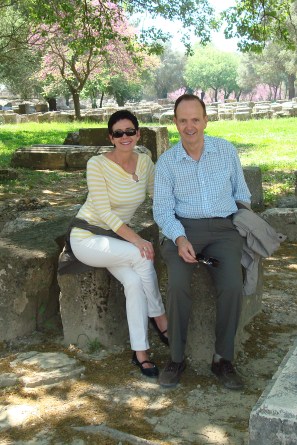
Touring Olympia

(for example, people on South Pacific cruises dress differently than on Mediterranean cruises), weather and your choice of cruise line (Carnival cruises has a decidedly different expectation of how one will dress than does Seabourn, for example) – they all have differing levels of casual and formal requirements. For example, we’ve cruised on a number of lines that still have formal nights as well as a few that have gone upscale casual or what they call country-club. Oceania comes immediately to mind and we’ll be going country-club casual for the upcoming Caribbean venture, but we need to mindful that this means cocktail dresses on most evenings! (We can’t comment on the cruises that let people into the dining room in T-shirts and ball caps – we don’t even want to be near those dining rooms. Not our style.)

Dining out: Oh how we wish that dining out was still considered to be a treat to be cherished and prepared for by dressing a bit better than one might at one’s own kitchen table. Of course, it matters what kind of restaurant you’re going to be choosing – fast-food outlets are not restaurants. Wear what you want there! No one will bat an eye. But even if you don’t really care what you wear, it might be fun to see dining out as an actual occasion when you’re traveling. Stepping it up a bit can be entertaining, and at the risk of repeating ourselves, you’ll be treated better. You can protest this as much as you want, but it’s a fact of life. For many people – including maître d’s – dressing up a bit is a sign of respect for self and others.

At the theatre: We’ve observed that the theatre is not what it used to
dressed for theatre monte carlo
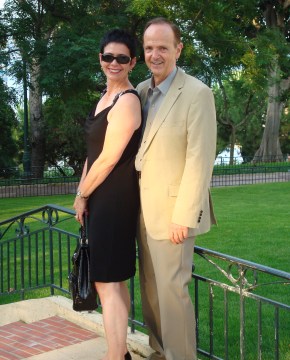
Going to the ballet during the summer season in Monte Carlo

be. Just last week we attended a big musical in downtown Toronto at the Ed Mirvish Theatre and we felt as if we had wandered into the economy section of a cut-rate airline. The truth is that in some parts of the world you’ll actually feel out of place if you don’t dress up a bit – and note that ballets and operas tend to have a more dressed-up audience. We noticed this in London and Sydney at the Opera House in particular. Don’t leave them off your travel lists, though; attending theatre performances in foreign cities is a real pleasure.

Obviously, you can wear whatever you want. We have noticed, however, that some people do care how they dress in general and while traveling in particular. If all of this sounds as if you will have to lug multiple suitcases, you won’t. We travel with one suitcase each regardless of the length of the trip –a weekend, one week, five weeks – it matters not. One suitcase. (It will probably be very small for a weekend!).
DSC03457
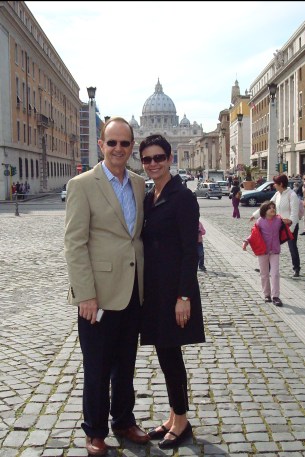
Touring Rome

A cruise ship medevac: Not the usual travel experience

DSC07319Travel for us is about experiences.  Sometimes it’s the places we visit; sometimes the people we meet.  Other times it’s the food we eat or the wine we drink.  All of these form the experiences of the discerning traveler.  But sometimes, experiences are unexpected and not related at all to where you’re visiting.  A few months ago, while aboard the Oceania cruise ship Nautica, we witnessed a helicopter medevac as we sailed the Mediterranean off the coast of Greece.  And our thought was this: It could have been anyone of us.

It all started a few hours earlier as we sailed peacefully on our way from Malta toward Crete.  We had noted only peripherally (as you do when you’re enjoying the only day at sea in an itinerary-rich cruise) that the ship seemed to have sped up.  The onscreen information that continually streamed on a television channel from the bridge confirmed this suspicion, and we had also slightly altered our course.  We thought little of it.

Half an hour later the Captain took to the public address system to tell us that we had indeed altered our course so that we could get closer to mainland Greece in an effort to meet a helicopter from the Greek Coast Guard that would effect an evacuation at sea of a passenger who had fallen ill.  As we all know, cruise ships have well-equipped infirmaries, but there are some illnesses that require more than can be provided by these facilities, and by the single physician and nurse aboard.  This was evidently one of those occasions. And wouldn’t you know it?  It happened on the only day we weren’t in a port!

Evidently these kinds of thing happen more often than we might think – although in some fourteen cruises, we had never observed one.

An hour or so after the Captain’s address, we saw the helicopter approaching the ship.  The Captain had requested that everyone stay off the open decks for safety reasons – and we can only imagine that it would be an extra burden to the passenger and his wife to have onlookers curiously peering at them close-up.  Although some of the newer and much larger cruise ships these days have helipads, most don’t, requiring the helicopter to hover for a half an hour or more – as long as it takes to send down an emergency medical technician, secure the patient to the stretcher, hoist the patient up to the chopper, then hoist the technician and the passenger’s wife into the hovering beast.

Those of us with verandahs in the aft of ship had a view of the entire operation from beginning to end.  We were impressed with the efficiency of it all, and the coordination it took to get such an international rescue underway so quickly.  We were just happy that it wasn’t one of us.

Several days later, we happened upon the ship’s doctor on an elevator and Art, who in his past has actually done a stint as a ship’s doctor, enquired about the outcome of the medevac. The doctor said that the patient had evidently had a stroke and the medevac was successful.

Consumer Reports covered the subject of medical care at sea in a blog post last year.  Among the seven things they suggest you need to know are the following:

  1. The medical facilities at sea are not the same as your local hospital with respect to either equipment or staff.
  2. Medical care at sea is expensive. Be prepared for sticker shock, as they say.
  3. If a ship is 500 or more miles away from shore, “it’s unlikely the Coast Guard will respond.”[1]

As discerning travelers, we are always aware that these kinds of things can happen.  We try to minimize it by being healthy when we leave, and taking a few precautions while we’re away (such as hand-washing, staying away from buffets etc.).  Unexpected things do happen, though. We never leave home without travel medical insurance.  And we are always sure to read the fine print!

We’d like to share with you the video we took of the medevac.   Travel often and stay well!


[1] http://www.consumerreports.org/cro/news/2014/04/7-things-you-need-to-know-about-medical-care-on-cruise-ships/index.htm

Cruise industry advertising: Smoke & mirrors?

Perhaps it's time the ultra-luxury cruise lines started rolling out the red carpet before booking.
Perhaps it’s time the ultra-luxury cruise lines started rolling out the red carpet before booking.

Only occasionally do we find ourselves in the position of feeling a travel rant coming on.  This week is one of those weeks.

For many years we’ve been dividing our travel time among various adventures: resorts, road trips, private touring, and often cruising.  Since we’ve both been very busy in in our work lives, when we are choosing a cruise we have to book far in advance at whatever price is on offer for the itinerary and suite that we know will make us happy.  Notwithstanding the exorbitant prices that we’ve often found ourselves paying over the years, we have been completely happy with our choices after the fact.  Unlike many people we know who search for bargains, we have never returned home complaining about accommodation, service or overall experience.  You get what you pay for, we’ve often opined.  So why are we complaining now?

We have moved into a phase of our lives when we don’t need to plan so far in advance.  This means that we’d like to be able to take advantage of at least a few of the copious numbers of offers that find their way into our real and virtual mailboxes every week.  God love the cruise industry: if it weren’t for them, we’d hardly have any real mail!

We have often wondered if the cruise lines really think that we’re dumb enough to believe that what we are paying are two-for-one prices.  For example, every single piece of material that comes to us from our favorite lines (ultra-luxury Silversea, Seabourn, Regent and recently Oceania) tells us that we will be paying essentially half fare.  The fare is always listed in two columns: “brochure fares” and “savings fares.”  Brochure fares are always (at least) double the savings fares.  Indeed, they never seem to be charging brochure fares at all which leads us to believe that they don’t have to adhere to the usual advertising laws that force retailers to actually offer the merchandise at the full price for a minimum period of time before they can advertise it as being on sale.  And, just who in their right mind would pay some of those fares anyway?

DSC00628Two recent examples:  Just over month ago, we tied to book a Regent cruise from Athens to Turkey for the fall on the day we received in the mail a brochure indicating special past-guest savings for the itinerary we wanted.  We immediately emailed our travel agent who, within minutes went to work on the booking.  When she contacted Regent to book it, the offer was not being made available to us.  Sorry, they said, they should have booked earlier.  We had the brochure right in front of us.  According to our travel agent, Regent told her that the offer had changed and referred her to the asterisk that indicated subject to change without notice.  We could only conclude that that would kick in about one minute before a past-guest actually called to book.  We even attached a screen shot of the newly-arrived brochure to a return email to our travel agent.  Regent would not budge.  We are now booked for almost the same itinerary on a different cruise line and are feeling very sour about Regent on which we have sailed three times before.   So much for perks of being a past guest.

The second example was just this past week and was what set us off on the rant.  We received another tempting offer last Friday and contemplated taking advantage of this advertised fare in a Seabourn brochure.  We were considering booking a veranda suite aboard the Quest for 35 days in South America this coming winter.  We were delighted to see that this category of suite was on a promotion: a savings fare from $10,999 down from a brochure fare from $36,500.  Let’s ignore for a moment that we wouldn’t even look at such a fare for this small suite even on a Seabourn ship (and the fact that they never really offer it at that fare because no one would pay it) and concentrate on the asterisk that followed the word from.  Yes, of course we see the asterisk and expect that if we are not planning to sail on the asterisked date (October 25) we will pay more for February 24.  However, given that this is being promoted as a great saving, we expect a reasonable sum more.  We would be wrong.

When our travel agent tried to book this for us, she found that indeed the price we would have to pay would be $14,999 per person not including taxes which would bring it up over $16,000 per person.  We called Seabourn to inquire ourselves with the brochure in front of us.  They simply reiterated what she told us and pointed to the asterisk. This is a difference of over 25% and is unacceptable as a hidden piece of information.  The cruise line may believe that the asterisk protects them from liability for false advertising, but as a customer (and past guest of this cruise line) we think it is disingenuous and this kind of advertising needs to stop.

The Bureau of Consumer Protection of the US American Trade Commission’s guidelines for truth in advertising are contained in a document titled: Big Print. Little Print. What’s the Deal?[1]  which clearly lays out the expectations for truthful advertising as follows:

Your ads should clearly and conspicuously disclose all the information about an offer that is likely to affect a consumer’s purchasing decision. Disclose the most important information – like the terms affecting the basic cost of the offer – near the advertised price.

Print advertisers should not attempt to hide the real cost or the critical terms or conditions by:

  • Putting them in obscure locations, such as the border area on a print ad;
  • Burying them in numerous, densely packed lines of fine print; or
  • Including them in small-type footnotes.”[2]


The Advertising Standards Council of Canada is equally clear in the first clause of the Canadian Code of Advertising Standards as follows:

“…(b) Advertisements must not omit relevant information in a manner that, in the result, is deceptive.

(c) All pertinent details of an advertised offer must be clearly and understandably stated.

(d) Disclaimers and asterisked or footnoted information must not contradict more prominent aspects of the message and should be located and presented in such a manner as to be clearly visible and/or audible…”[3]

As far as we are concerned, these advertisements are misleading doing more than putting pertinent information in “obscure locations” and contain “disclaimers and asterisked footnoted information” that contradicts the main message.  The cruise line may believe that the asterisk provides legal protection (which is arguable), but it certainly doesn’t provide them with moral protection.  Shame on them.

Our bottom line is that we are a bit sour on Seabourn now and will reconsider our winter cruise plans.


[1] http://business.ftc.gov/documents/bus44-big-print-little-print-whats-deal

[2] Don’t bury the details, http://business.ftc.gov/documents/bus44-big-print-little-print-whats-deal

[3] Accuracy & clarity, http://www.adstandards.com/en/Standards/the14Clauses.aspx

Can a cruise be a true travel experience? Oceania showed us how

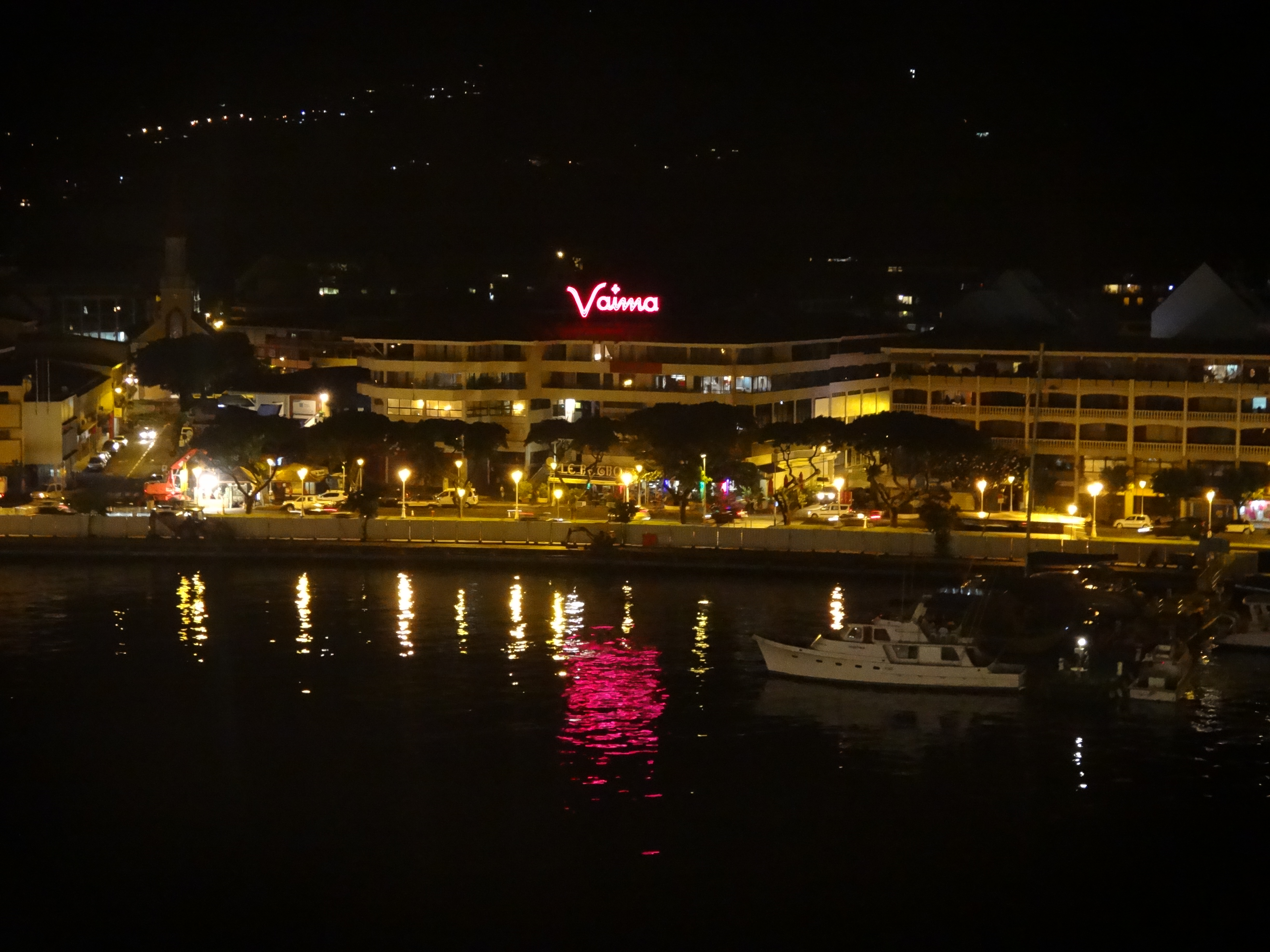
We left Papeete at 10 pm one hot, sticky February night.

Over the years we’ve observed that there are only two kinds of travelers who scoff at the notion that cruise travel could be a wonderful way to see the world. They fall into one of the following two categories: those who have never been on a cruise, and those who have been on one and chose the wrong (for them) cruise line.

The truth is that we’ve actually seen converts to cruise travel, but this only happens if the traveler is discerning enough to select the right cruise. We’ve told stories before about why we’re not loyal to one cruise line, and our most recent trip only supported our discerning approach to seeing the world via cruise ships (although to be truthful, it is certainly not the only way we travel). The most recent experience that supports our continuing adherence to this policy started one beautiful day in Papeete, Tahiti about seven weeks ago.

We have been on beautiful ships before – the Queen Mary 2 comes immediately to mind – but the Oceania Marina was something else again. And the cruise line itself was a brilliant ‘find.’ The trip really didn’t start there, though. It actually began last winter in St. Martin where we ended a Caribbean cruise on the Seabourn Spirit. The Seabourn cruise – a luxurious experience to top the list – was certainly at the top of our list until last month, but it was because of the Seabourn experience that we even ended up on Oceania.

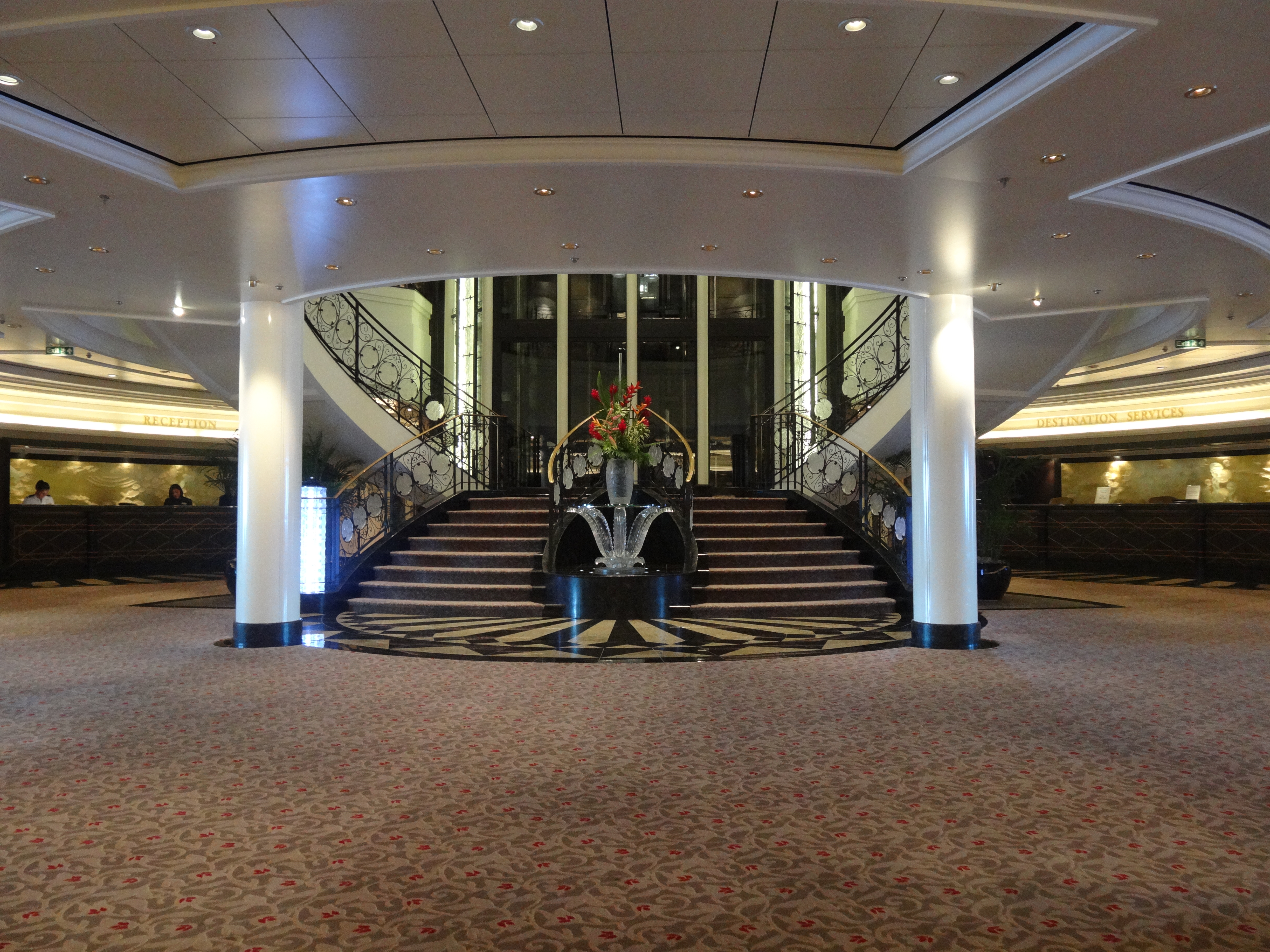
Marina's elegant foyer
Marina’s elegant foyer

With only four ships and ten years of cruise-line experience, Oceania hadn’t even appeared on our travel radar. It wasn’t until we were having dinner one evening on the French side of St. Martin when our dinner companions, an American couple who had just disembarked from the Seabourn ship at the same time we did, asked us if we’d ever tried Oceania. Given that they had just stepped off a 204-passenger, ultra-luxury ship that had impressed all of us with their guest service and attention to detail, and yet they were recommending another line, it seemed that we should listen to them.

So, months later when we were examining itineraries for this winter, we happened upon Oceania’s and decided that since it fit our requirements, we’d book. Our only hesitation was that the ship would have 1200 guests, a worrisome increase in numbers. We did know, though, that the amenities offered in a larger ship might offset our apprehension about the larger numbers ( it has to be mentioned here that we would never even consider a ship with more than about 2000 passengers and the closer to 500 the better).

It’s difficult to truly capture the elegant sophistication of the décor and ambience of the Marina in a few words. Our brief video tour might do it more justice.

In spite of our delight in dressing up over the years, we seem to have evolved to a point where taking gowns and tuxedos on long holidays is losing its luster. But the truth is that on mainstream cruise lines, people actually do behave better when they’re dressed up a bit. We weren’t sure what to make of the “country club casual” dress code before we left. Surely ‘country club’ means different things depending on where you’re from and whether or not you’ve actually ever been to a country club. To their credit, the passengers on the Marina were by and large beautifully dressed. In the evenings, although there was no requirement to dress up, the vast majority of passengers did step it up and present themselves elegantly – if a bit more casually than you might see on the Queen Mary. We were very happy with the ambience.

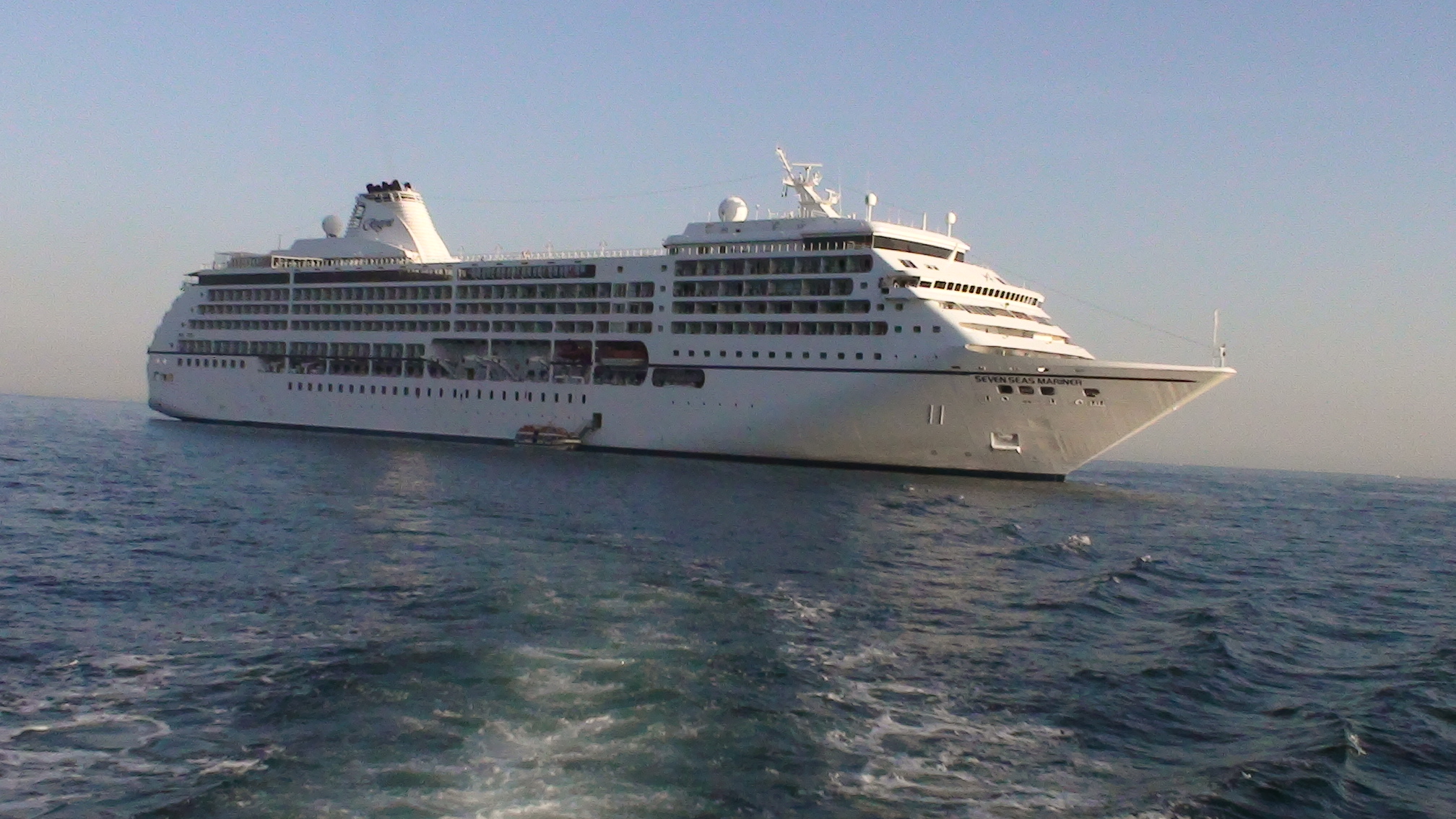
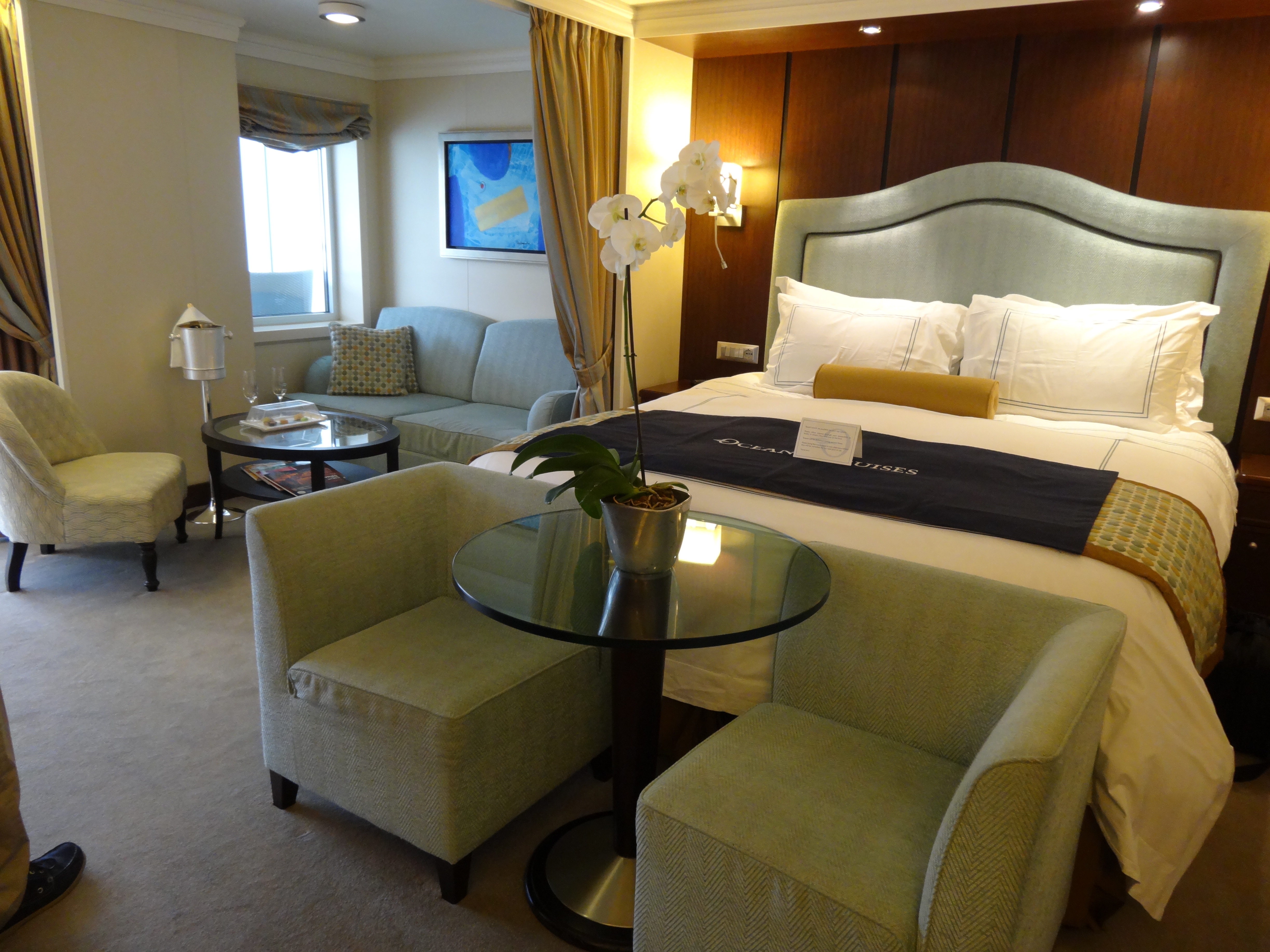
Our Penthouse suite was, from our previous experiences, a bit tight. At 420 square feet (we believe that must include the verandah), it should have been large enough. The 376 sq. ft. Penthouse on Regent’s Mariner seemed more spacious. We have concluded it has to do with the excessive amount of furniture that makes it feel tight. But well-appointed it was. In fact, it was probably the prettiest suite we’ve ever been in (we can’t compare it in size to some of the others since many of them were in higher categories).

And here it is…


The penthouse suite was beautifully appointed, if stuffed with furniture.

Other highlights of this cruise were the staff (to a person they were smiling, friendly, guest-oriented, and efficient), the dining (possibly the best we’ve ever experienced at sea) and the onboard culinary institute.

We registered in advance for three two-hour cooking classes in their state-of-the-art teaching kitchen and found it to be the best organized, most interesting and informative activity on a cruise ship. And Oceania is the only line that has this on two of its ships. Other lines offer cooking demonstrations, but Oceania offers much more.   These classes on the Marina, accommodating only 24 guests at a time, were hands-on classes. We came home with some wonderful new recipes and several new technical skills.

Our only complaint was about the evening entertainment. It seemed to be geared to the over-eighty crowd. The potential in the musicians was there, but when they mechanically launched into “The Tennessee Waltz” we wondered when the nurses would be around with the medications! A little tweak there and it just might be the perfect cruise line for the discerning travelers among us!

Of course, the real highlight of the trip was the travel part – to parts of the South Pacific that we thought we might never see. Put Bora Bora on your bucket list and come along with us next week as we take you to the top of the volcano in the center of the island.