What do you think of when someone says Amazon River? Words like mysterious, wild, natural and untamed beauty come to mind. The Amazon is more than a river, though. It’s something of a world unto itself. And for many of us, it’s kind of a bucket-list thing. But what’s the best way to experience it? That was the question on our minds a while ago when we started planning our adventure.
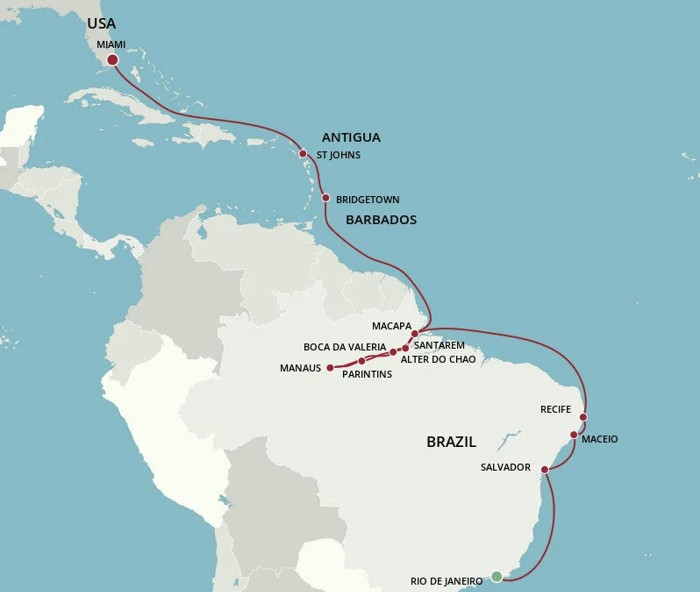
First, we considered flying into Manaus, the city 1500 kilometres from the Atlantic and the spot beyond which you can travel only in a small riverboat. In the end, we decided to book a cruise out of Rio (so we could visit Rio before the cruise), up the coast of Brazil and into the river to Manaus. It then turned around and travelled back, ending in Miami three weeks later.
So, how did it go?
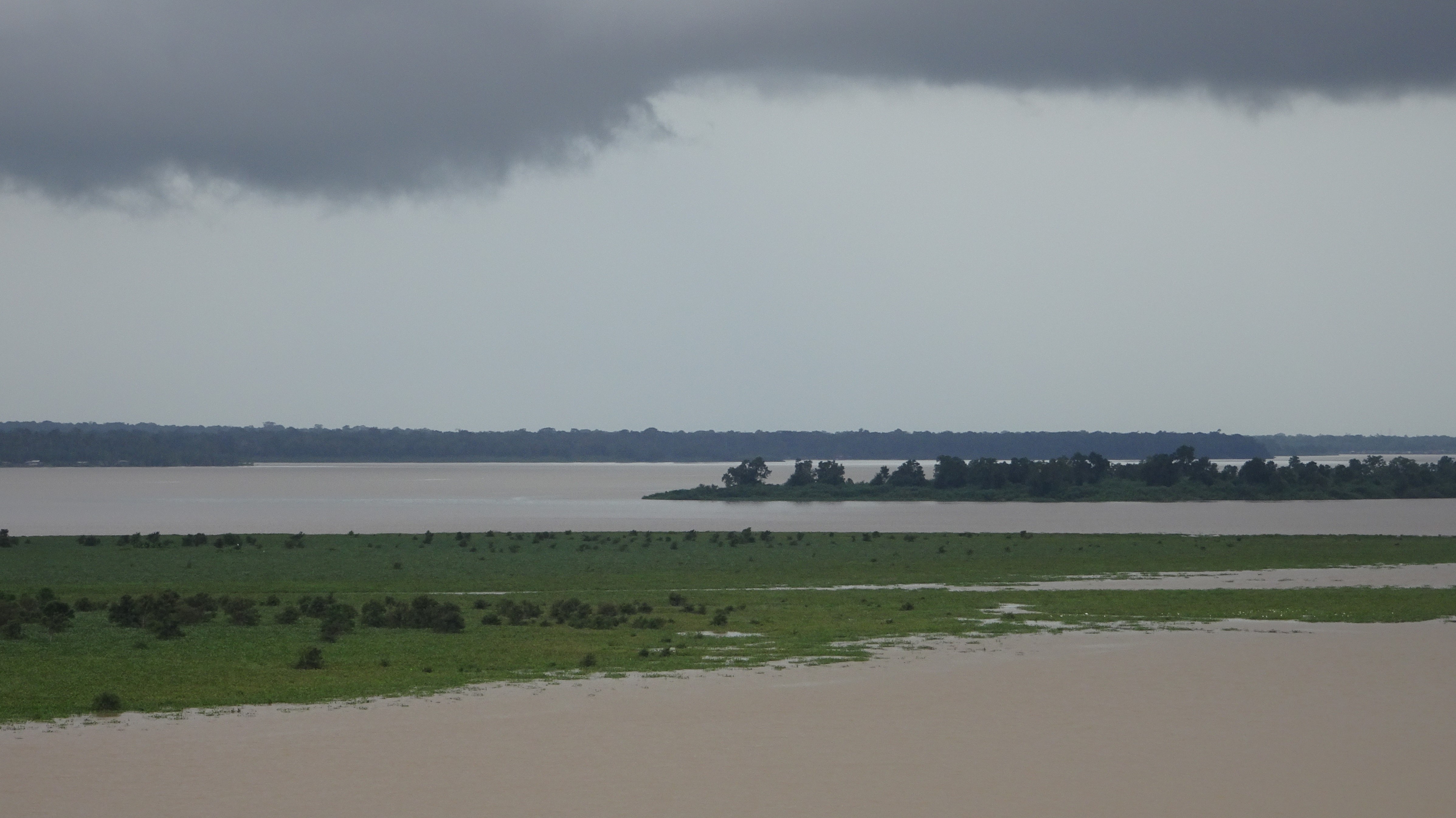
The day our ship turned left from the southern Atlantic Ocean into the Amazon River, the heavens opened up, and the rain started to fall. The rain was so intense for a while that the decks of the chip were almost ankle-deep in water. Once the rain stopped, we were left with a stultifying, leaden humidity along with the searingly hot temperatures.
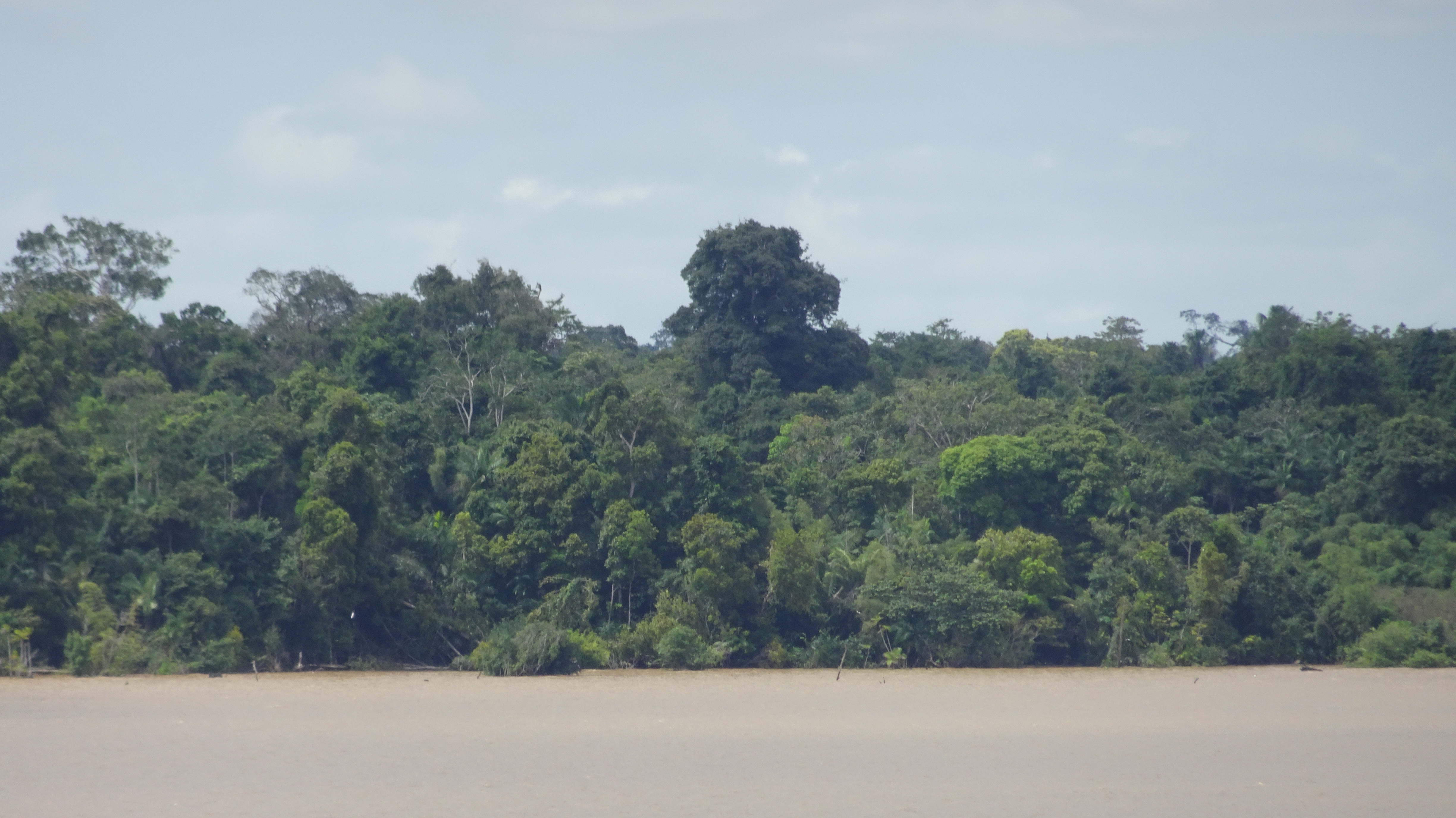
As we slowly made our way into the river (which is miles wide at this point), we passed hundreds of kilometres of shoreline showing dense rainforest—or, to be more precise, the tops of the trees of the rainforest canopy. Although the river was not extraordinarily high at that time, it was still high enough that we saw only the canopy as we glided by.
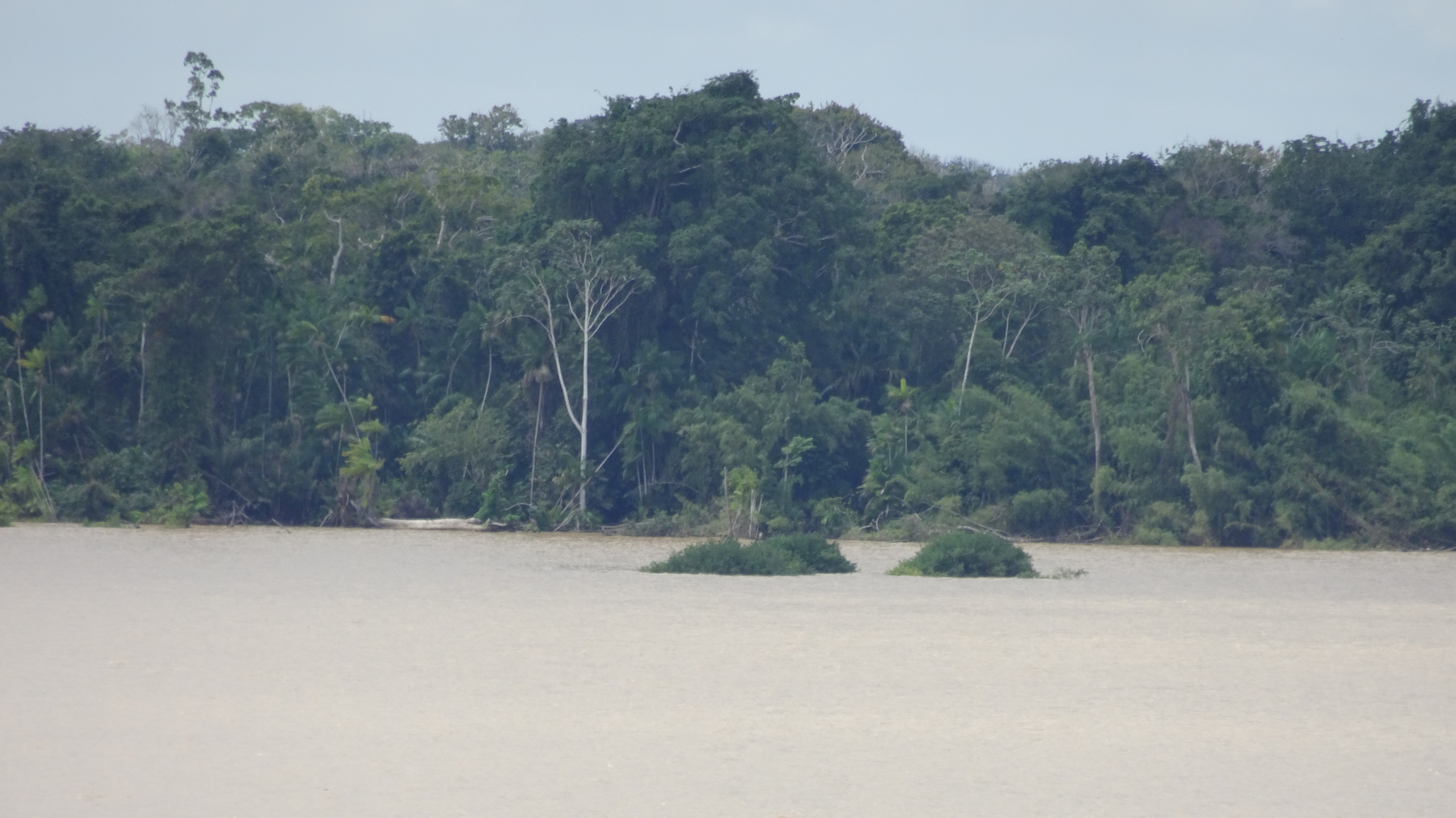
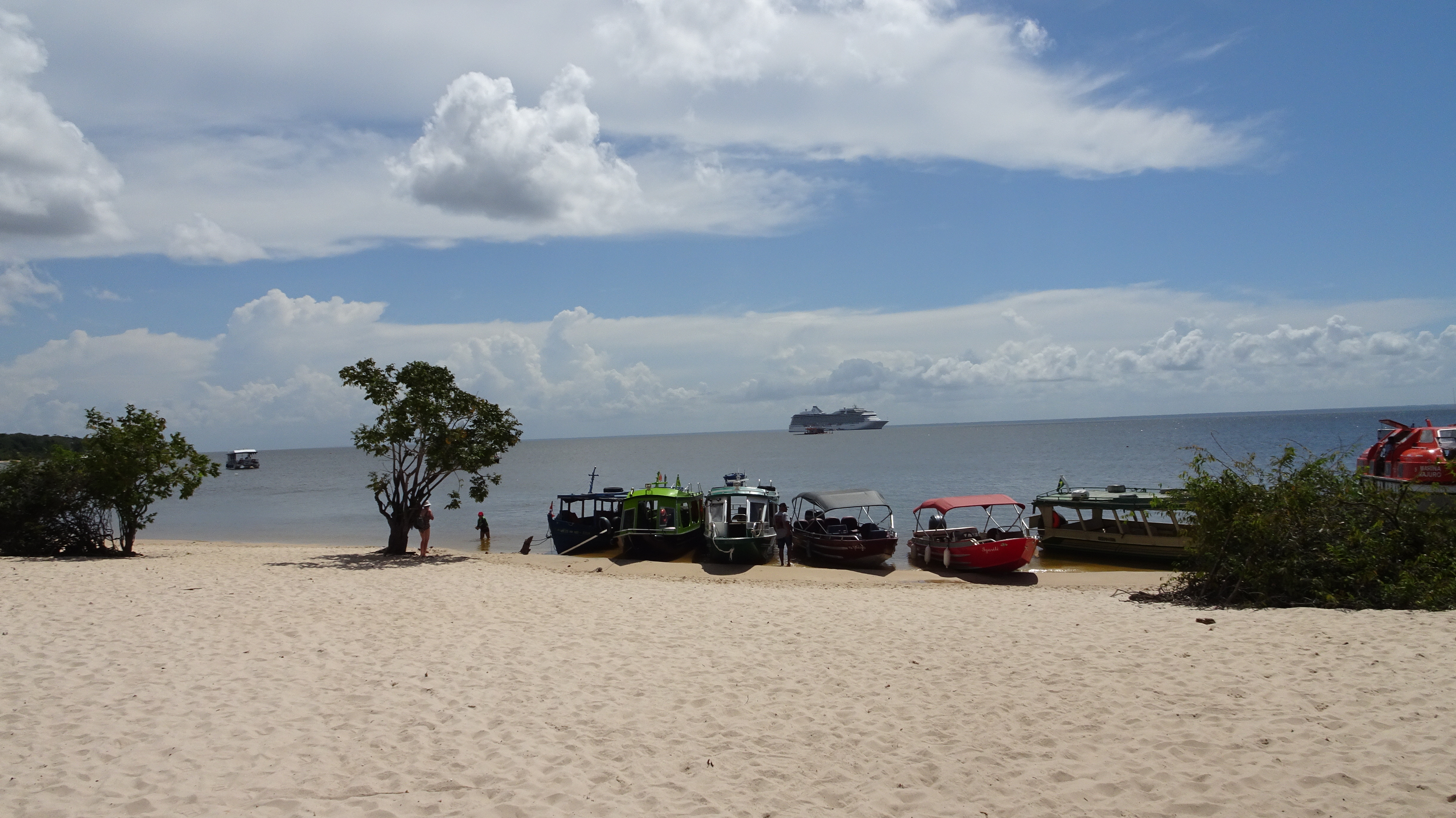
Our first stop on the river was the village of Alto de Chao. This stop gave us a real sense of the kinds of beaches along the river. Although the river water, owing to its colour, doesn’t look suitable for swimming, we were assured that it is clean.
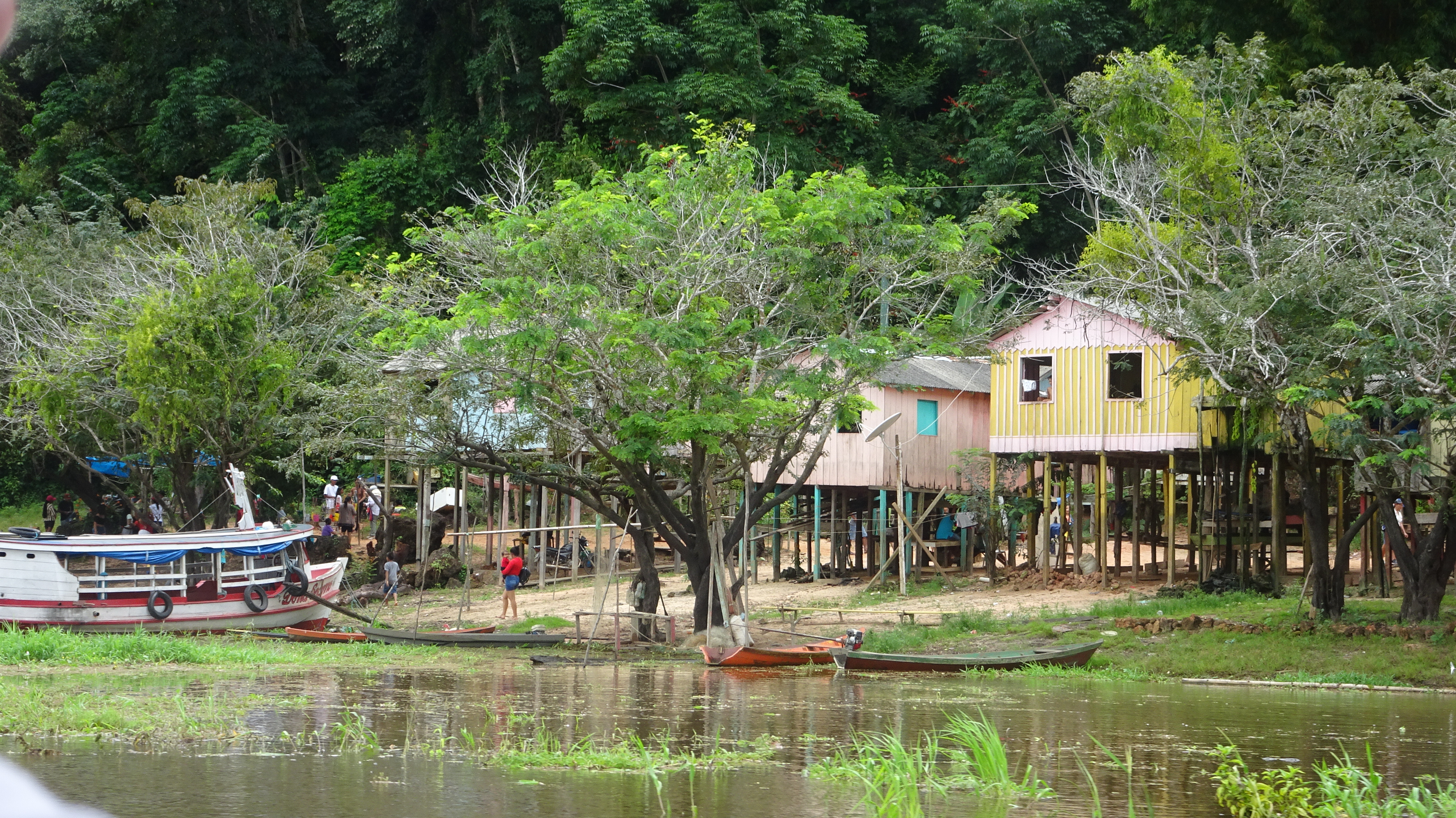
The following day, we got a better sense of how the local people live in the village of Boca de Valeria. We took the tender from the ship to the heart of the village, where the local children were the greeters. Each one offered something: an opportunity to hire them as guides, a photo op with a young girl in traditional dress, or a chance to get up close and personal with a pet toucan or sloth. We chose the toucan.
The village was small, with houses built on stilts to withstand the vagaries of the rise and fall of the river height. It didn’t take long for us to tour the entire space.
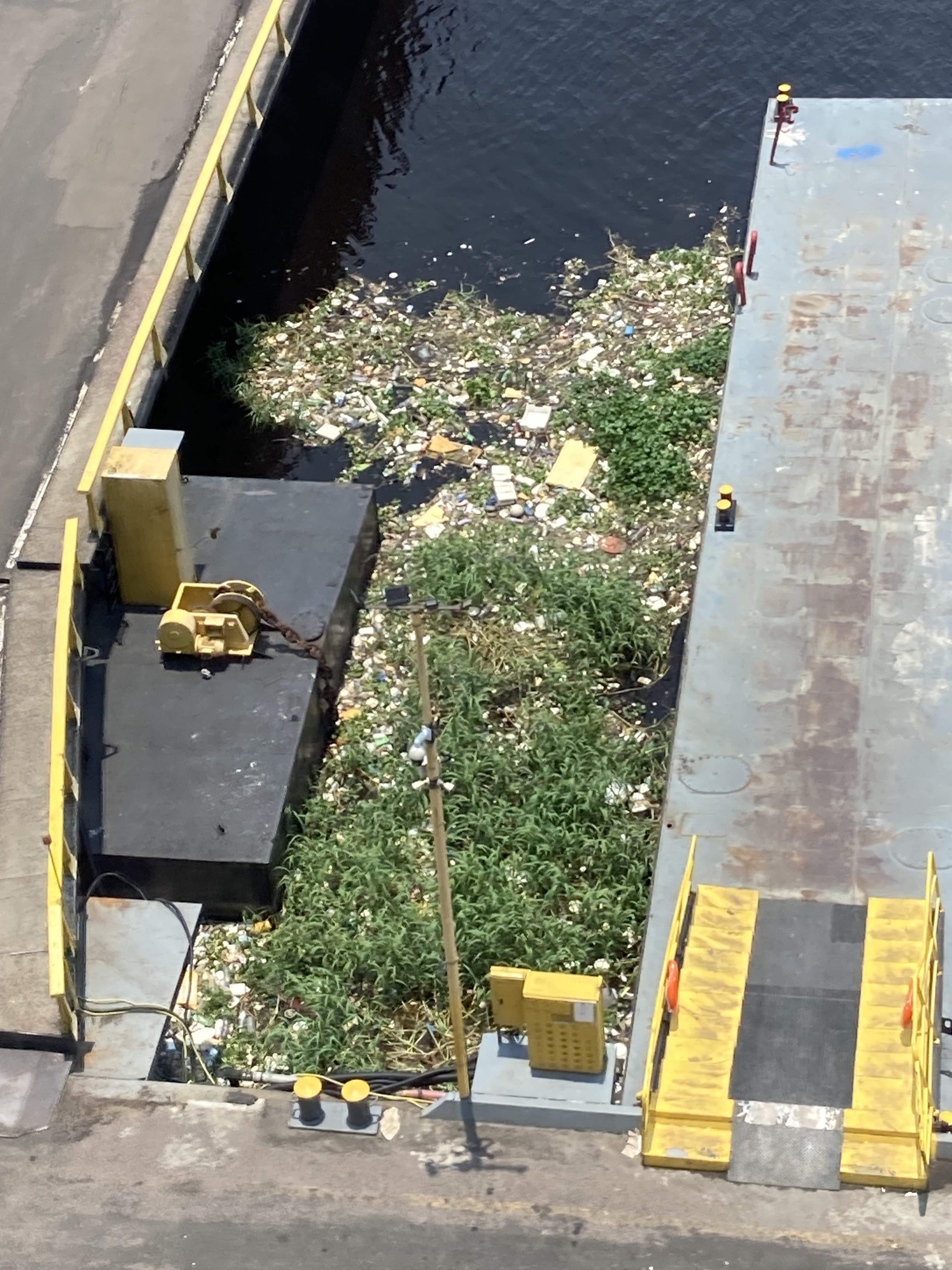
After 1500 kilometres of river cruising, we reached the port of Manaus. The port of Manaus, which is actually located on the banks of the Rio Negro near where it meets the Amazon River itself, is a vital hub in the heart of the Amazon rainforest. As the largest city in the region, Manaus acts as a gateway to the rainforest, and its port reflects the unique blend of urban life and wilderness. The first thing that stuck with us, though, was the extraordinary amount of industrial development and the massive amount of garbage that floated in the river near our dock. It was shocking.
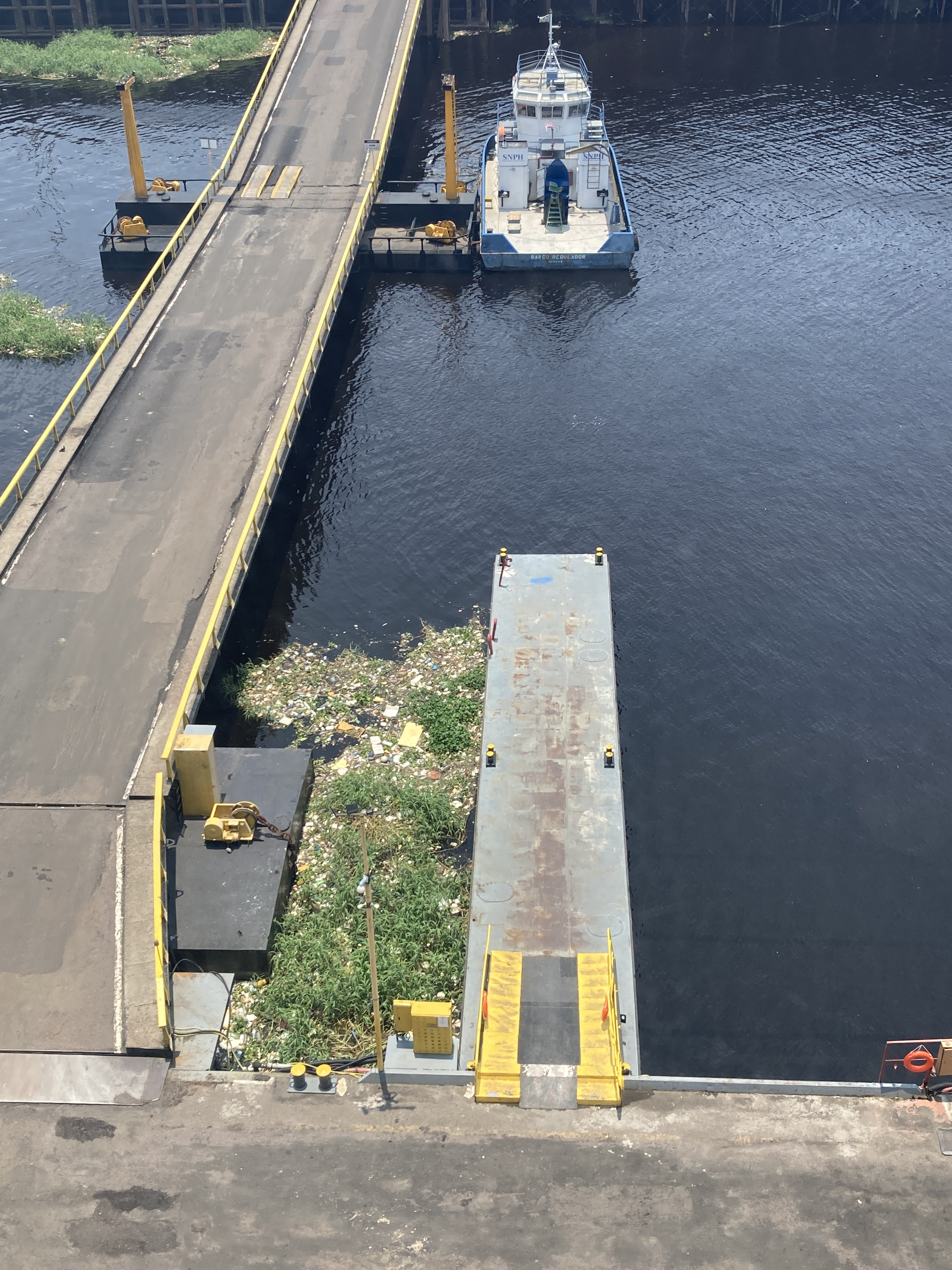
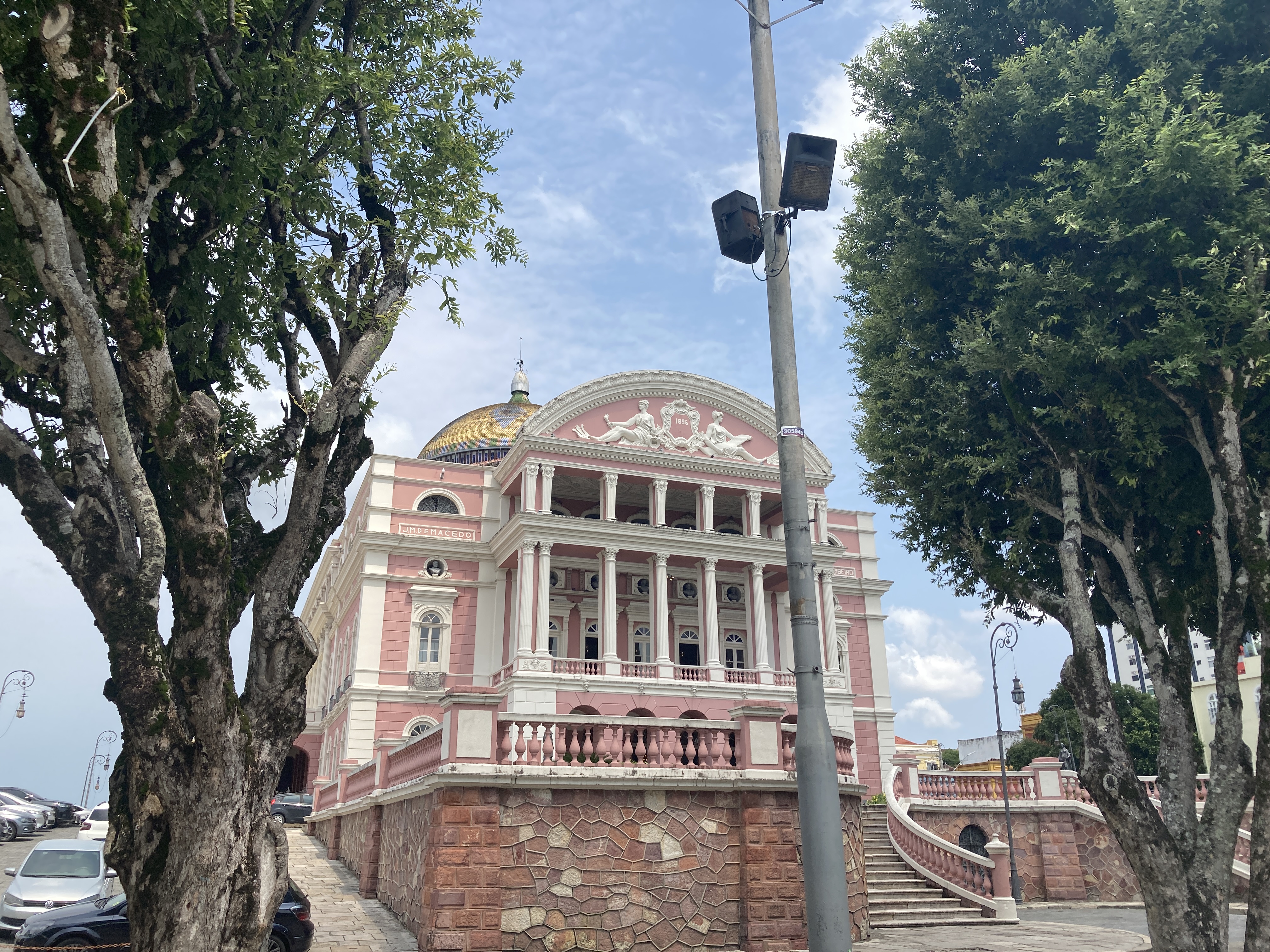
During the rubber boom of the late 19th and early 20th centuries, Manaus flourished as a wealthy trade center, and its port became a symbol of that prosperity. The city itself has a wide variety of colonial buildings that speak of a much more prosperous era in the past. It even has an opera house.
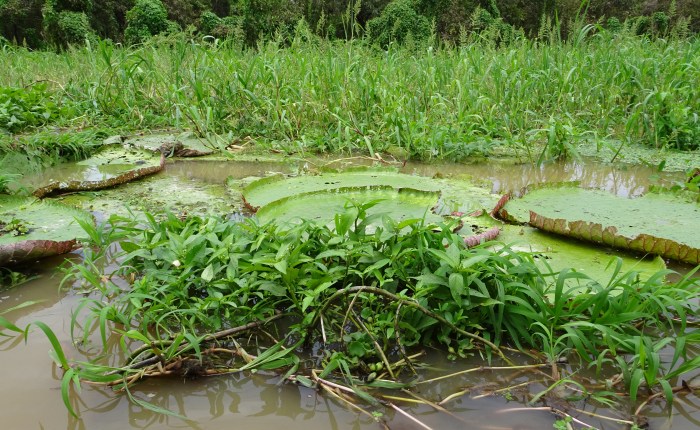
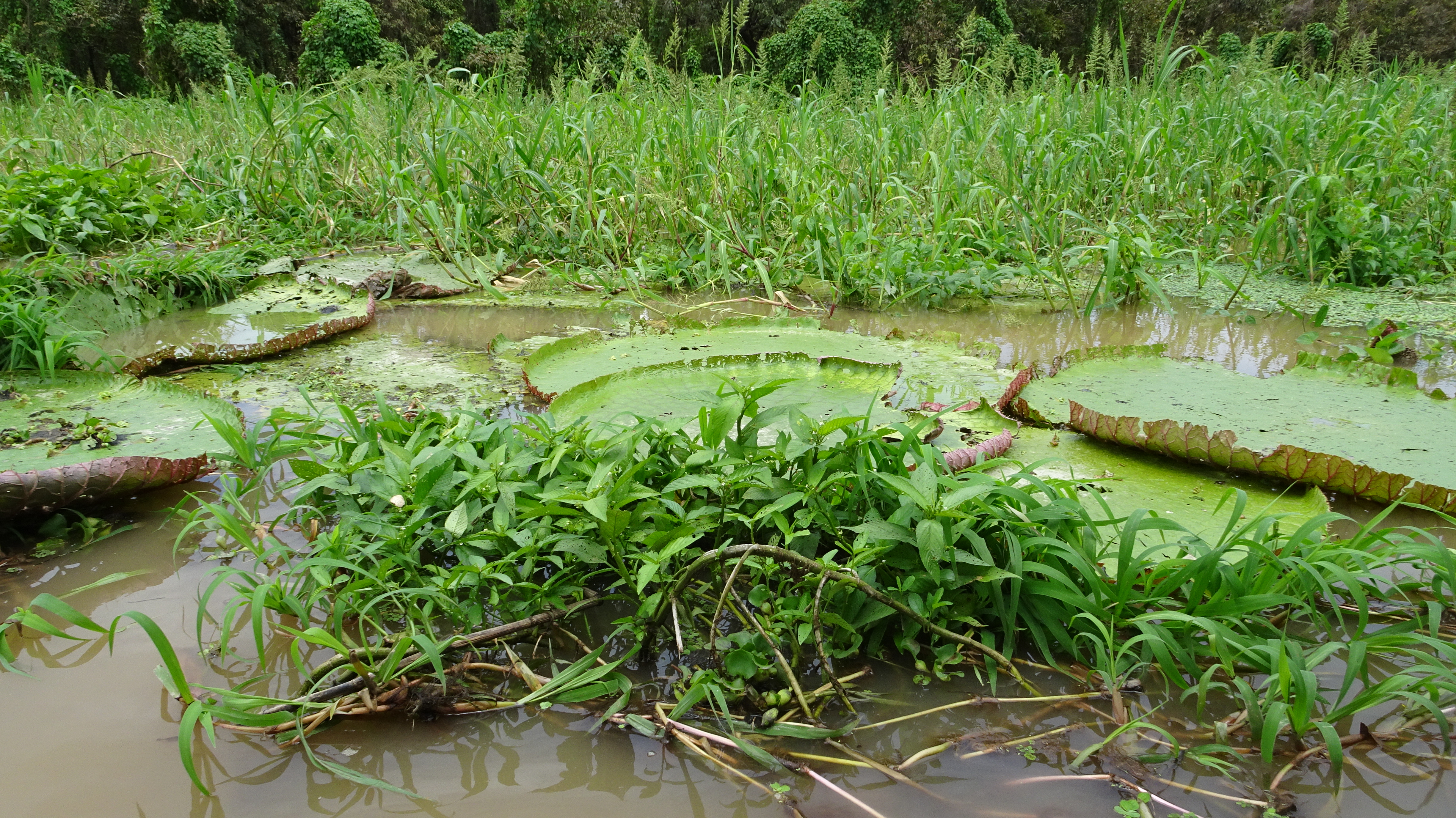
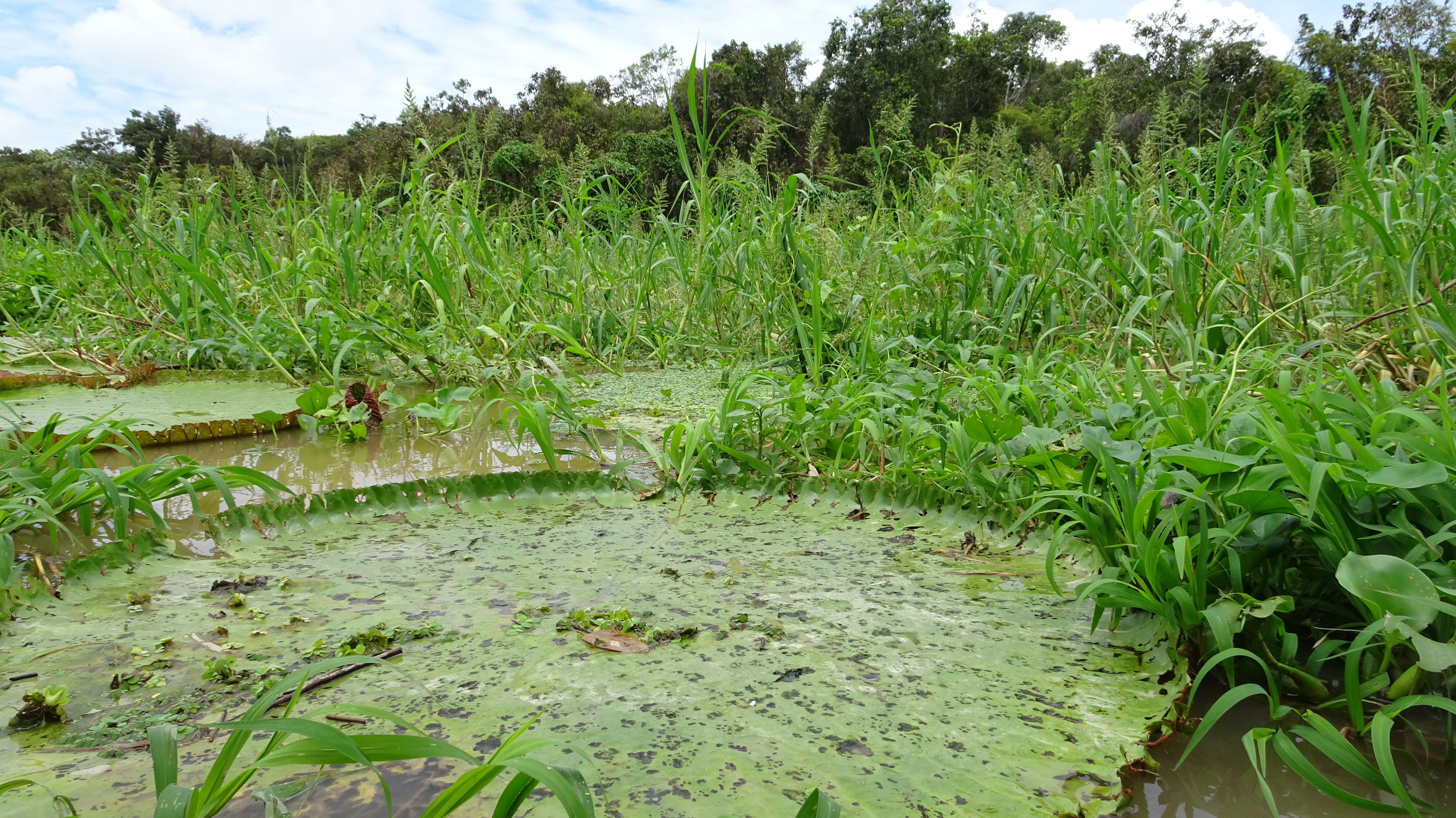
Since we were in Manaus for two days, we had a chance to have several experiences. First, we took a riverboat to January Lake, an eco-reserve, where we sped through the grasses in a motorized canoe to see the giant water lilies. We hoped to see wildlife, but other than a few egrets, we saw none. On our way back to the port, we were treated to “the meeting of the waters,” where the dark water of the River Negro reaches the murky brown of the Amazon and travels that way for six kilometres before mixing.
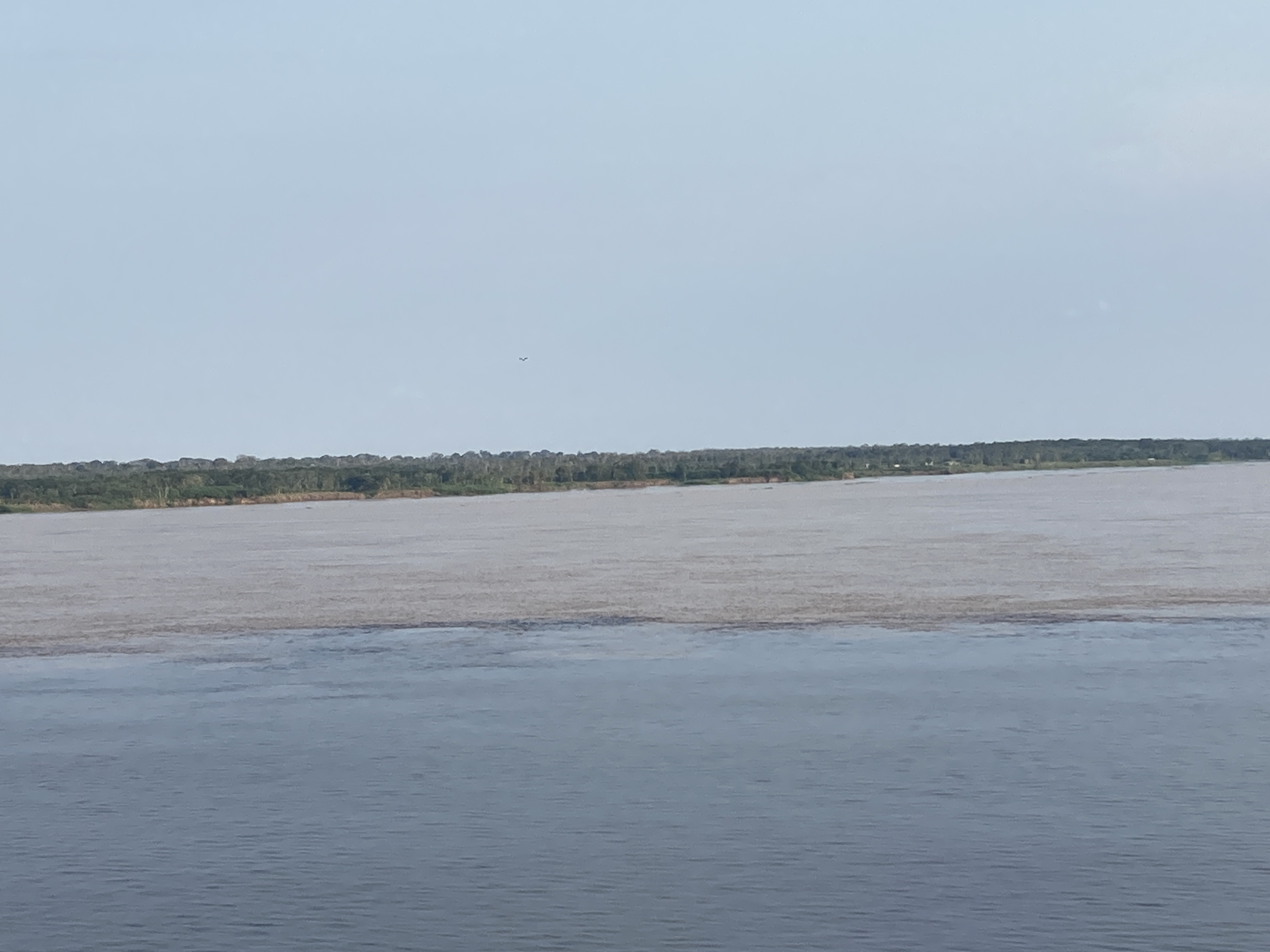
Differences in temperature and composition keep them apart for that distance. It was an interesting phenomenon.
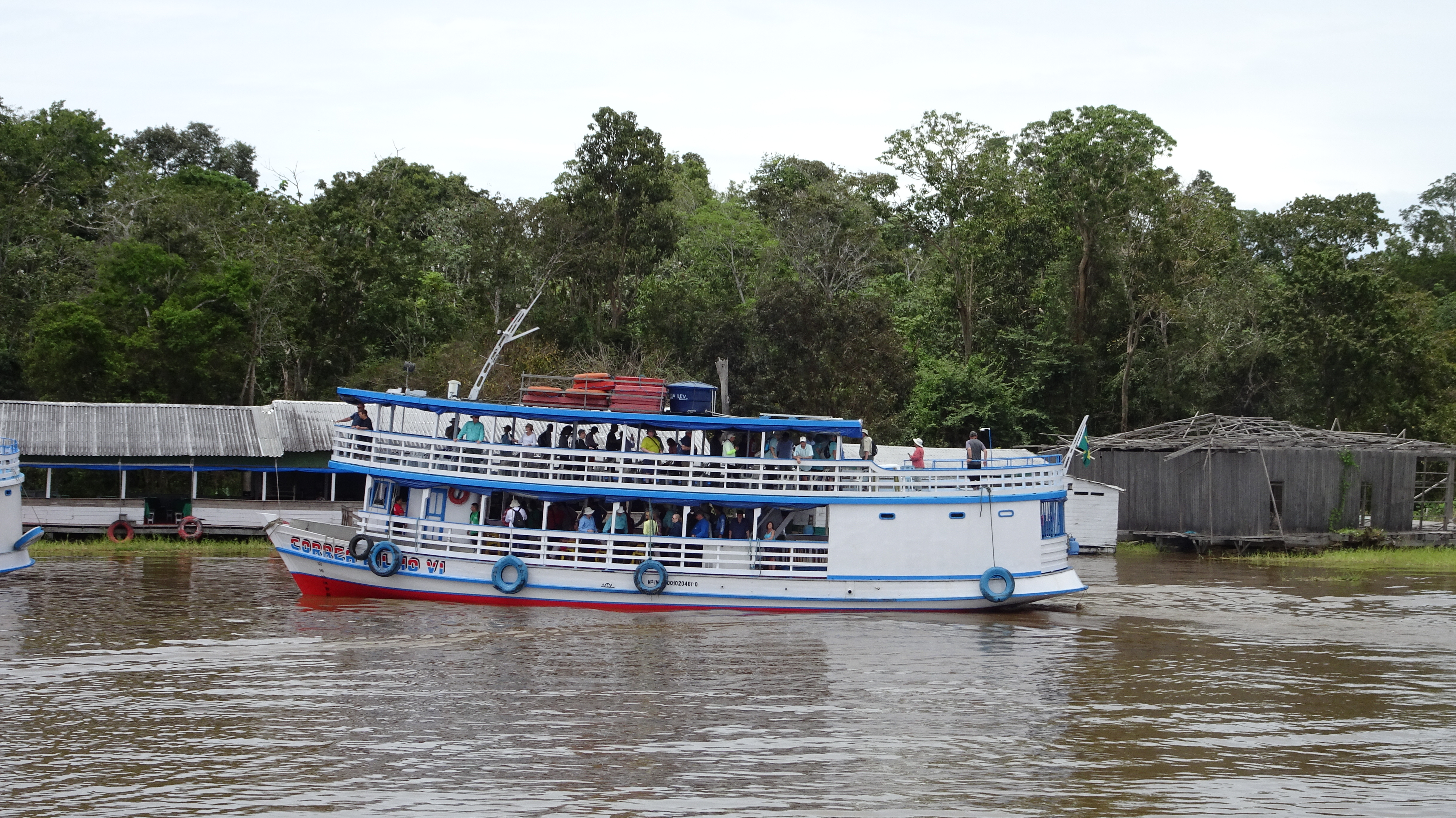
The following day, we toured the city on foot by ourselves. It would have been easy to get lost among the myriad streets where vendors sold everything from Chinese-made cosmetics to housewares and clothing to (obviously stolen) smartphones. We were told to keep our valuables hidden and our phones close to the body. We did.
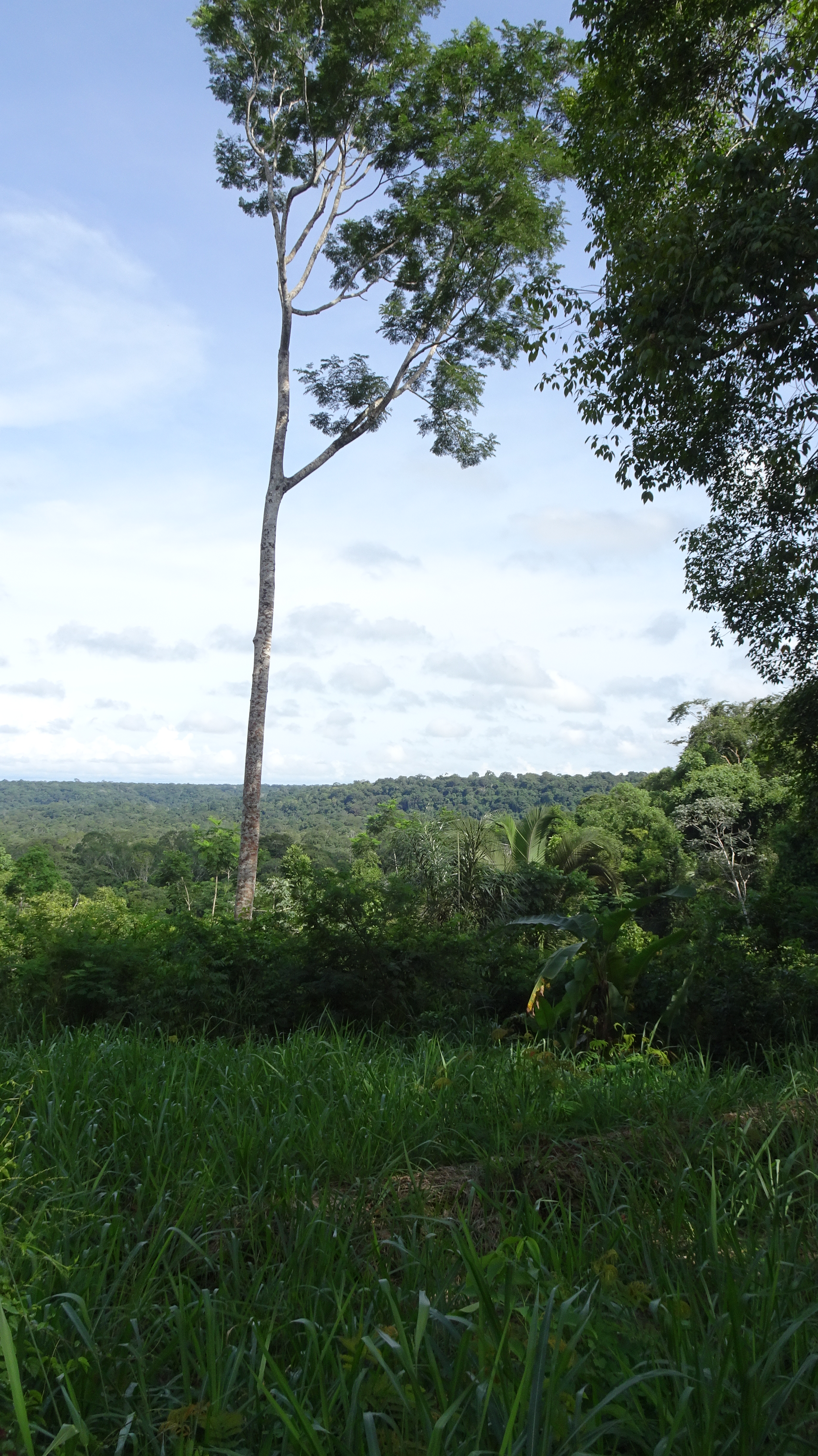
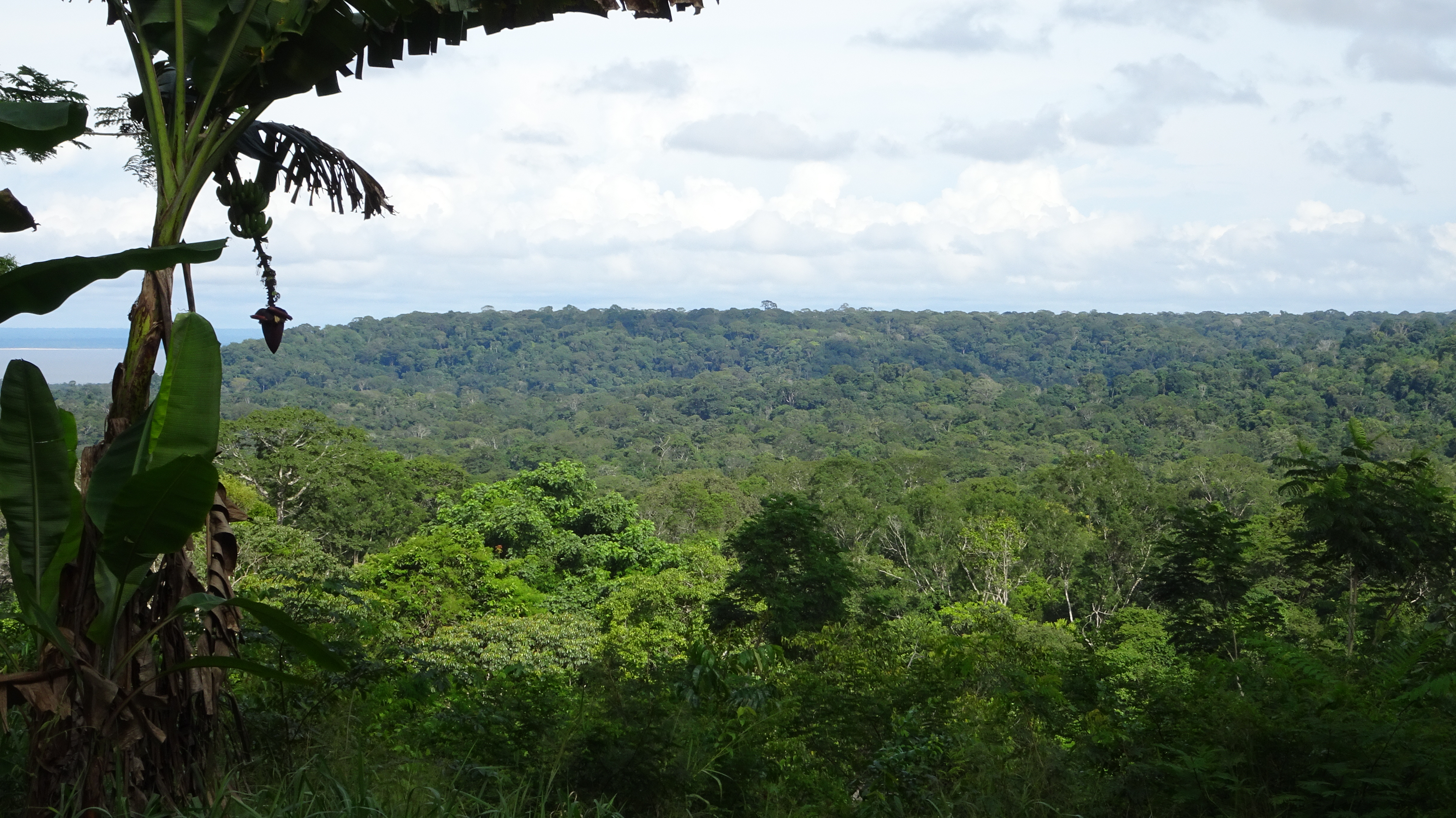
On our way back out of the river, we stopped at the port of Santarem. There, we boarded a rattle-trap repurposed (but not refurbished) city bus with no suspension or air conditioning for the hour-and-a-half drive to the Tapajos Rainforest. Once there, we made our way into the rainforest on foot for an hour-and-a-half hike. It was incredible and worth dodging the extraordinary volume of ants. Again, we saw no wildlife, but we learned how rubber is harvested from rubber trees.
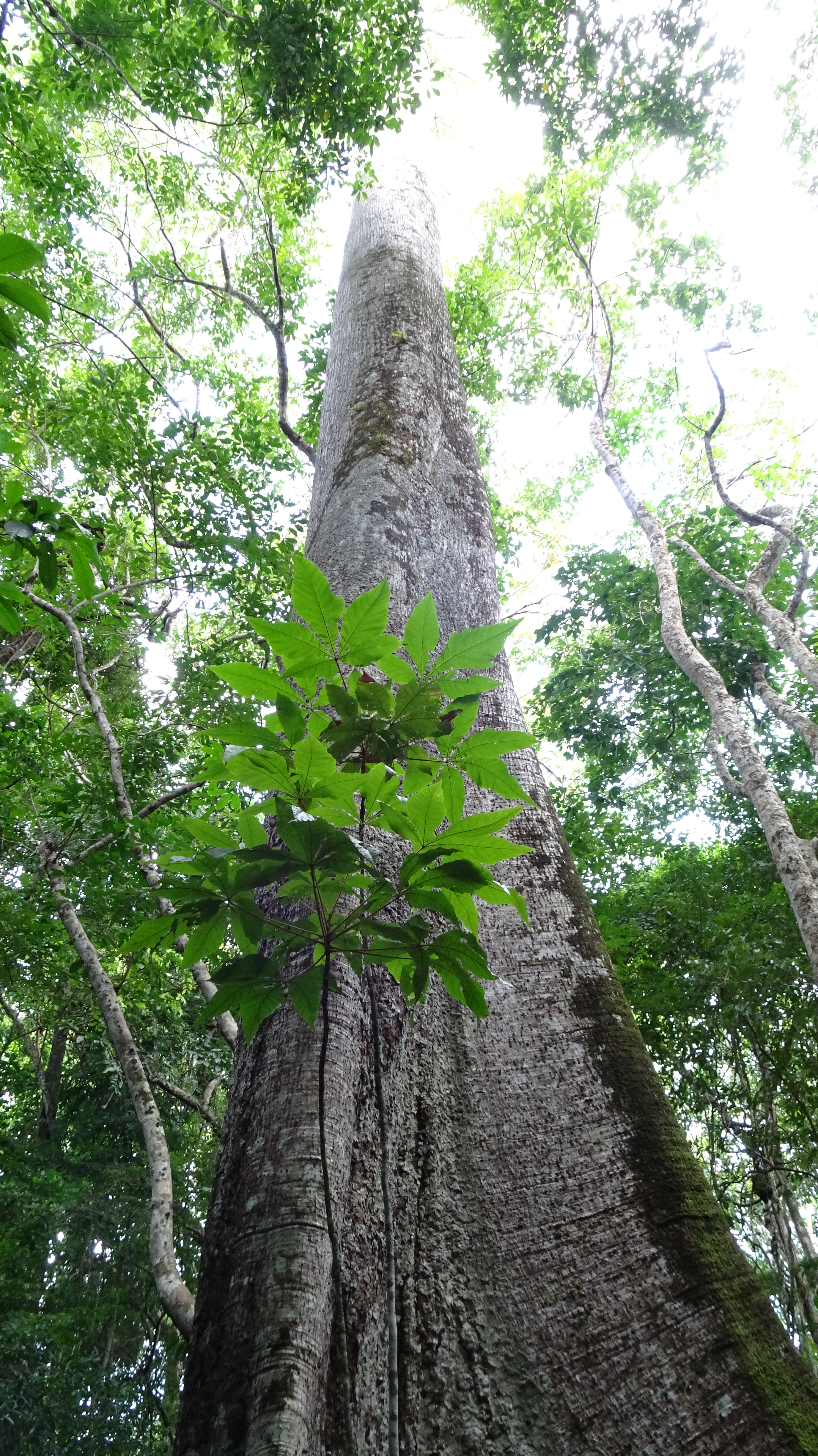
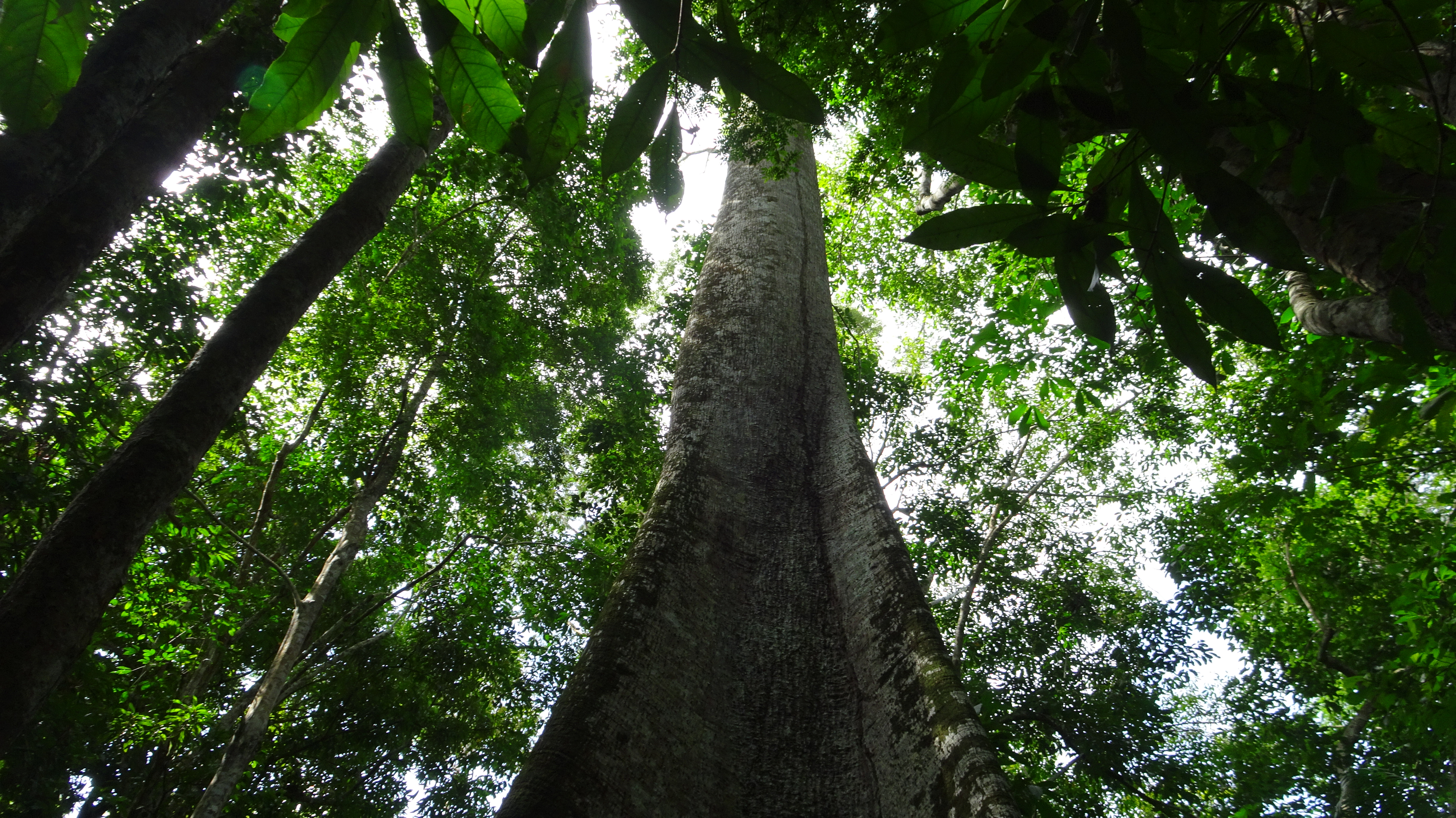
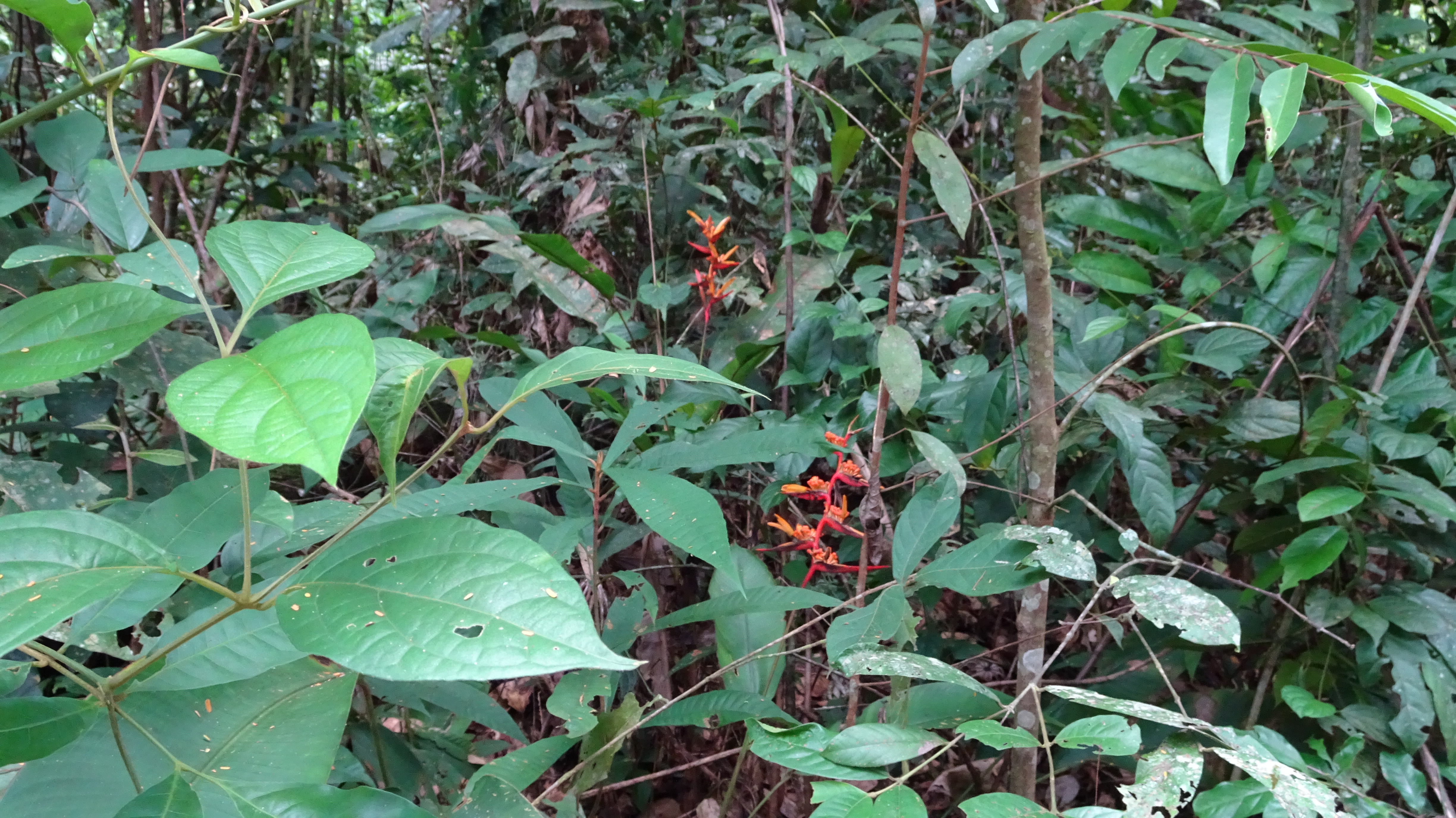
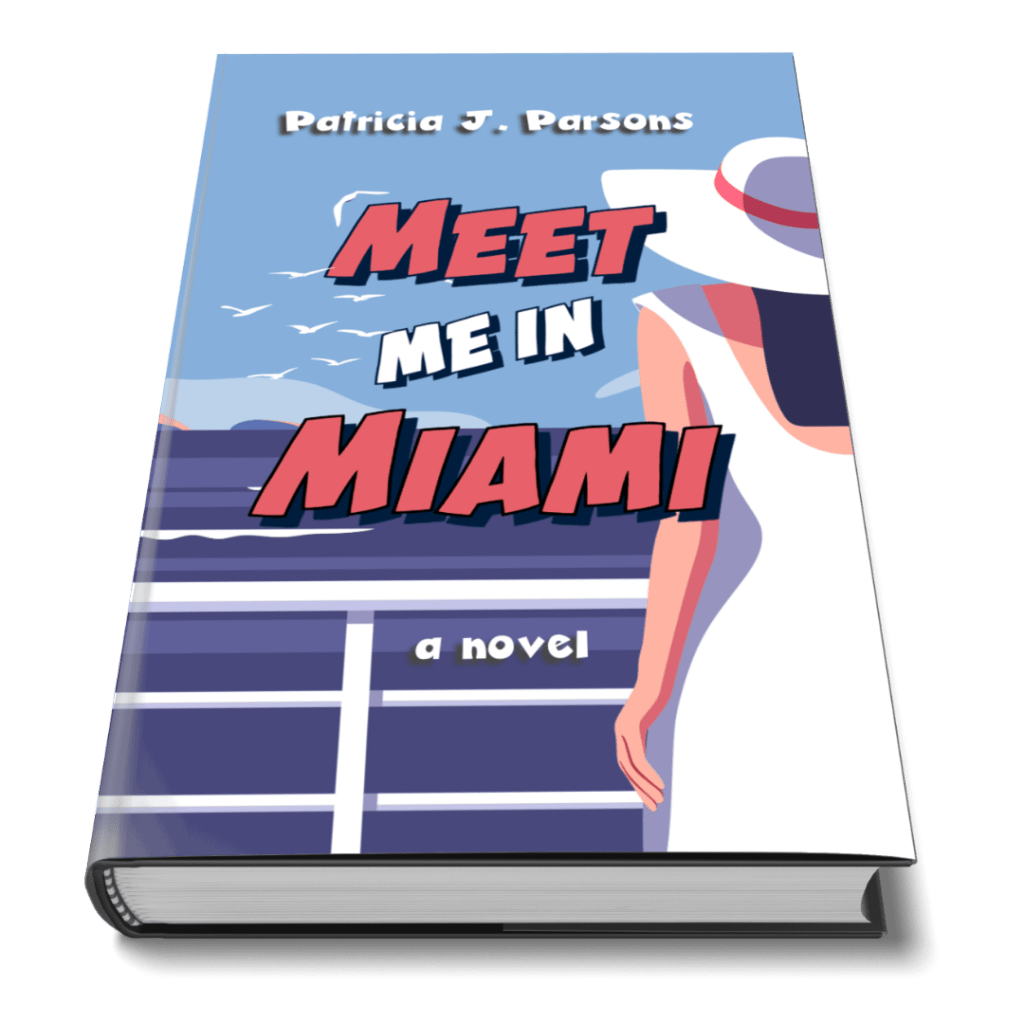
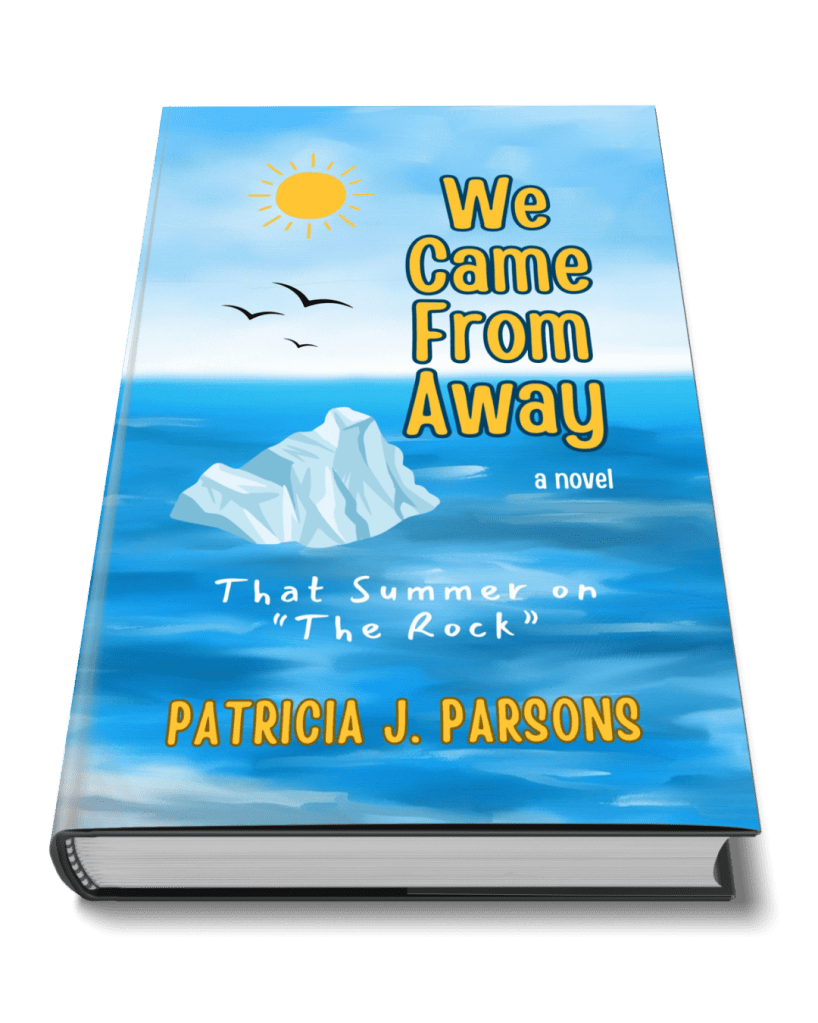
The experience was nothing if not inspirational. In fact, when we got home, Patty began writing the sequel to last year’s book We Came from Away. If you were to pick up Meet Me in Miami, you’d get the luscious details of that Amazon River cruise—armchair travel at its best, along with a story of second chances for the characters.
Oh, and you can get an even greater sense of it by watching our video. Happy travelling.





 The Discerning Travelers
You must be logged in to post a comment.