Taking That Bucket List Cruise: The Amazon River

Taking That Bucket List Cruise: The Amazon River

What do you think of when someone says Amazon River? Words like mysterious, wild, natural and untamed beauty come to mind. The Amazon is more than a river, though. It’s something of a world unto itself. And for many of us, it’s kind of a bucket-list thing. But what’s the best way to experience it? That was the question on our minds a while ago when we started planning our adventure.

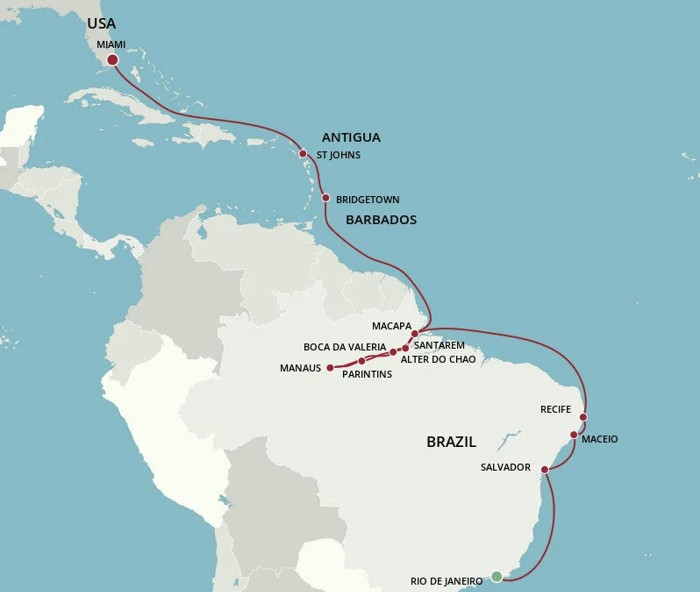
First, we considered flying into Manaus, the city 1500 kilometres from the Atlantic and the spot beyond which you can travel only in a small riverboat. In the end, we decided to book a cruise out of Rio (so we could visit Rio before the cruise), up the coast of Brazil and into the river to Manaus. It then turned around and travelled back, ending in Miami three weeks later.
So, how did it go?

The day our ship turned left from the southern Atlantic Ocean into the Amazon River, the heavens opened up, and the rain started to fall. The rain was so intense for a while that the decks of the chip were almost ankle-deep in water. Once the rain stopped, we were left with a stultifying, leaden humidity along with the searingly hot temperatures.

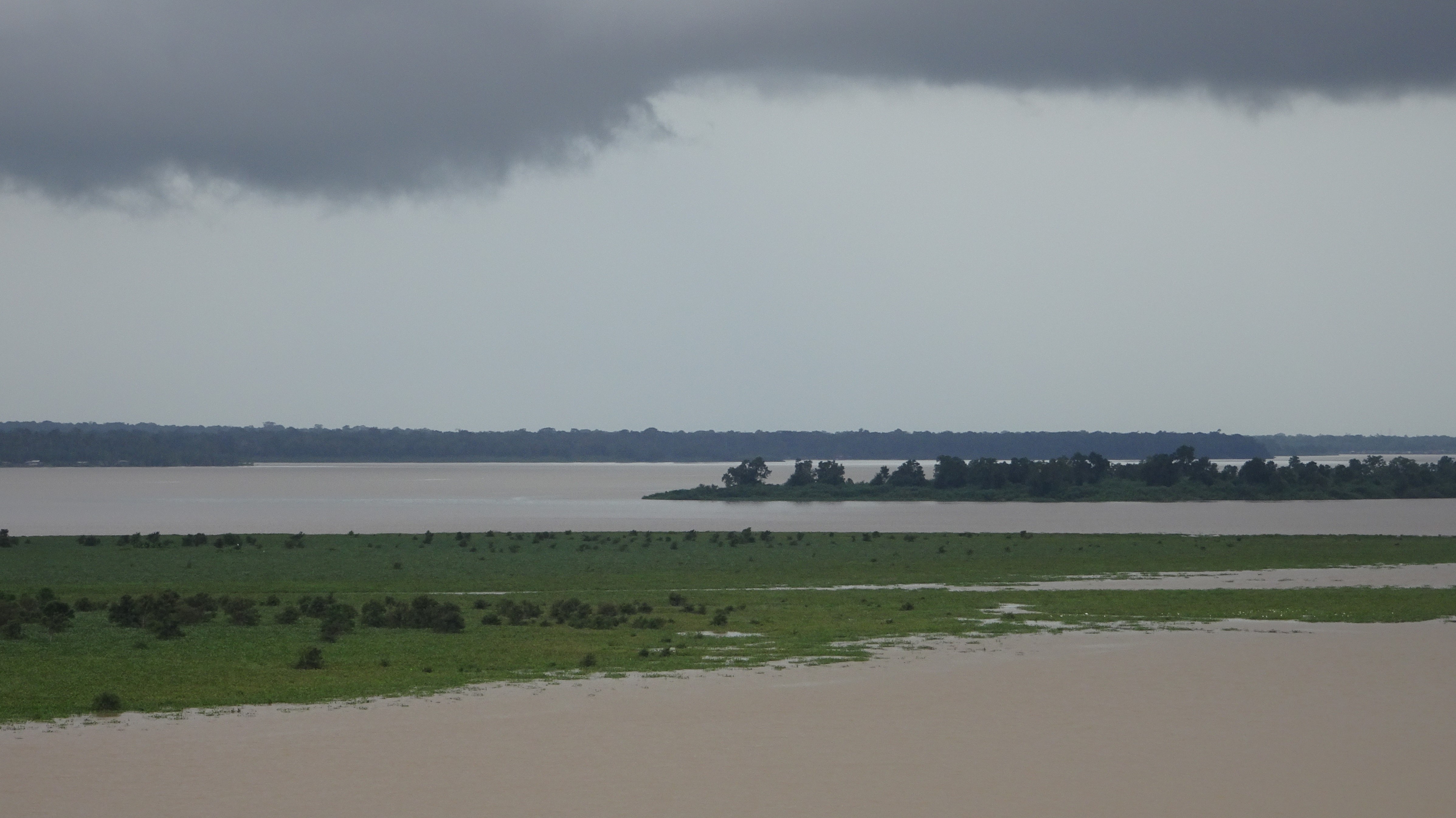
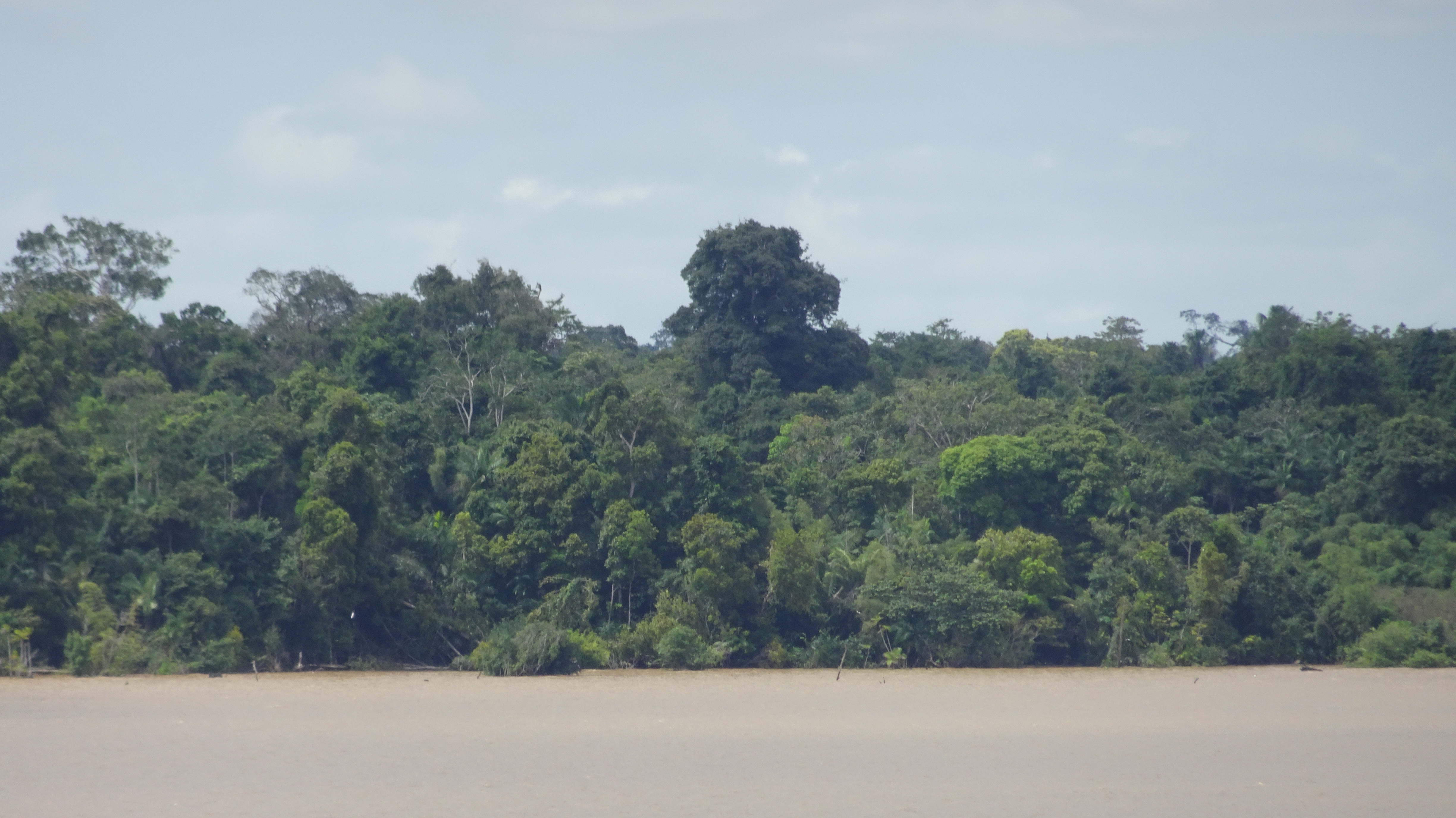
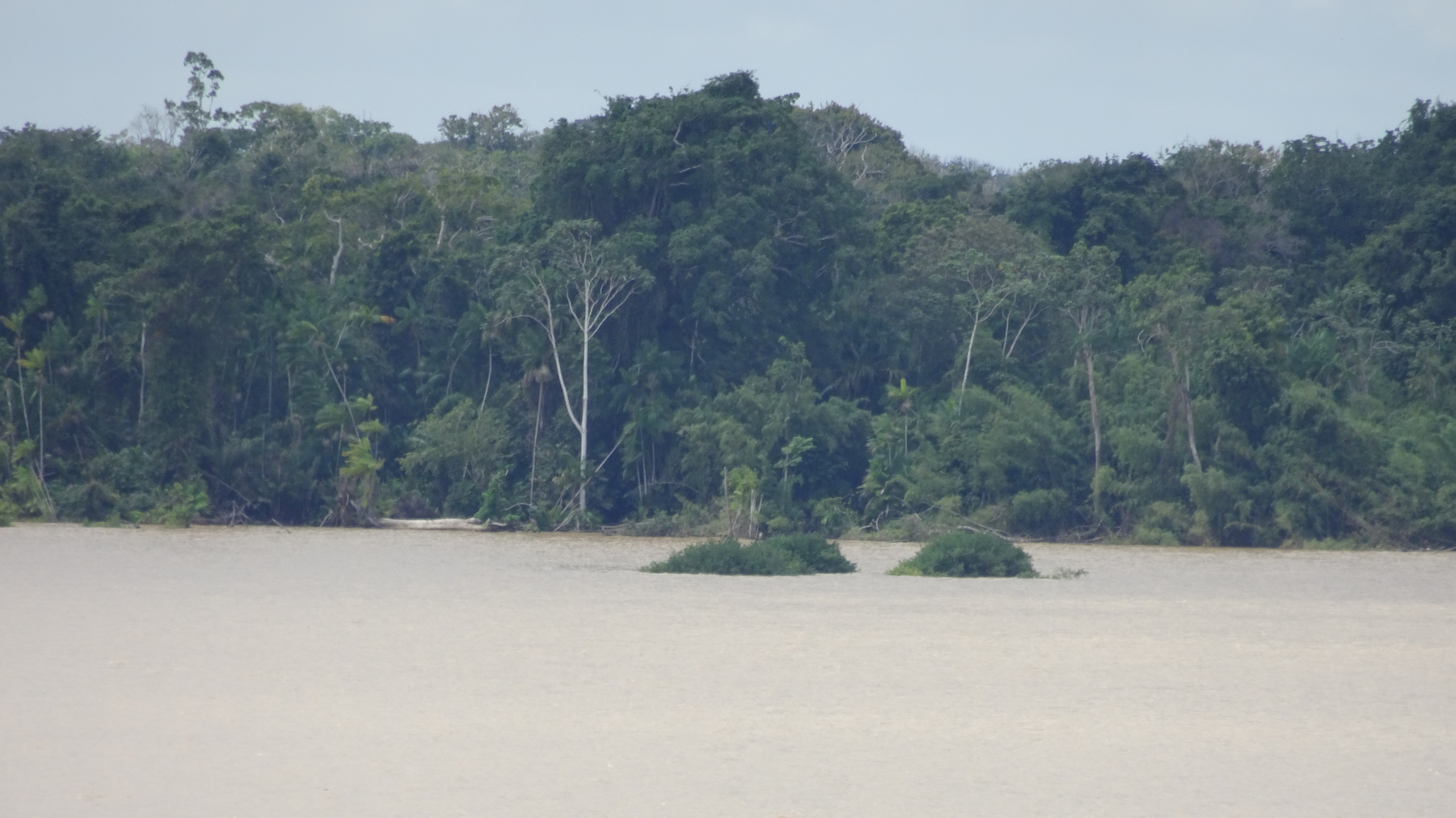
As we slowly made our way into the river (which is miles wide at this point), we passed hundreds of kilometres of shoreline showing dense rainforest—or, to be more precise, the tops of the trees of the rainforest canopy. Although the river was not extraordinarily high at that time, it was still high enough that we saw only the canopy as we glided by.
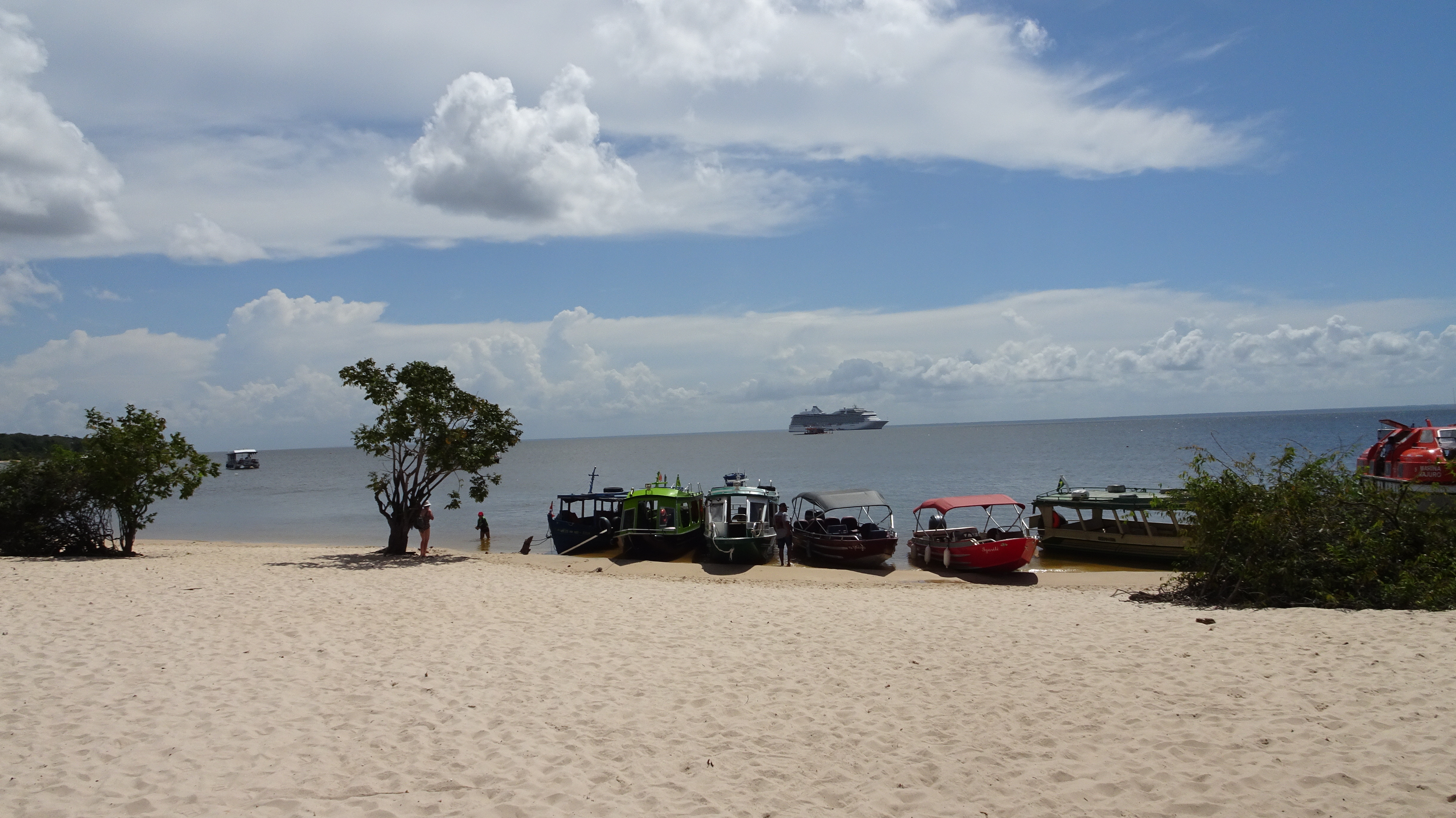
Our first stop on the river was the village of Alto de Chao. This stop gave us a real sense of the kinds of beaches along the river. Although the river water, owing to its colour, doesn’t look suitable for swimming, we were assured that it is clean.
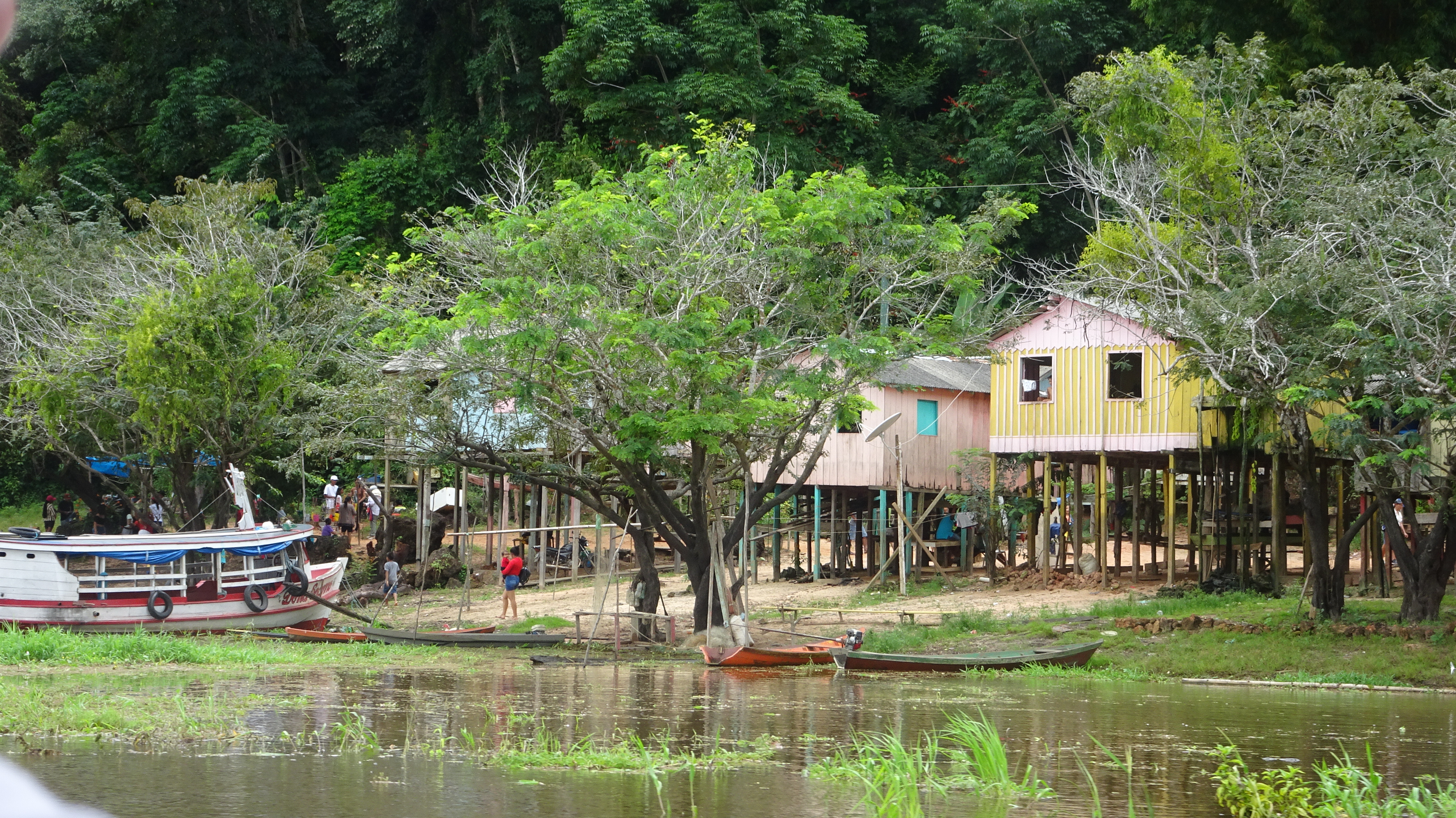
The following day, we got a better sense of how the local people live in the village of Boca de Valeria. We took the tender from the ship to the heart of the village, where the local children were the greeters. Each one offered something: an opportunity to hire them as guides, a photo op with a young girl in traditional dress, or a chance to get up close and personal with a pet toucan or sloth. We chose the toucan.

The village was small, with houses built on stilts to withstand the vagaries of the rise and fall of the river height. It didn’t take long for us to tour the entire space.
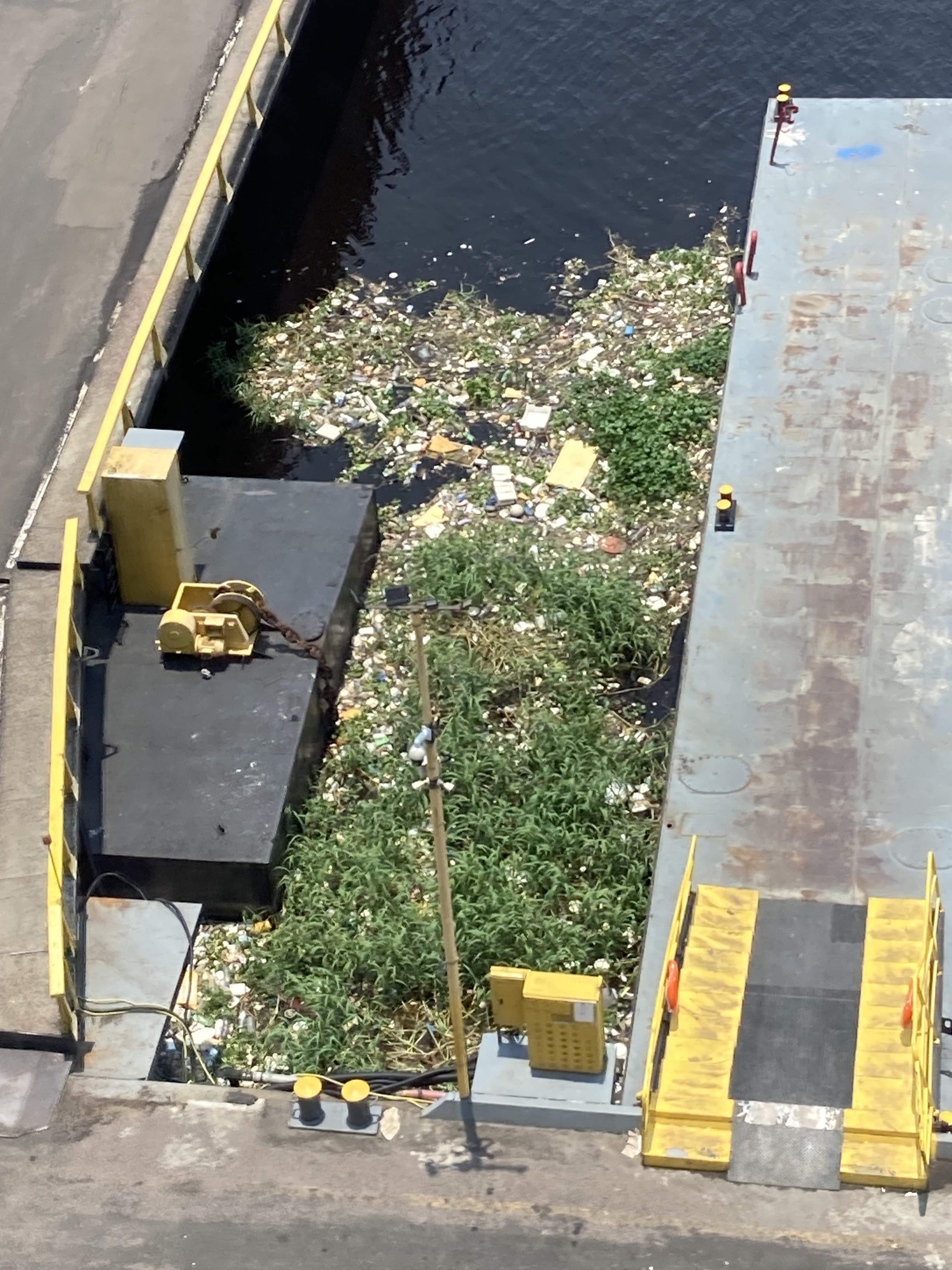
After 1500 kilometres of river cruising, we reached the port of Manaus. The port of Manaus, which is actually located on the banks of the Rio Negro near where it meets the Amazon River itself, is a vital hub in the heart of the Amazon rainforest. As the largest city in the region, Manaus acts as a gateway to the rainforest, and its port reflects the unique blend of urban life and wilderness. The first thing that stuck with us, though, was the extraordinary amount of industrial development and the massive amount of garbage that floated in the river near our dock. It was shocking.
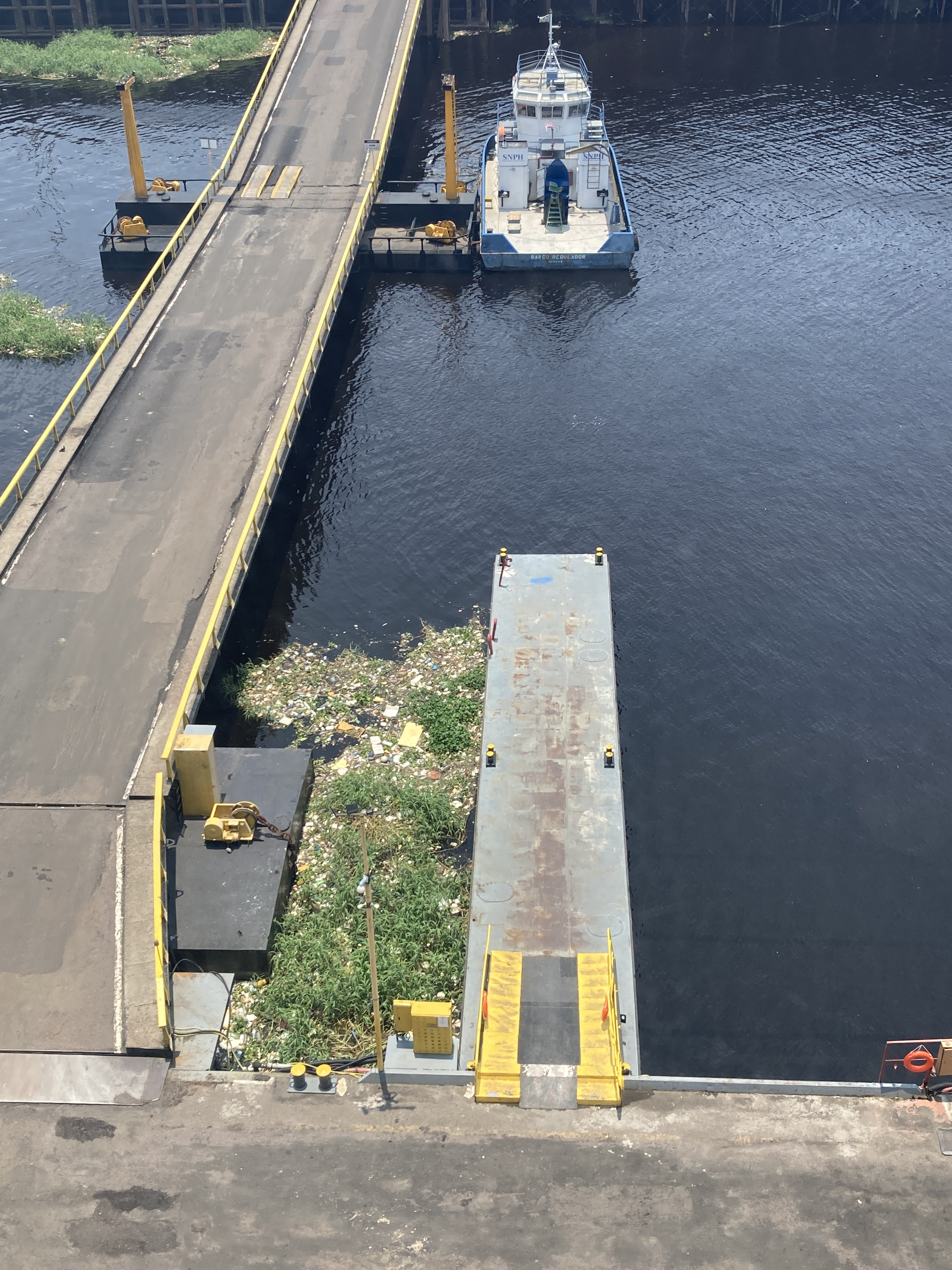
During the rubber boom of the late 19th and early 20th centuries, Manaus flourished as a wealthy trade center, and its port became a symbol of that prosperity. The city itself has a wide variety of colonial buildings that speak of a much more prosperous era in the past. It even has an opera house.

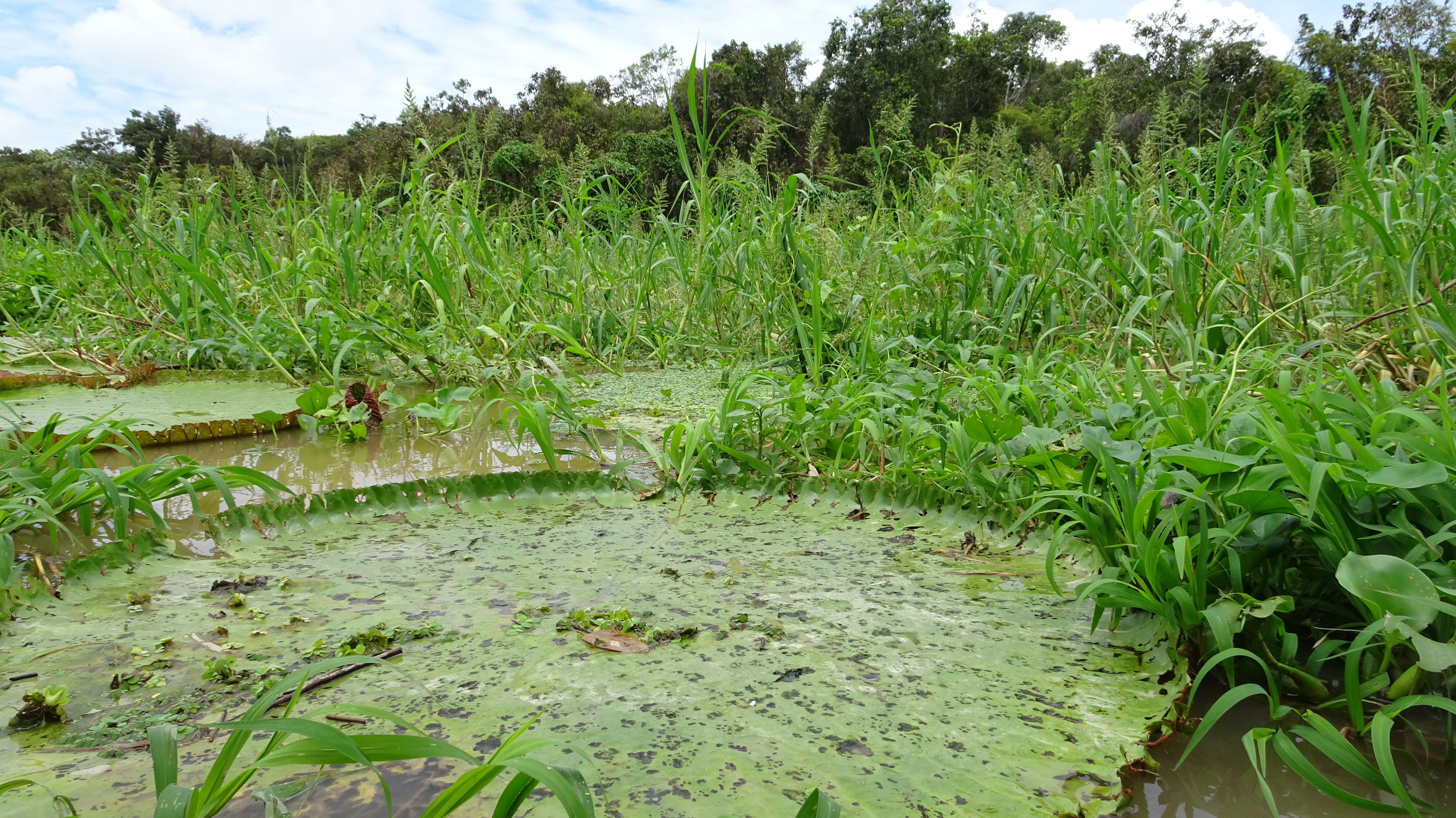
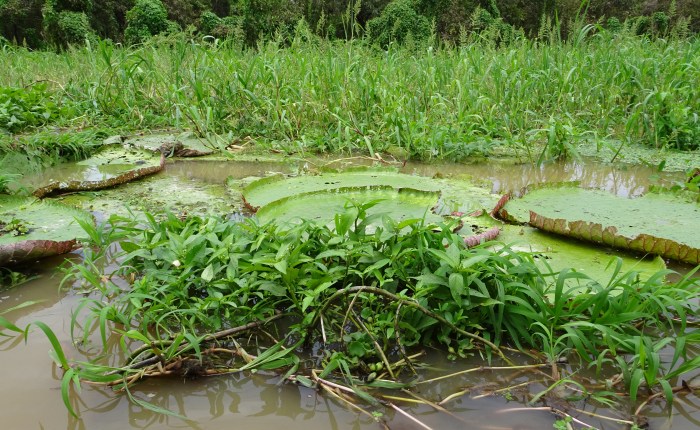
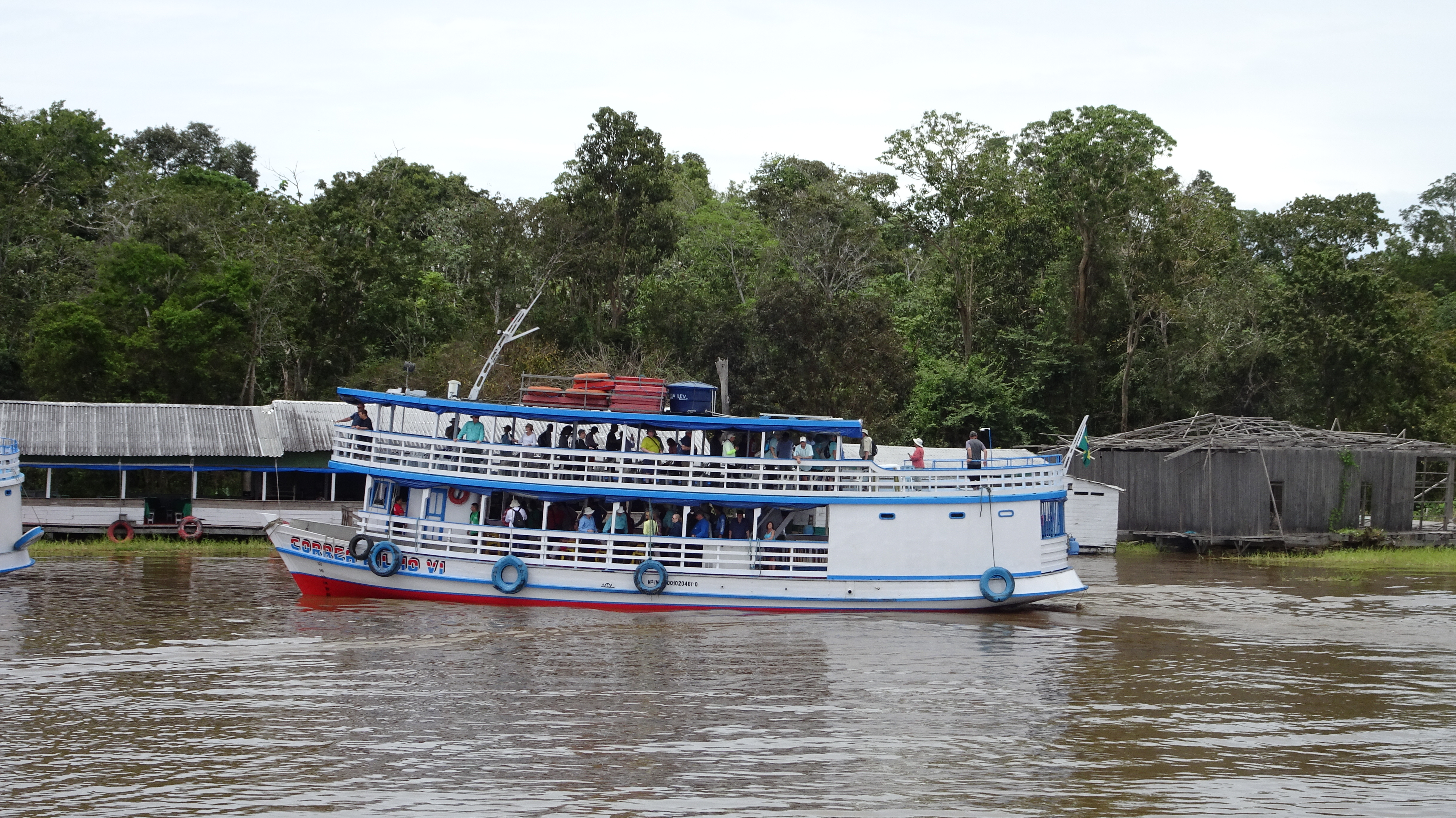
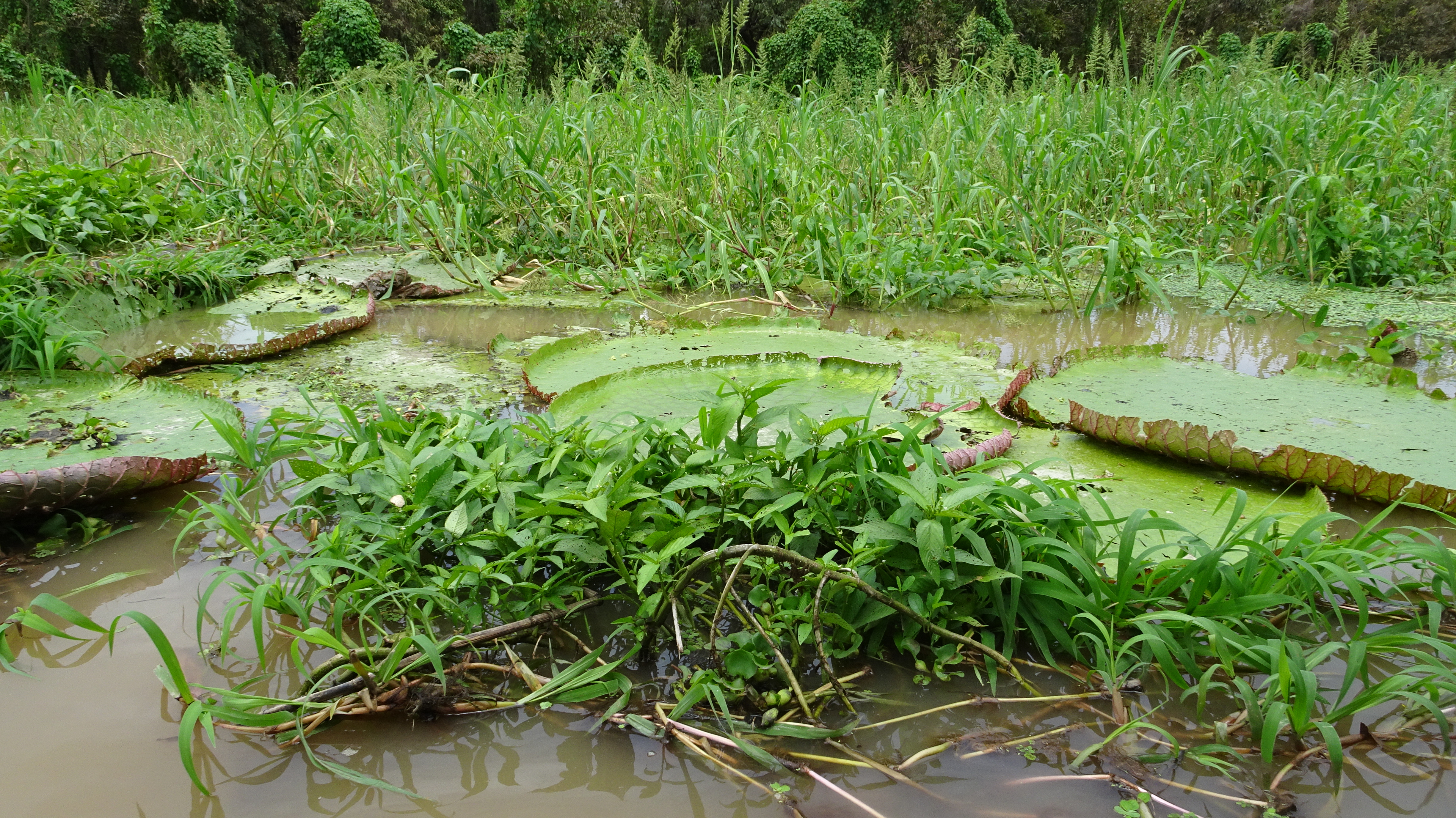
Since we were in Manaus for two days, we had a chance to have several experiences. First, we took a riverboat to January Lake, an eco-reserve, where we sped through the grasses in a motorized canoe to see the giant water lilies. We hoped to see wildlife, but other than a few egrets, we saw none. On our way back to the port, we were treated to “the meeting of the waters,” where the dark water of the River Negro reaches the murky brown of the Amazon and travels that way for six kilometres before mixing.
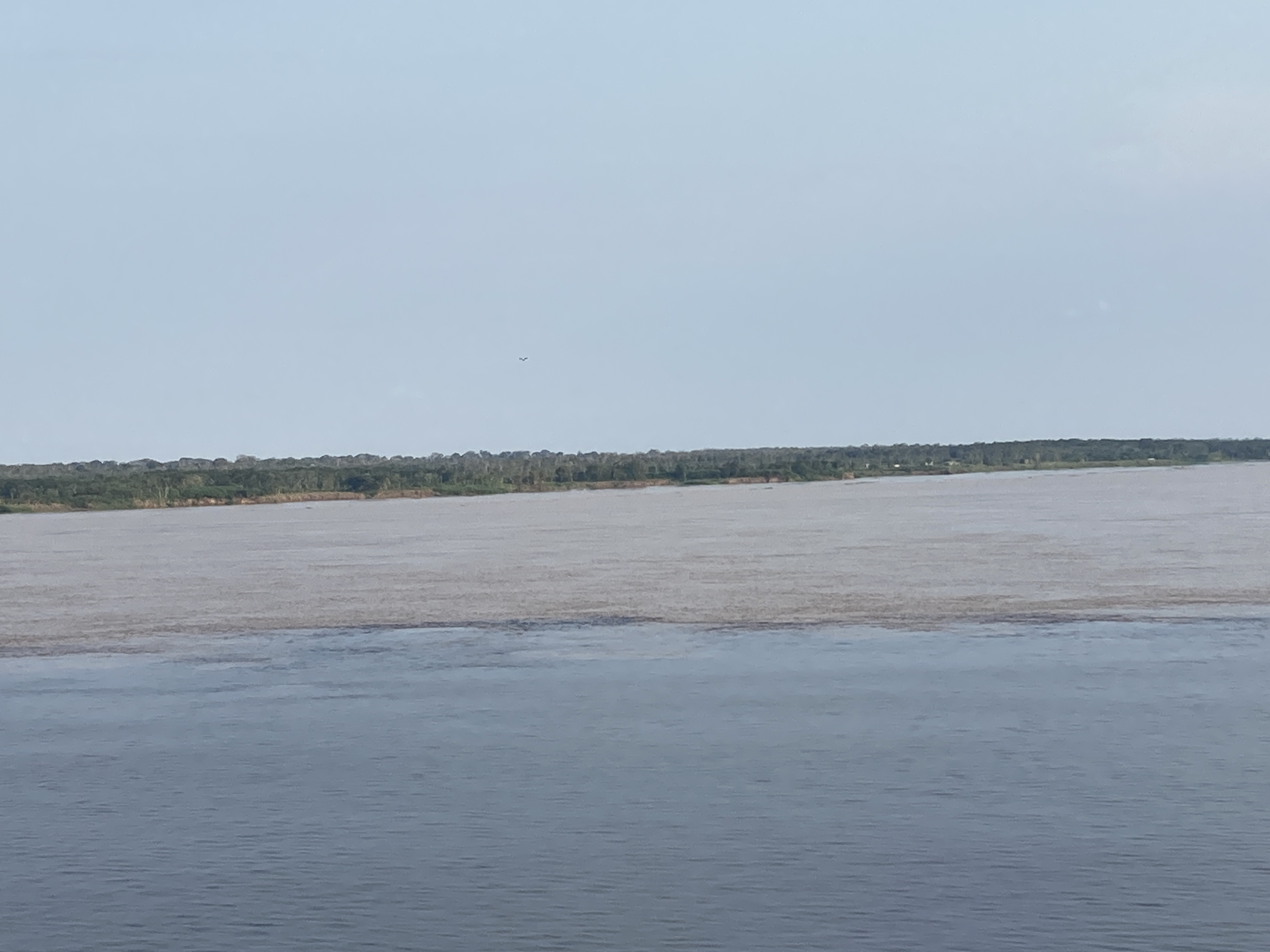
The ‘meeting of the waters” where you can clearly see the demarcation between the water of the River Negro and the Amazon River

Differences in temperature and composition keep them apart for that distance. It was an interesting phenomenon.
The following day, we toured the city on foot by ourselves. It would have been easy to get lost among the myriad streets where vendors sold everything from Chinese-made cosmetics to housewares and clothing to (obviously stolen) smartphones. We were told to keep our valuables hidden and our phones close to the body. We did.  
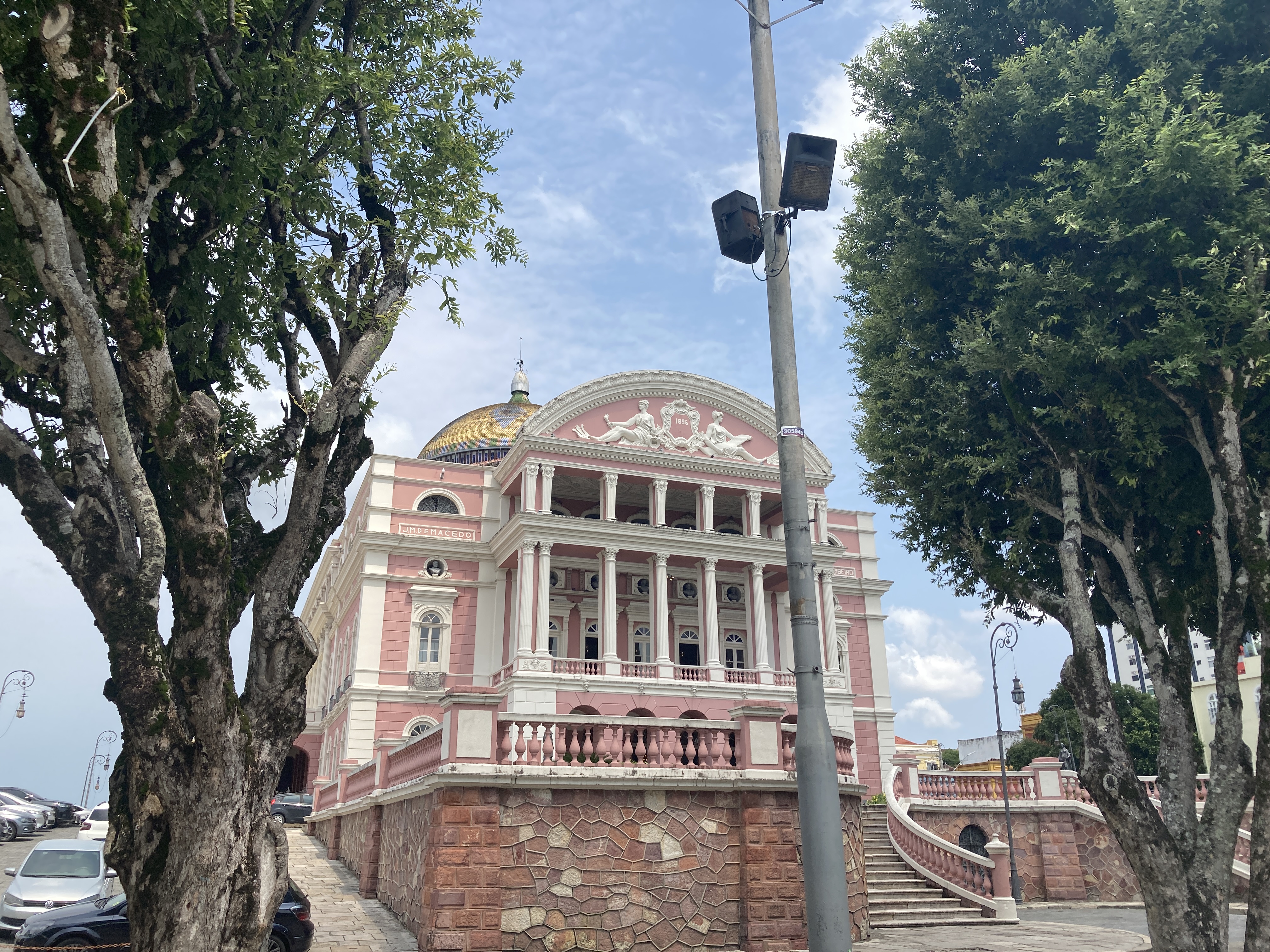
Opera House in Manaus

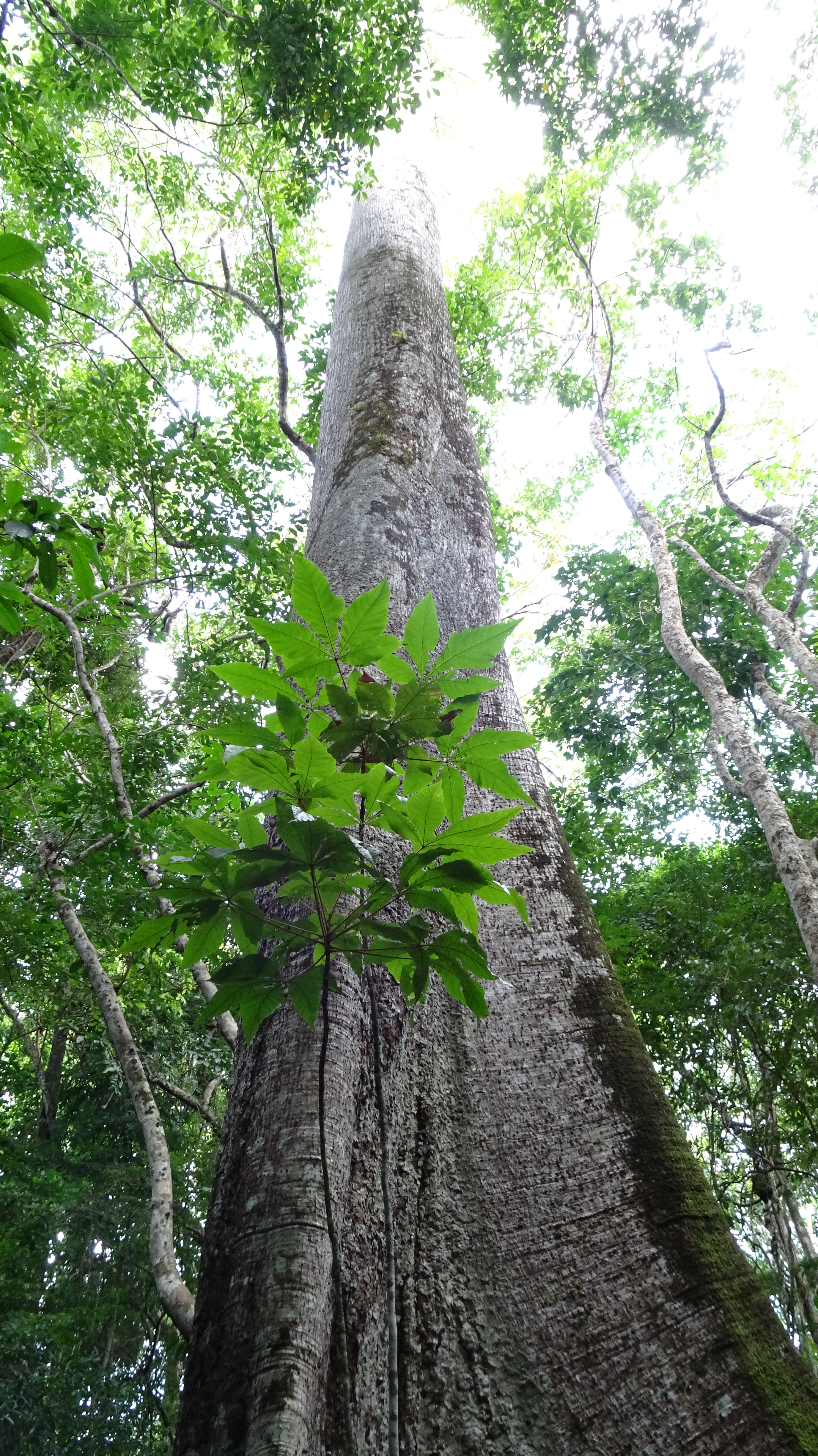
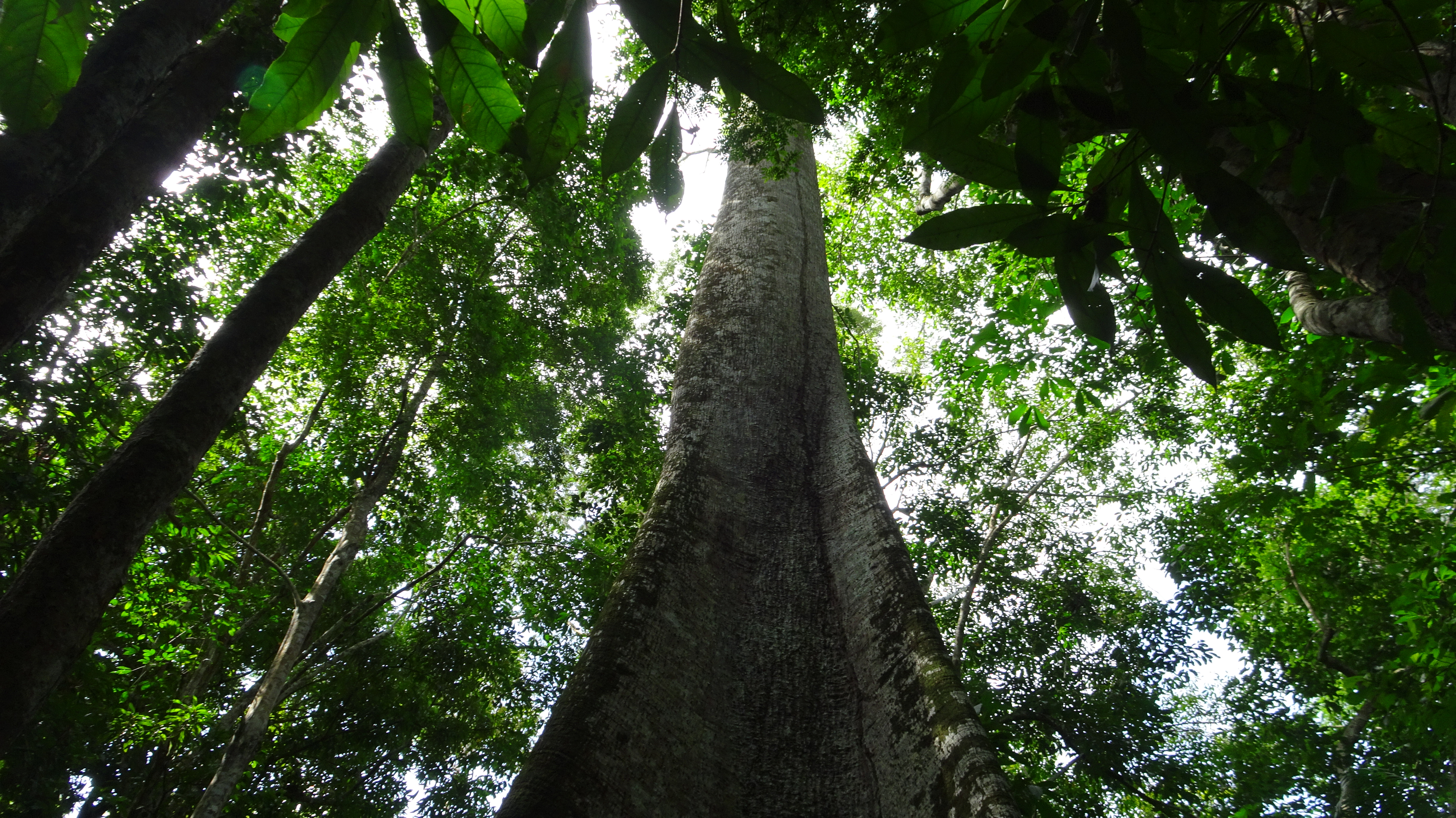
On our way back out of the river, we stopped at the port of Santarem. There, we boarded a rattle-trap repurposed (but not refurbished) city bus with no suspension or air conditioning for the hour-and-a-half drive to the Tapajos Rainforest. Once there, we made our way into the rainforest on foot for an hour-and-a-half hike. It was incredible and worth dodging the extraordinary volume of ants. Again, we saw no wildlife, but we learned how rubber is harvested from rubber trees.
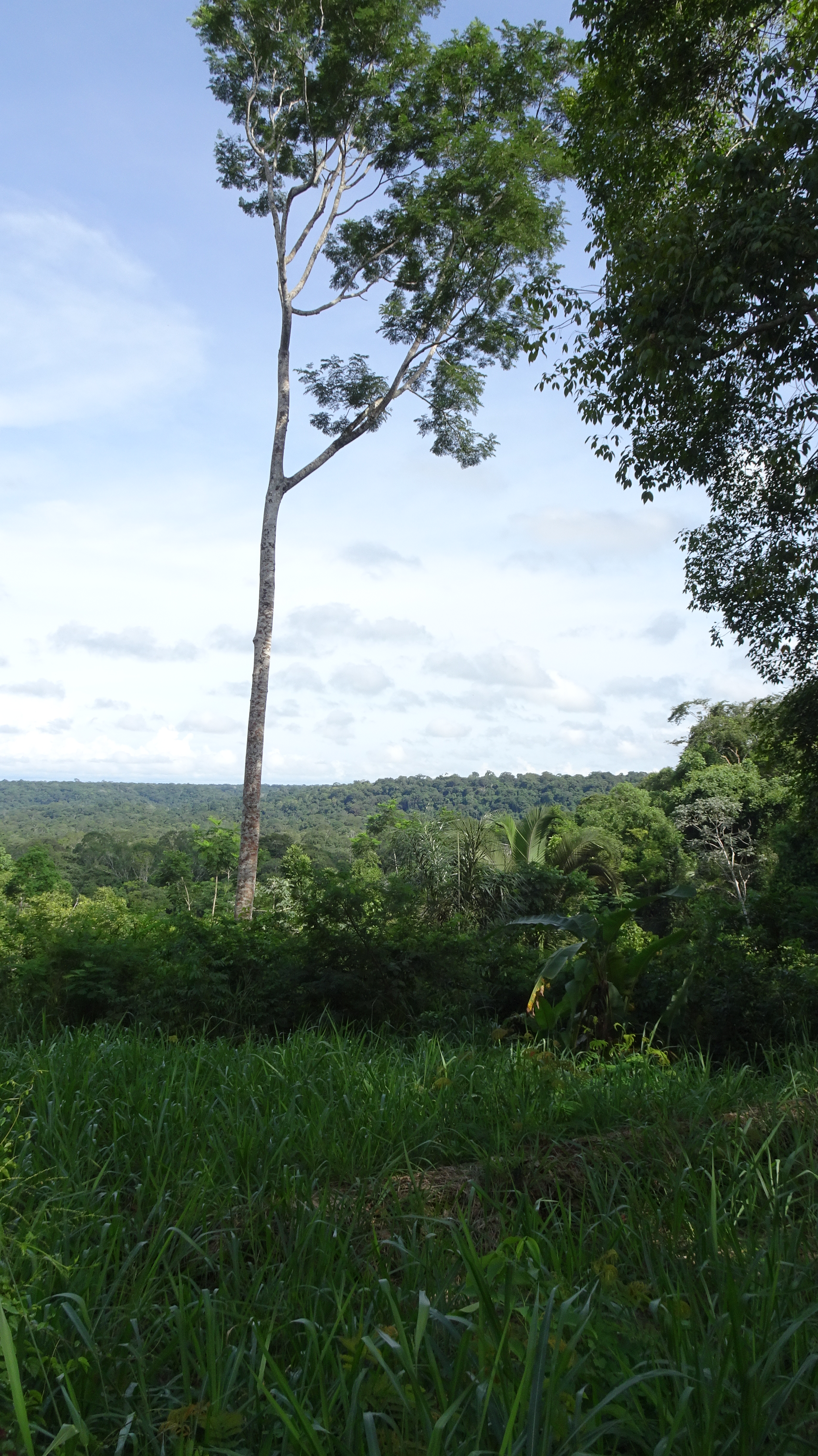
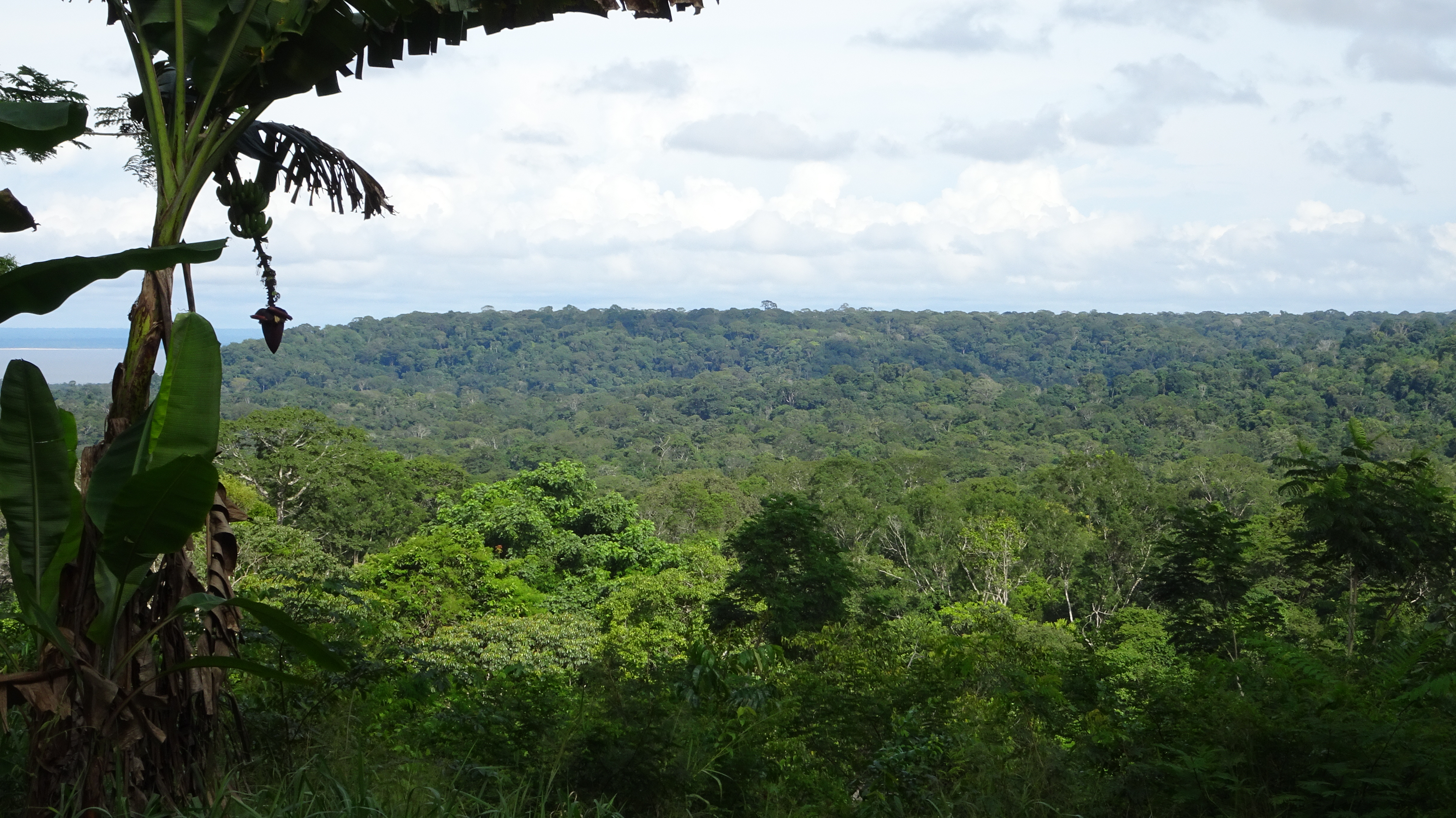
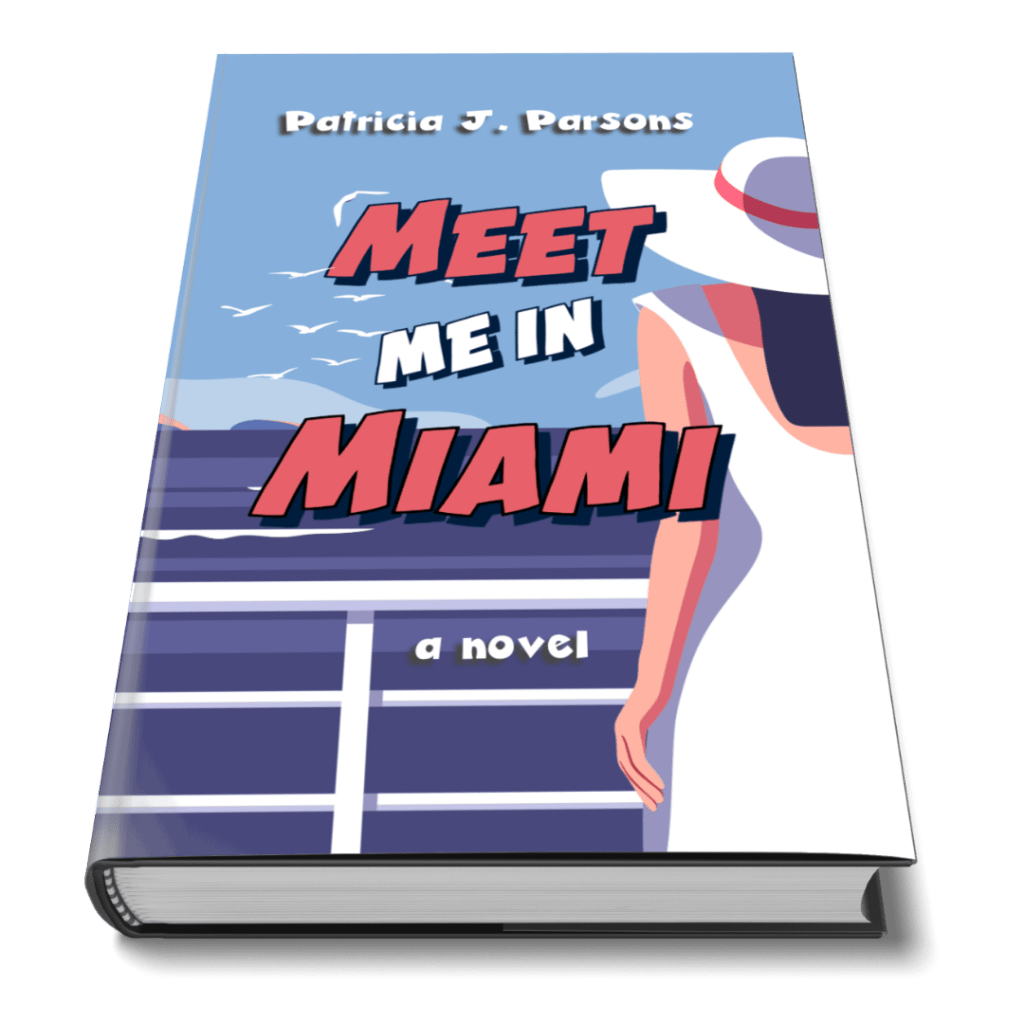
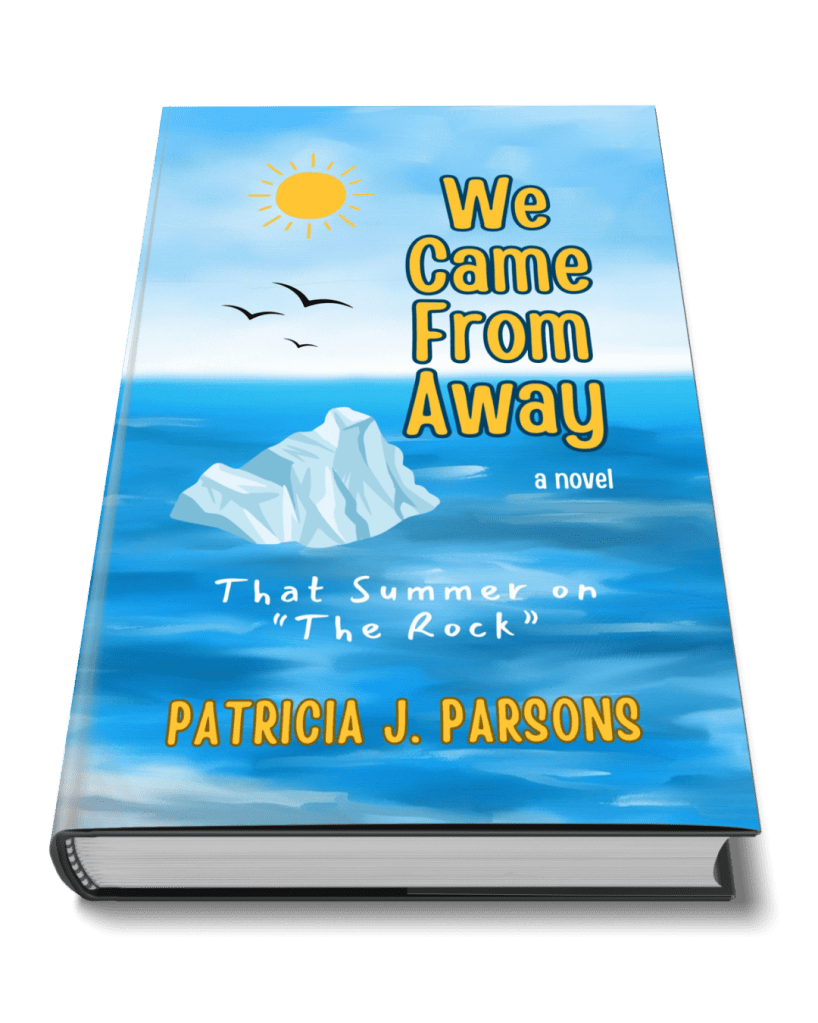
The experience was nothing if not inspirational. In fact, when we got home, Patty began writing the sequel to last year’s book We Came from Away. If you were to pick up Meet Me in Miami, you’d get the luscious details of that Amazon River cruise—armchair travel at its best, along with a story of second chances for the characters.
Oh, and you can get an even greater sense of it by watching our video. Happy travelling.  
Doing it Again: A Private Boat Charter

Doing it Again: A Private Boat Charter

There’s something a bit romantic about the notion of spending the winter sailing around the Caribbean, dropping into sailors’ havens that dot the islands. The reality of it can be far less romantic if you aren’t a seasoned boater who loves the confined spaces of a boat for long stretches of time. There are other ways to do it, though.

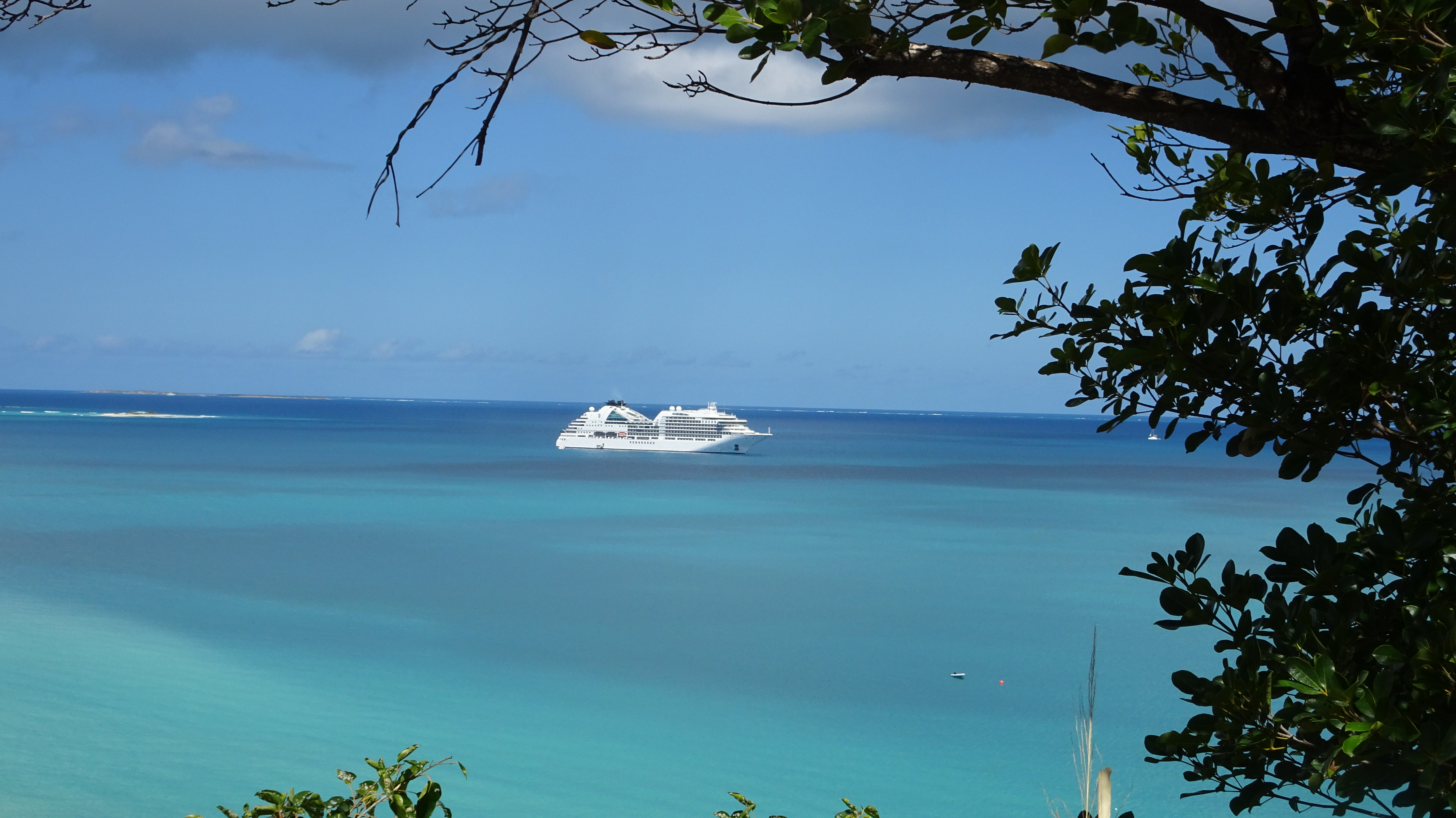
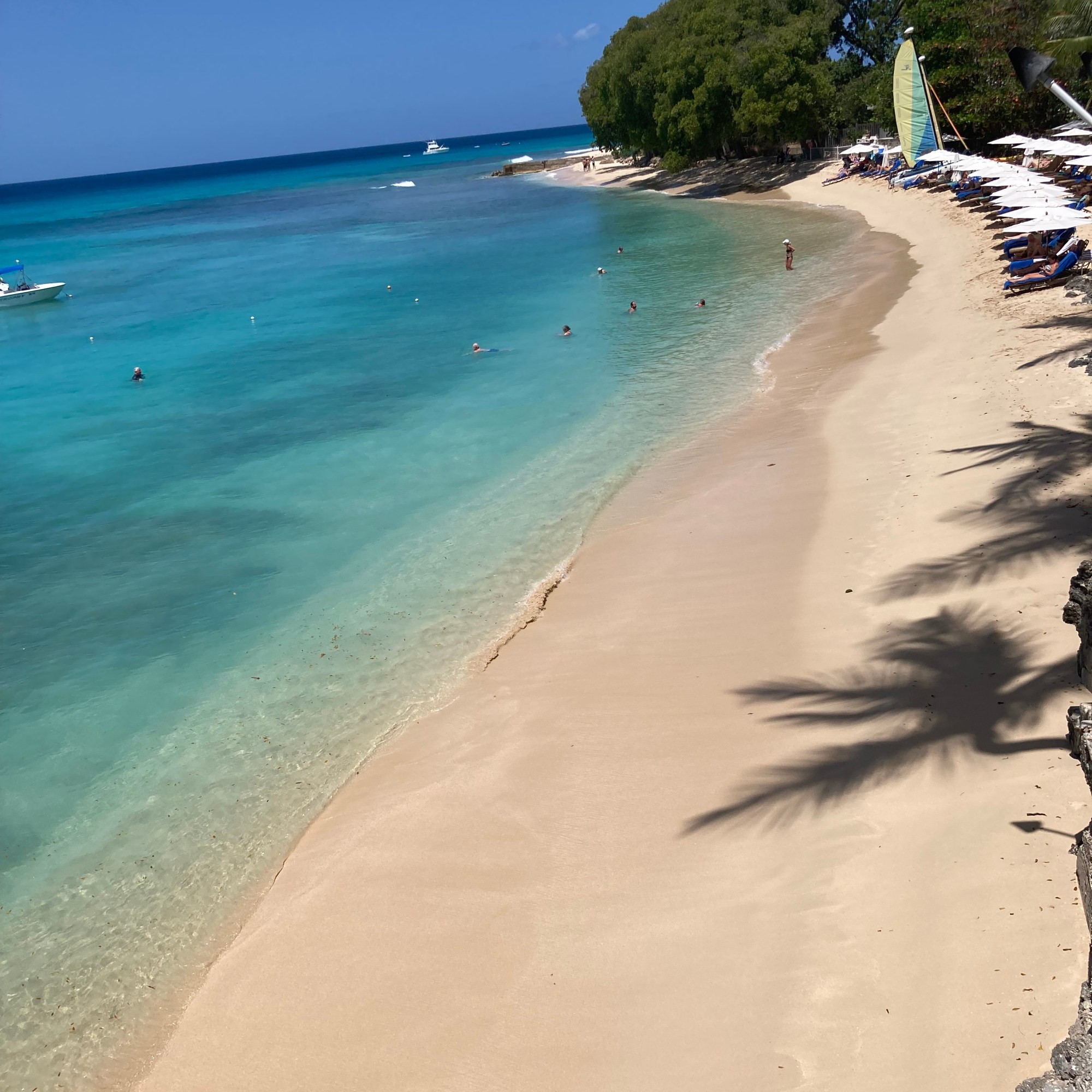
We recently spent a few weeks in the Caribbean—a few days in Barbados, a fourteen-day Seabourn yacht-harbour cruise, then a few more days back in Barbados. The Seabourn “yacht” allowed us to see yacht harbours that larger ships can’t go to, all while enjoying the lifestyle of a luxury cruise ship.

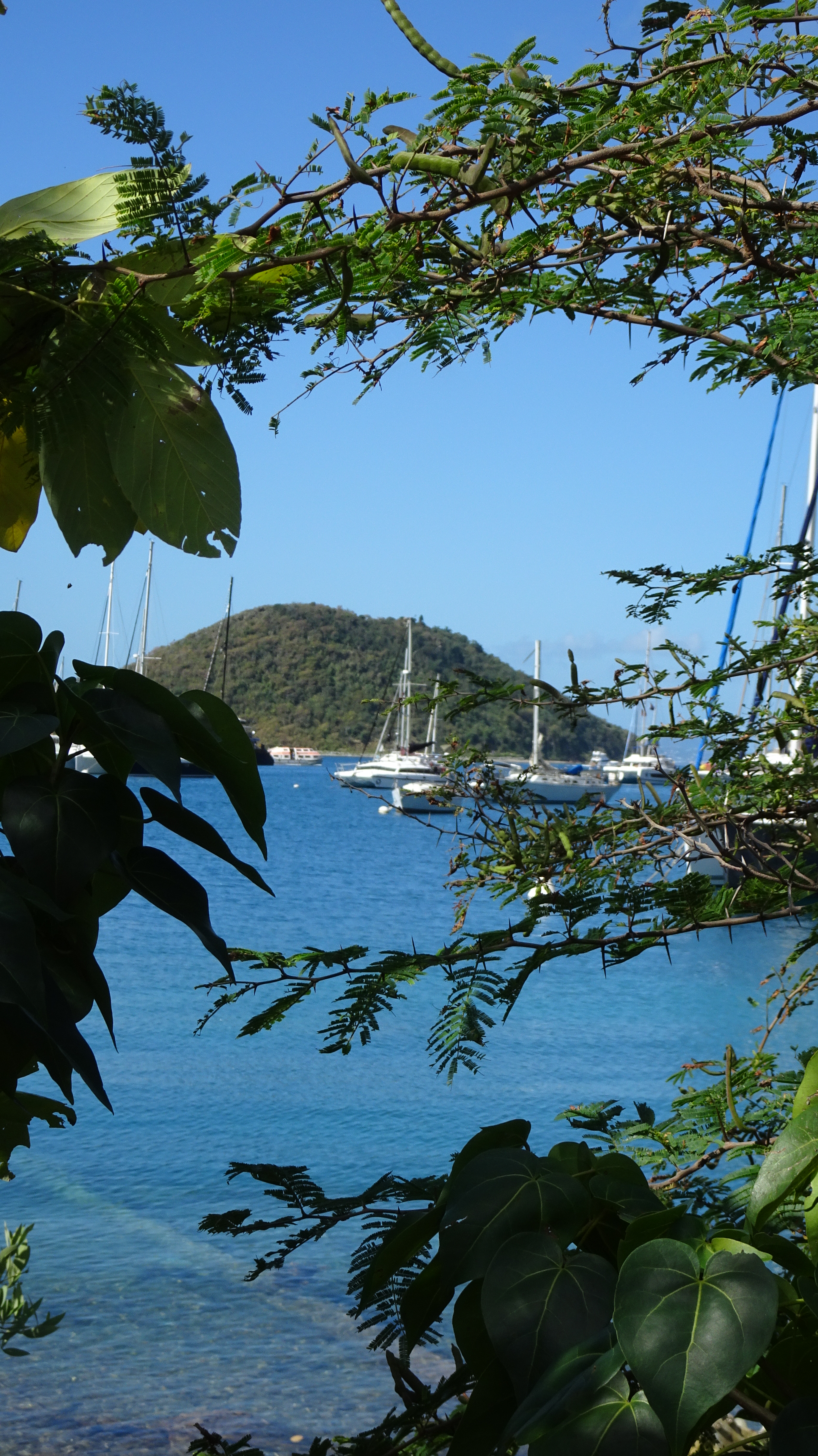
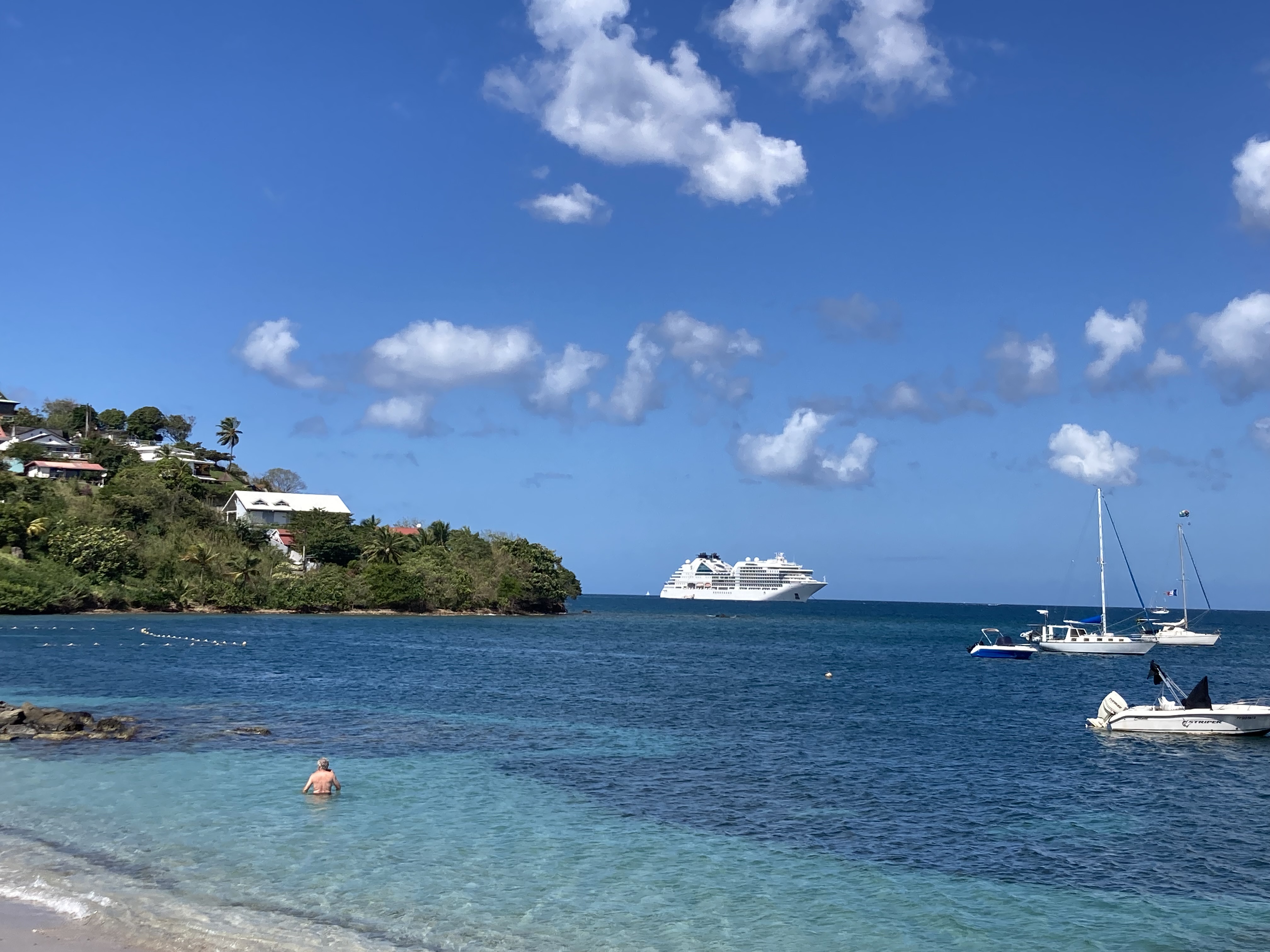
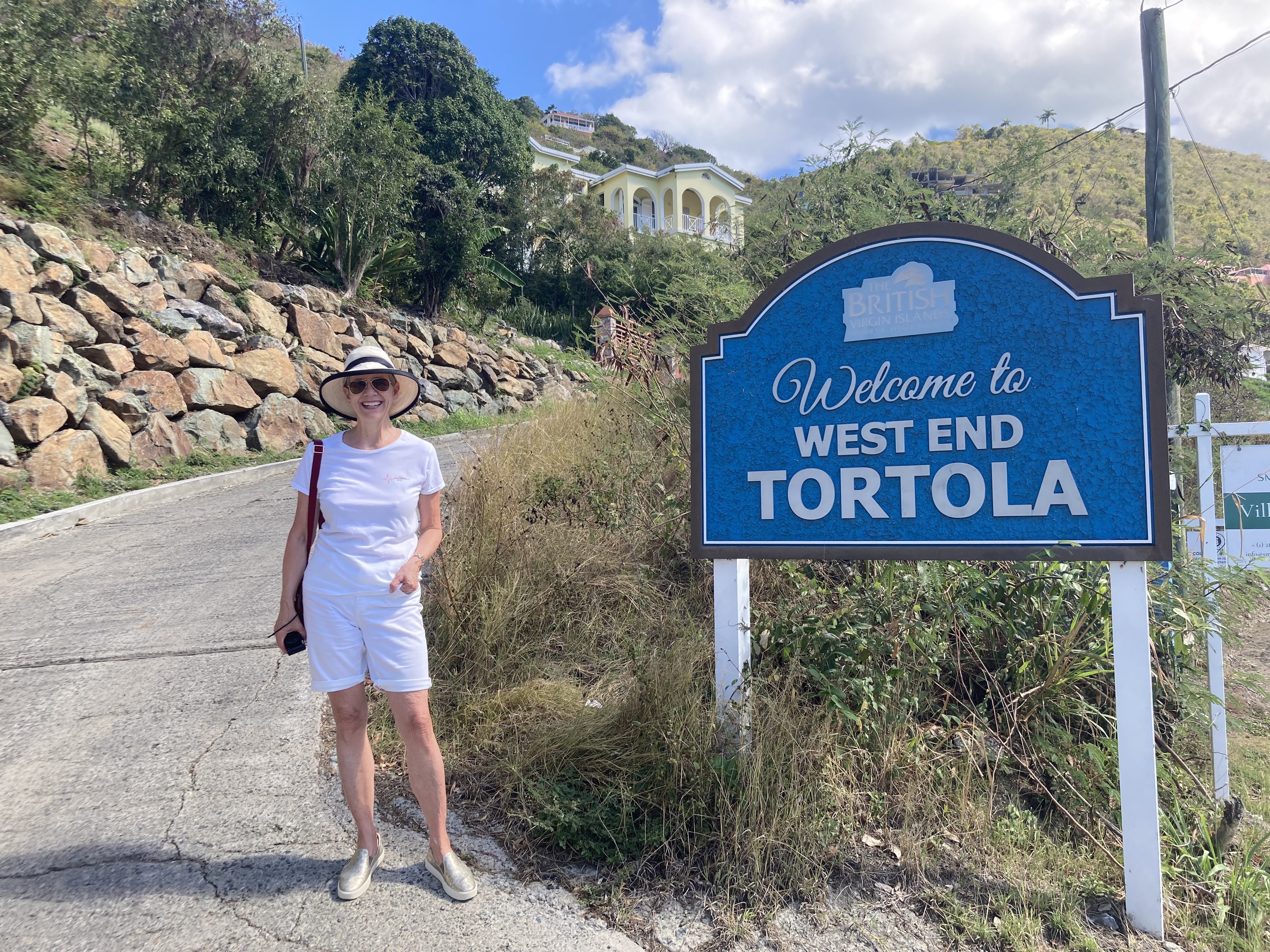
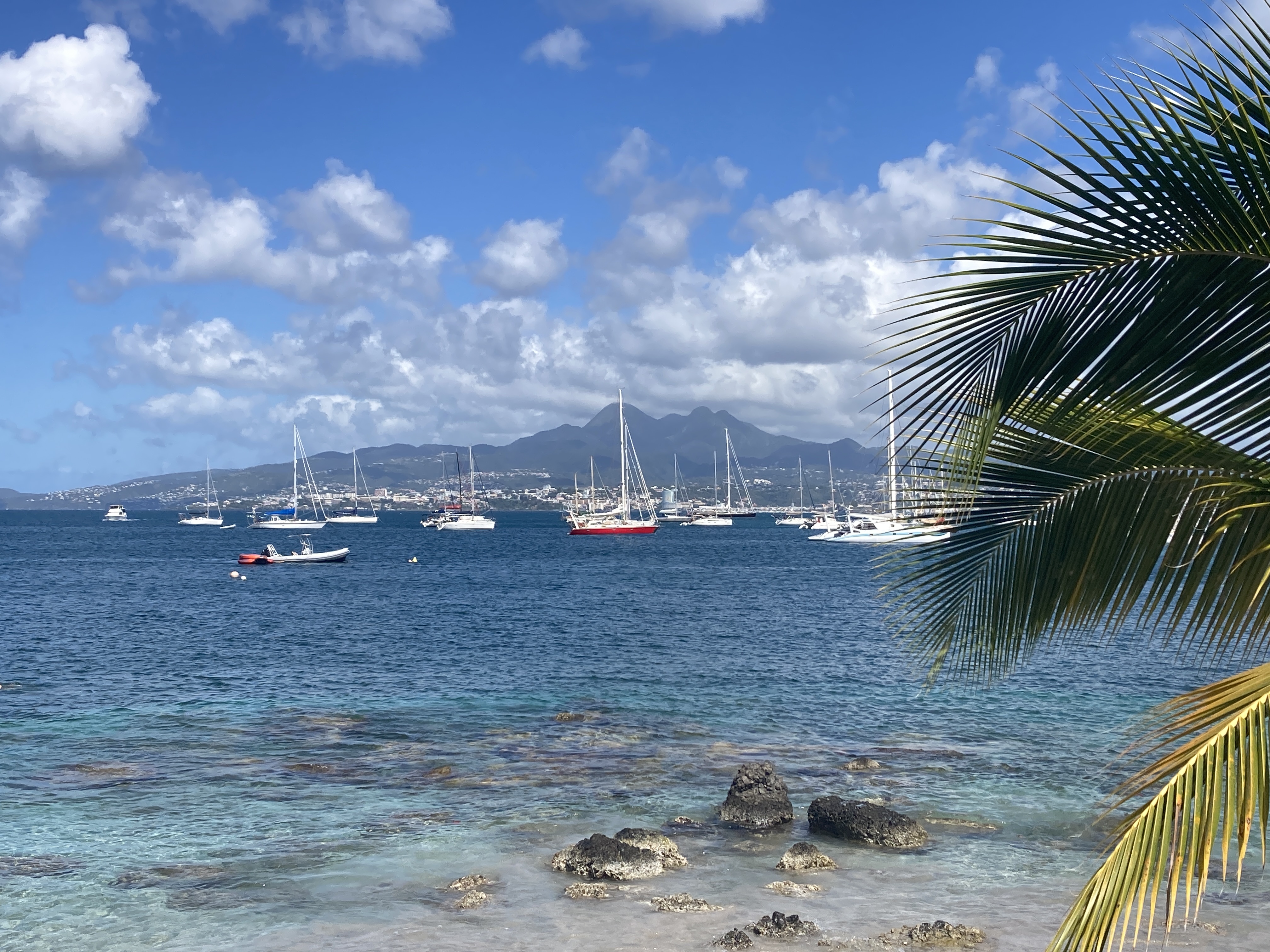
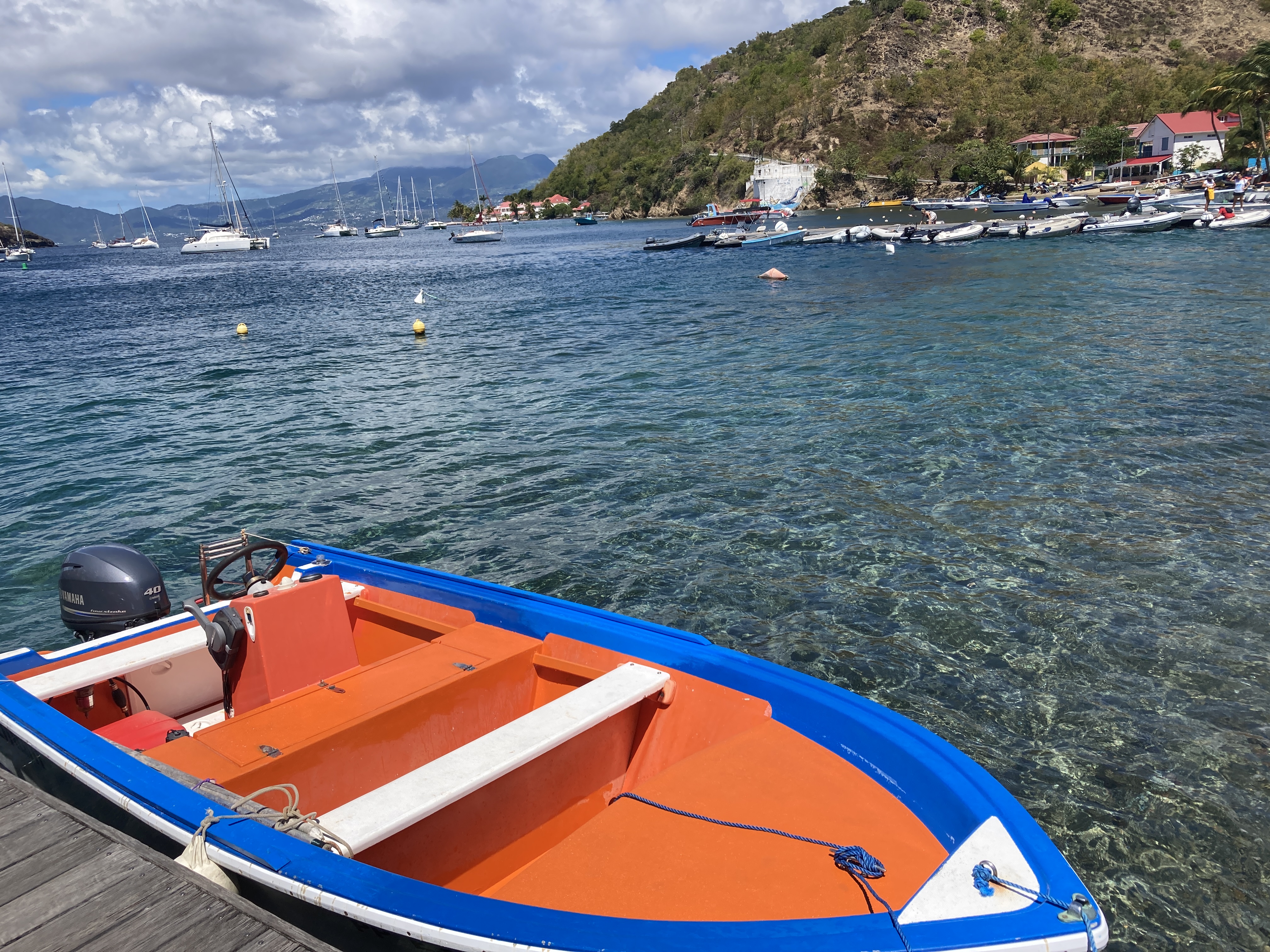
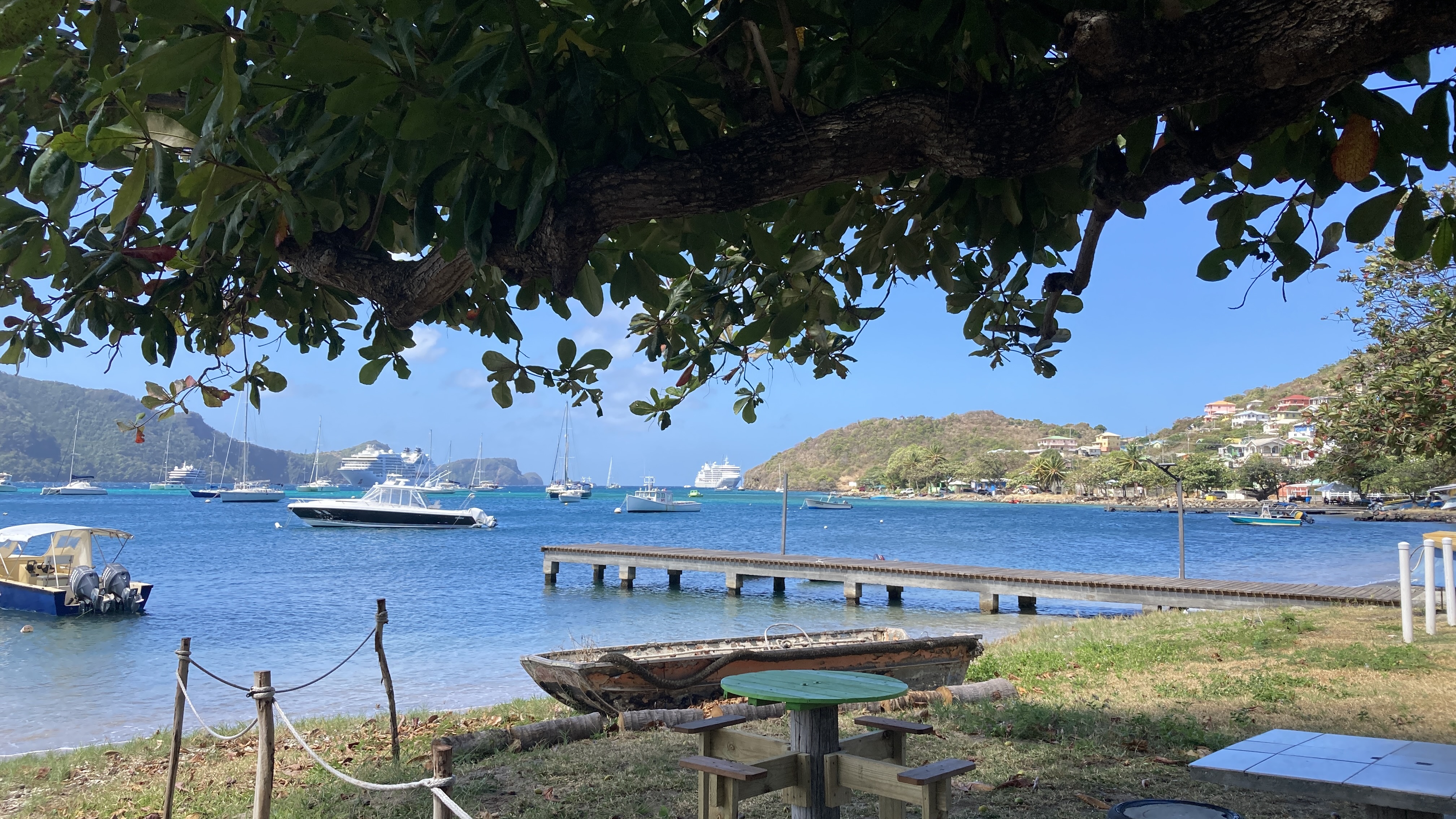
With only 296 passengers, the Seabourn Ovation anchored off places like Soper’s Hole in the west end of Tortola BVI, Trois Ilets in Martinique and Terre-de-Haut, Iles des Saintes in Guadeloupe, all places larger ships can’t even go near. But we still wanted that private yacht experience.

We’ve done it before, and we’ll do it again. We’ve done private charters in the past: private boats in Florida, St. Lucia, St. Martin, and the French Riviera. And even a private plane charter from Barbados to St. Lucia last year—an experience to remember. And we did a charter again this year.

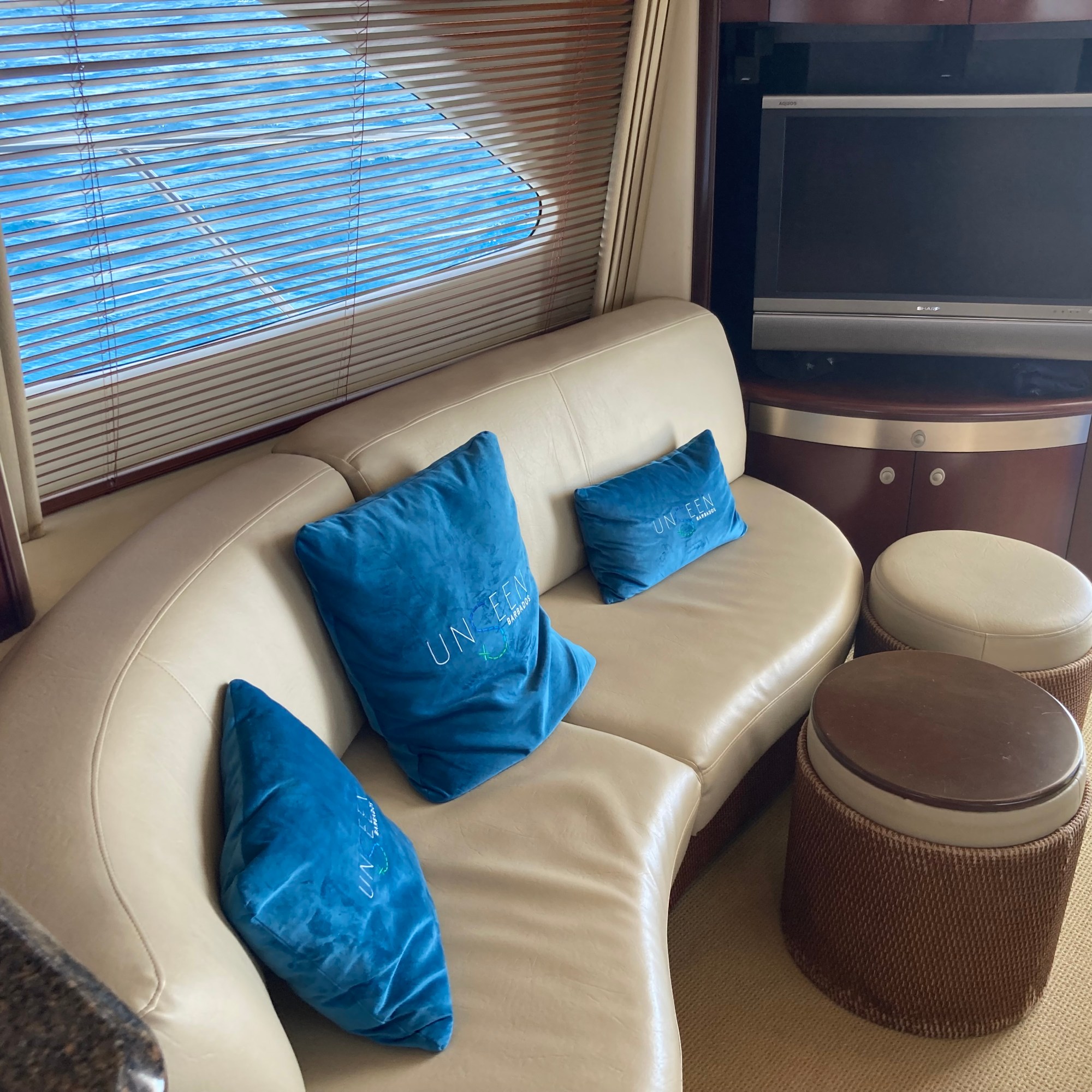
While in Barbados, we enlisted the help of the young concierge at Waves Hotel and Spa (a Marriott property) to find the perfect charter. He came through for us with a half-day charter from Unseen Barbados.

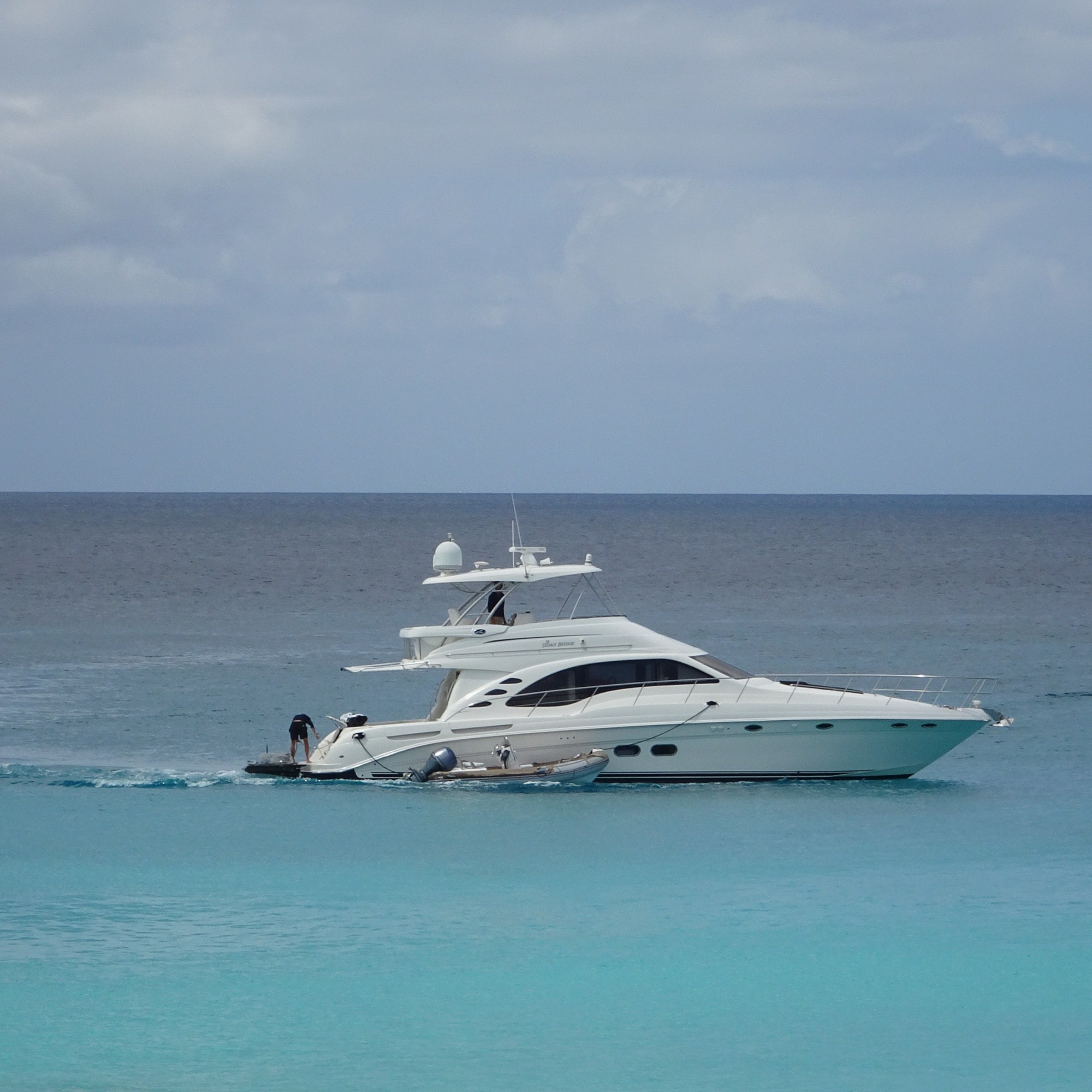
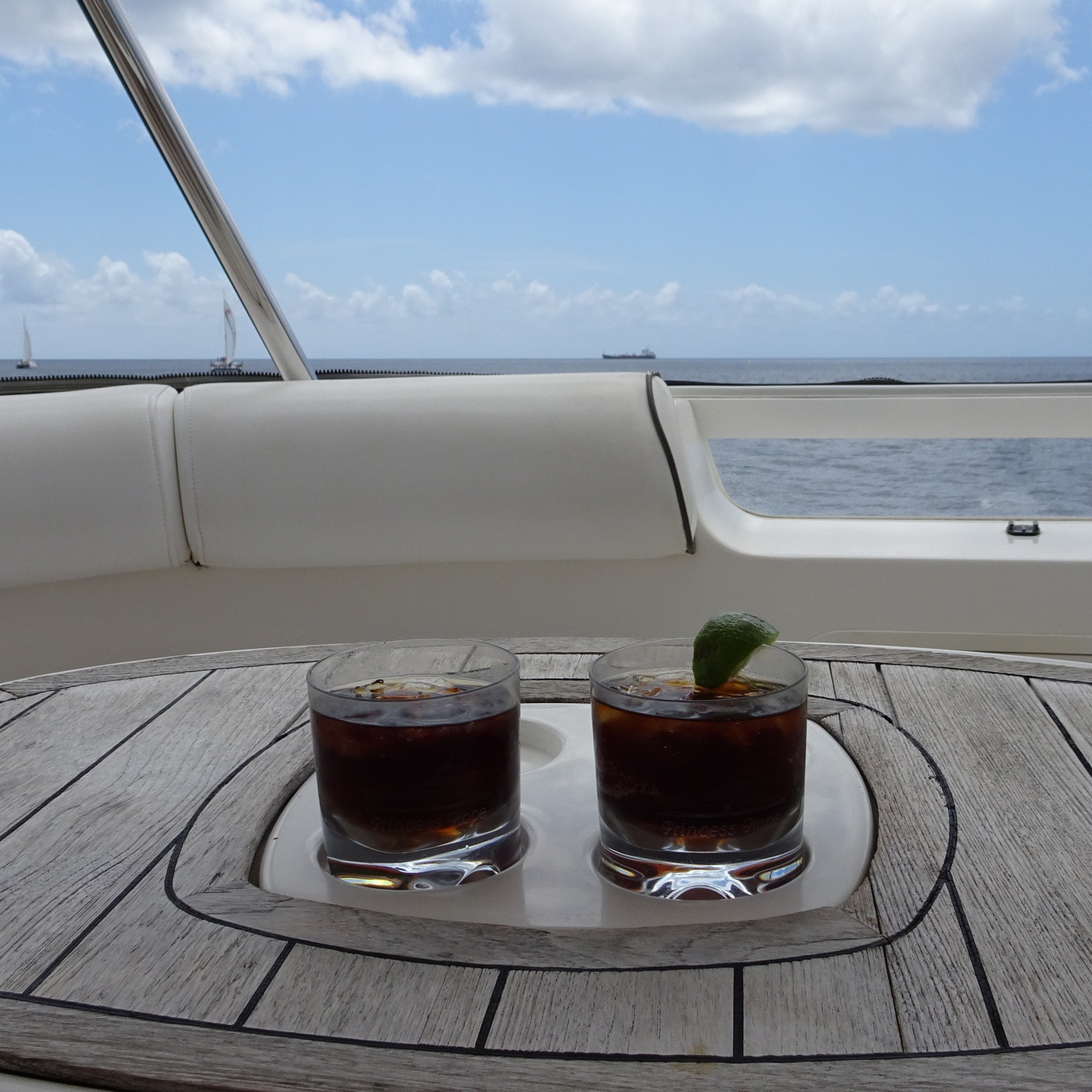
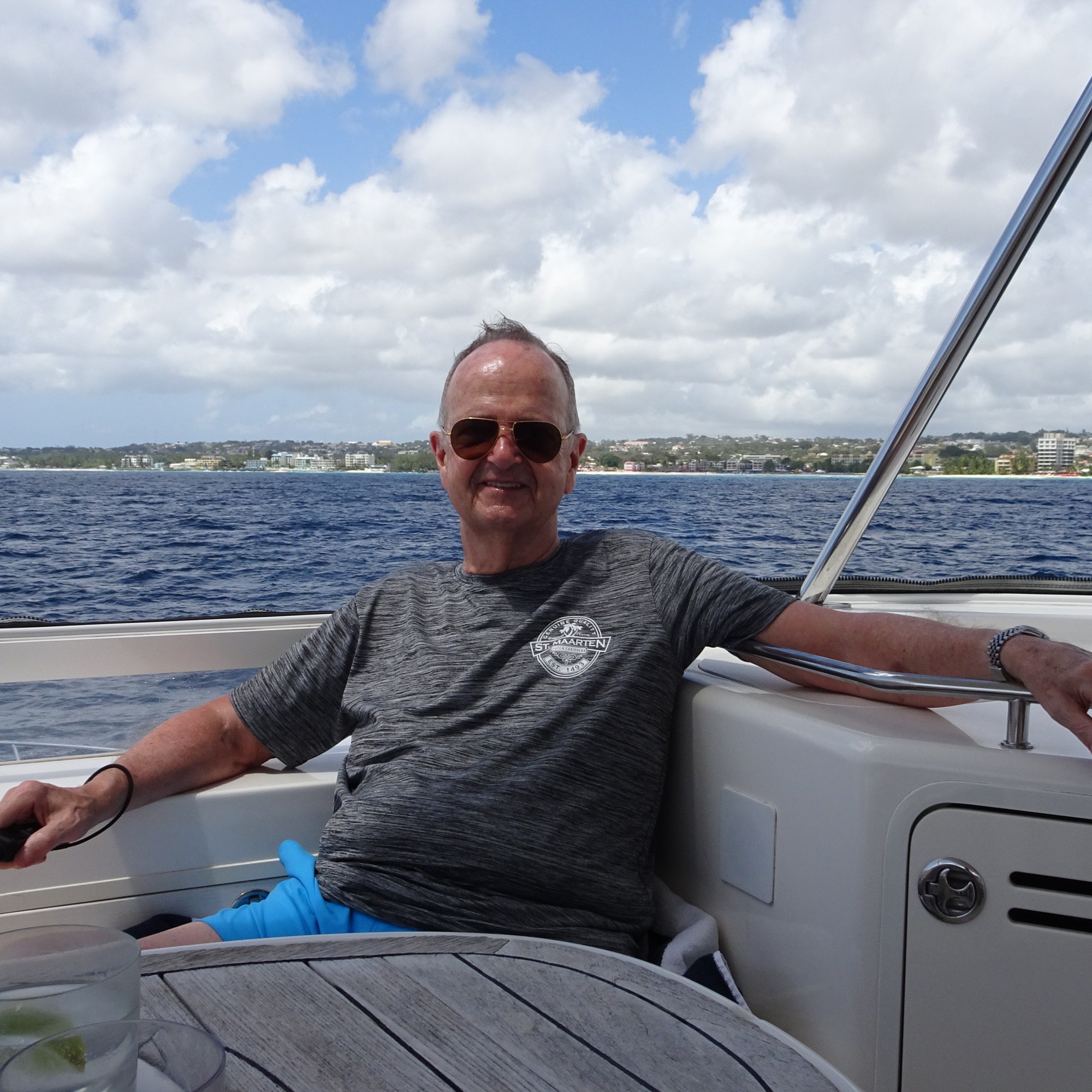
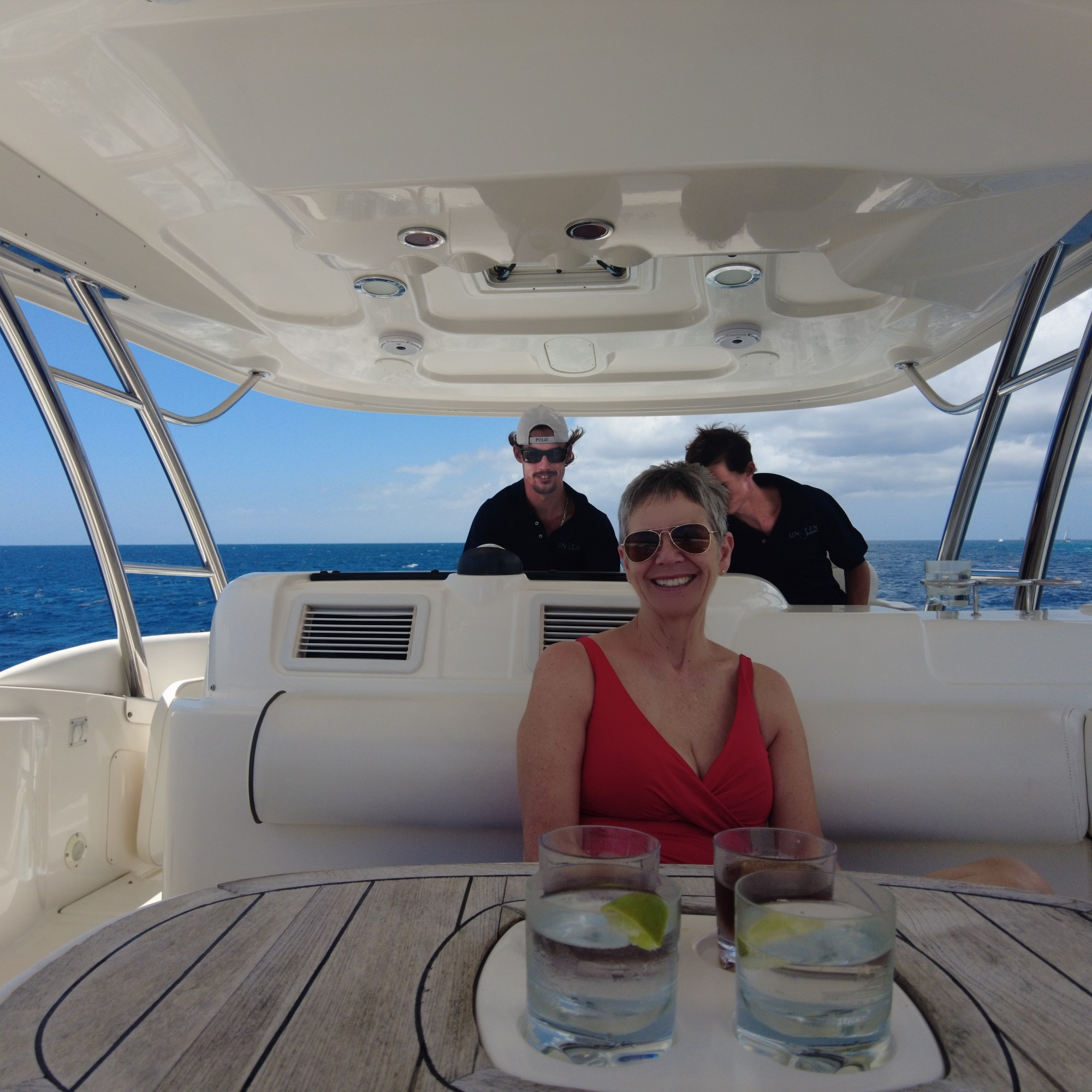
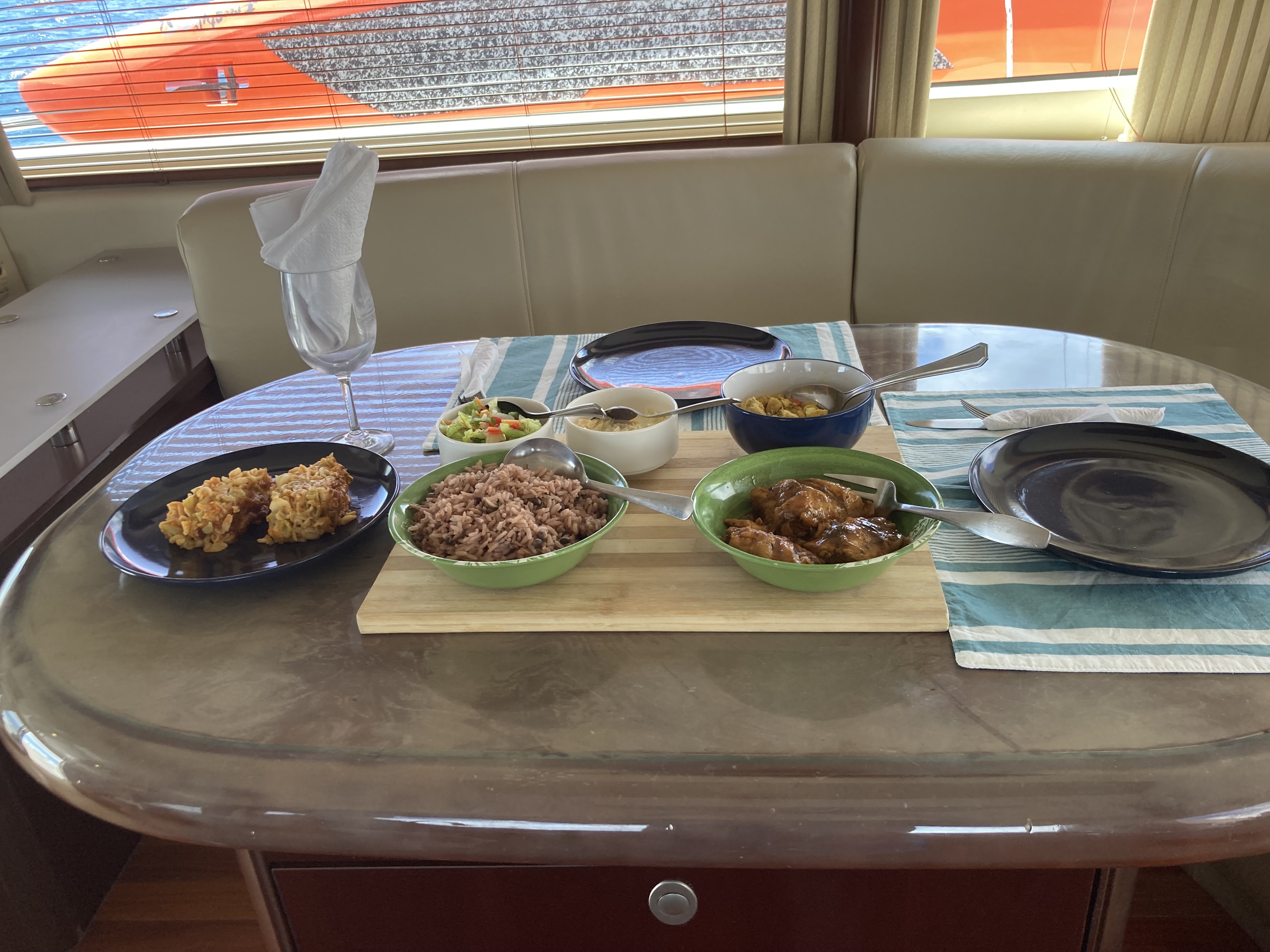
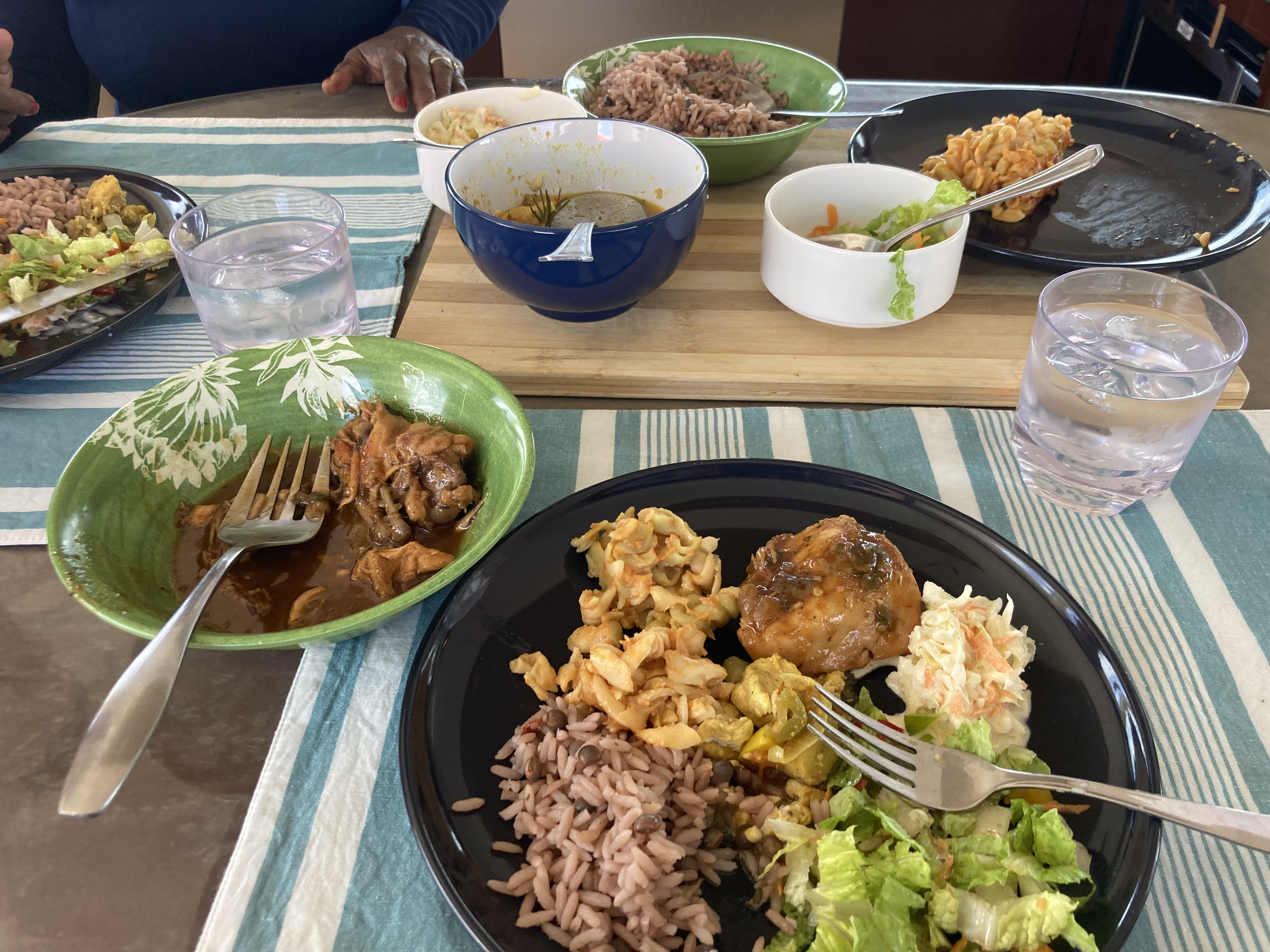
The boat was called Princess Hope, a 58-ft Sea Ray yacht for just the two of us. (It can take up to 14 passengers.) The boat did a beach pick-up for us at our hotel—two crew members came ashore with the tender and motored us out. Onboard, the third crew member, a lovely woman with local culinary talents, had laid out a charcuterie board and told us lunch would be ready whenever we wished to eat. The captain took to the bridge, his first mate poured us rum and coke, and we were off to explore the island’s southwest coast.

The boat was truly lovely, and the captain and first-mate, Barbados-born and bred brothers, had the island in their veins. They were personable and polite to the core, knew every nook and cranny of the coast we motored by, and were more than willing to go wherever we wanted. Evidently, most passengers prefer the northern route because it’s calmer. We’d done that before, and since we’re pretty seasoned boaters, we preferred the road less travelled—so to speak!

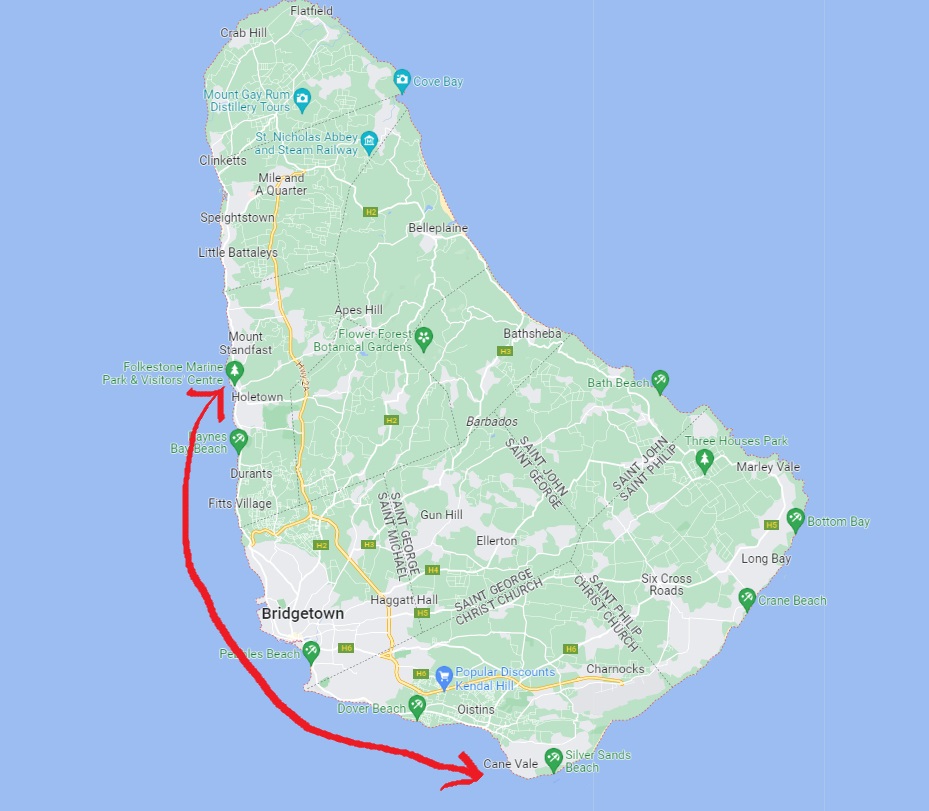
The route took us south along the Platinum Coast of the island, past Bridgetown, to the Oistins area, the village best known for its Friday night fish fry.

We turned and made our way back toward Payne’s Bay Beach after a terrific authentic Barbadian lunch on board and a few more rum drinks!

The best thing about a private charter is that it is truly personalized. We have control over the itinerary without catering to the whims of other passengers or even the guide. This experience was one for the memory books as we look forward to our next private adventure. Newfoundland, here we come!

Now join us on the water!

(Almost) Live from Hong Kong

Among the vagaries of using cruise ships as transportation is the fact that satellite internet is notoriously fickle. We left Hong Kong several days ago and published a brief post about our wonderful private tour with a Tours-by-Locals guide. Unfortunately it never did get posted and the draft went missing. However, although we’ll tell a more in depth story when we regroup at home later in May, it needs to be said now that there is no better way to see a city than with a private guide.

We taxied up to Victoria Peak, traveled down by funicular, rode the subway to Kowloon, explored traditional markets on foot, enjoyed the local bus system in the pouring rain, rode the Star Ferry back to Hong Kong Island, and ate dim sum for lunch with the local population. All of this was because we had Jacky to lead the way.

The city of Hong Kong was so much more than we could even have imagined…and all in a good way! So much more to tell…

A Singular Travel Experience: Transiting the Panama Canal

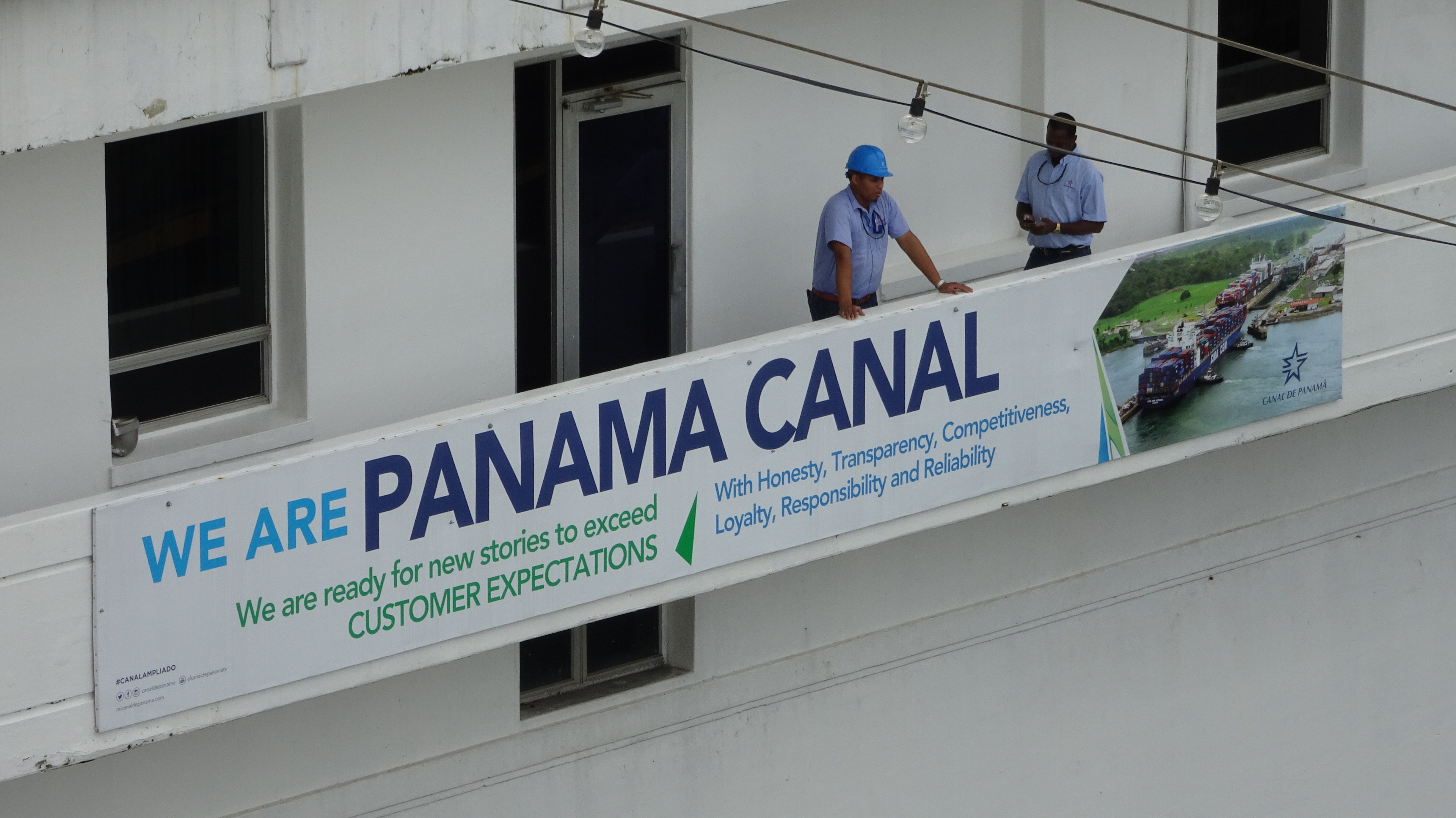
DSC00394Listed as one of the “1000 Places to See Before You Die” in the book of the same name, the Panama Canal also stands as one of the seven wonders of the modern world” – man-made engineering feats that are testimony to the ingenuity and capabilities of modern men and women (among the others are the Channel Tunnel between the UK and France, the Golden Gate Bridge and Toronto’s own CN Tower to name a couple). All of that aside, transiting the Panama Canal has been on our personal “bucket list” for a very long time. We finally did it and it was impressive.
So, why is sitting aboard a ship as it makes its way from the Caribbean Ocean through a series of locks, one large and one small artificially-created lake, a canal and another set of locks such a memorable experience? We’re not really sure it’s a logical thing, but the experience of the transit was just as good as thinking about it for years in advance. And initially, it’s really all about the planning.

With the idea of transiting the canal in our minds, we embarked on a search to find the best route to get there. It would have to be on a cruise ship, we knew for sure. First there are those cruises that don’t actually transit the canal all the way from the Caribbean to the Pacific. They usually enter the Canal from the Caribbean side, make their way into Gatun Lake, the largest of the two man-made lakes, cruise the lake for a few hours and then go back through the Caribbean side locks to carry on a Caribbean cruise – a “partial Transit” as it is known. We wanted to go all the way through.

Panama Canal Map cropped
The map our on-board lecturer provided – we think it came from Wikipedia

There are lost of cruises that begin in Florida – Fort Lauderdale or Miami – visit an island or two, transit the canal, visit a port or two in Mexico and then end in Los Angeles or even San Diego. We aren’t that stuck on Mexican ports, and had been to LA last winter. This approach would not have permitted us a real travel experience to see new places. So, it would have to be a canal transit that then turned southward upon exit. Enter the Silversea Silver Muse’s inaugural season, picking up passengers in Florida as it continued its way south and around the far southern tip of South America. That’s where we jumped on. So, you see, selecting a cruise for us is not focused on the cruise line or the ship per se. It’s not the cruise that’s the draw: it’s the itinerary.

our lecture
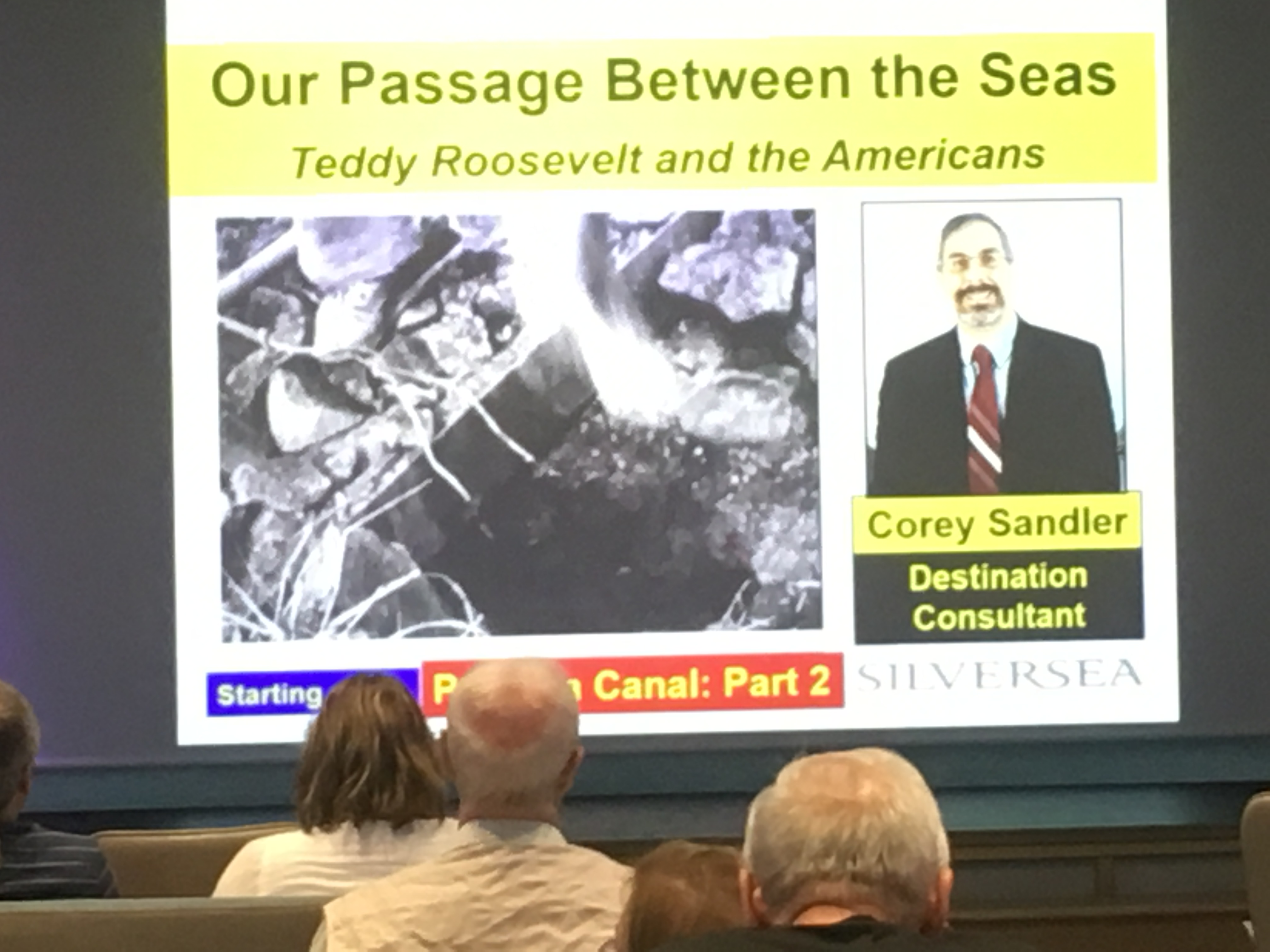
Attending Corey’s lecture

When we boarded the ship (more about the ship itself in due course), we found we had lucked into a wonderful on-board lecturer experience. Silversea, to their credit, does offer an on-board enrichment program that provides in-depth information about the ports visited. For us, this was a very important feature on this itinerary since we were completely in the dark about places like Manta, Ecuador and Pisco, Peru (among others) before we embarked on this journey. Former journalist and on-board lecturer Corey Sandler made the entire cruise so much more consequential, and never more so than on the day we transited the canal. One interesting piece of trivia we learned from him is the price ships pay to transit the canal. Our online research suggested that many commercial ships pay around $30,000 (USD) for a transit. Corey told us that Silversea was paying over $150,000 for this one trip! That will add to the price of a cruise!

About two days before, we attended his lecture that provided us with the history and geography that made the transit so much more meaningful. The complete transit is 77 kms (48 miles) from one ocean to another and took over 75,000 workers more than 10 years to complete – finally reaching its completion in 1914. In simple terms, it elevates ships from the Caribbean part of the Atlantic Ocean (in the direction we were traveling) to a series of lakes and canals and across the continental divide in the middle of the isthmus, then down through another series of locks into the Pacific Ocean. It took us a full day.

We entered the first lock at 8 am just behind our sister ship the Silver Expedition that was on its way to the Galapagos Islands in the Pacific Ocean. We spent three hours on the very top deck where no one ever goes (except for the crowd on the day we transited the canal) in the blazing sun of Panama watching as we entered the first lock. Then the water from above poured in to raise the ship one level; we watched the gates ahead open, then close behind us to elevate us another level, then a third until we emerged in Gatun Lake.

DSC00357
We approach the first lock. We’ll follow the Silver Expedition into the lock on the right. You can see a large container ship heading our way on the left.

DSC00377

DSC00373

In Gatun Lake, dotted with islands which are really the tops of mountains rising above the level of where the area was flooded and surrounded by Panamanian jungle, we anchored for a few hours. We had to wait our turn to proceed through the canal into another small lake then eventually to the Pacific side locks where the procedure would be reversed.

During the transit through the locks, and every once in a while, throughout the day when something interesting was going on, Corey, our on-board lecturer who spent the day on the bridge with the ship’s captain, narrated the passage. Without that narration the experience would have been so much less.

After the first few hours we left the upper deck, we had lunch then ensconced ourselves on the stern deck of the Panorama Lounge with a Sea Breeze (or three) in hand to enjoy the afternoon in the lake. As we began our passage into the canal the sky, which had been threatening for several hours, finally exploded into a thunder storm, the rain pelting the deck as we watched from under the awning. We did some lightning-spotting and felt truly in a jungle as we watched the steam rising from the dense greenery on all sides. It was magical.

DSC00443
We were so much smaller than most of the ships we saw that day!

As we entered the final three locks, we watched from the stern for a bit then it was time to get ready for dinner. We finally removed ourselves from the Panorama deck and made our way to our suite where we turned the television on to the bridge webcam channel so that we could see ahead as we made our way out of the final lock, passing by Panama City, now glittering in the evening darkness.

Yes, it took from 8 am until after dark for the passage and we had a wonderful day knowing that we were benefiting from the blood, sweat and tears of thousands o workers who put their lives on the line – they dealt with accidents, jungle weather for which they were not prepared and most of all, malaria and other contagious diseases. The opening of the Panama Canal changed forever the destinies of a number of formerly major ports on the west coast of South America, a situation that would become even more obvious to us as we began our passage south to visit them.

If you have some time, and would like to see the transit as we experienced it, here’s our video…