A Private Tour of Newfoundland: The Only Way to Go!

A Private Tour of Newfoundland: The Only Way to Go!

Anyone who reads our travel stories knows we are fans of private touring. We’ve hired private tour guides in France, Turkey, Chile, Costa Rica, Ireland, and the list goes on. Why, then, would we do a Newfoundland tour any differently? Exactly!

This summer’s travel took us to the island of Newfoundland on Canada’s east coast. As it happens, Art was born in the province’s capital city, St. John’s, and lived there until he was seventeen, but he had never seen the western part of the island. Patty had been only to the Avalon Peninsula, where St. John’s is located. But we knew there was so much more to see. So, we embarked on some research to figure out who might be doing private touring in the area.

Of course, several companies in Newfoundland do group tours—the dreaded bus tour. That’s okay for someone who likes to travel in groups, but it is not our thing. We finally discovered that McCarthy’s Party, one of the largest tour companies in Newfoundland, would consider developing a customized itinerary, arranging accommodation along the way, transportation and a private guide.

So, after a bit of back and forth on the itinerary, we booked our tour and were off.
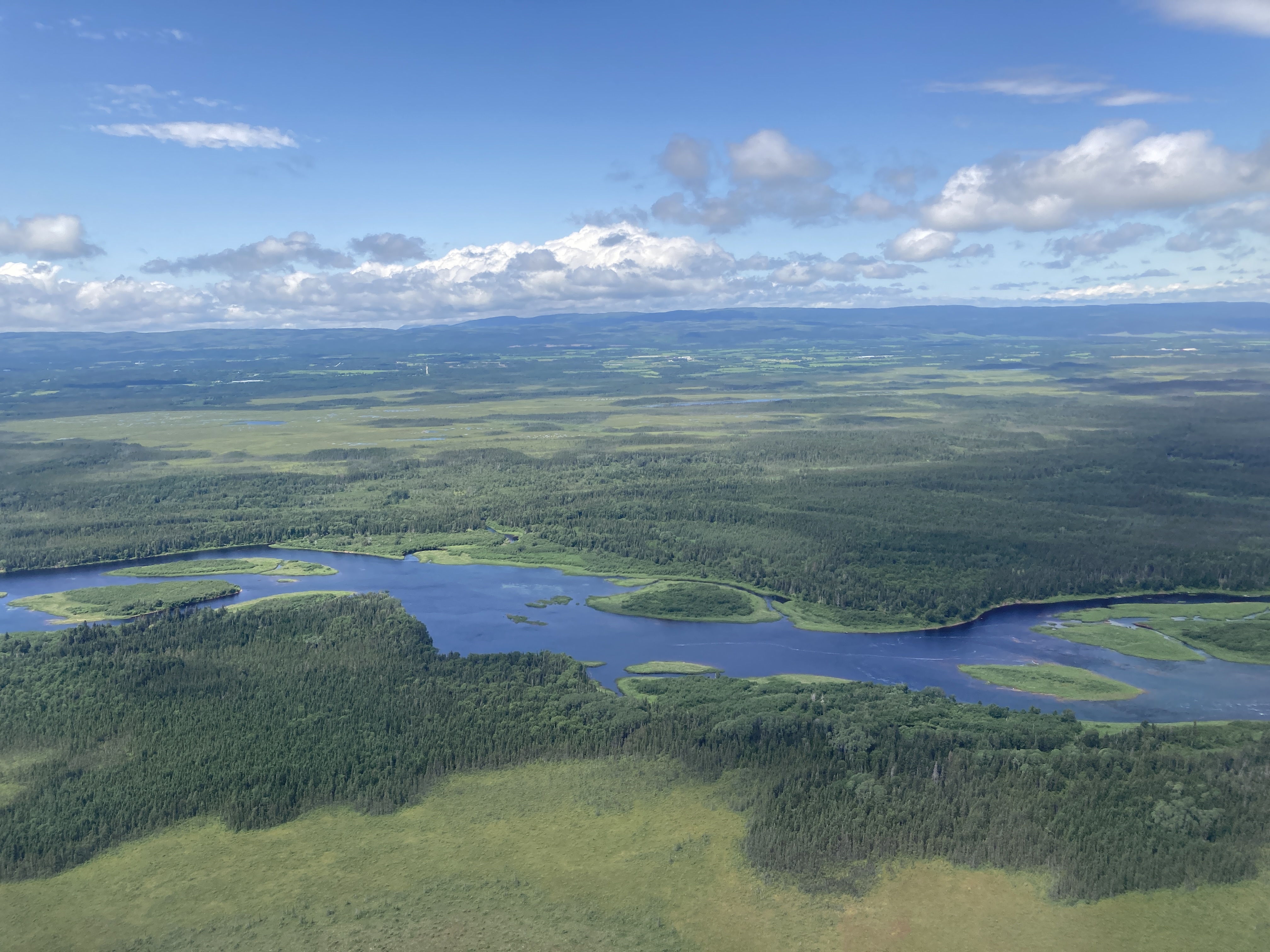
We flew from Toronto to Deer Lake in western Newfoundland, where our guide, Carl, met us at the baggage area. See the terrain as our plane descends into Deer Lake.
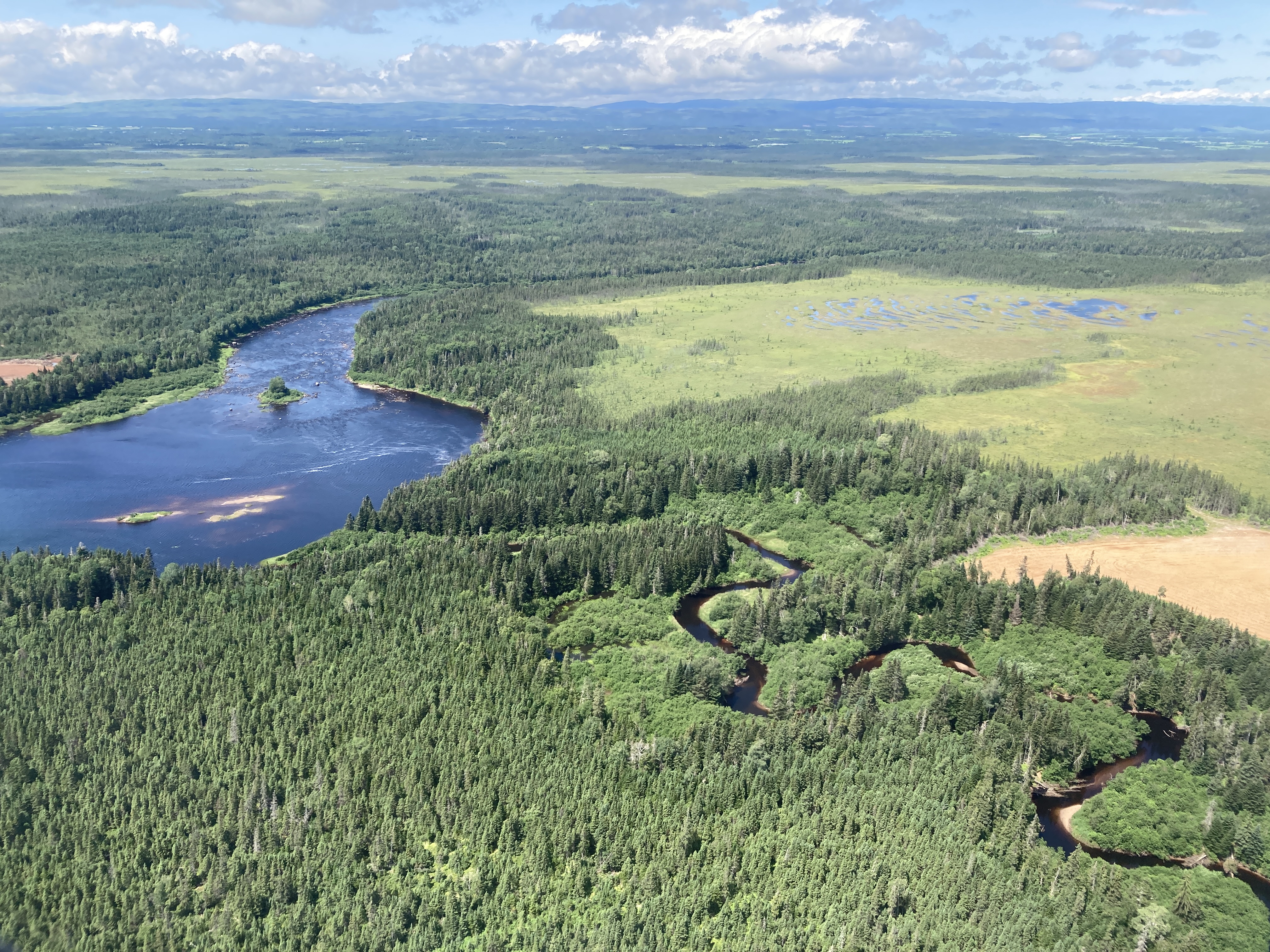
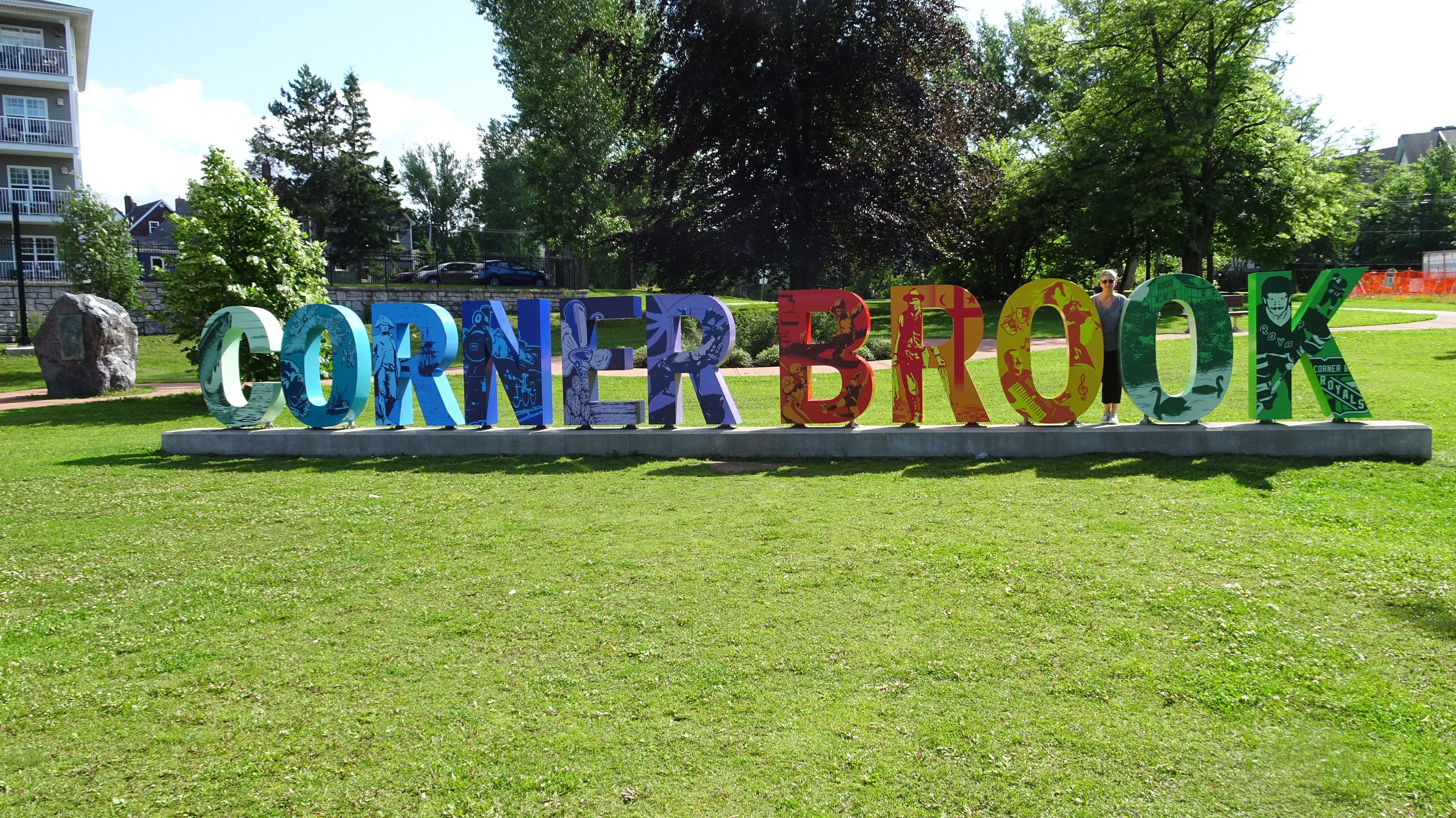
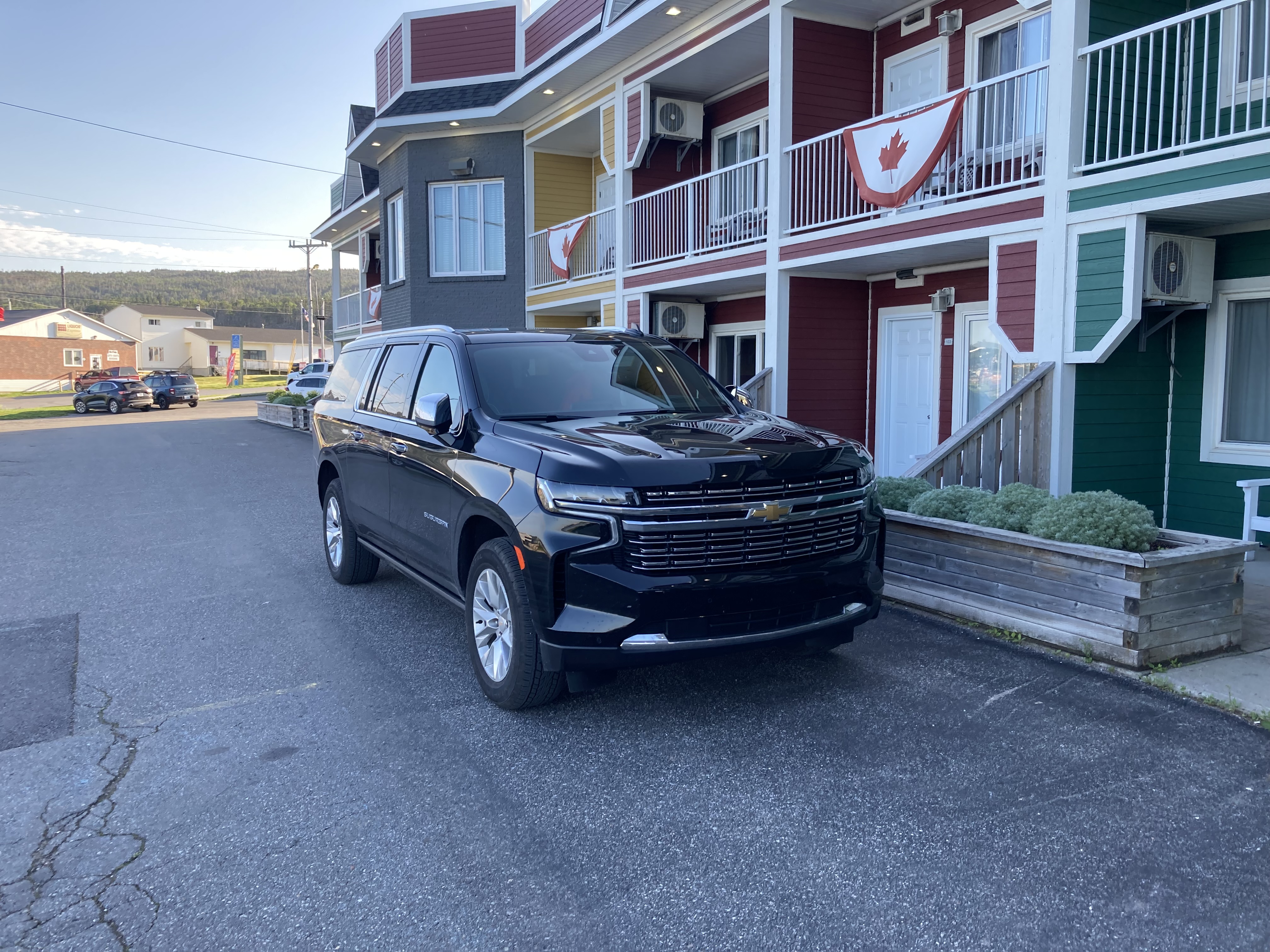
Then, we boarded our private “truck” (a black 2023 Chevrolet Suburban Premier) and were off to Cornerbrook, where we began our immersion into the Newfoundland culture and terrain.

We knew that five-star accommodation wasn’t in the cards in that part of the world, but the hotels, motels and inns where McCarthy’s put us were the best in the area, and we knew what to expect. That first night, we stayed at the one-hundred-year-old Glynmill Inn.
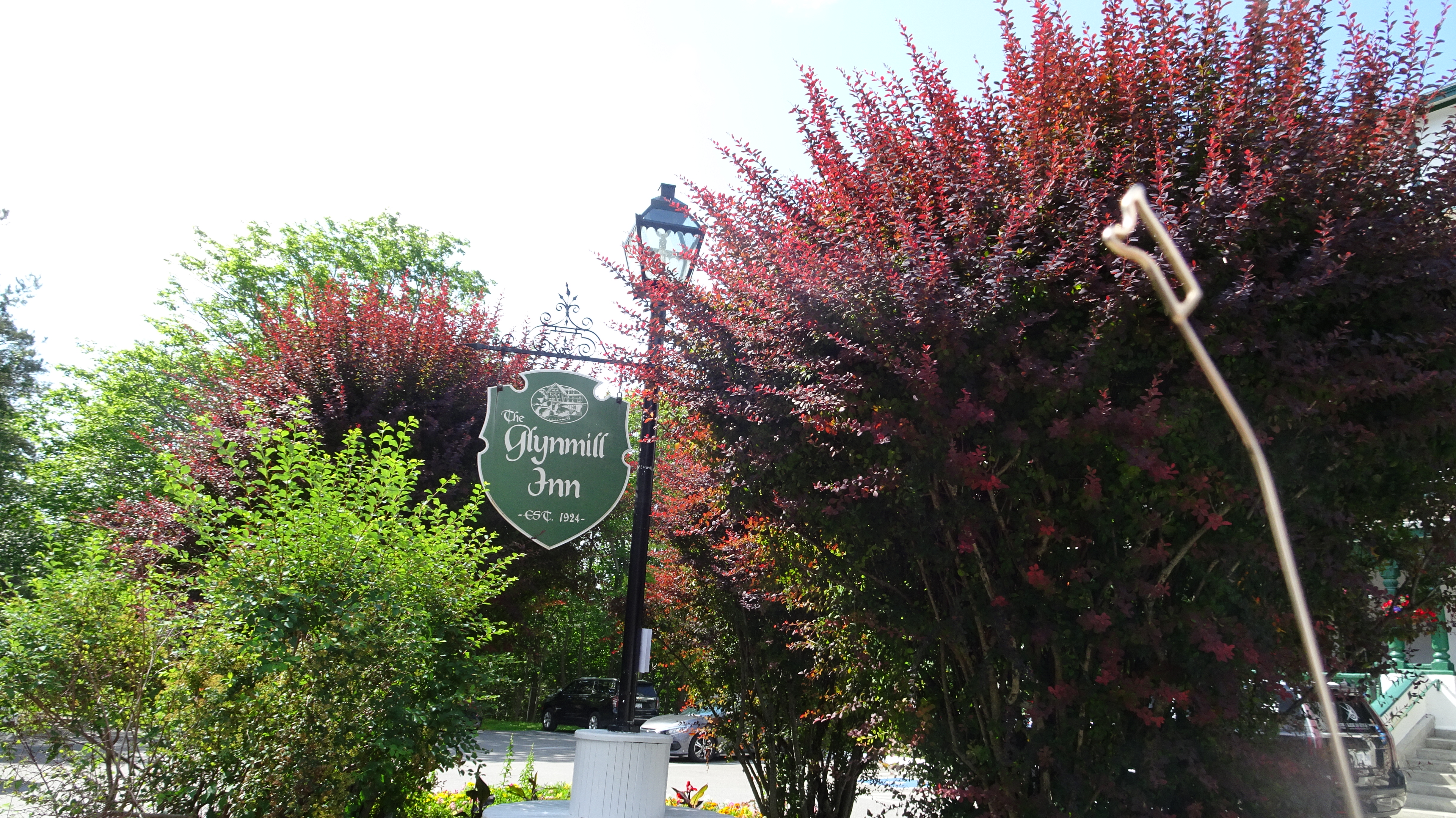
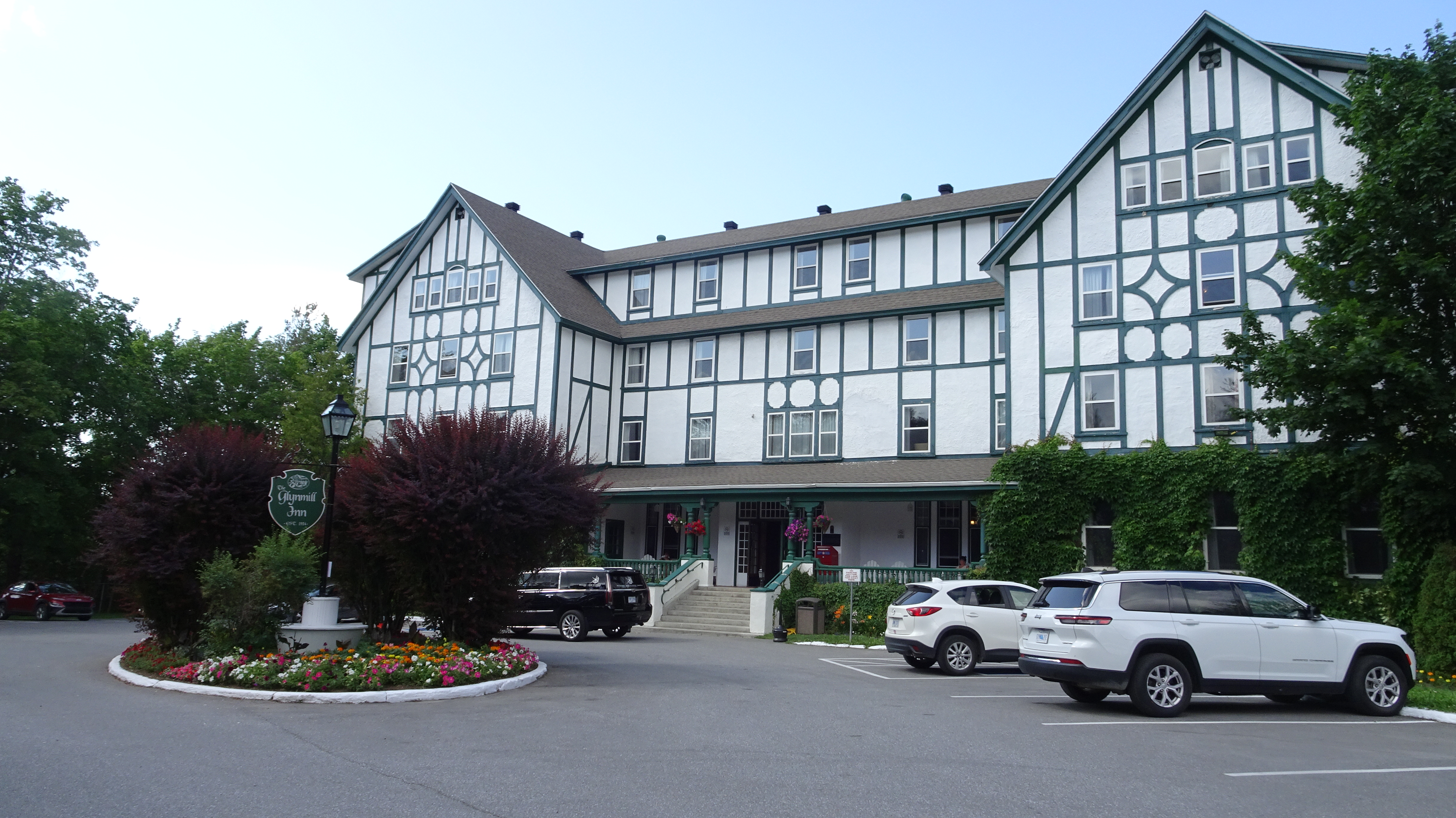
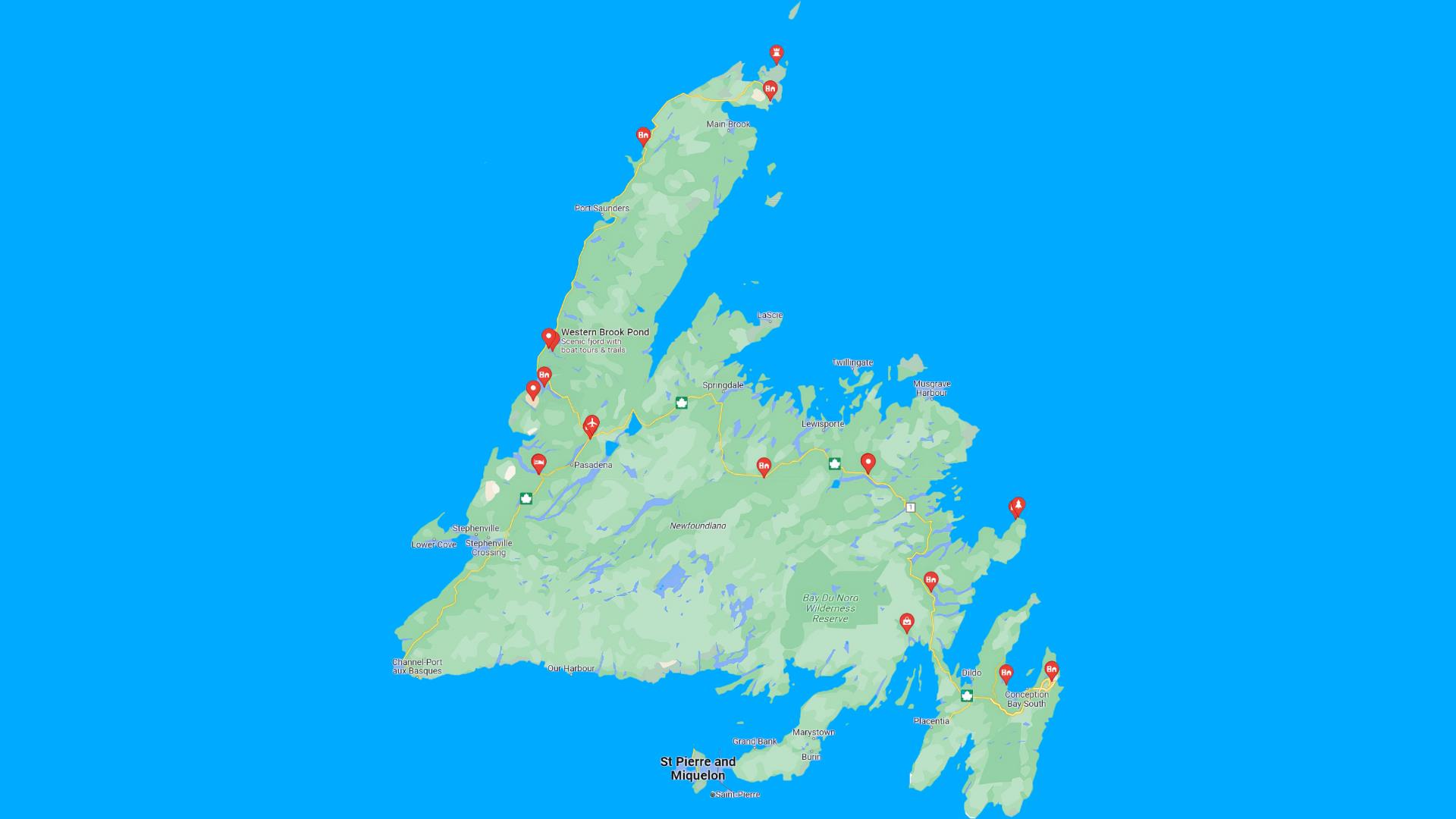
We were off along the Viking Trail to Gros Morne National Park the next day.

It was a spectacular day for a three-kilometre hike into Western Brook Pond, a landlocked fjord where we spent a few hours on the water admiring the breathtaking scenery. (We wrote about that day in a previous post.)
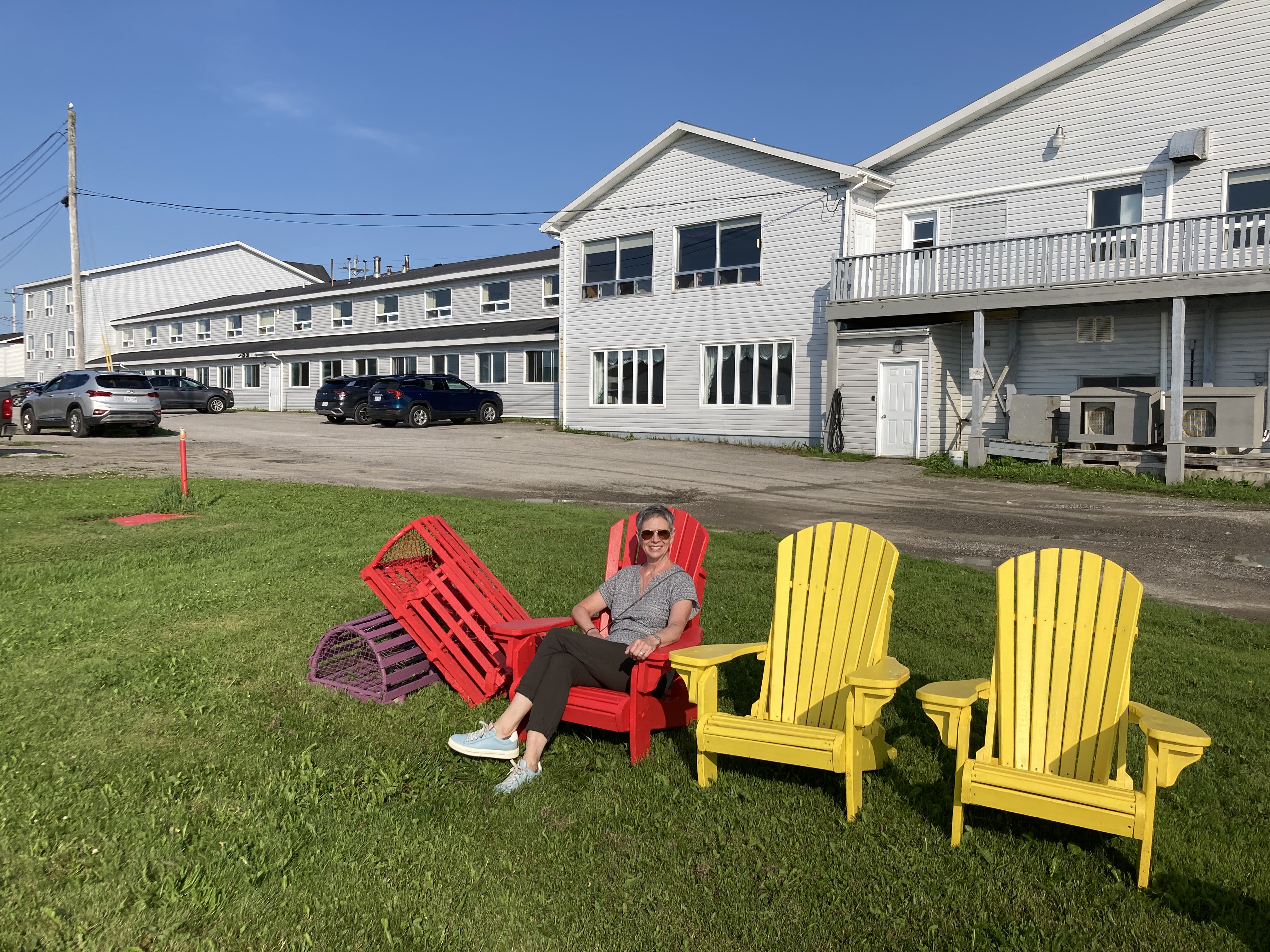
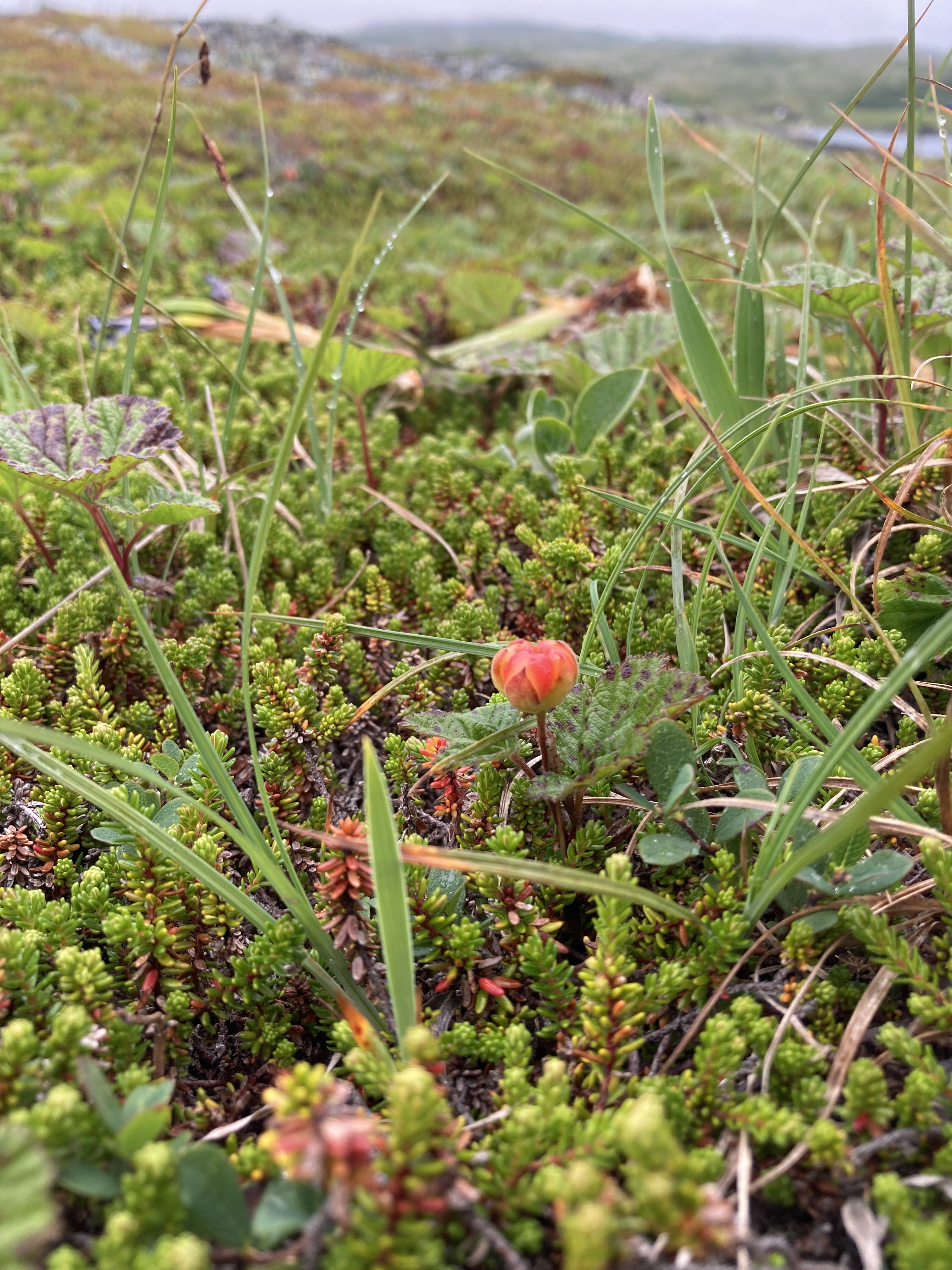
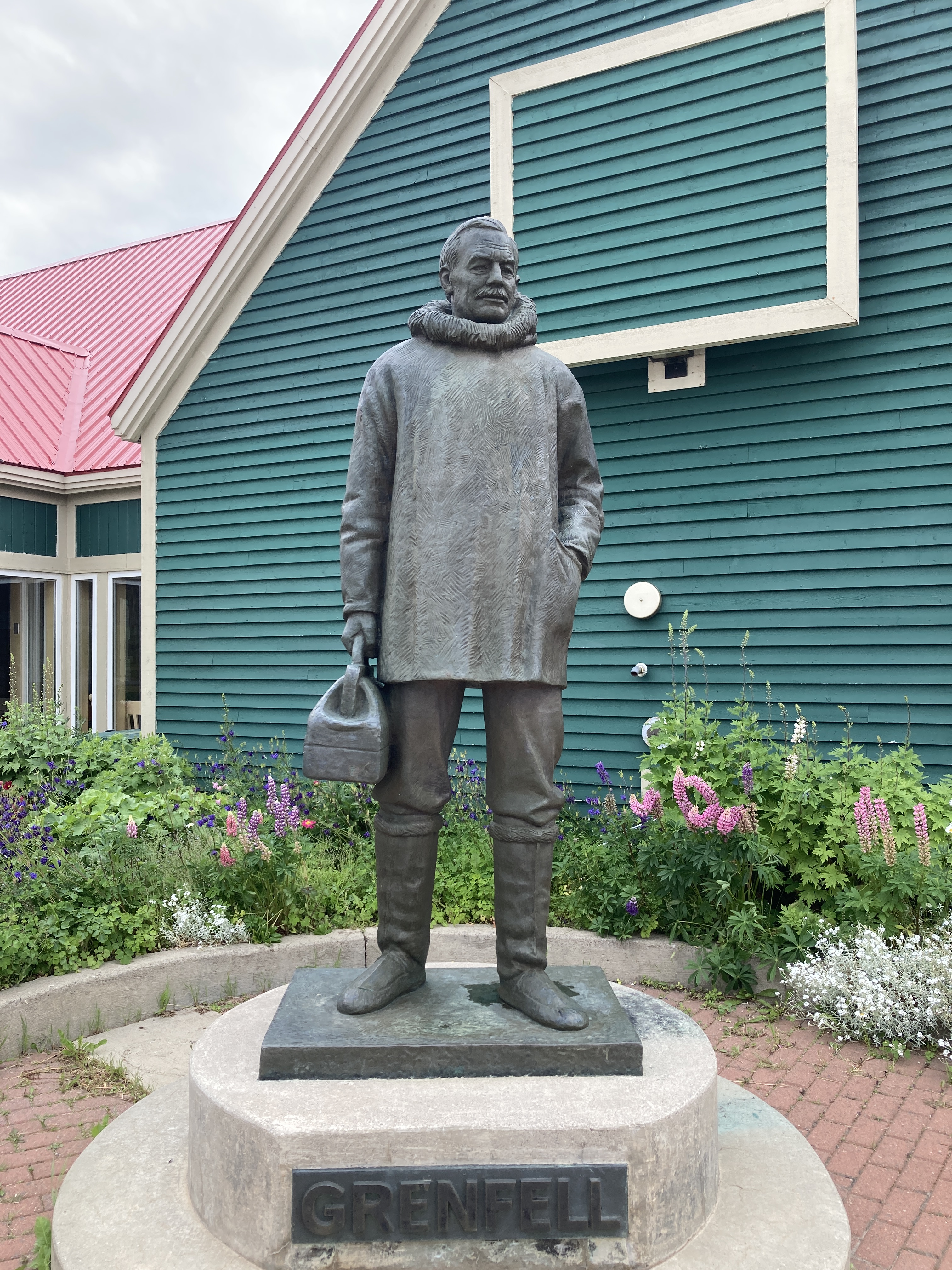
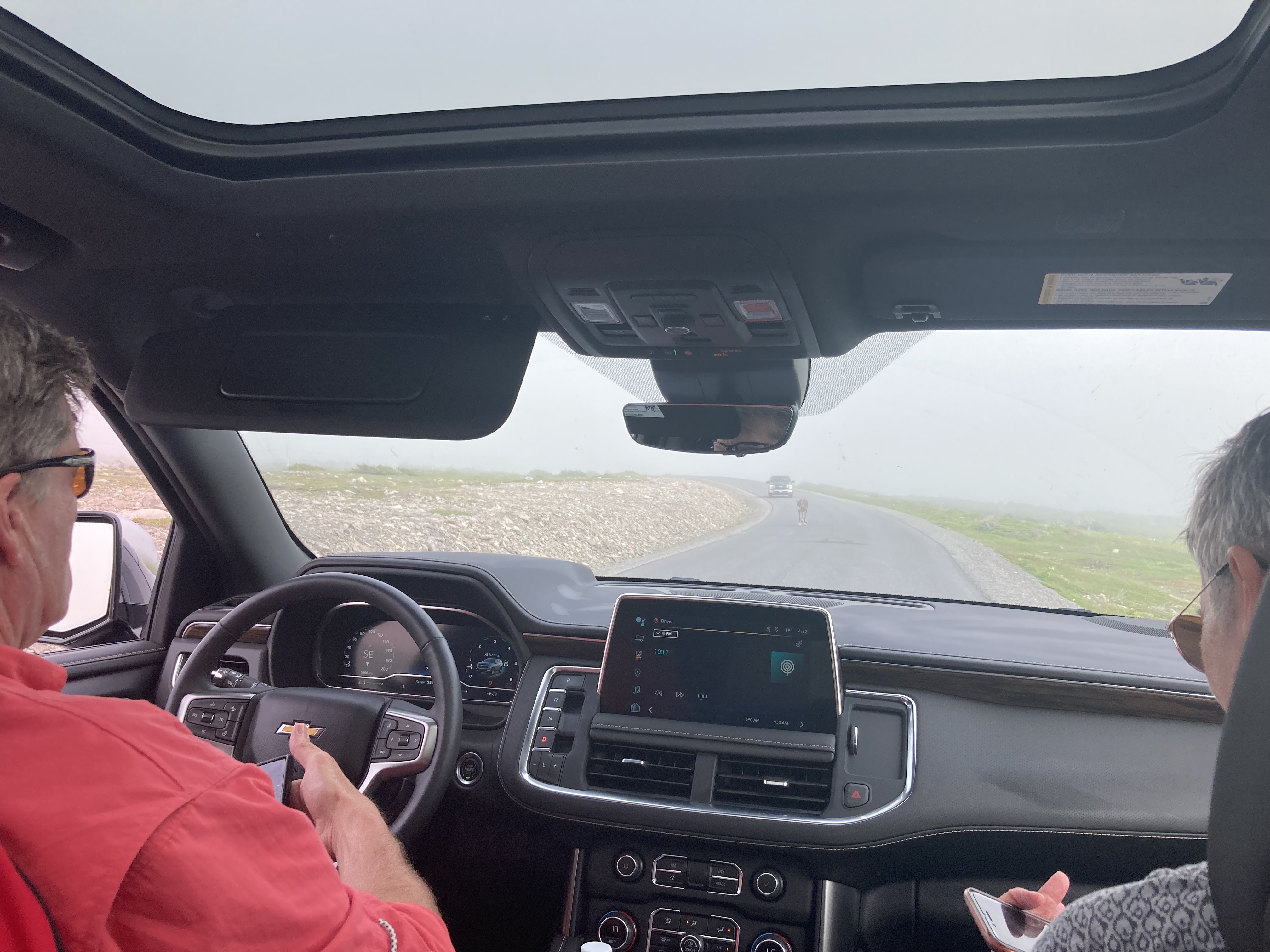
We spent overnight in the tiny village of Plum Point at the Plum Point Motel (two nights there)…and the next day, we travelled farther north to the Viking settlement at L’Anse aux Meadows with a stop in St. Anthony to visit the world-renowned Grenfell mission. (See our private transportation below.)
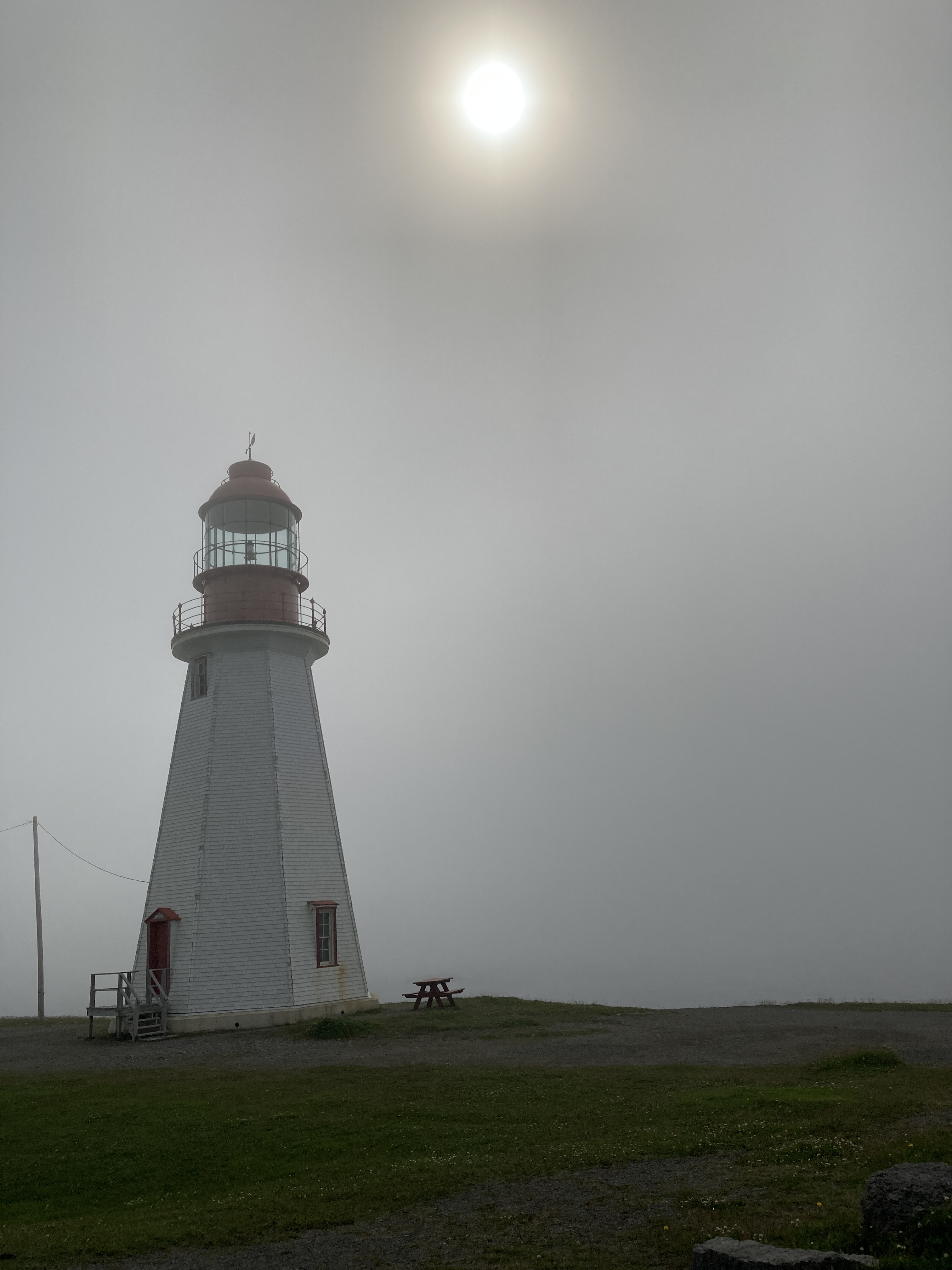
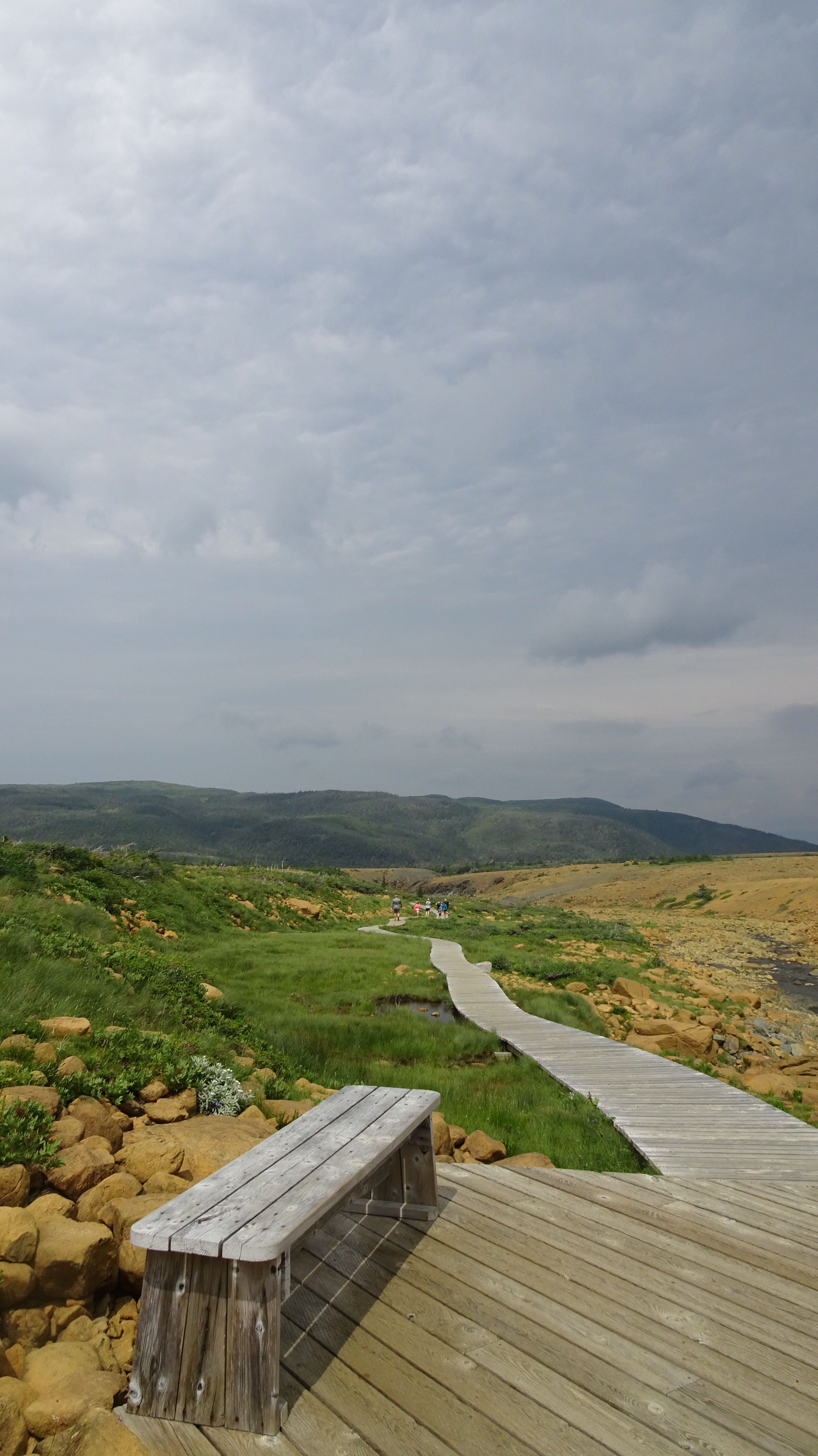
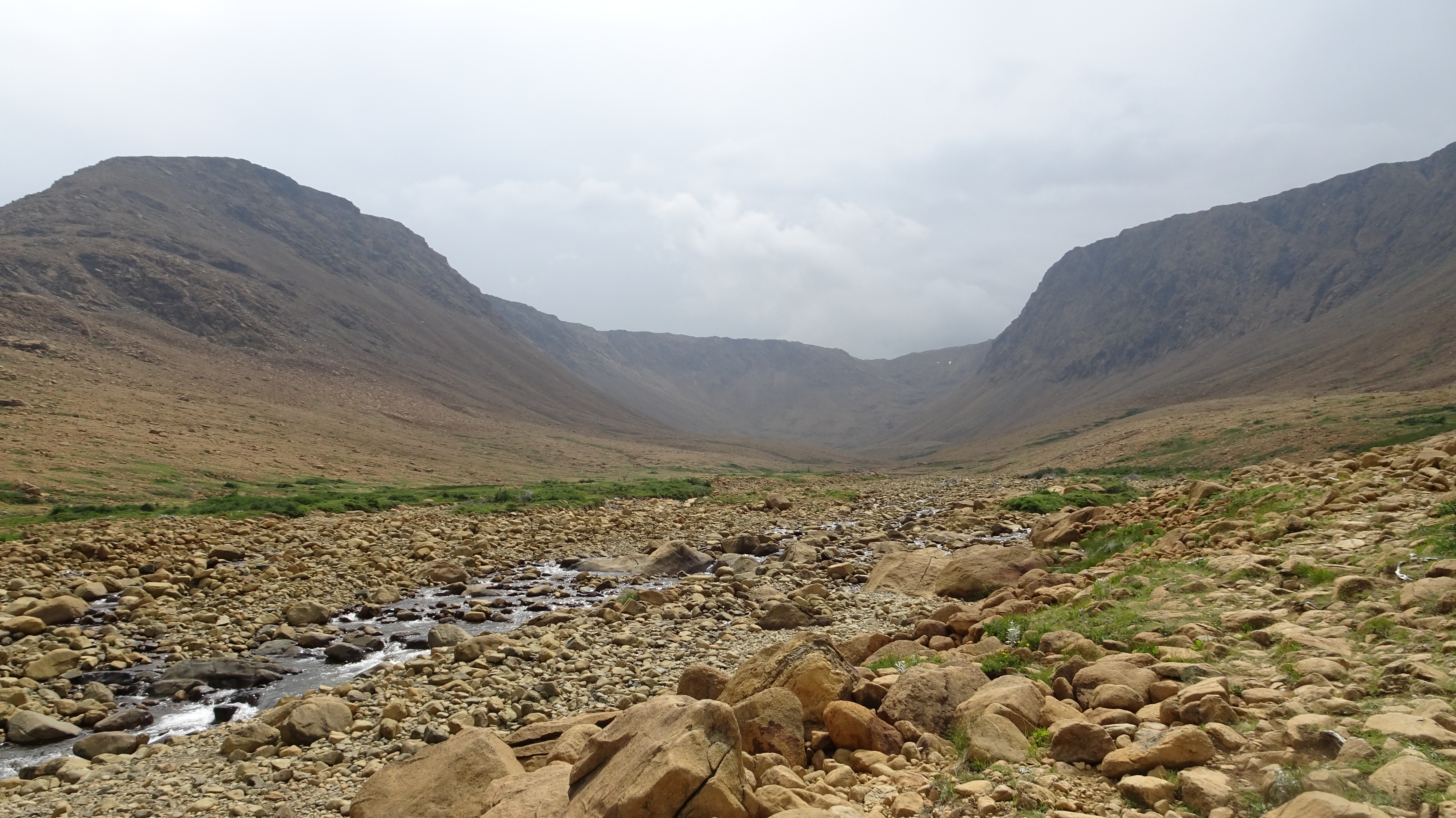
We spent the next day back in Gros Morne, exploring Bonne Bay and hiked the Tablelands.
After overnight in Rocky Harbour, we were off to the centre of the island to Gander. You might recall Gander as the centrepiece of the Broadway musical “Come From Away” because this is where so many of the 9-11 airliners had to take shelter for a week after the World Trade Center disaster in 2001.

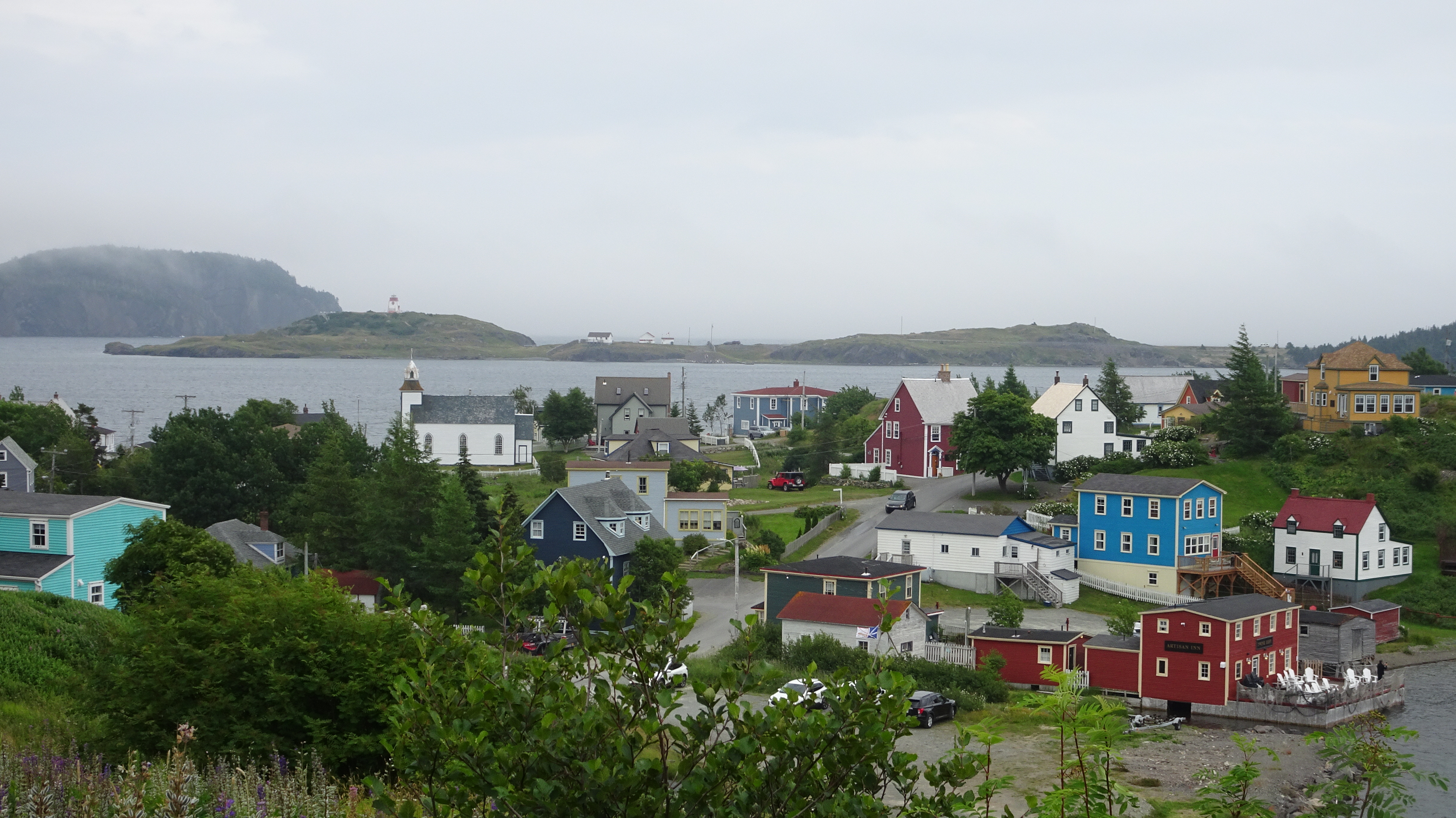
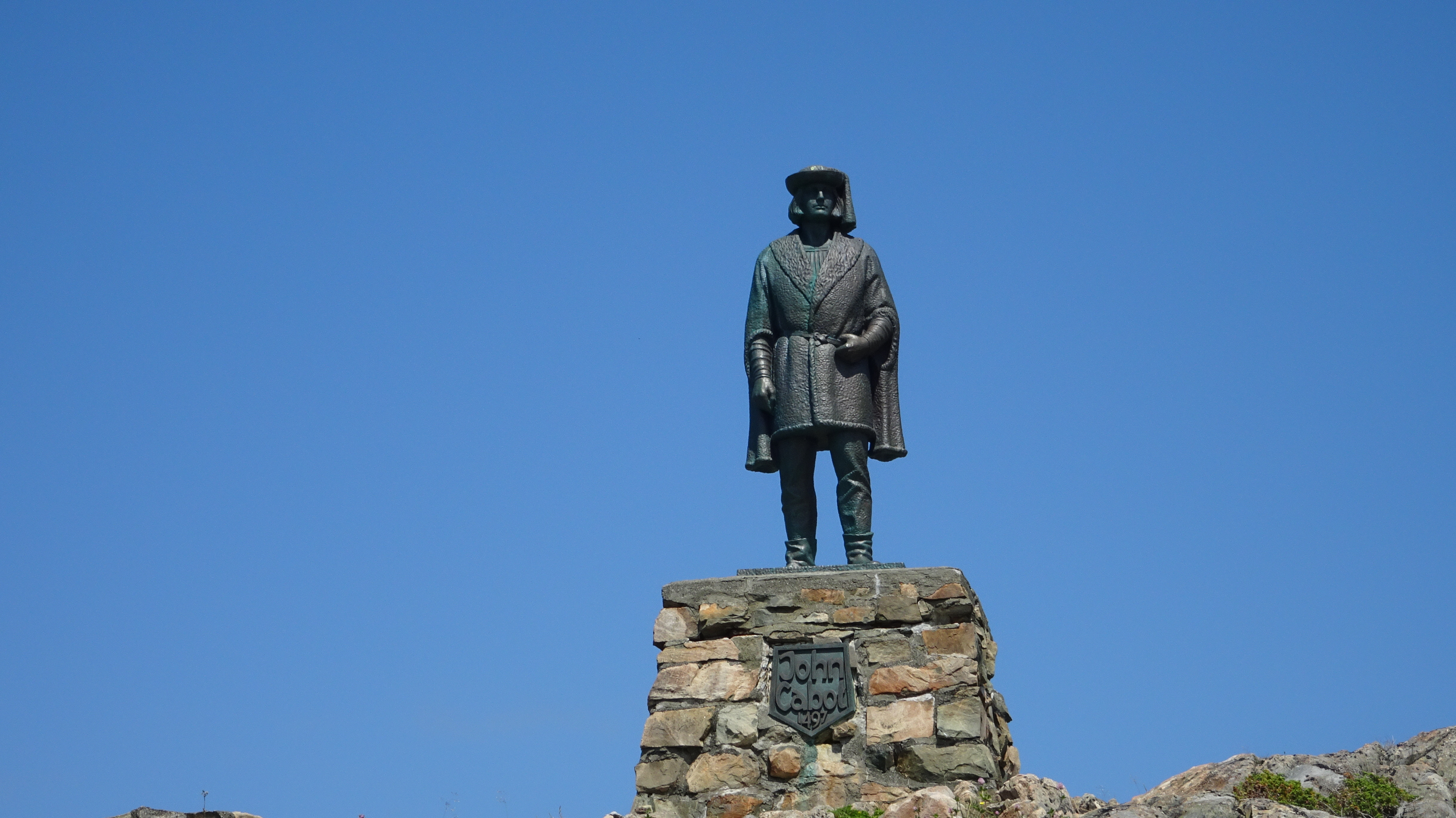
Our next day took us to the stunning Bonavista peninsula, where we visited the spot where John Cabot allegedly landed in 1497 and the charming village of Trinity.
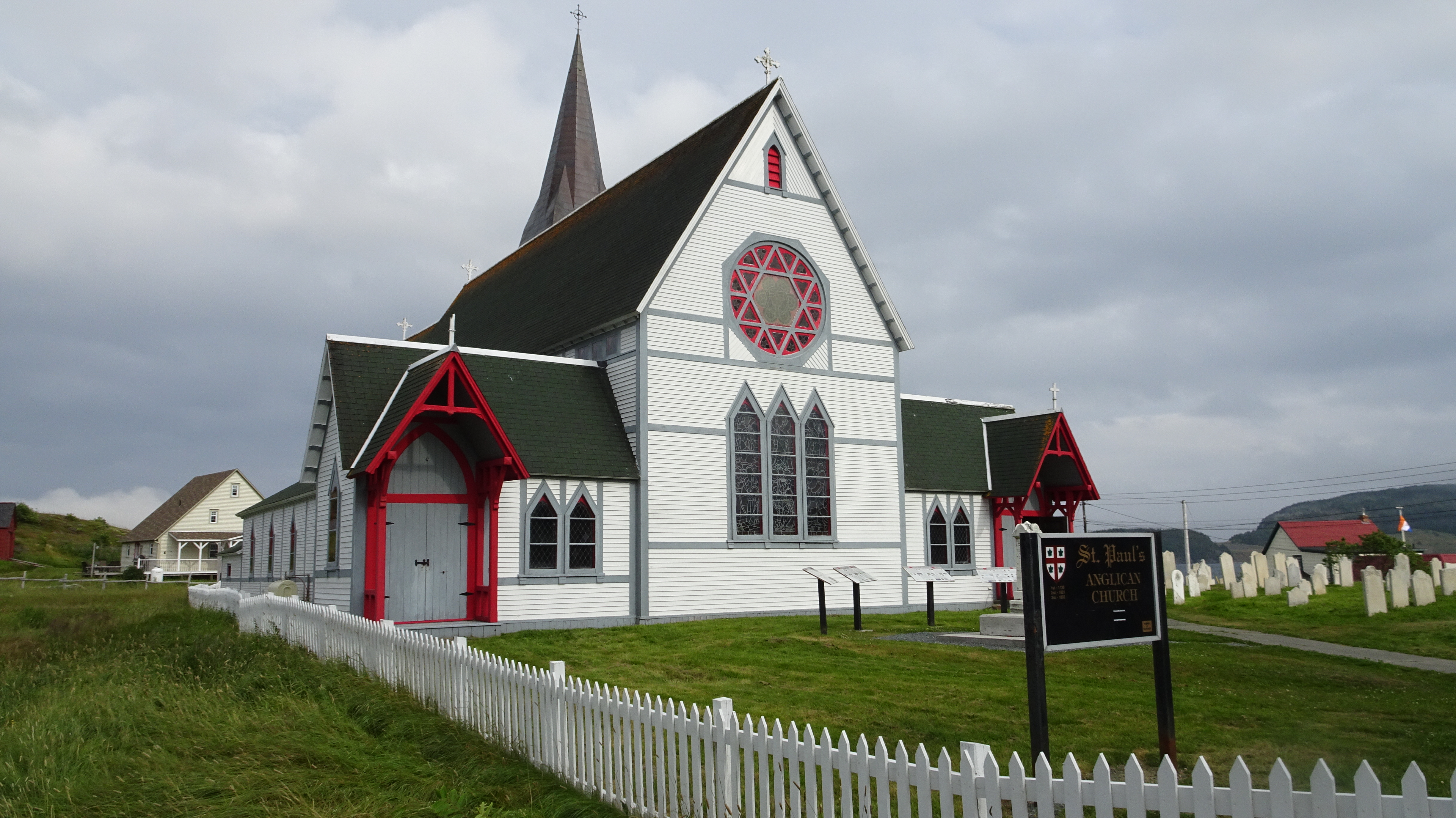
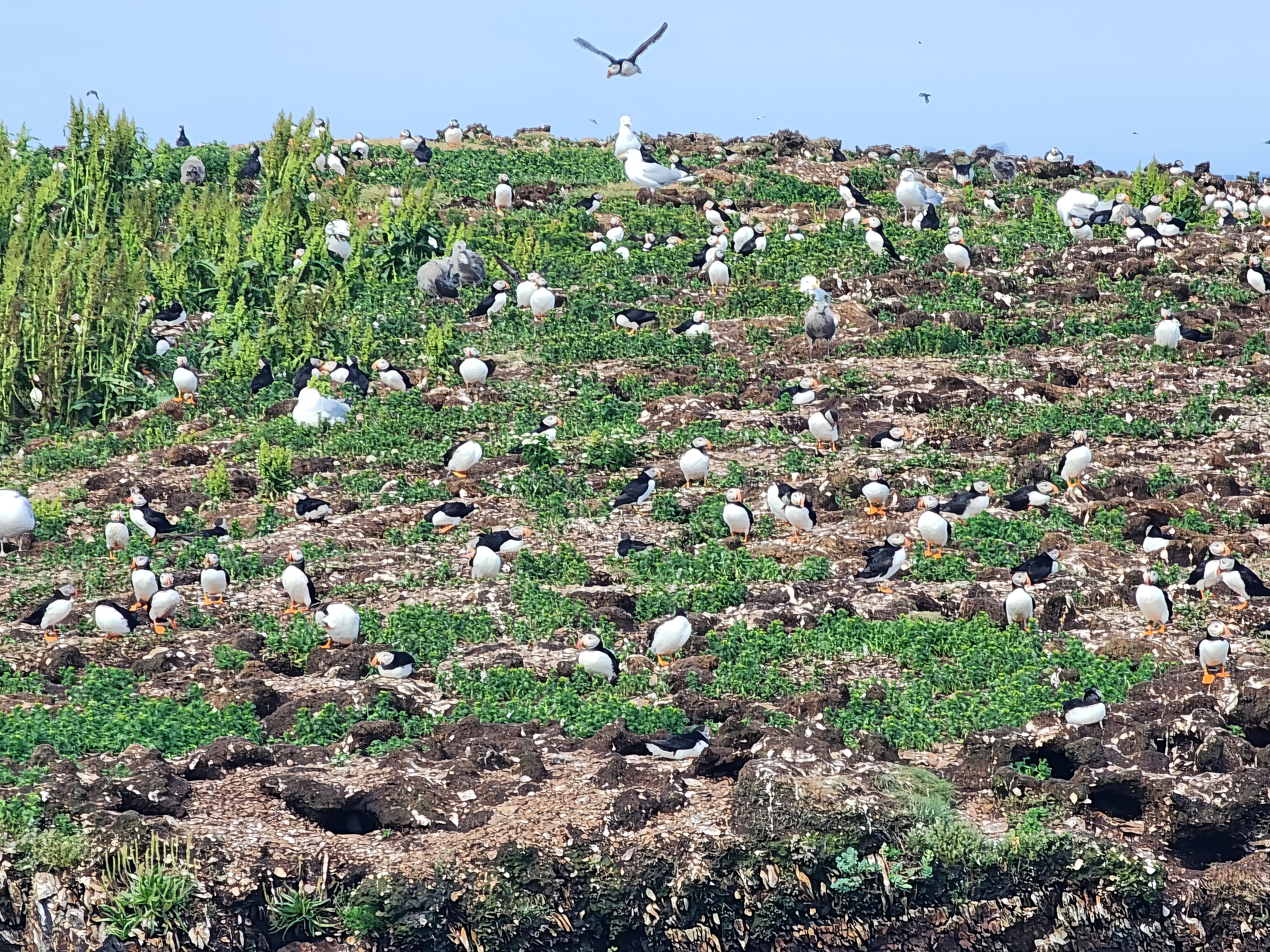
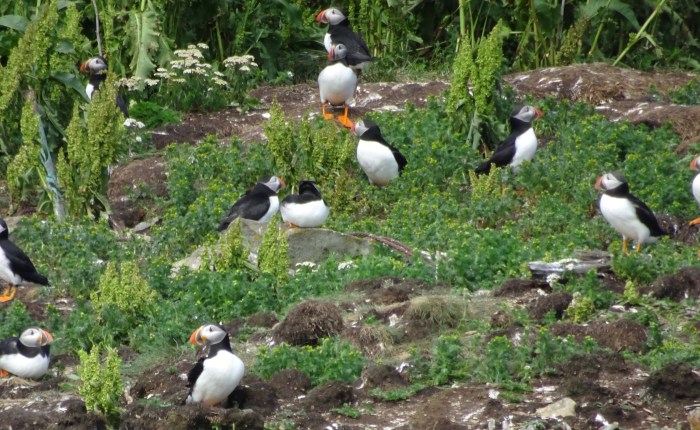
Then there were the puffins. What can we say? Against the spectacular backdrop of dramatic cliffs and pounding ocean waves, we hiked to several spots to observe the magical puffins. These Atlantic seabirds are indigenous to this part of the world, breed in large colonies on these coastal cliffs and are so distinctive with their brightly coloured beaks.
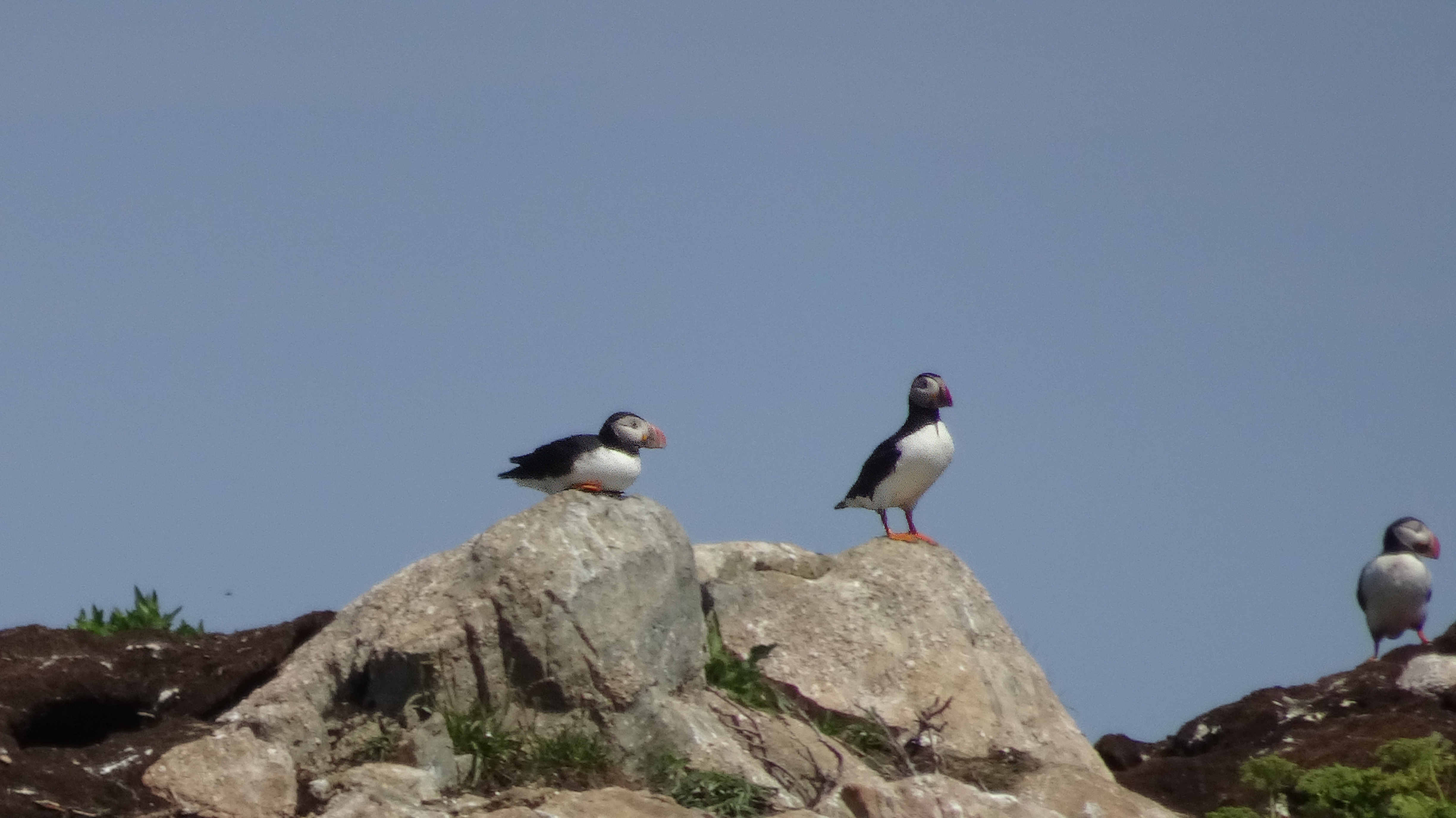
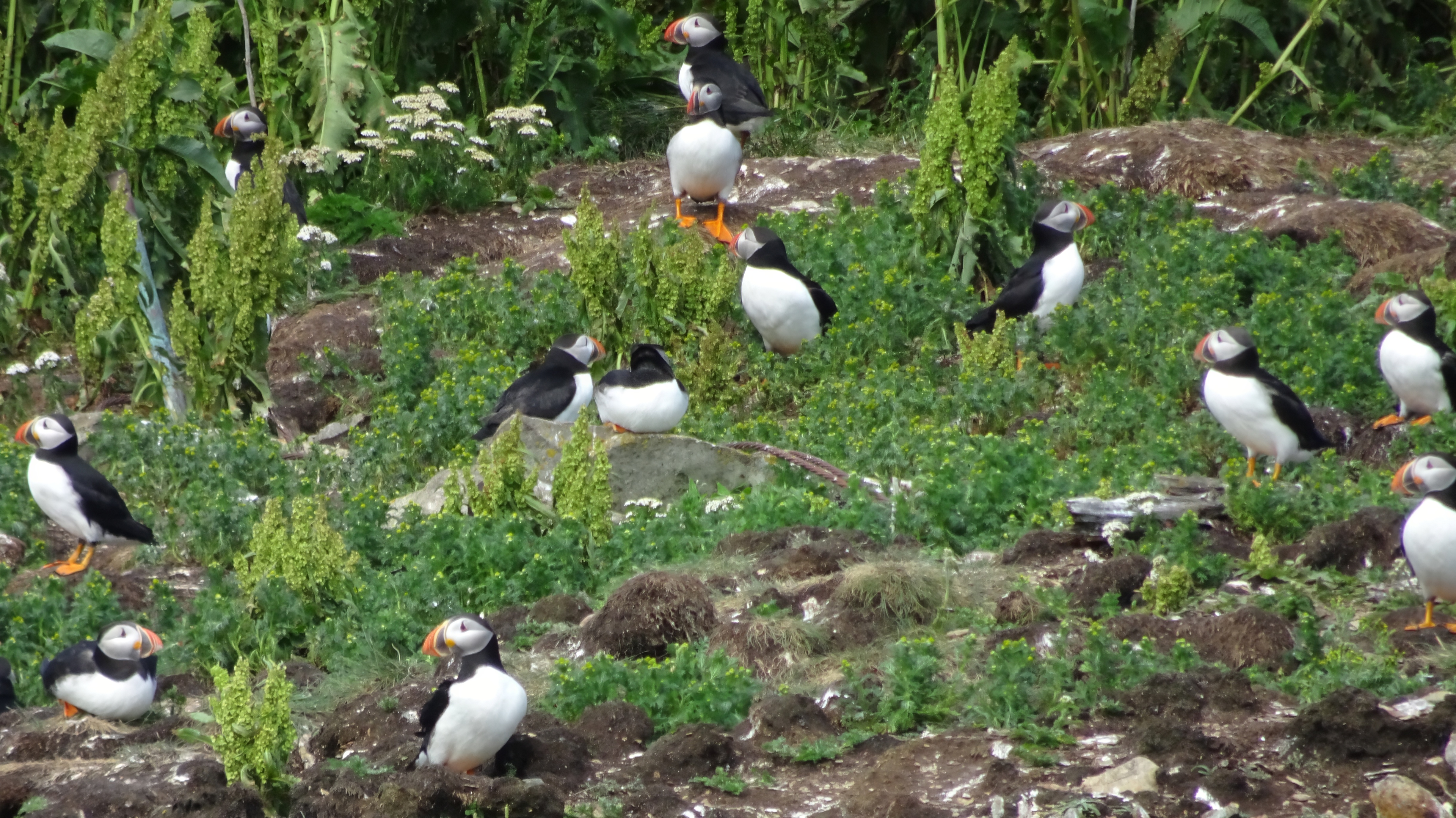
One of the most interesting places where we parked and hiked to see these birds was a village called Elliston, which bills itself as the “root cellar capital of the world.’ And they have good reason to do so! The root cellars, along with the magnificent scenery, make the place so worth the visit.
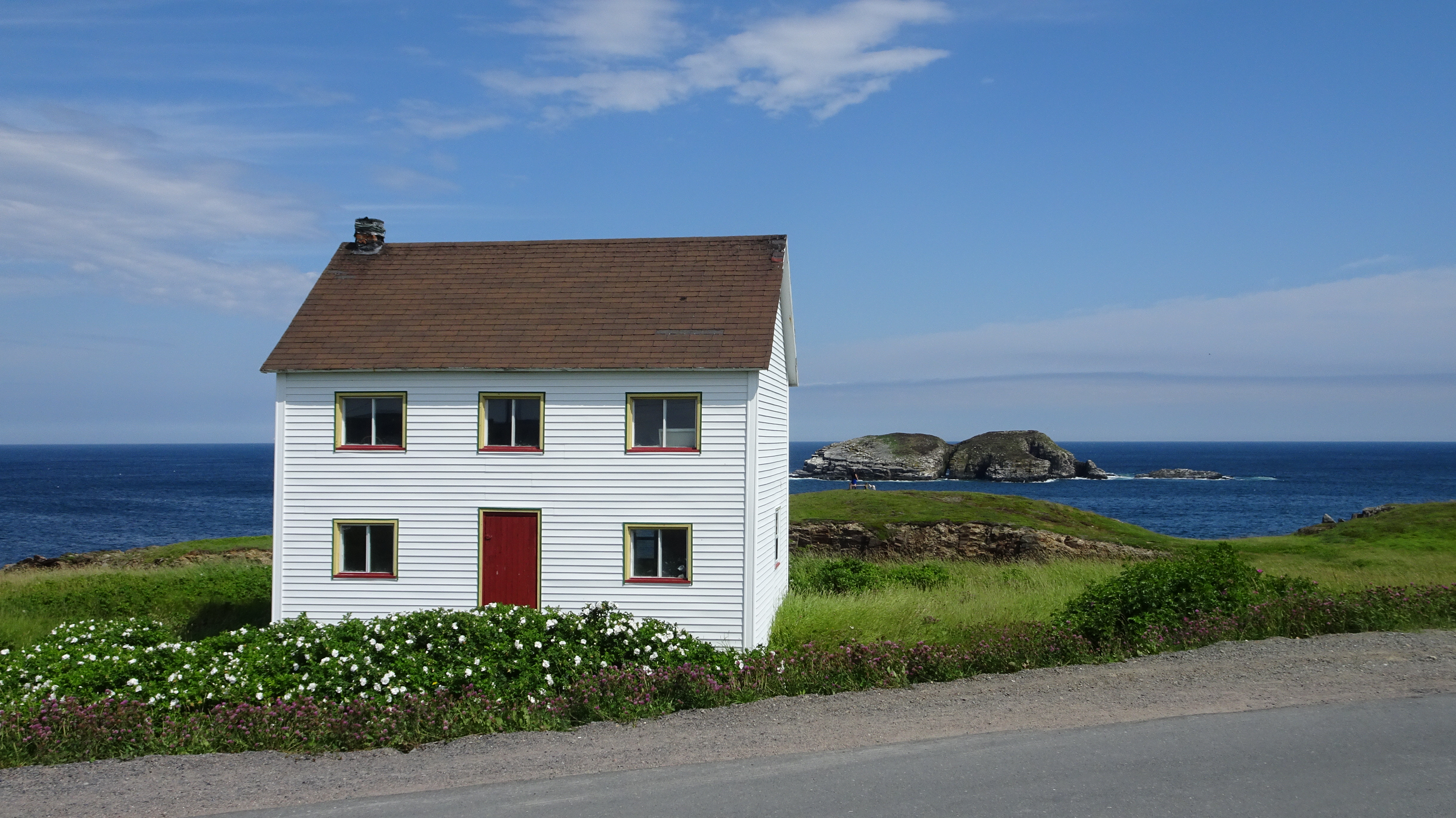
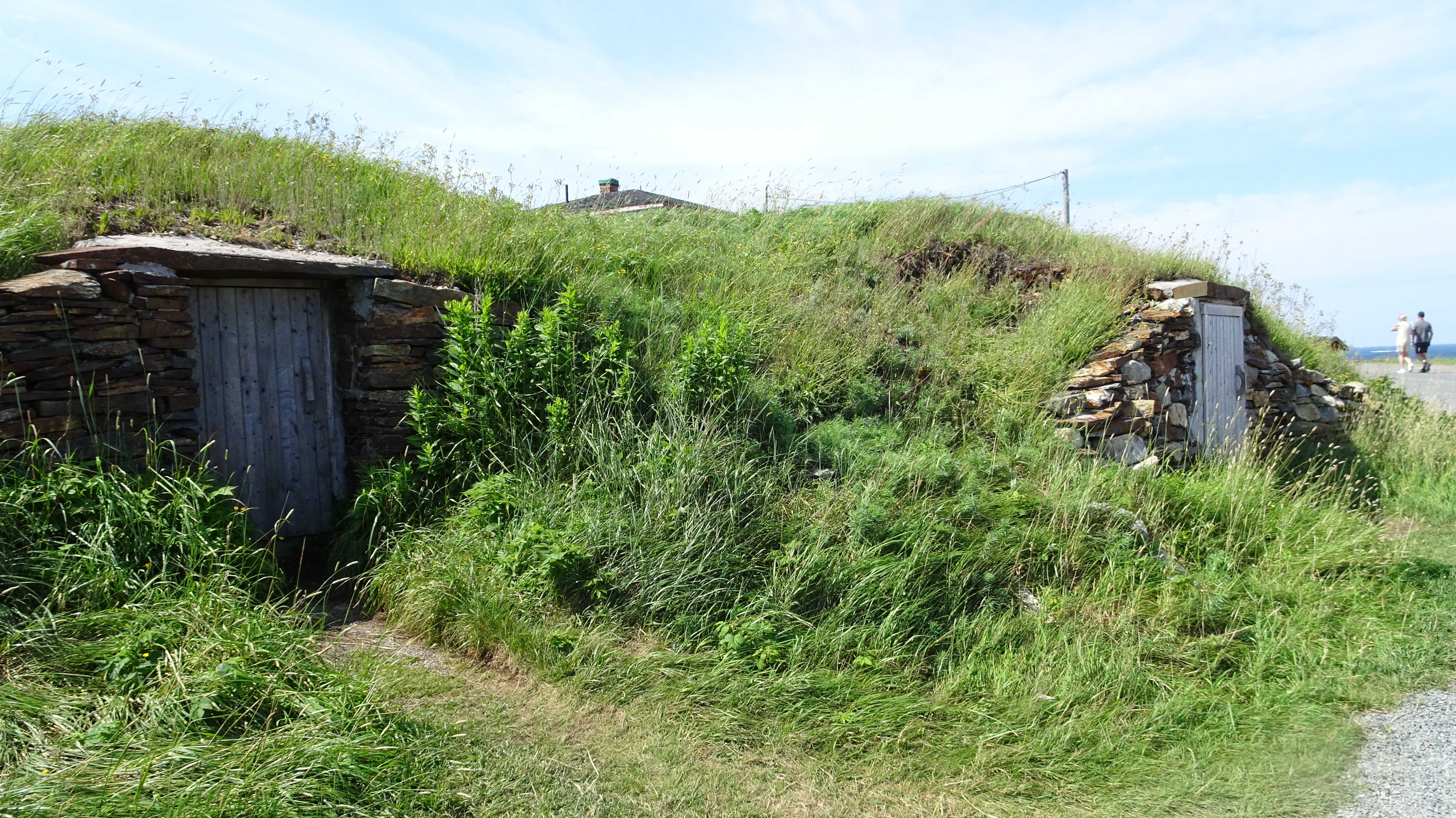
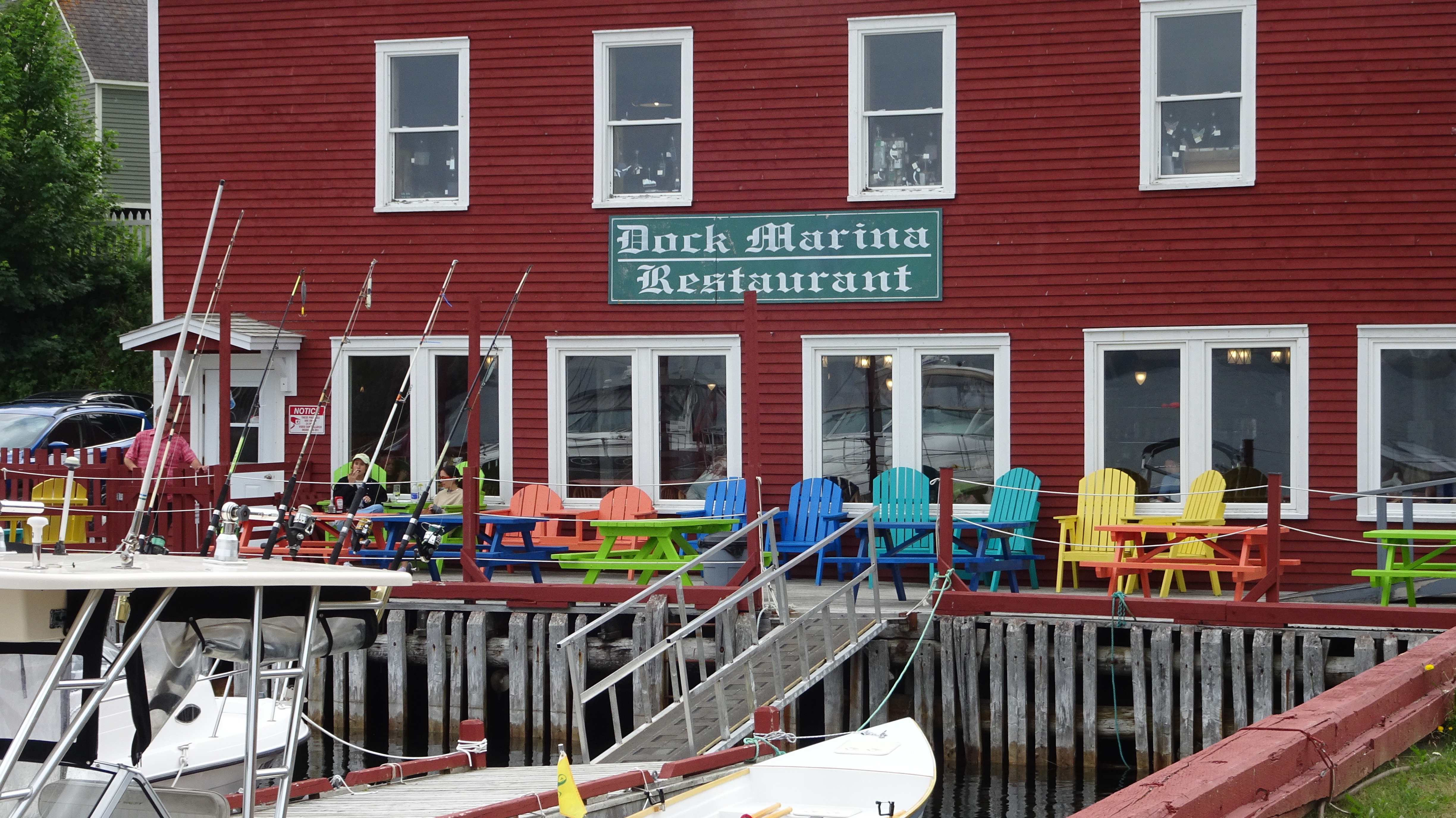
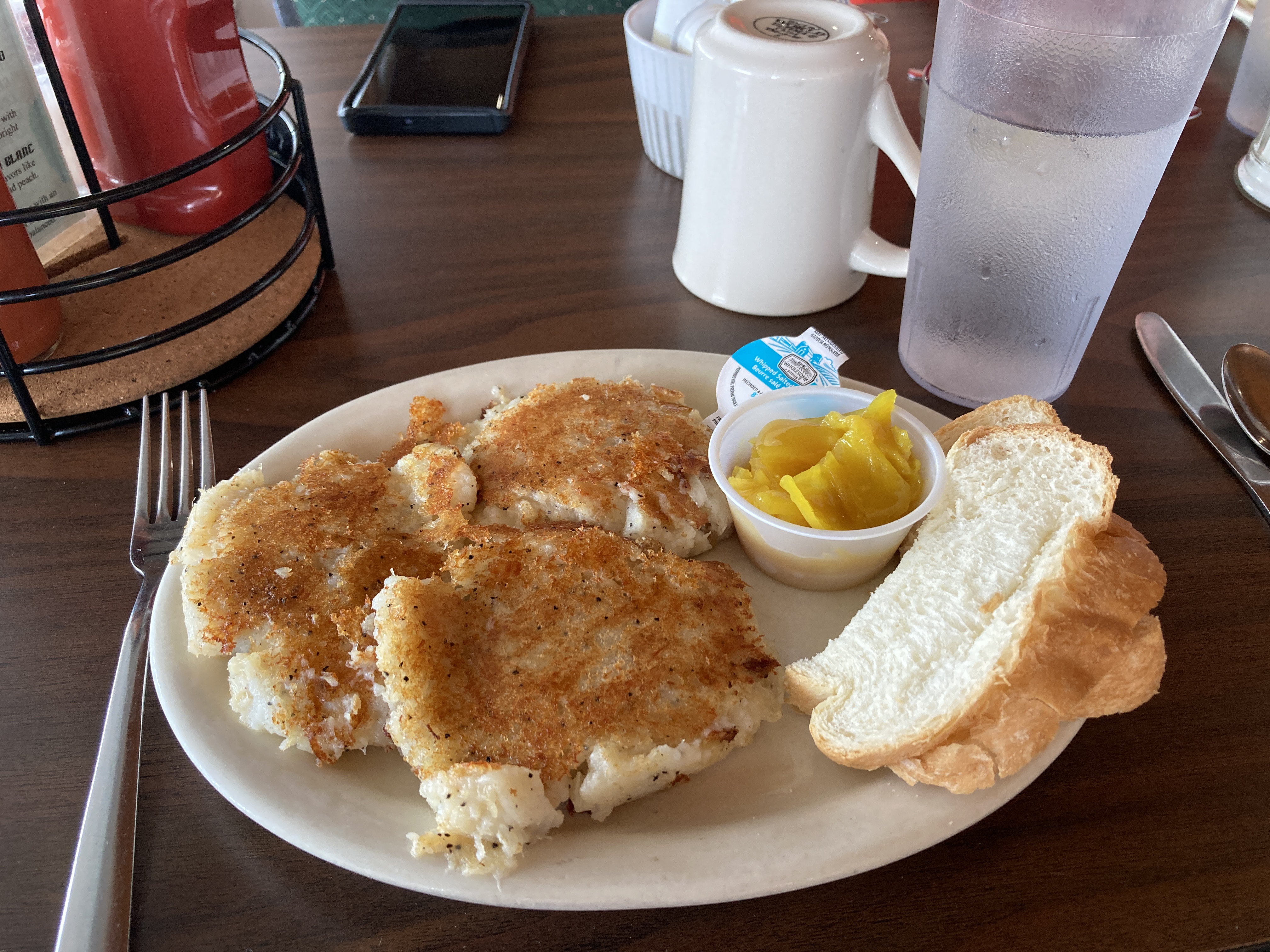
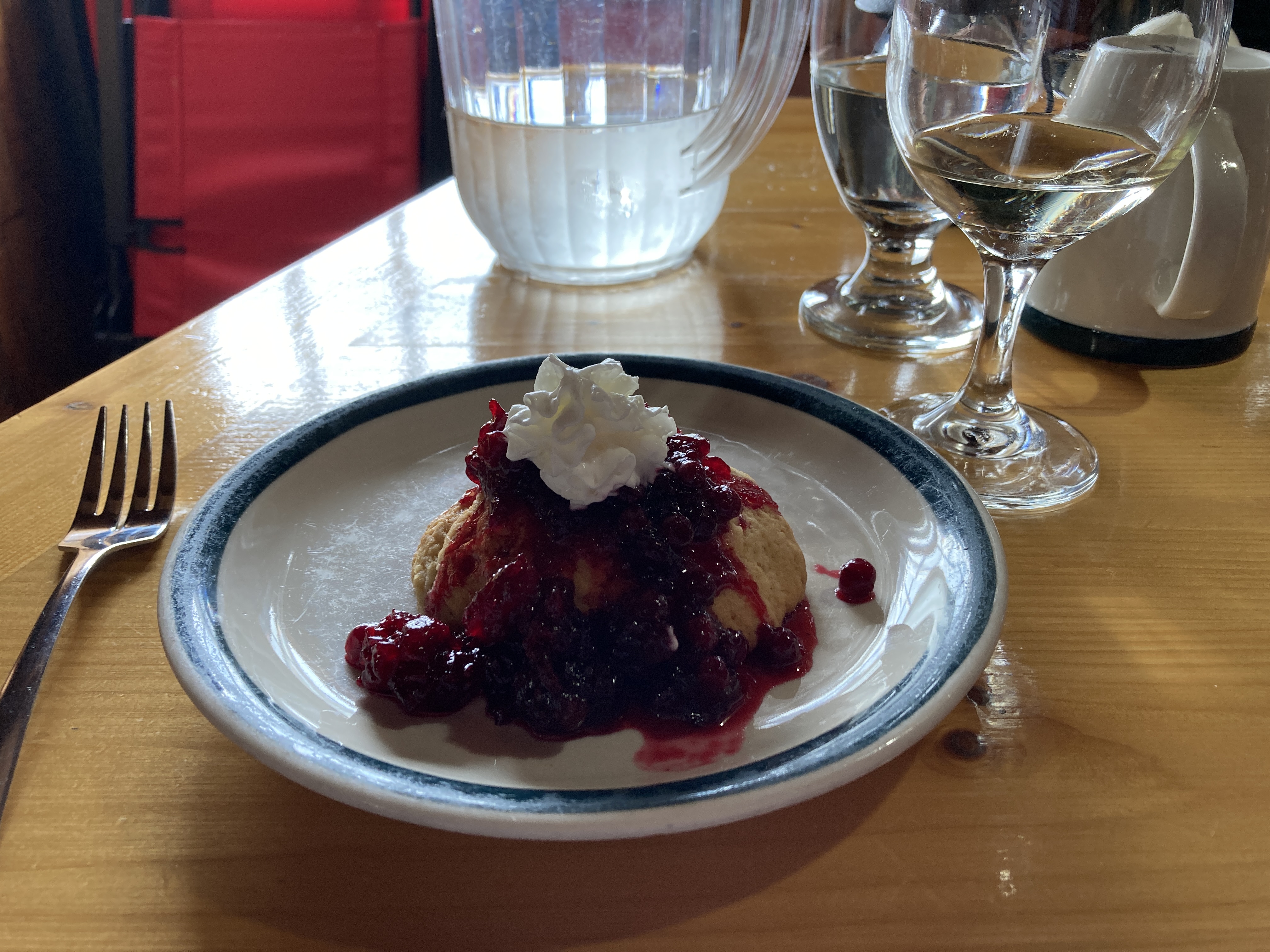
All along the way, Carl, our guide, led us to fabulous little spots, including tiny restaurants where we sampled staples of Newfoundland cuisine every day at lunch—fish cakes, homemade breads, partridgeberry cake, cod au gratin. We could never have found these by ourselves, which is one of the reasons we love private touring with a guide.
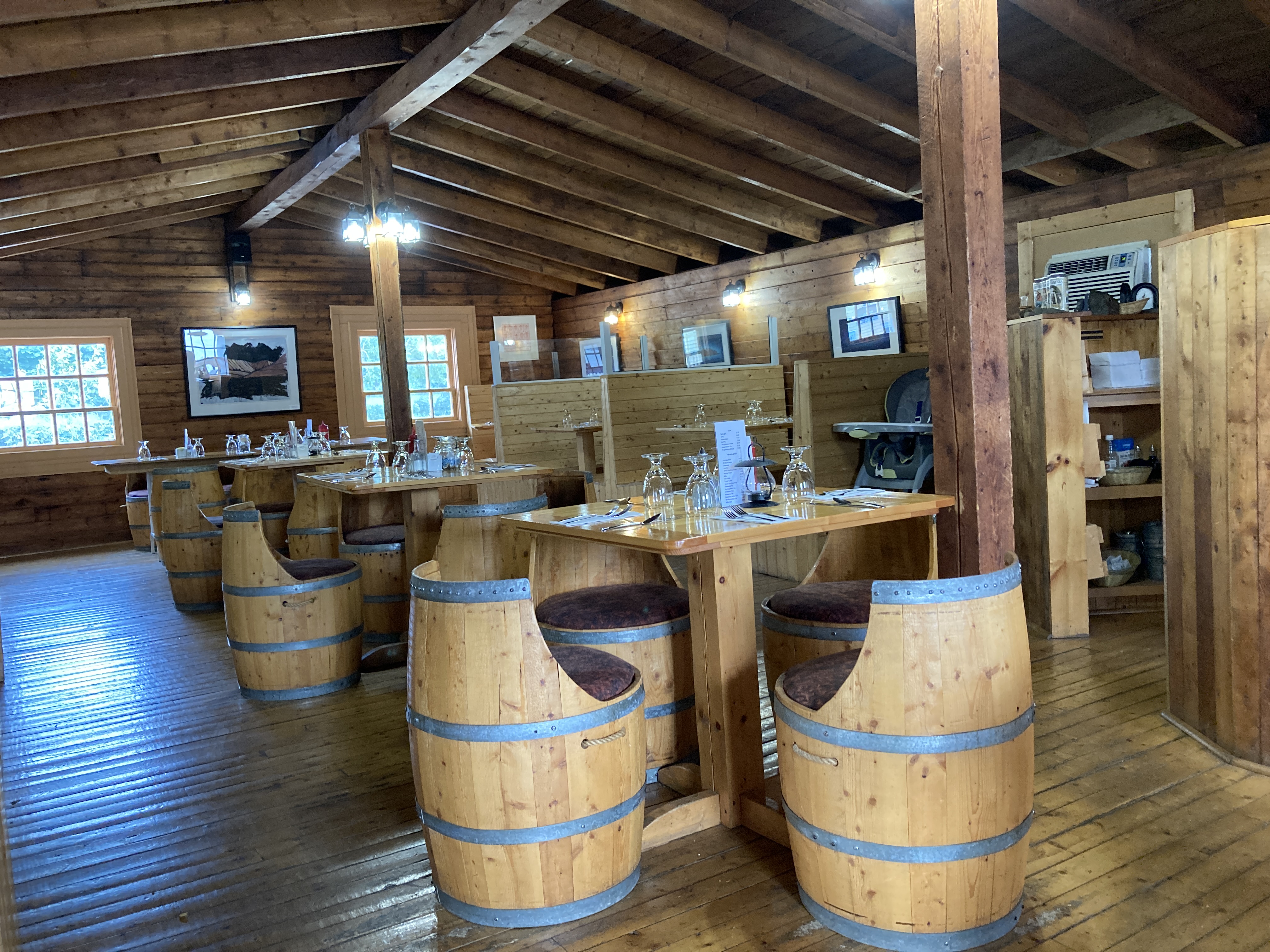
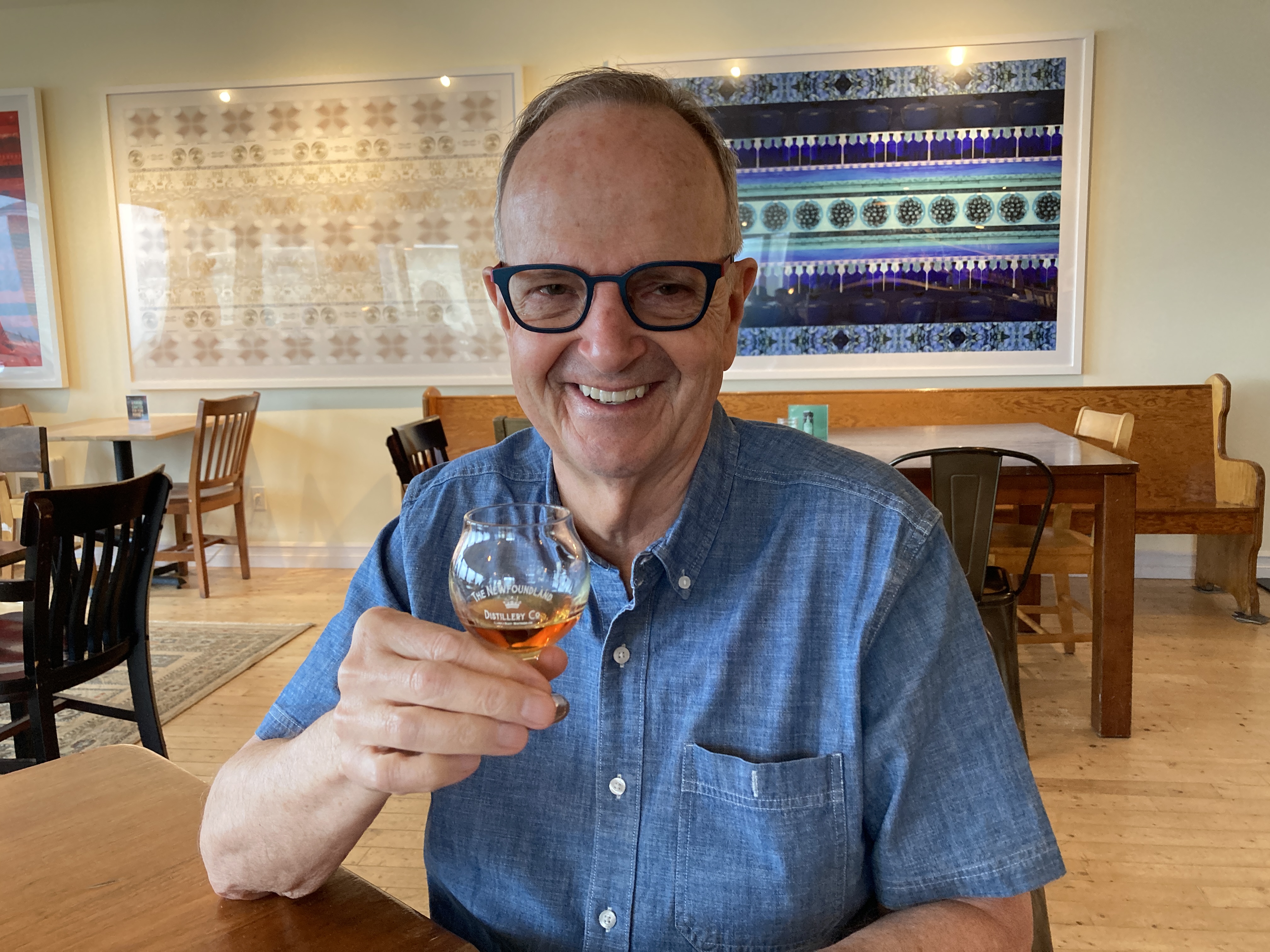
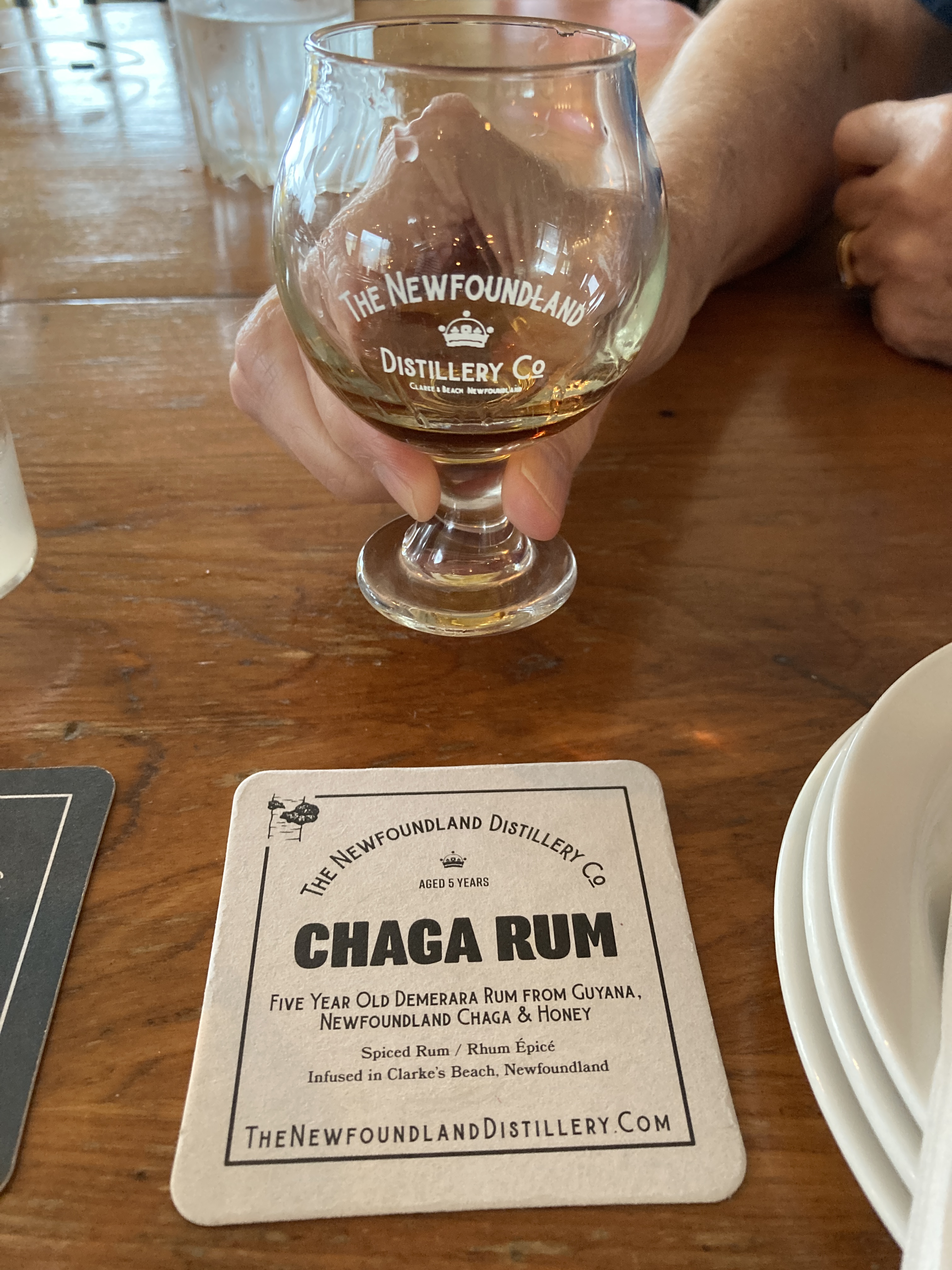
It rained during the final day of our trip. So, Carl arranged appropriate activities. First, we had a private tour of Vernon’s Antique Car Museum (read more about that here), then a tasting and lunch at the Newfoundland Brewing Company.
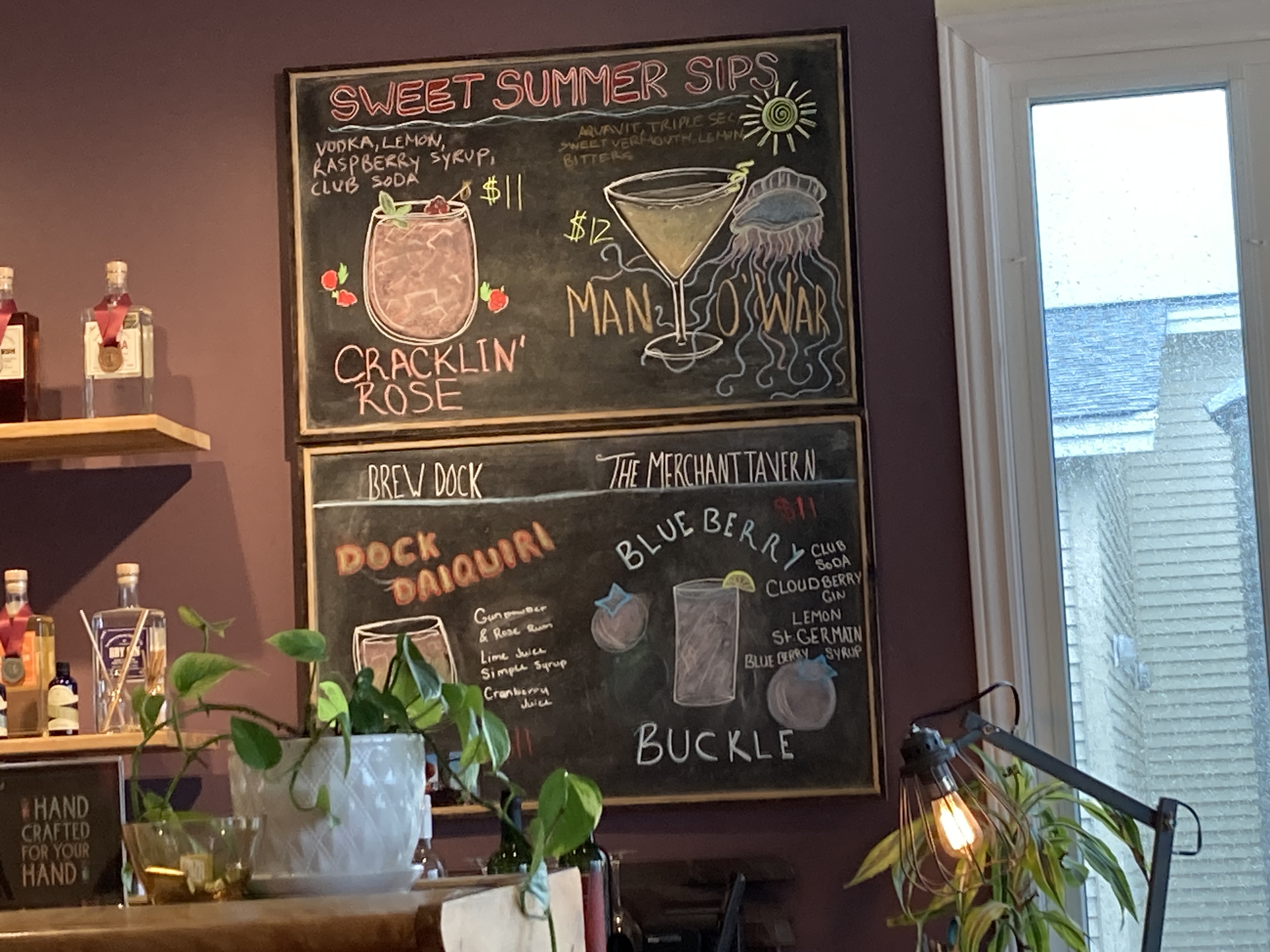
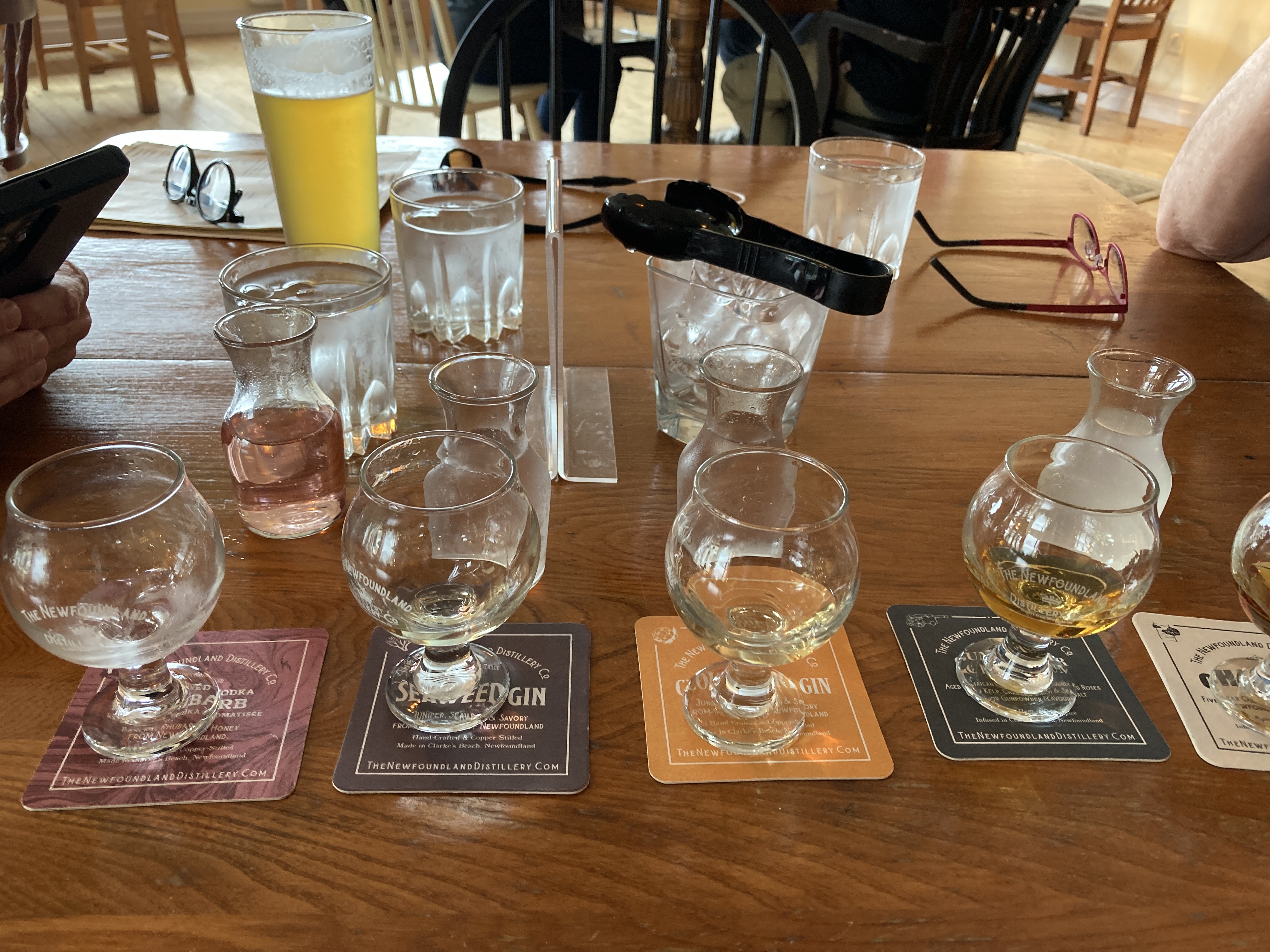
We finally ended in St. John’s, where we did our own tour of special places in the city. (More about this city visit in the next post.)

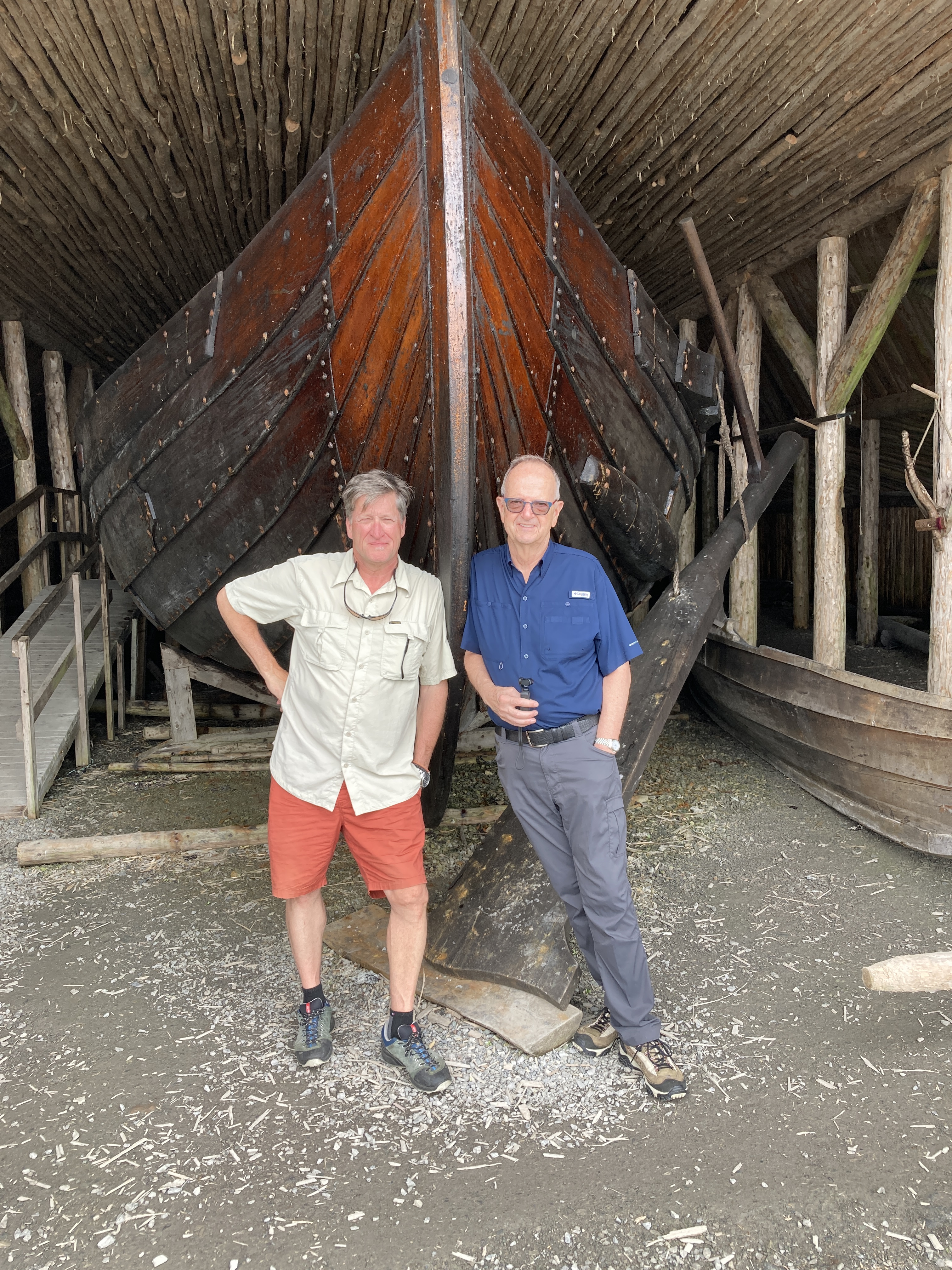
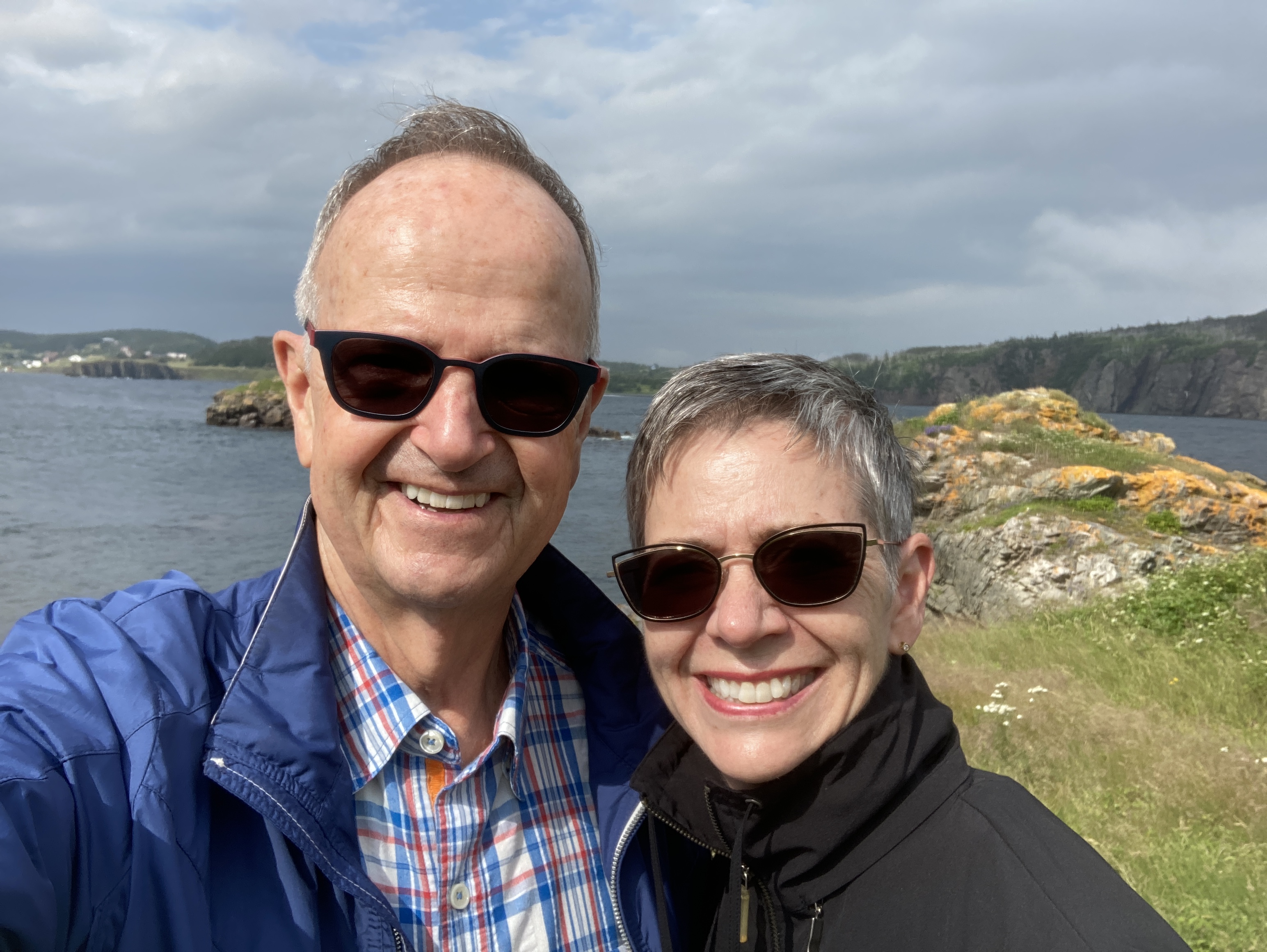
One of the extra bonuses of travelling with a private guide is the opportunity to have someone take photos of the two of us together! Such a treat! (Okay, the third one’s a selfie.)
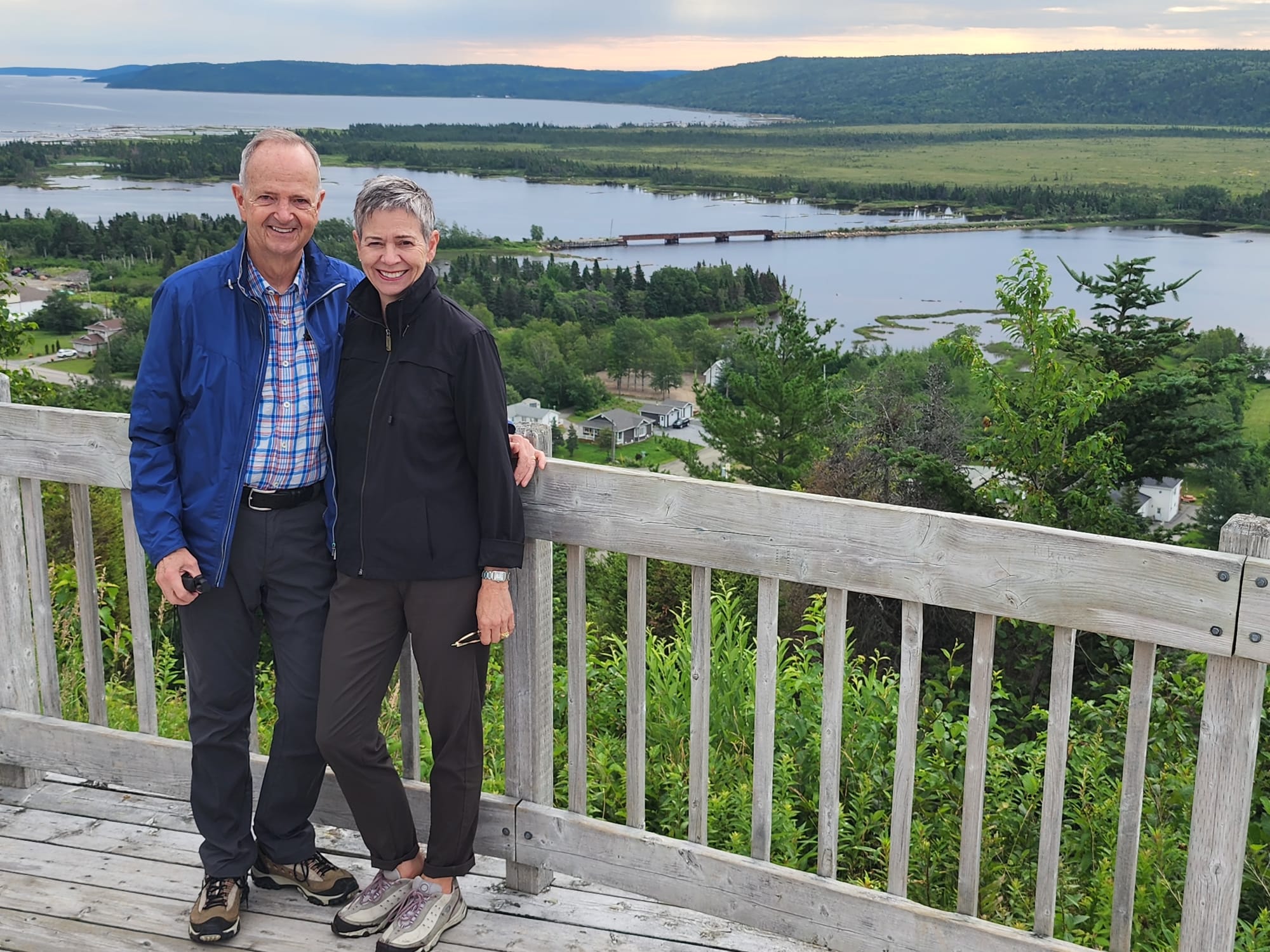
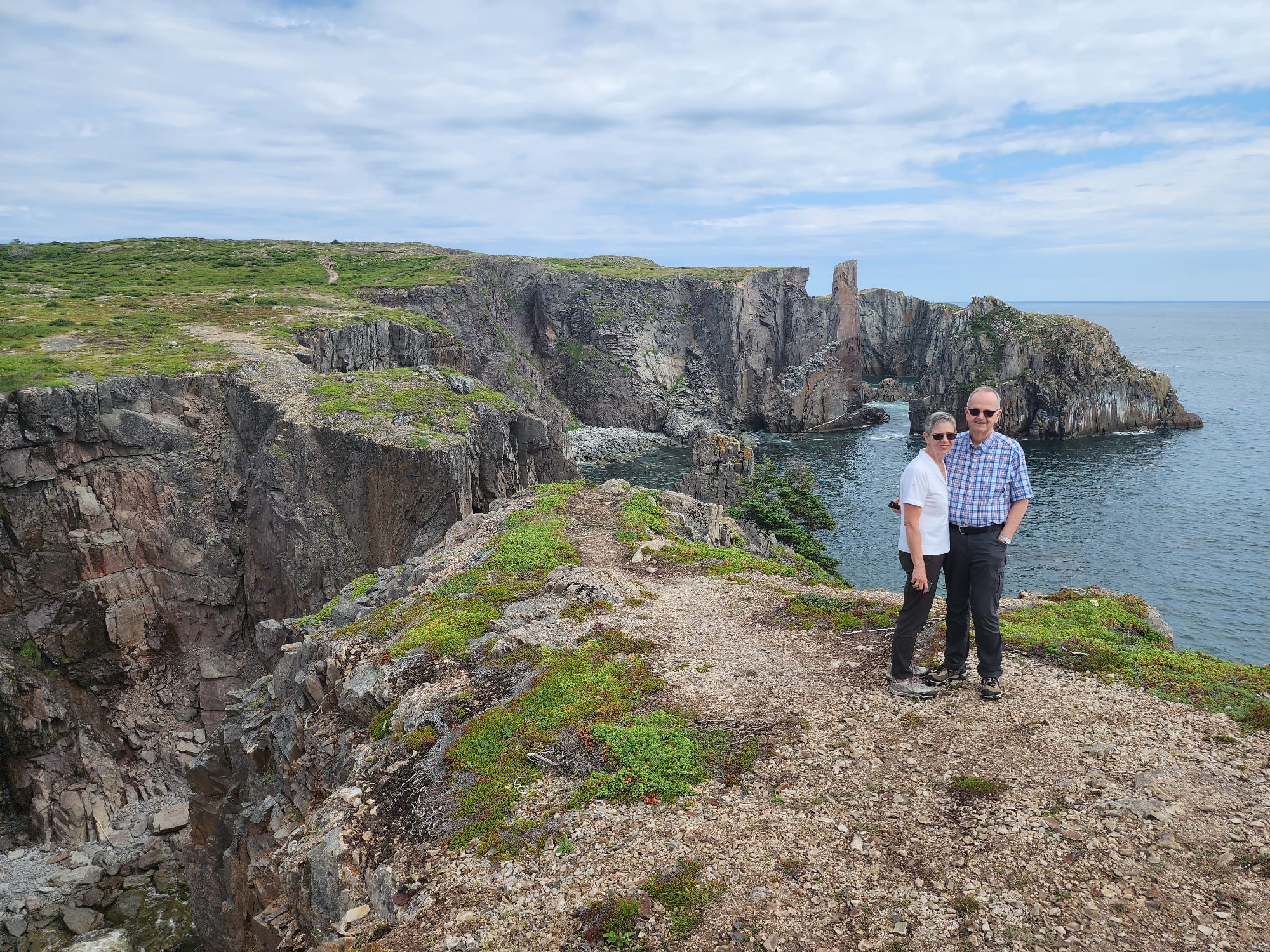
There is no doubt in our minds that private touring is well worth the extra expense. And you can’t put any price on the memories we created on our Newfoundland trip.

In case you missed any of the videos…

Western Brook Pond…

L’Anse aux Meadows

Bonne Bay & the Tablelands

Bonavista

Hong Kong in a Day (and a bit!)

IMG_7312Who said it couldn’t be done? Well, we did it – with the help of a Tours-by-Locals guide named Jacky – “A Local’s Tour of Hong Kong” is how he billed it – and he delivered.

We arrive right on time at 1:35 pm at Hong Kong International Airport after a pleasant 15 hours traversing the North Pole on Air Canada. It was too soon for jet lag to set in. Thankfully!

Just as planned, we are met at the arrivals area by a driver sent by Jacky who we’d meet up with at our hotel at 9 am the next morning to “do Hong Kong.” Despite the lengthy flight and the 12-hour time change, we can’t just settle in to the beautiful Harbourview Renaissance Hotel on Hong Kong Island without spending an hour or two exploring the area around our hotel. So, we take a 25-minute walk to IFC (International Finance Centre) to see Lane Crawford – Asia’s premiere high-end department store whose former boss was nabbed by Hudson’s Bay in Canada to reinvigorate our department store scene a few years ago. What we find so startling about this mall on the other side of the globe is how much it resembles high-end malls at home. If we just squint, we could think we were back in Toronto. As daylight begins to wane, the lights in Hong Kong begin to come on and we make our way back to the hotel for a bite to eat and a good sleep. We will need it.

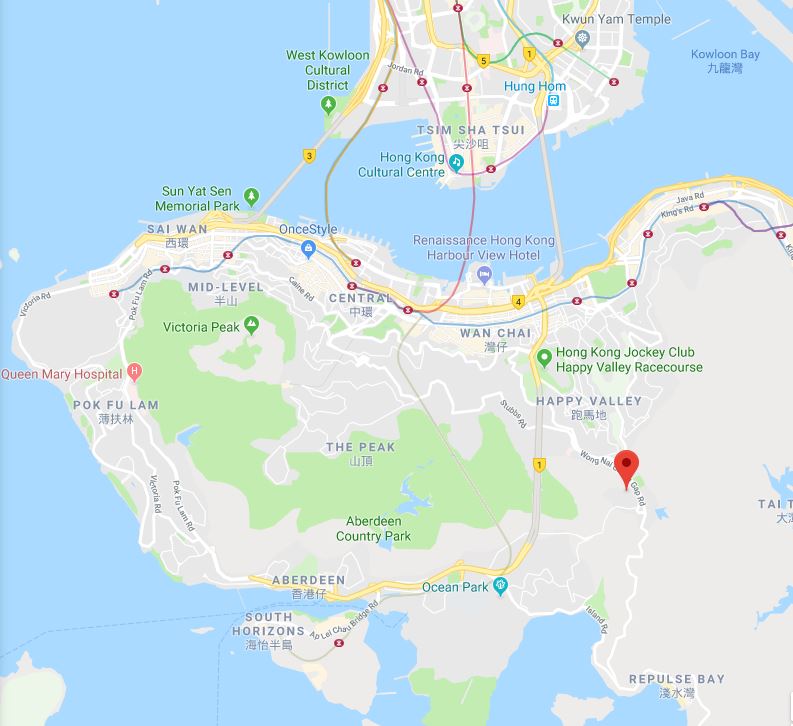
Jacky meets us in the lobby of the Renaissance the next morning and we jump into a cab to get quickly up to the top of Victoria Peak on Hong Kong Island before any other tourists make their way up. Peruse any tourist brochure on Hong Kong and Victoria Peak will probably be the number one place to see. The reason is the views. It’s a great place to begin because as you take in the breathtaking view itself, you begin to get your bearings: you’re on Hong Kong Island and as you stare toward the harbour, you see Kowloon (the mainland, older part of Hong Kong) spreading out in front of you toward the hills that lead onward to the border with The People’s Republic of China. Then you’re aware that behind you is the side of Hong Kong Island that borders the East China Sea – although you can’t see it.

The requisite photos well in hand, it’s time to make our way down to carry on with our jam-packed day. Jacky leads us to the Peak Tram. A funicular railway, this iconic Hong Kong landmark is the traditional way to get up to the top of the Peak and has a long and fascinating history. And it’s not just for tourists. Residents who live at various levels of the Peak make their way to work and play using this tram that travels at sometimes impossible angles. The trip takes about 5 minutes.

peak tram
Inside the Peak Tram

Jacky leads us through the streets among the skyscrapers of Hong Kong Island’s financial core stopping to consider the history of the area and stop for a coffee. These days the island itself has a population of about 1.3 million people – the entire Hong Kong area is 7.35 million and seemed every one of them was being disgorged from bus after bus and making their way into massive buildings that swallowed them up, wave after wave.

We hop aboard a city bus just as the skies open and are transported through a tunnel under Victoria Harbour to Kowloon where we find Sham Shui Po, a market area famous for its stall after stall packed with fabrics (among other things) – Patty is a bit of a fashion designer and couture sewer and wants to take a look. Jacky tells us he wants us to experience the markets like a local. The rain keeps us from spending too much time or money as we meander through the vegetable and dried fish markets as well as the fascinating street of fish – pet fish. Thousands for fish of every imaginable type in myriad aquariums as well as individual fish floating in plastic bags hanging on every stall. And hardly a tourist in site – the local experience, indeed.

After the markets, it’s time for lunch and Jacky thinks we need to discover the real home of dim sum. It’s hard to believe that neither of us has ever eaten dim sum before, but what better place to be introduced than to experience it in the place where it was first introduced to cuisine? Jacky selects a spot and we go inside what seems to be an office building then take the elevator up several floors. When we emerge, we are in an enormous room which looks exactly like a banquet room – because that’s what it is. It seems that these banquet facilities open at lunch time to serve dim sum to the locals. We are truly the only non-Hong Kong people in the place. But no one seems to mind.

IMG_1536
One other advantage of a personal, private guide is that he will usually take photos of us together – even when we don’t know he’s about to do it! Eating dim sum.

We leave it to Jacky to select the lunch menu and are only too happy to try out everything on offer. We find some of the textures unlike anything we have ever experienced in Canada and decide we probably should try North Americanized dim sum when we get home. After lunch it’s time to head to Tsim Sha Tsui, Kowloon’s busy shopping, restaurant and nightlife area. We opt to get there via the small public bus system which is fascinating and worth finding if you’re there – but we don’t think we could have found the stops without the help of our guide!

After the subway to a Buddhist temple garden (a fairly new addition to the Hong Kong experience we’re told), and a visit to a Daoist temple, we eventually make our way to the harbour front on the Kowloon side which provides a wonderful vantage point from where to see the skyscrapers of Hong Kong Island. A hop on the Star Ferry – not to be missed during a Hong Kong experience – and we’re back almost where we started, but we’re not finished our day yet.

Back on Hong Kong Island, Jacky takes us to Aberdeen on South Horizons Island, a fishing village area on the south side of the peak where we ride a small, local boat back to the main island. We hop on another city bus and we’re shortly back at the Renaissance.

hong kong island map

Although we say good-bye to our guide, we have at least a half a day ahead of us to tour a bit more on our own before we have to board the Silver Shadow, the small, luxury cruise ship that will be our transportation for the next couple of weeks. But before we leave Hong Kong, the magic of its night lights…

IMG_7466


IFC: http://ifc.com.hk/en/mall/

A Chilean wine-tasting adventure

DSC02071
A small part of the vineyards at Casas del Bosque

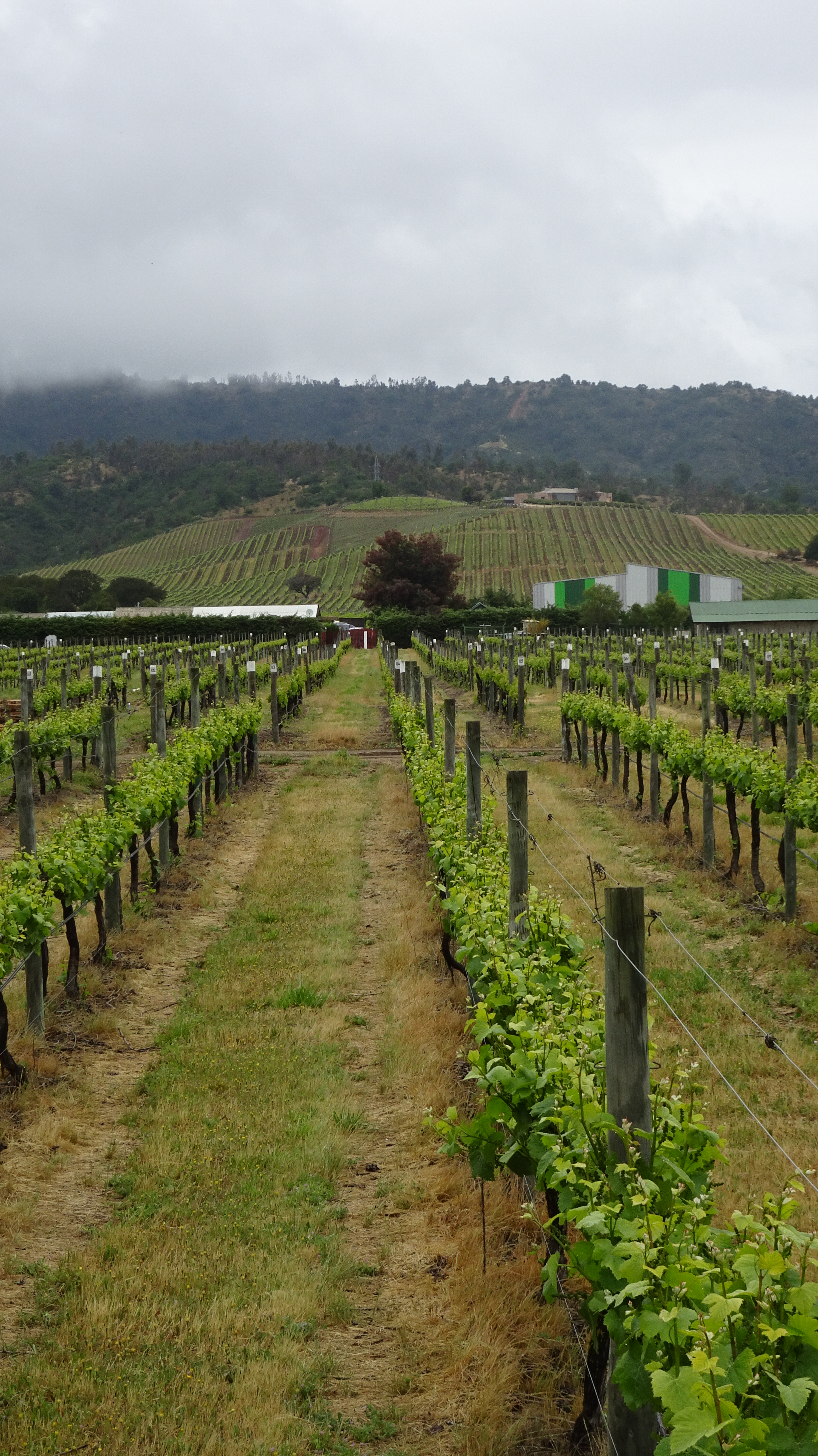
There is nothing more satisfying than sitting at home on a cold Saturday evening with a glass of lovely wine. It’s even more satisfying if that wine was one that you first tasted in the vineyard where it was produced. A glass of Chilean sauvignon blanc from Casas del Bosque in the Casablanca Valley provides us with just that feeling – and the memory of touring the vineyards and lunching at their charming restaurant. We’re just lucky that their wine is carried at our favourite wine purveyor in downtown Toronto! But we’re getting ahead of ourselves.

We had no idea it would be so cold in Chile when we were there recently. As much as the greenery said summer, the weather said early spring. But we were ready and waiting for Leo, our guide, the morning he picked us up from our Santiago hotel so we could spend the day touring some of his favourite wineries.

We started at Casas del Bosque where we had actually eaten lunch a few days earlier on our way from Valparaiso to Santiago. Today, Leo had arranged for us to tour the vineyard, see the wine processing and then partake in their wine tasting experience.

We’ve done wine-tastings in many places from luxury cruise ships to the Veuve Clicquot caves in Champagne, France to the Sonoma Valley in California among others. This was one of the best planned and organized ones we had experienced (notwithstanding the fact that the very well-appointed tasting room was so cold!).

The sommelier was knowledgeable, spoke perfect English and was so very personable. There was no pressure whatsoever to purchase at the wine boutique following the tasting, but how could we not? The selections were so surprisingly appealing that we did have to bring a bottle home – in our wine bottle armor that we always take with us! (…and highly recommend…)

bottle armour
Our Magellan’s bottle armor. We never travel without it!

Leo asked us if we liked sparkling wine and we couldn’t say no, so he took us along to Vina Mar to taste some bubbles, visit the vineyard and have lunch. The tasting wasn’t’ as in-depth or as well-organized as the one as Casas del Bosque, but the lunch was in a very atmospheric dining room overlooking the vast vineyards, so there was definitely something to be said for it!

Our last destination was a winery that is very well-known to Canadians (and Americans we’ll wager). It is the behemoth organization that produces wines under so many brand names – the largest exporter of wine in Chile – namely Concha y Toro. They have vineyards all over Chile. Each of the valleys in the country specializes in a different type of grapes, so a winery that produces a number of different varietals is going to have to source from a number of geographic areas where the growing conditions are conducive to that specific type of grape.

The Casablanca Valley where we toured that day for example, has the perfect growing conditions for the sauvignon blanc grape. While at Concha y Toro we didn’t take part in an organized tasting; we did it ourselves and recommend this for anyone tired of doing the group thing. We ordered their most expensive wine flight and a charcuterie and cheese board and went at it. The sommelier who served us was impressed by our selection.

Needless to say, by the end of the day we felt we knew so much more about Chilean wine. That didn’t stop us from having another glass with dinner though (oh, and a Pisco sour before!).

If you have four minutes to run through the Casablanca Valley with us…


Malta: An island steeped in history

malta - fishing villagePeople who live on Canada’s Atlantic coast have seen the name many times – Valletta. That name is emblazoned on ship after ship that enters the container terminal in Halifax, Nova Scotia. We have often wondered if most of the people who see this on a daily basis have any idea where Valletta is. As travelers interested in the wider world, we knew that it was in Malta, but Malta was a mystery to us – until recently. [The reason the ships bear this moniker is that ship registration is a major industry there.] 
As we often say, there is no better way to be introduced to new places that you might other wise never visit than on a well-selected cruise chosen with itinerary at the top of the priority list. That is how we found ourselves on the tiny Mediterranean island of Malta.

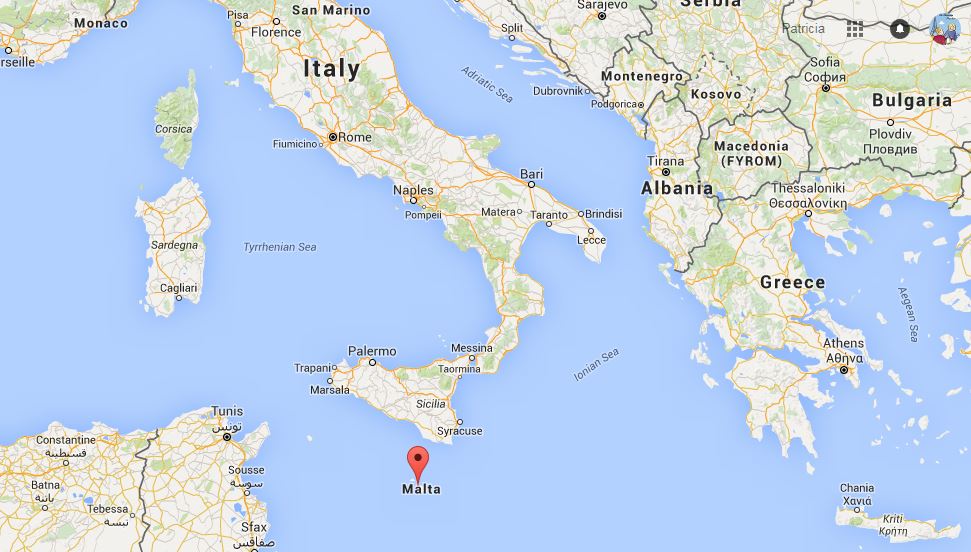
Picture a tiny island (really an archipelago) located just 80 kilometres south of Italy and 284 kilometres east of Tunisia in Northern Africa directly in that passage between the Atlantic end of the Mediterranean and the Middle East. Because of this strategic position, Malta has a rich history of a succession of ruling countries: the Romans, the Moors, the Sicilians, the Normans, the Spaniards, the British to name a some of them. It is this very richness that imbues the tiny island with its appeal for travelers who are interested in both natural beauty and the influences of historical evolution on a place and a people. We are those travelers.


malta - map

Hiring the services of a private driver and a guide as we like to do, we were able to make the most of our short visit. We began with a walking tour of Valletta, a world heritage site. It’s a bit like walking through an open-air museum with historical artifacts that tell of the city’s storied past at every turn. The most historic buildings date from the sixteenth century and at every turn there is a story to be told.


We then drove out of the city into the beautiful countryside to the fortified city of Mdina (not a misspelling), inland slightly southwest of Valletta. Founded in 700 BC, Mdina was the capital of Malta until the 16th century. A walking tour of this historical masterpiece is a must-do when visiting Malta.

A visit to Malta wouldn’t be complete, though, without visiting a fishing village or two. The colourful boats, markets and buildings combine to provide you with a bit of a snapshot of modern life in the Maltese countryside.

malta - color

Malta is a tiny spot in the world that should be on your bucket list, if it isn’t already there. If you get the chance to visit, even if just for a day, jump on that chance.

It’s really difficult to tell the story of a visit to Malta without numerous pictures, so we’ve put together a brief video of the sights we’d like to share with you.